* The experiences shared in this article are personal accounts and should not be taken as medical advice. Always consult a healthcare professional before taking any medication.
The needle was only a few millimeters long, but Li Xu couldn’t bring himself to use it. Instead, his mother-in-law administered his first shot, injecting him with 0.25 milligrams of semaglutide solution, the active ingredient in Ozempic. Worried that the dose hadn’t gone in properly, Li injected himself again. That accidental double start in September last year marked the beginning of a three-month weight-loss journey in which Li shed 15 kilograms, a pace that would have been difficult to achieve with diet and exercise alone.
Li, who works in the publishing industry in Beijing, is among a growing number of people in China turning to GLP-1 medications such as Ozempic, Wegovy and Mounjaro for weight loss. The exact number of people using these drugs is hard to track, but with over half of the country’s population now overweight and 140 million people living with diabetes, the appeal of this seemingly effortless way to manage weight and health is proving difficult to resist. With prices dropping and the most common GLP-1 medications now included on China’s national medical insurance drug list, their popularity shows no signs of slowing down.
Yet despite the hype, research on GLP-1 medications for weight loss remains limited compared with their original use in treating diabetes, and the long-term effects on people without these conditions are not fully understood. The drugs have also become a weight-loss shortcut for some, especially young women, who aren’t medically overweight but feel the pressure of entrenched beauty standards that favor thinness. Anecdotal evidence on social media of severe side effects and data on weight regain after coming off the medication are also adding to concerns.
Read more about health trends in China:
- Weight of the Nation: China Rethinks its Approach to Obesity
- Bitter Sweets: Have Chinese Consumers Lost Their Taste for Sugar?
- The Thin Line: China’s Dangerous Boom in Extreme Weight Loss Techniques
A working solution
During a routine checkup in 2025, Li was diagnosed with fatty liver disease. But at 1.79 meters and 102 kilograms, he felt it would be hard for him to shed the extra pounds on his own. “Losing weight is extremely energy-intensive and time-consuming,” says the 40-year-old. “A middle-aged man can’t live at the gym; he still has a job and a family to take care of. That’s why I think semaglutide medications are a blessing for middle-aged people.”
After some browsing on social media and conversations with friends who had used the drug before, Li started Ozempic with little idea how effective it would be. “At least it was less scary than stomach-reduction surgery,” he jokes, dismissing concerns about side effects.
Yet Li’s weight dropped visibly day by day, eventually reaching 87 kilograms, where he plateaued at a BMI of 27. While still considered overweight according to China’s national standard, he is below the threshold for obesity, and Li is content with his progress. “My ideal weight would be around 80 kilograms, but I have to accept that I’m not in my 20s anymore,” he says. “For someone in their 40s, this weight is pretty normal.”
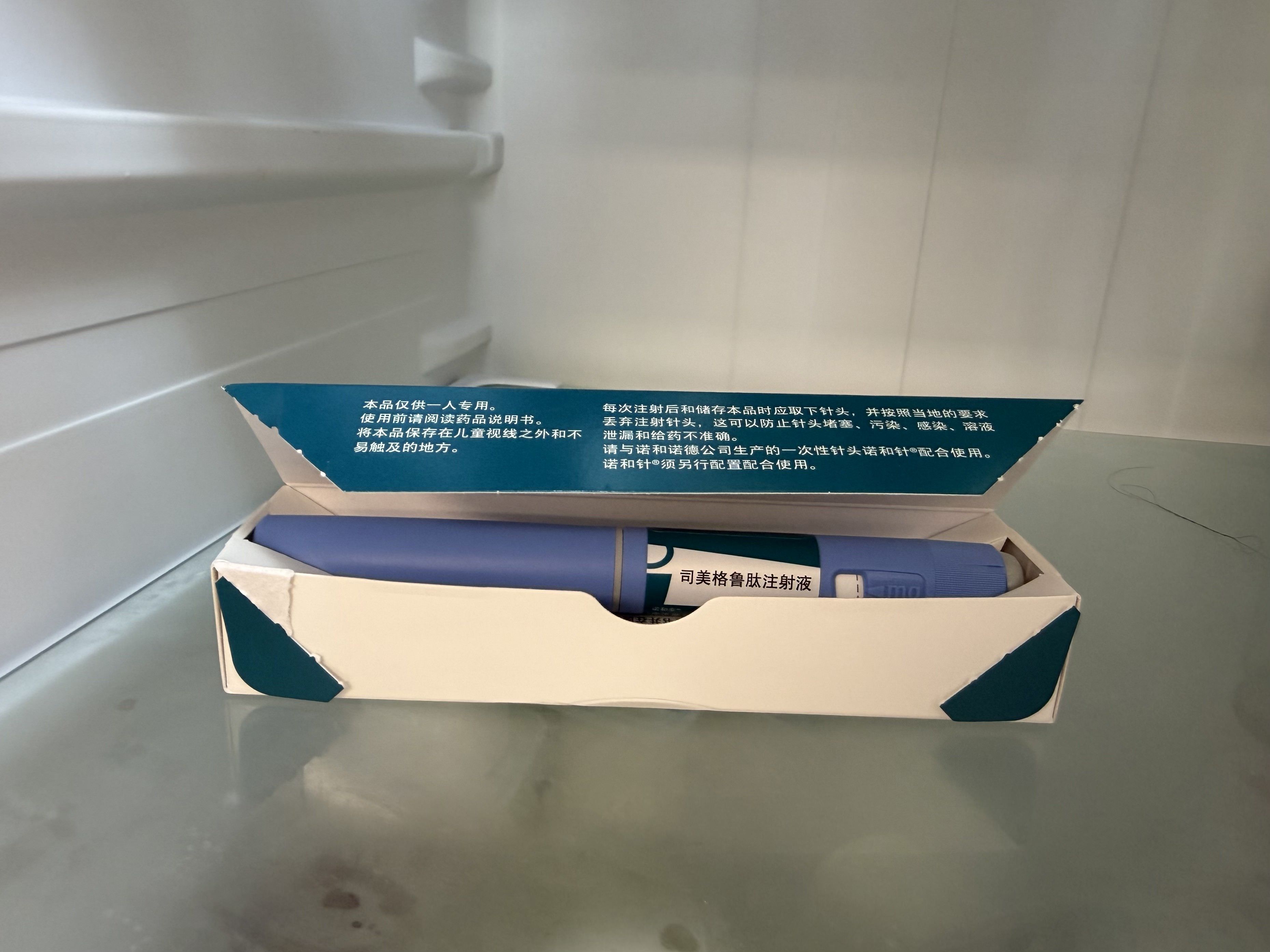
Ozempic is injected once a week and needs to be refrigerated (Hayley Zhao)
Thomas Huang, a 29-year-old Beijinger working in finance, was always on the heavier side growing up, weighing 109 kilograms by his late teens. In college, he fought to keep his weight under control through hours at the gym every day, and at the peak of his fitness crunch in 2019, he slimmed down to 72.5 kilograms. But it was a number he couldn’t maintain.
“Whenever I’ve managed to lose weight in the past, it’s when I’m not working or when I had plenty of free time as a student,” says Huang. “I was younger then, and my metabolism was better.”
During the pandemic, he gained the weight back, eventually tipping the scales at over 100 kilograms again. Although he continued to lift weights and play badminton, starting a full-time job in 2022 made it difficult to maintain a workout routine, and a knee injury that same year prevented him from doing enough cardio. “It’s also hard to control the urge to eat, especially after a stressful day of work,” he says.
But drugs like Ozempic can help control that urge. By mimicking GLP-1, a hormone naturally produced in the body that helps regulate appetite, the drug slows digestion and makes people feel fuller for longer. The weight loss itself is achieved mainly through the drop in food intake as a result of reduced hunger.
In 2024, one of Huang’s family members began taking Ozempic for diabetes, and dramatic weight loss followed. Seeing how effective the drug could be, Huang took his first jab in March, losing 8 kilograms in just two months. He didn’t lose his appetite entirely, but he felt noticeably fuller after less food and would become nauseous if he kept eating.
“It didn’t really affect my energy levels. I just felt a bit constipated, which is normal for this drug because it slows down your metabolism,” says Huang. Li also experienced mild gastrointestinal problems, but both agree that the benefits of weight loss far outweigh any temporary discomfort.
“People need to realize that obesity is a disease,” says Li, now free of his fatty liver issue. Health experts agree. Obesity is directly linked to a higher risk of developing chronic conditions like diabetes, cardiovascular disease, and even certain cancers, seriously affecting people’s quality of life. Doctors, health authorities, and the government are also increasingly approaching obesity as a disease and public health issue with complex social causes.
Easy access
While Li and Huang both experienced significant benefits from Ozempic, neither obtained the drug through a hospital. Huang got his from the family member who had been prescribed it for diabetes, while Li purchased the drug through an e-commerce platform after consulting an online doctor.
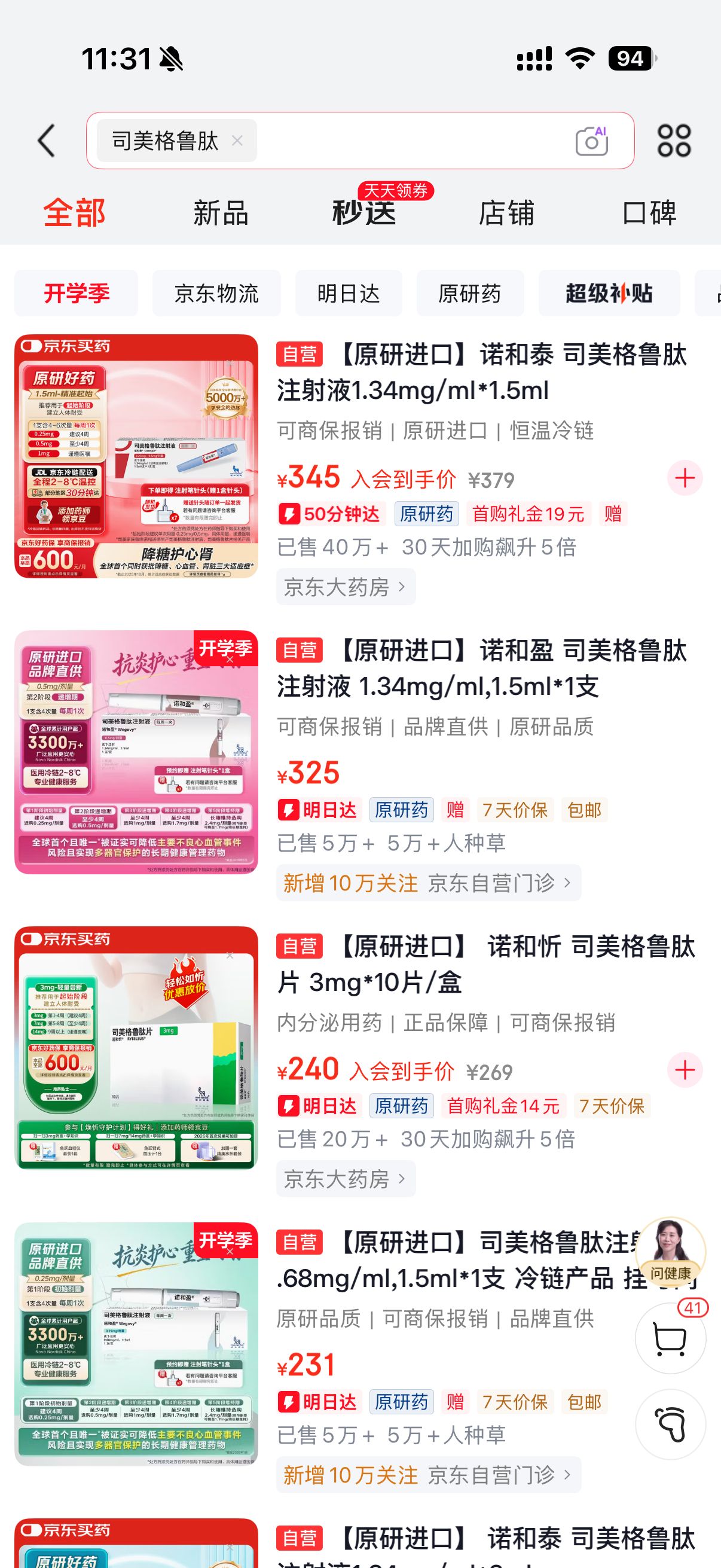
Semaglutide solution can be purchased for just a little over 200 yuan on e-commerce platforms such as JD.com (screenshot of JD.com)
The latter is common among those seeking weight-loss medications in China, but it comes without the guardrails of orthodox healthcare. “When doctors prescribe this medication [in person], they provide a detailed explanation of its side effects. They also conduct thorough checks, like blood tests, to determine whether the drug is suitable for you,” says Huang. He spent an entire day on leave from work at the hospital in July switching to Mounjaro, which studies suggest can be more effective, after Ozempic’s effects had plateaued.
Yet many busy urbanites simply don’t have the time for monthly hospital visits, especially since purchasing the drug through insurance doesn’t necessarily save money. While some GLP-1s have been added to the national medical insurance drug list, coverage only applies when they are prescribed for the treatment of diabetes. For weight management, they must be paid for from the individual account portion of China’s employee medical insurance system, or entirely out of pocket.
Huang paid a little over 300 yuan for a month’s worth of low-dose Mounjaro injections. JD.com now sells the same drug for 454 yuan, but with only minutes required to place the order. Prices are also set to drop even further, following the expiry of semaglutide’s core patent in China in March this year. Domestic drugmakers are already racing to launch cheaper generics, while the original manufacturers have begun slashing prices to stay competitive. According to Li, the same dosage that cost him over 1,000 yuan per month last year is now just over 800 yuan online.
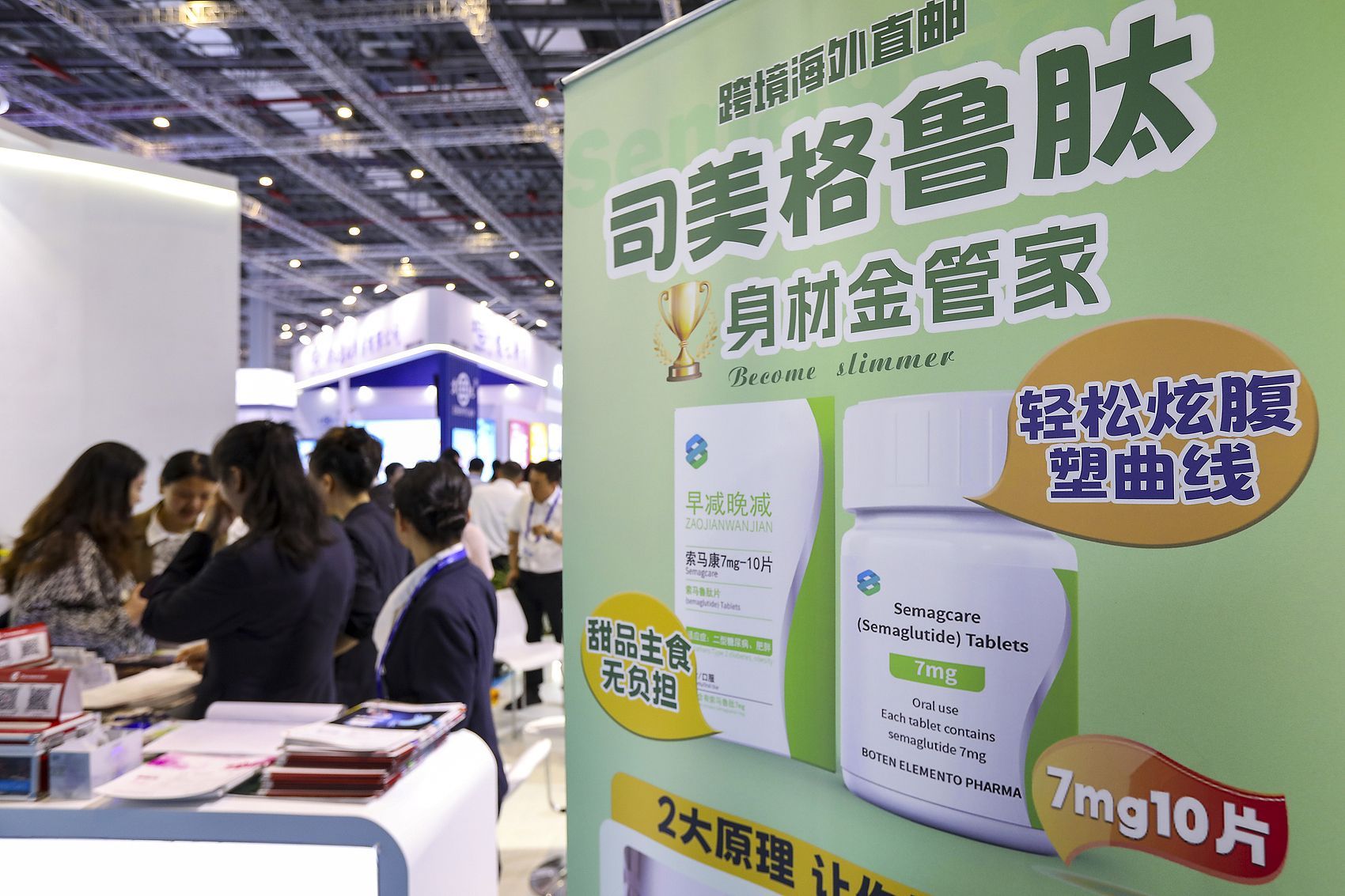
The oral semaglutide tablet was already advertised at the 2024 PHARMCHINA convention in Shanghai (VCG)
As competition heats up, weight-loss drugs are likely to become more accessible, too. In August, Novo Nordisk China announced that its application for an oral semaglutide tablet had been formally accepted by regulators, further lowering the barrier for people like Li, who are cautious about using needles but want to experience the benefits of GLP-1s.
“[Taking medication for weight loss] is becoming a trend,” says Li. “In a few years we’ll be able to see just how much this has impacted China’s obesity rate.”
Beauty risks
The popularity of weight-loss drugs in China has been accelerated by social media and celebrity influence. Elon Musk’s viral 2022 tweet about using Wegovy to lose weight further fueled interest, helping bring semaglutide into mainstream discussion in China the following year. Novo Nordisk, the Danish company behind Ozempic and Wegovy, reported earnings of 920 million US dollars from GLP-1 products in China in 2023, up by 79 percent from the year before.
“At the time, we thought this was some kind of high-tech secret used by the rich,” says Evelyn Zheng, a 34-year-old who works in media. At 1.58 meters and 58 kilograms, Zheng is not considered medically overweight, but on account of prevailing beauty standards in China that idealize thinness, she has been trying to slim down for as long as she can remember.
“I was already exercising regularly and eating well, but I still couldn’t reach my target weight,” Zheng tells TWOC. “I began wondering what else I needed to do. Ozempic seemed like a new option.”
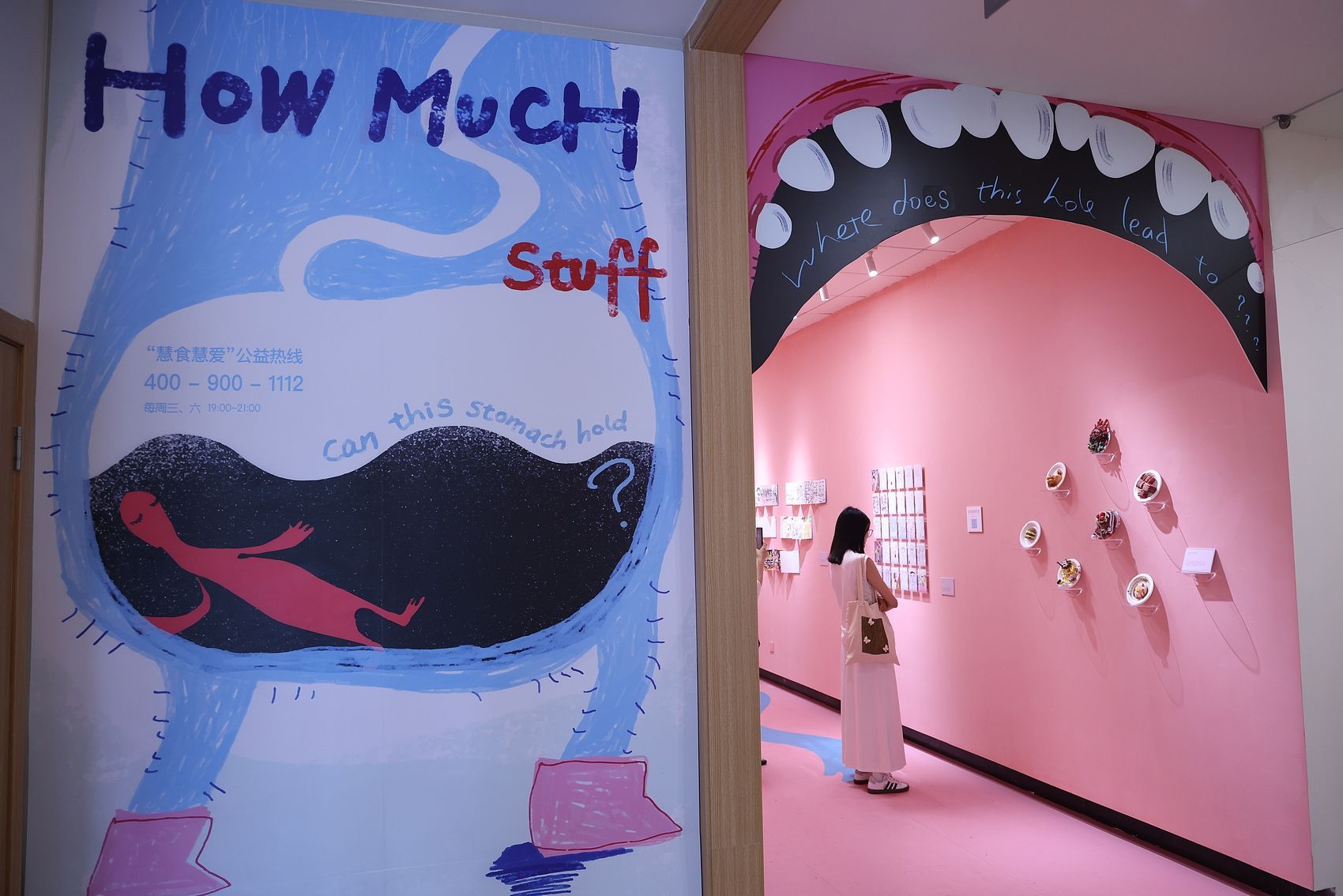
Eating disorders disproportionately affect adolescent girls and young women. In 2024, the Shanghai Mental Health Center hosted an art exhibition to raise public awareness of the disorder. (VCG)
In 2023, she purchased the medication through a friend for 1,300 yuan. She took her first shot one September afternoon, 0.25 mg each, the lowest dosage. Yet a few hours in, Zheng was immobilized, with no energy left to even move. “I felt nauseous all the time. I couldn’t eat or sleep,” she recalls. “My husband told me I was lying on the couch like a dead person.”
Wang Silu, a food-safety science expert, told The Paper in June that healthy individuals without a medical need for blood sugar control face risks from weight-loss medications such as sudden hypoglycemia, which can range from dizziness to unconsciousness and even brain injury. The drug’s effects on digestion can also cause vomiting and diarrhea. Zheng was fortunate. Her symptoms eventually subsided on their own after three days of rest. But for other young women who turned to the drug to lose weight, the consequences have been more severe.
In recent years, there have been several reports of people being hospitalized after taking unverified semaglutide products, including a Zhejiang woman who fell into a coma after receiving an injection at a beauty salon. She survived, but the injection left her with liver and kidney damage.
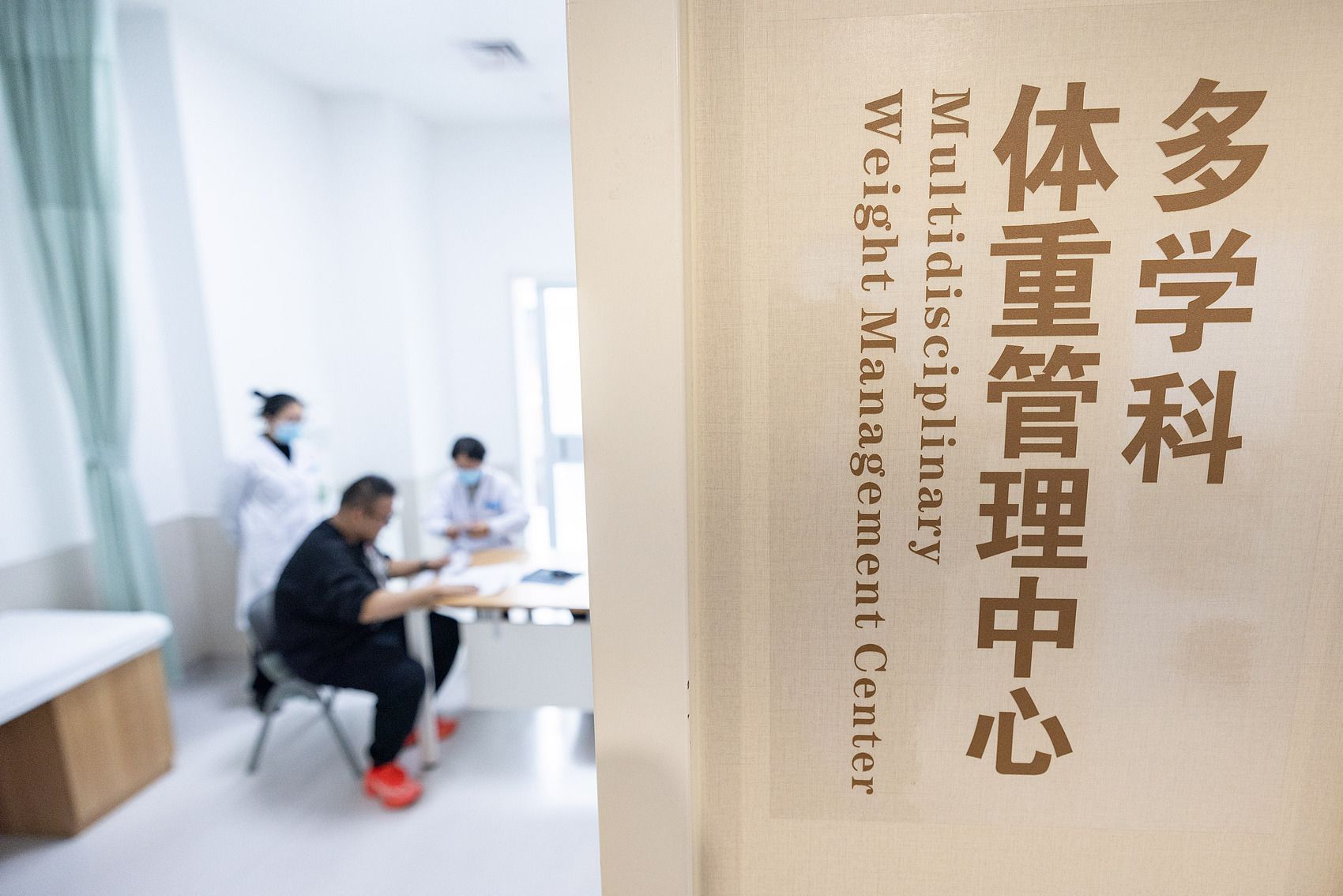
Many hospitals have established specialized weight-management clinics to help patients lose weight safely and determine whether weight-loss injections are the right choice for them (VCG)
Hospitals have established more dedicated weight management clinics in recent years, making it easier for people to access advice and medication through proper channels. New regulations were also put in place this May stipulating that injections for drugs like semaglutide and tirzepatide cannot be sold online as weight-loss medications. A quick search, however, reveals that many medications are still available on platforms including Alibaba Health, Meituan, JD.com, and Dingdang Health, albeit nominally for treating diabetes.
Addressing the root problem might also require a broader shift toward healthier beauty standards, but that change may take years, if not generations. Zheng has since made peace with her body and now focuses more on building muscle through weight training.
Keeping it down
In addition to potential side effects, concerns remain about the long-term sustainability of weight loss achieved through medication once treatment ends. Researchers at the University of Cambridge found that people regained, on average, 60 percent of their lost weight a year after stopping drugs such as Ozempic and Wegovy, although models suggest that they may ultimately keep off around 25 percent of the weight lost through treatment.
“The medication can help people who don’t naturally have the willpower to build healthier routines. But if you don’t make any changes and rely solely on the drug, then you’re bound to regain weight,” says Li, who has successfully kept his weight down since last November, having adapted to eating less.

Other weight-loss options have also emerged in recent years, including an intragastric balloon system developed by Boston Scientific. The device offers a minimally invasive, reversible alternative to weight-loss surgery by reducing stomach capacity and increasing satiety, and it also serves as an option for people who cannot tolerate or do not respond to GLP-1 drugs. The product was approved for use in China’s Greater Bay Area. (VCG)
Huang, on the other hand, sees weight regain as an inevitable part of the process. “I’ve lost weight many times without medication. Each time, I promised myself I wouldn’t return to where I started, but every time the weight came back.” Huang says he plans on using the injections again if the weight comes back.
While Huang admits he worries about the drugs’ unknown long-term effects, he is more focused on the upsides of being at a healthier weight. Another 15 kilograms will get him into a healthy BMI and relieve pressure on his knees so he can start resistance training.
Li is also relishing the benefits of a healthier lifestyle. Since his urge for food is controlled by medication, he has more energy to maintain other forms of self-discipline, like a regular daily routine and going to bed earlier.
“I think compared with the potential long-term effects of medication, the consequences of being overweight are actually a lot more significant,” he says.
The Good, the Bad and the Ugly: Can GLP-1s Fix China’s Obesity Problem? is a story from our issue, “Weight of the Nation.” To read the entire issue, become a subscriber and receive the full magazine.
Related Articles