

Lose five kilograms, get 1,000 yuan. This proposition may sound too good to be true, but for many weight watchers in China, losing weight is no longer just about getting in shape; it comes with a cash prize.
After gaining 10 kilograms since starting work in 2024, 29-year-old designer Wei Yu joined a 21-day weight loss challenge in June. Launched by JD Health, the campaign incentivizes participants to complete set daily tasks such as exercises, weigh-ins, daily calorie counts, and photos of each meal. “As soon as I wake up, I check what today’s task is,” says Wei. “It feels like playing a game, which makes weight loss actually fun.”
Wei is part of a growing wave of Chinese people relying on gamified apps, cash incentives, and professional clinics to lose weight, reflecting a broader shift in how China is tackling obesity. Long treated as a matter of self-control, being overweight is instead increasingly recognized as a chronic health problem and national health issue shaped by diet, lifestyle, metabolism, and social environment. As obesity rates rise, hospitals, health brands, and authorities are joining the push to make weight management part of long-term healthcare.

Happy Weight Loss, launched by JD Health, offers cash prizes to encourage participants to complete daily tasks and check in (screenshot of JD Health)
Growing pains
More than half of Chinese adults were overweight in 2025, according to the National Health Commission’s Guidelines for Weight Management, a figure that is estimated to reach over 70 percent by 2030 without intervention. The economic toll is also rising. According to a report released by the Chinese subsidiary of the US pharmaceutical giant Eli Lilly, the country’s annual economic burden of overweight and obesity exceeded 1 trillion yuan in 2025, and could grow by a further 30 percent by 2035 without effective measures.
China’s weight problem has grown in tandem with the country’s rapid development. Prior to reform and opening-up, many throughout the country still struggled with food shortages, and obesity wasn’t a major health concern. Yet as rapid urbanization and the growth of the modern food industry reshaped daily life, more people moved from physically demanding jobs to office work, while food intake shifted from traditional diets of wholegrains and vegetables toward more meat, processed foods, and other calorie-dense options. According to official statistics, China’s adult obesity rate climbed from 20 percent in 1992 to over 50 percent in 2025, while urbanization jumped from 27 percent to nearly 68 percent over the same period.
For Lin Can (pseudonym), whose weight rose from 53 kilograms to 65 kilograms after starting a job in finance in 2024, the causes were very much embedded in her everyday life. With a stable income and a busy social schedule, eating out became a common way to spend time with friends, while takeout and other treats were easy options after long workdays. “Since everyone was usually free in the evenings, those meals tended to be big dinners,” the 30-year-old tells TWOC.
Read more about weight loss in China:
- Why Exercise Is Winning Out Among China’s Young Urbanites
- The Thin Line: China’s Dangerous Boom in Extreme Weight Loss Techniques
- The Bizarre and Dangerous World of Ancient Chinese Weight Loss
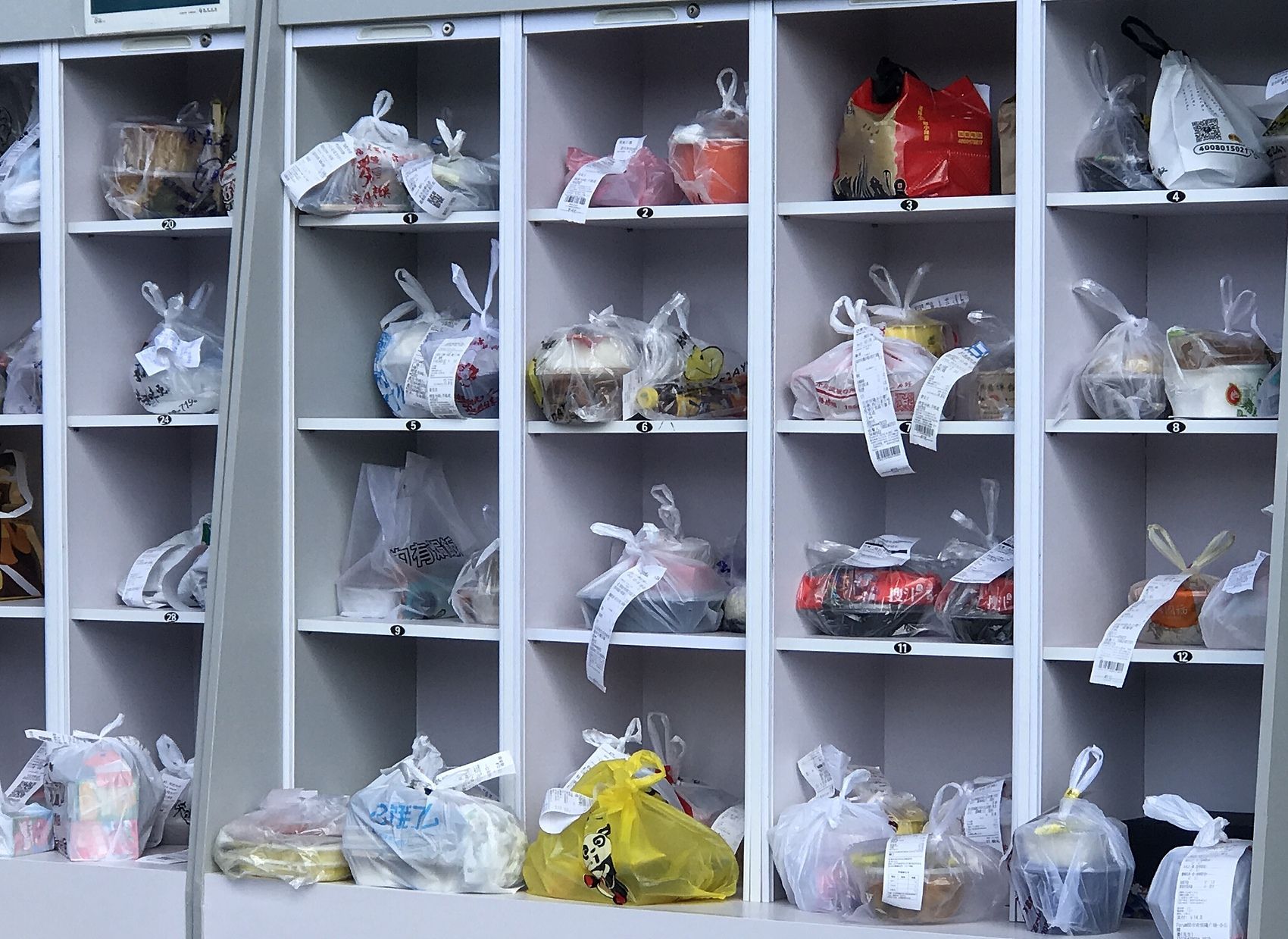
During the lunch rush, food-delivery lockers outside an office building quickly fill up with orders in Shenyang, Liaoning (VCG)
“Obesity is not simply about being unable to control your appetite or lacking self-discipline,” says Deng Guifang, a doctor of nutrition from Shenzhen. “It is the result of multiple factors, including genetics, metabolism, psychology, and people’s broader social environment.” Addressing it, she adds, requires more comprehensive support from across society rather than placing the burden solely on individuals, citing long working hours, sedentary lifestyles, and poor diets shaped by food-delivery culture and sugary drinks, as well as social pressures that make healthy choices more difficult for the average person.
That changing understanding has pushed China to adopt a more systemic approach in tackling the country’s weight problem. In 2025, the Healthy Weight Management Action was launched as part of the Healthy China campaign, aiming to build a supportive environment for weight control by 2030 through dedicated clinics and healthier food options to reduce the risk of weight-related conditions such as diabetes, cardiovascular disease, and hypertension.
Losing it
This push for a healthier country has been reflected in China’s online spaces. On the microblogging platform Weibo, the hashtag “The Nation Calls on You to Lose Weight” has drawn over 1.5 million views, with many sharing their diets, inspired by official recommendations to reduce the intake of oil, salt, and calories, and exercise routines.
Digital platforms, meanwhile, are turning weight loss into a game of goals, check-ins, and rewards. In June, the AI health application AQ from Ant Group launched a 100-million-jin (50-million-kilogram) weight-loss challenge, attracting millions of users with heavily discounted smart scales, personalized diet and exercise plans, and a chance to share in a cash prize pool of 100,000 yuan after completing 21 days of weight check-ins. Happy Weight Loss, the campaign launched by JD Health that designer Wei took part in, has drawn more than 3 million participants who have lost more than 320,000 kilograms in total, with 13 percent dropping to a normal, healthy BMI.

Residents of a community in Wenzhou, Zhejiang, have signed up for a weight-loss boot camp, embarking on a 90-day program that promotes science-based weight loss and a healthier lifestyle (VCG)
The appeal of these methods, Wei says, lies in having a routine to follow. He had tried dieting, weight loss pills, and workout videos in the past, but had never found an approach that stuck. “I usually can’t get myself to exercise, but the group challenge gave me motivation to actually move,” he says. The JD Health app can help track his progress and gradually increase his exercise: “I don’t even feel tired. I get to lose weight and earn money at the same time; there’s really no downside.”
While collective campaigns work well for some, others benefit more from a personalized approach. In December, after years of failed attempts, Lin turned to a weight-management clinic in Shenzhen for support. “I had always wanted to lose weight, but never managed to,” she tells TWOC. “I wanted to see if there was another way.” Having long struggled to control her appetite and with a dislike of exercise, she lost about three kilograms in two months by following a 1,000-calorie daily diet centered on protein and whole grains. Rather than relying on medication or meal replacements, her doctor focused on helping her develop lasting healthier habits.
Such clinics have become increasingly widespread across the country. Following guidance from the National Health Commission, more than 5,500 hospitals and health centers nationwide have established weight-management clinics, often involving specialists in nutrition, endocrinology, and traditional Chinese medicine.
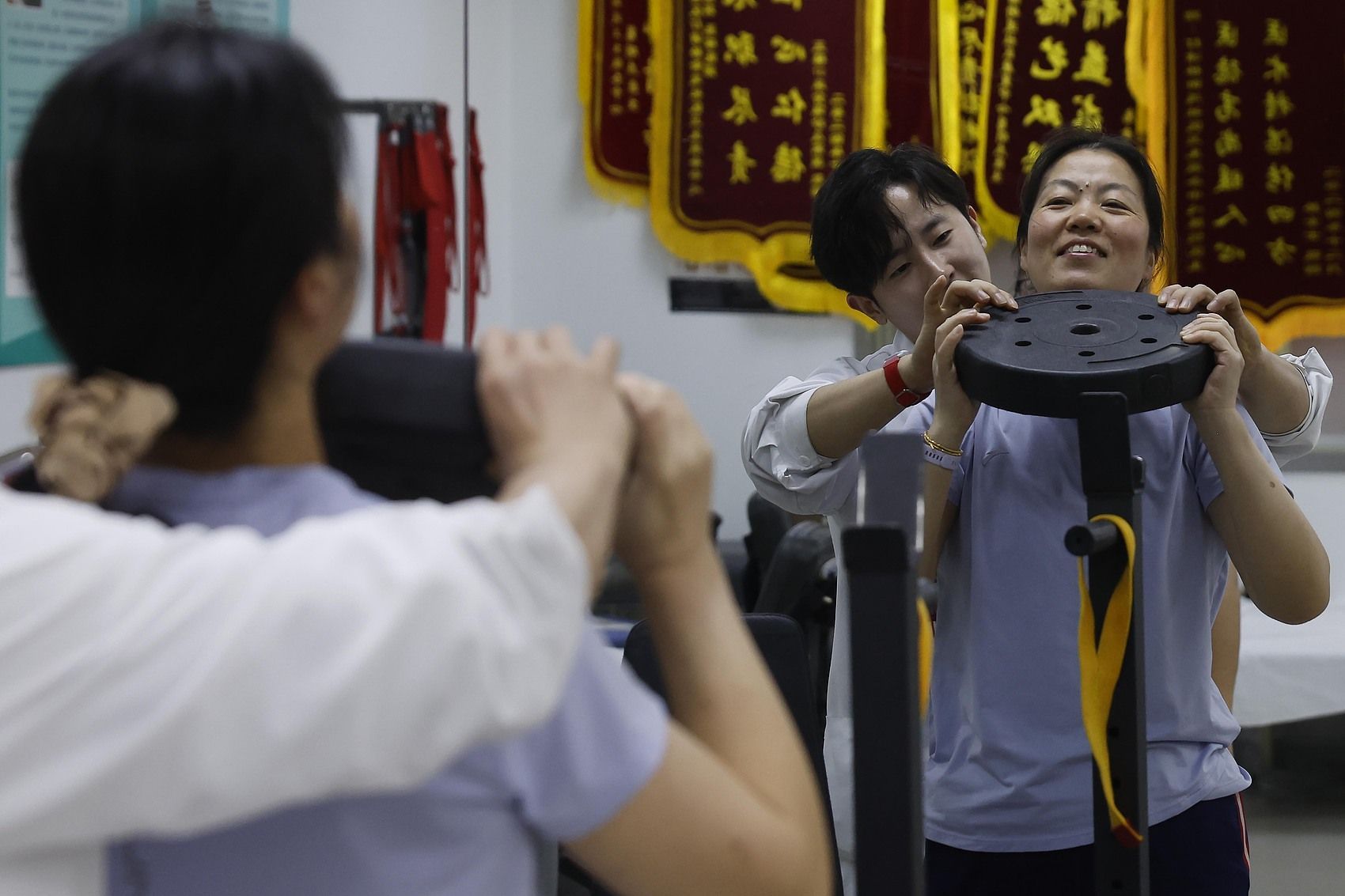
A therapist guides a resident through strength-training exercises at a weight-management clinic at a community hospital in Shanghai (VCG)
The growing demand for professional guidance reflects the public’s changing attitude toward obesity. At Deng’s clinic, the number of patients per session has quadrupled over the past decade. More people, she says, now recognize obesity as a disease tied to metabolism with real long-term risks, rather than merely an issue of appearance or self-control. “In the past, people might come in only if a problem showed up in a physical exam, or after they had become visibly overweight,” she says, “but in recent years, with initiatives like the national weight-management campaign, health education has become more widespread. People’s health literacy is improving.”
Since 2013, Deng has treated more than 6,000 patients, ranging from teenagers under academic pressure to young workers struggling with depression and takeout-heavy diets. Her clinic assesses patients’ height, weight, body-fat percentage, and metabolic health before devising personalized plans. Depending on their condition, treatment can include a combination of dietary advice, exercise plans, meal replacements, or medication. Deng approaches the latter with caution. “Medications can be effective,” she says, “but they also come with many long-term risks, including loss of calcium and skeletal muscle. Prolonged use can also negatively affect patients’ mental and emotional well-being.”
Heavy measures
For Lin, losing weight was only half the battle. Keeping it off was the real challenge, and she eventually regained much of what she’d lost after family issues disrupted her routine. Nonetheless, the experience changed her understanding of her body and allowed her to make smaller beneficial adjustments, such as drinking less milk tea and exercising more.
Beyond medical intervention, government at various levels is also trying to support people to make healthier decisions in their daily lives. In recent years, Zhejiang is increasing the number of public exercise facilities and community sports instructors, as well as promoting nutritional information and health education across the province. Anhui has introduced walking challenges, weight loss competitions, and workplace fitness groups. In Nanchong, Sichuan, several medical institutions offer free weight-management programs featuring professional guidance and support groups. Participants have reportedly lost an average of 4.3 kilograms over eight weeks earlier this year.
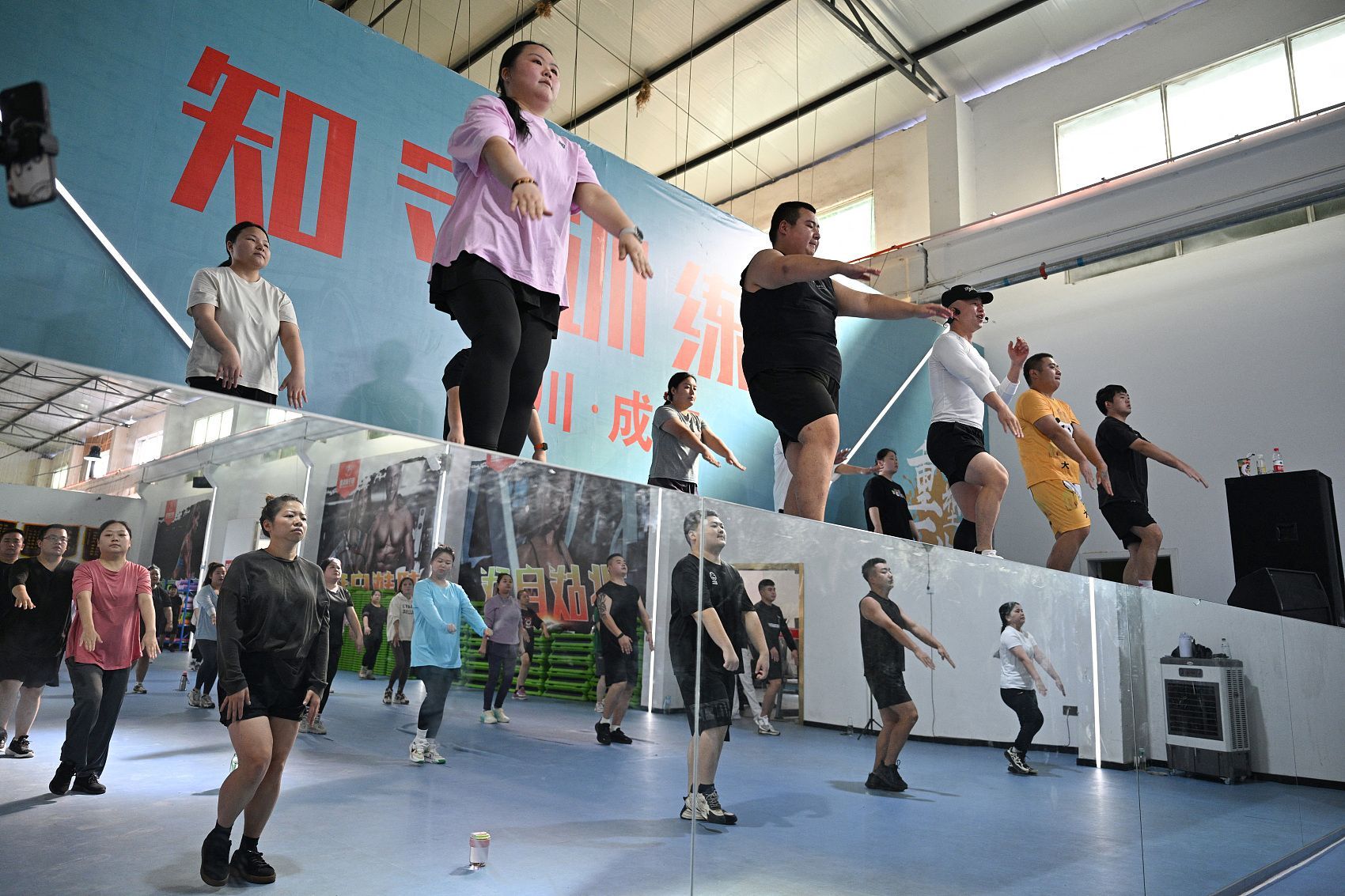
Participant exercising at a weight loss camp in Chengdu, Sichuan (VCG)
Authorities have also tightened food-labeling regulations. From 2027, packaged foods nationwide will be required to declare their saturated fat and sugar content as part of revised rules on nutritional labeling.
These kinds of government-led measures echo similar efforts overseas to address obesity as a matter of public health. England has required large food businesses to display calorie information on menus since 2022, while restrictions on promotions such as “buy one, get one free” for foods and drinks high in fat, sugar, and salt came into effect in 2025. Japan introduced obesity-related legislation back in 2008 that included annual waistline measurements for adults over 40 and health advice for those considered at risk of metabolic syndrome. Singapore, meanwhile, will expand its Nutri-Grade labeling and advertising rules from mid-2027 to cover key sodium and saturated fat contributors such as prepackaged sauces, seasonings and cooking oils sold at supermarkets, convenience stores, and online.
Doctor Deng agrees that treatment for weight-related issues must go beyond the clinic. She is now working with Shenzhen health authorities to develop a community-based system that brings personalized weight-management advice into primary healthcare centers, where half of the city’s patients seek medical care. Under the program, overweight and obese patients would receive tailored advice covering daily food intake and exercise, with ongoing support over the course of their lives. Deng hopes the model can eventually be expanded nationwide, making professional nutrition guidance accessible for all.
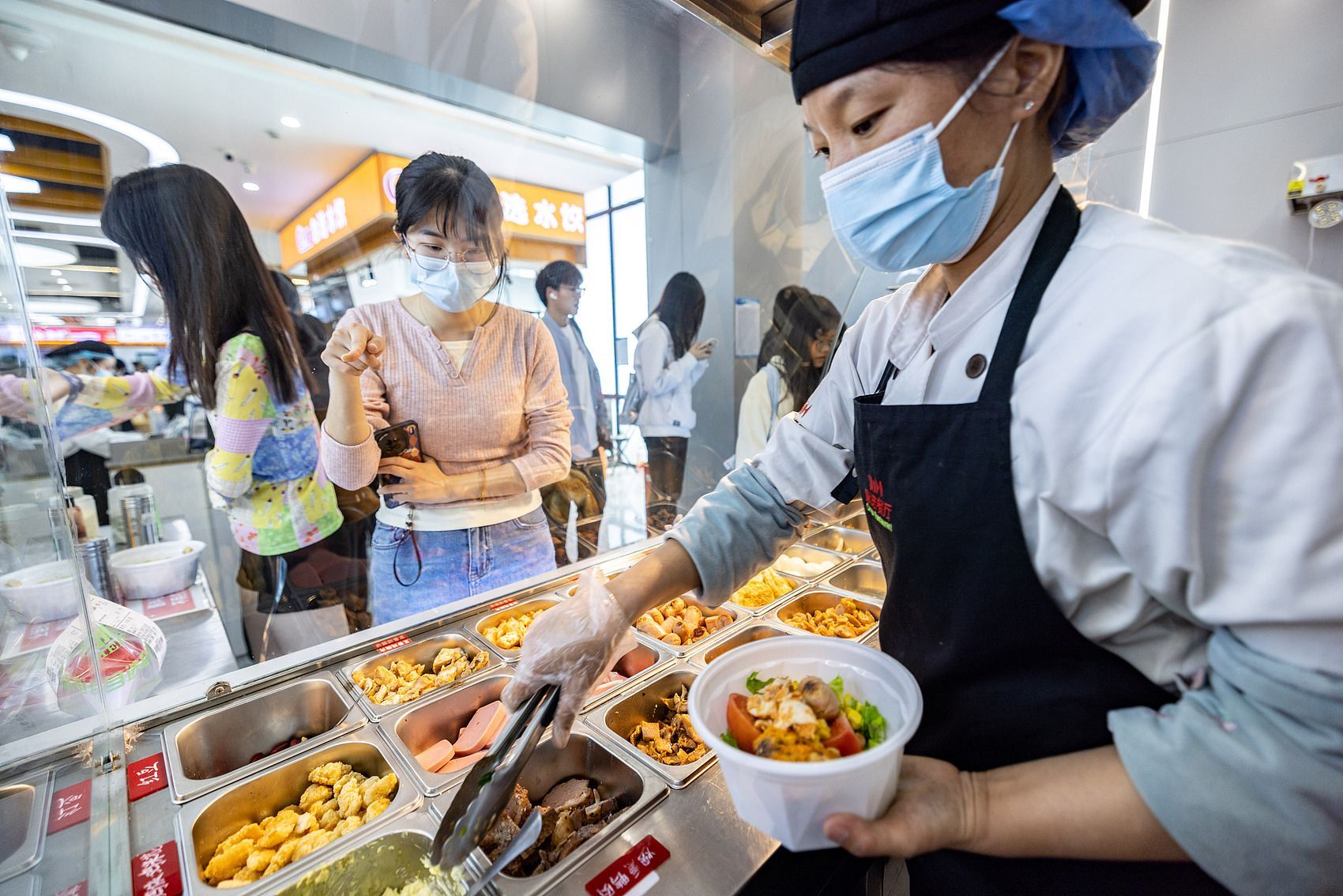
Many university cafeterias now offer “fat-loss” meals popular among students (VCG)
Yet Deng also believes that for all the effort by individuals and authorities, progress will be hard to sustain without buy-in from the food industry. Many of Deng’s patients aren’t overeating—they’re consuming an ordinary amount of food at workplace cafeterias or via takeout meals, yet they are still gaining weight. Deng believes the prime suspect is cooking oil. “Cooking oil is extremely calorie-dense,” she says, “people often have no idea how many calories they are consuming each day.”
Rather than leaving restaurants and chefs to decide how much oil to use, Deng calls for clearer standards and training across the catering industry to regulate cooking practices. “Takeout food is one of the biggest issues, because most people simply don’t have time to cook three meals at home every day,” she says. Deng also highlights the need for more community nutrition services and calls for more affordable specialized weight loss options, which can currently cost up to 80 yuan per day.
These systemic changes are necessary, Deng says, because losing weight is only the first step on a lifelong journey. Medication and clinical support may help shed the kilos initially, but maintaining that is an ongoing commitment that requires long-term lifestyle changes. “Weight loss ultimately means developing healthy daily habits,” she says, “there is no shortcut.”
Weight of the Nation: China Rethinks its Approach to Obesity is a story from our issue, “Weight of the Nation.” To read the entire issue, become a subscriber and receive the full magazine.
Related Articles