At a cursory glance, it might seem that China’s young professionals have no time for anything beyond work amid the country’s seemingly endless cycle of involution. But look closer, and a different picture emerges: gyms are packed, running tracks are full, and fitness classes have waitlists. More and more, staying fit has become not just a health goal but a defining feature of how the country’s younger generations choose to live—especially the country’s women.
Living in the fast-paced, high-pressure city life and facing uncertainty in their careers and personal lives, many choose to redirect their energy toward activities that produce a tangible sense of self-improvement. “It’s hard for adults to receive positive feedback at work these days. More often than not, it’s simply about meeting deadlines, and the effort people put in doesn’t always translate into visible results,” Liu Yisha, a 32-year-old office worker who also works part-time as a group fitness instructor in Beijing, tells The World of Chinese. But exercise is different. Training weights, running times, body measurements, and race results can all be tracked. “That kind of feedback is incredibly rewarding,” Liu adds.
Discover more about China’s fitness and sports boom:
- Hills to Hashtags: Could Trail Running be China’s Next Online Trend?
- The Traditional Chinese Sports Enjoying Modern Revivals
- Taking the Field: Bringing Sports to Every Village
In a survey by China Youth Daily in April, more than 83 percent of the over 1,300 respondents born between 1990 and 2009 had tried to develop a regular exercise habit, while nearly 70 percent had consistently participated in at least one physical activity.
Over 38 percent of Chinese exercise regularly, according to the General Administration of Sport’s 2025 National Fitness Survey, sustaining a booming sports and fitness culture. Not long ago, staying fit usually meant running, swimming, or lifting weights. Today, young fitness enthusiasts engage in a variety of activities, including tennis, Pilates, boxing, rock climbing, and more.
With these rich activities filling their off-work schedule, some even joked that they have no time left for dating. A viral meme on the social media platform Xiaohongshu (RedNote) goes, “I work during the day, hit the gym at lunch, play tennis at night, do Pilates on weekends, swim in the summer, and ski in the winter. Meanwhile, you’re texting me at 1 a.m. asking, ‘What is love?’”
Combined with viral online trends and consumerism, the growing popularity of fitness has also spilled over into other areas, fueling product sales. But beneath all the flair, the question remains: will these trends help Chinese urbanites be more in tune with their bodies and minds, ultimately leading to a healthier nation?
The road to fitness
Aerobics, a trend that swept through American popular culture in the 1980s, arrived in China shortly after the reform and opening-up. One of the country’s earliest fitness crazes, it spawned books and led universities to introduce aerobics courses. But it wasn’t until the program Five-Minute Fitness, led by coach Ma Hua, aired on China Central Television in 1993 that aerobics captured the masses in China. Ma essentially became the face of public fitness and went on to establish fitness clubs with her personal brand in Beijing and other cities in the late 1990s.
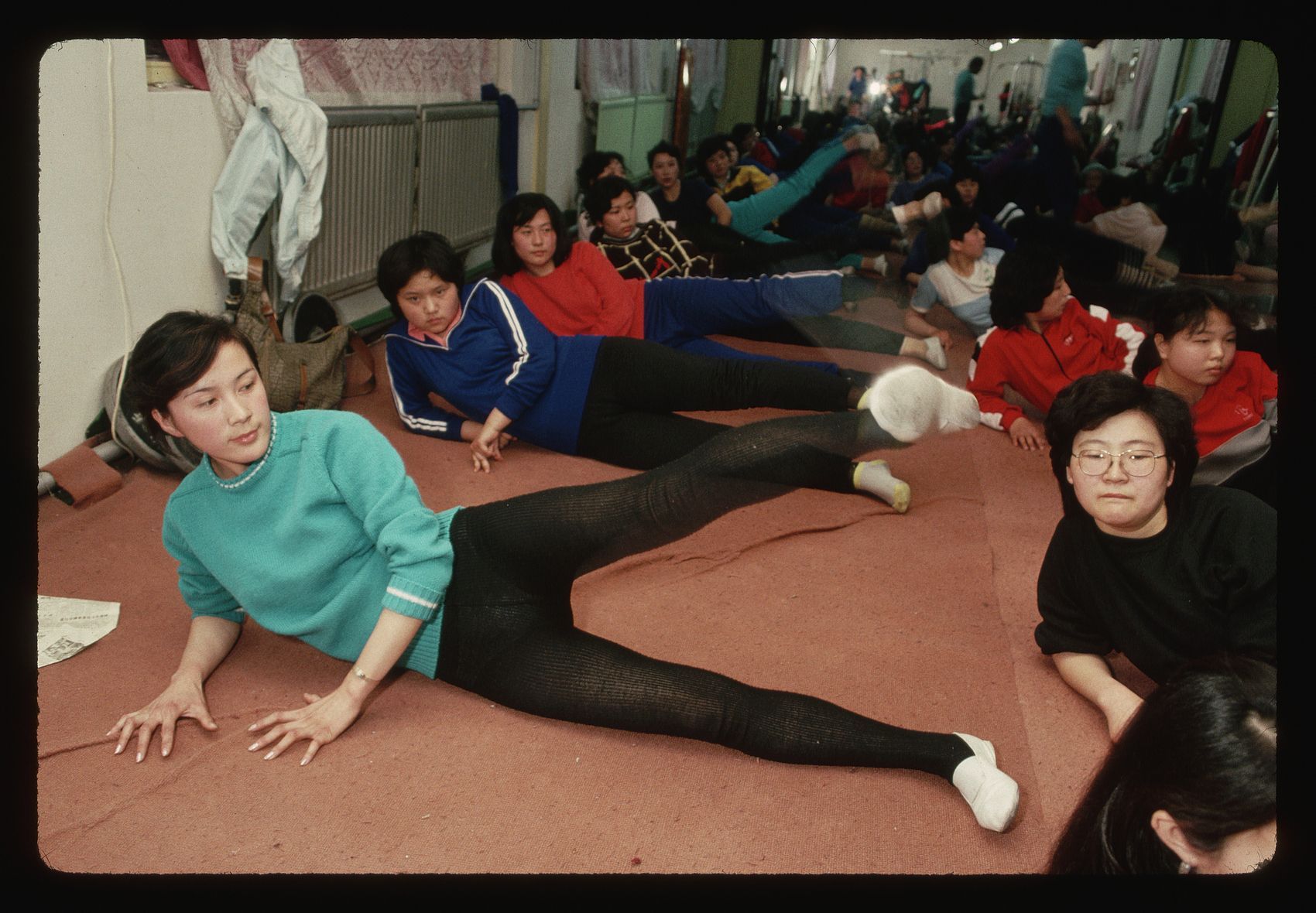
A group of women attending an aerobics class in Beijing in 1989 (Photo by Peter Turnley via VCG)
With the rise of disposable income, growing health awareness, and a boost from the publicity surrounding the 2008 Olympic Games, gyms and fitness clubs went through a rapid period of expansion across Chinese cities, increasing more than 100 times nationwide over two decades, from a few hundred in 2001 to over 38,000 in 2025.
Public health policies have also helped boost the sports and fitness industry. Under the “Healthy China 2030” national strategy launched in 2016, the State Council released the National Fitness Plan (2026 - 2030) this July, setting a goal of increasing the share of the population that exercises regularly to 40 percent, while raising the per capita area of sports facilities to 4 square meters. The plan also encourages the growth of grassroots sports events and fitness organizations.
“More people are becoming fitness-conscious than ever before,” Wang Bin, a gym coach in Beijing, tells The World of Chinese. He has seen all kinds of motivations among his members. Some want to reduce body fat. Others hope to correct posture problems, such as rounded shoulders, hunched backs, or strained necks—often the results of long hours in front of a computer. Still others start exercising after medical checkups reveal health issues such as a fatty liver or high cholesterol, prompting them to follow their doctors’ advice.
Wang also noted that more women seem to participate in workouts: “Most of our members are between 27 and 45 years old, and women make up around 60 to 70 percent.” Chen Xi, a Pilates rehabilitation specialist, has noticed the same trend. “Compared with men, women tend to pay more attention to their health and physique, and they’re generally more willing to try new forms of exercise,” she says. “Even at outdoor fitness events, I usually see more women than men.”
Liu Yisha’s fitness journey began with an invitation to be a bridesmaid. Watching the bride-to-be get in shape for the wedding made Liu realize, for the first time, that a person’s physique could be transformed through consistent effort.
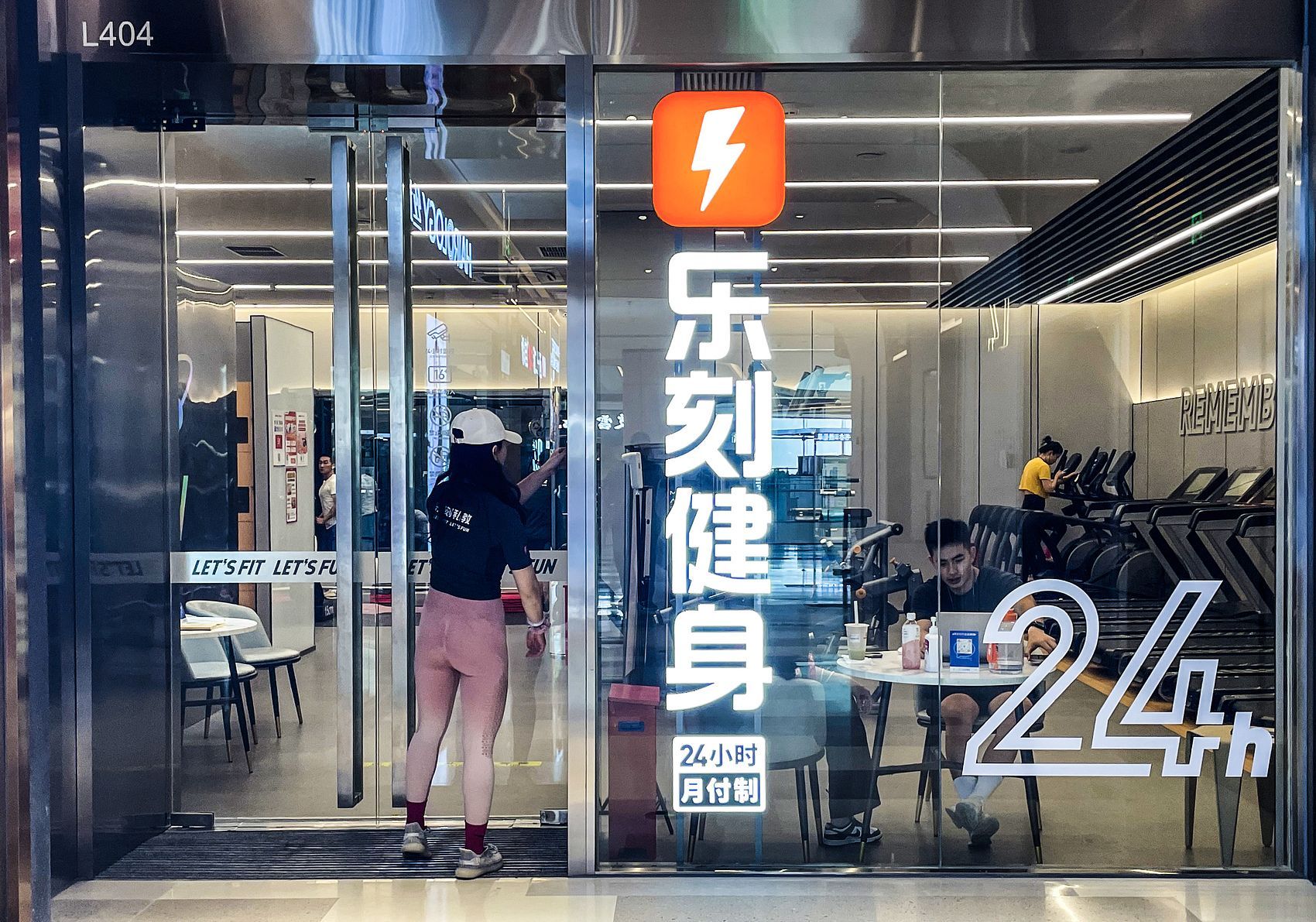
Twenty-four-hour gyms, strength-training gyms dedicated to free weights and resistance equipment, and women-only fitness studios are seeing rapid growth in recent years (VCG)
But once fitness becomes part of a person’s everyday life, appearance is rarely the only reason they continue. Many discover that one of exercise’s greatest rewards is the sense of focus, discipline, and control it brings.
“Exercise has helped me reconnect with my body and given me a renewed sense of control over my well-being,” says Xia Yuting, a 30-year-old fitness enthusiast living in Beijing. When playing tennis, she describes being fixated entirely on the ball in front of her, leaving no room to dwell on anything else. That state of complete immersion allows her to step away from everyday worries, replacing them with a sense of joy and calm.
Working out together
Living through the pandemic, many people in China developed a strong desire to spend more time outdoors—a shift that helped fuel a wave of sports combining fitness, social interaction, and lifestyle appeal. Camping on the outskirts of cities and even in city parks, for instance, has become a craze among travel-starved urbanites in 2020. Around 2021, ultimate frisbee surged in popularity in China’s major cities as a novel blind-dating activity.
The social element, particularly the opportunity to post on social media, has become a key driver of many recent sports and fitness trends. In the past year, Hybrid Fitness Race, or HYROX, which combines running with functional workouts, took Chinese social media by storm. On Douyin, China’s version of TikTok, the topic #hyrox has accumulated over 1.2 billion views.

HYROX’s event in Beijing drew over 8,000 participants this March (VCG)
A globally standardized competition designed specifically for gym-goers, HYROX alternates between 8 kilometers of running and eight functional fitness workouts, such as squats, pushes, pulls, and jumps. The race’s low technical barrier has quickly attracted a large following, many of whom are drawn to its team events, which turn training from a solitary grind into a social experience. The race’s first China event took place in Beijing in 2024 with less than 2,000 participants. It has now grown into a series of cross-city events, attracting over 8,000 participants at the August race in Chengdu this year.
Part-time fitness instructor Liu Yisha first learnt about HYROX from a friend and joined a March race in Beijing. During the most intense phase of her training, she worked out six days a week, with two 90-minute sessions each day. “There’s this continuous sense of progress and positive feedback, which makes it gratifying.” Recalls Liu, “Another thing is the social aspect of the race. You can team up with friends, train together, or go watch your friends compete. The whole process is just really fun.”
The appeal of HYROX goes beyond the competition itself. Professional photographers are often on hand, capturing high-quality photos and videos. Participants also get to show off their fashionable workout outfits and latest gear—from compression pants and stylish sneakers to high-end running watches.
“Compared with events like marathons, HYROX has a stronger social appeal and is more ‘camera-friendly,’” Lü Haoyi, a fitness club owner in Chongqing, told the local newspaper Chongqing Daily in August. “Fitness enthusiasts aren’t just chasing results—they also want the emotional rewards that come from exercise,” Lü attested to the race’s increasing popularity in the local fitness scene, noting that nearly 100 members from his club alone entered the Chengdu event in August.
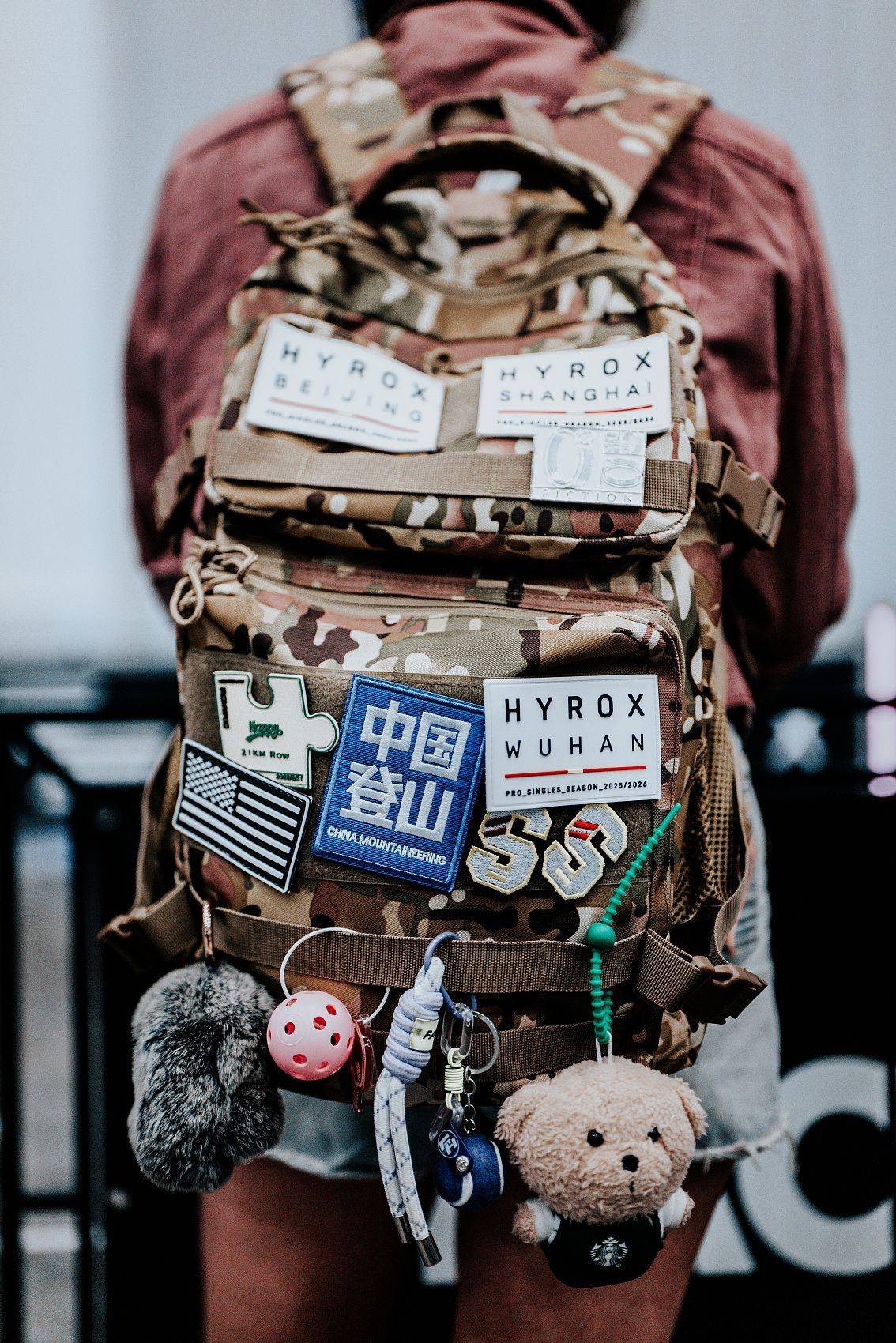
A sports and fitness fan shows off memorabilia from past events (VCG)
Beyond the fad
While social media has become an important gateway to learn about new sports—pickleball, paddleboarding, and urban cycling are just a few recent arrivals—whether each wave of popularity can develop into lasting pursuits remains uncertain.
Back in 2021 and 2022, ultimate frisbee was a go-to activity among urban youth, with parks and football fields crowded with players and hundreds of new clubs springing up. Xiaohongshu even announced it would provide over 100 million views in traffic support for competitive ultimate frisbee content. But the trend swiftly died down the following year, with fans moving on to the next fad.
Commercial interests are often behind the constant search for the next “it” sport, with profits to be made from participation and franchise fees, gear and accessories, merchandise, and sponsorships.
Take HYROX, for example: signing up as an individual competitor costs around 800 yuan, nearly four times the entry fee for a marathon. To prepare for the race, participants can also join training courses that cost around 100 yuan per session, while specialized race gear can run into the thousands of yuan. Even if you are only there to cheer on a friend on race day, an audience ticket still costs around 80 yuan. The event’s professional photography service also comes at an additional cost. HYROX also partners with gyms around the country, charging a licensing fee. Its latest sponsors at the Chengdu event include e-commerce giant Taobao and ride-hailing app DiDi. Behind the latest fitness sensation is a well-developed business model.
Since brands also have every incentive to join the fitness boom, many social media posts exist to market sports products—sometimes clandestinely—encouraging newcomers to spend money on gear before knowing whether they will stick with the sport.
Another downside of social media is that it often promotes unattainable physical ideals. A 2023 study in the Journal of Eating Disorders found that fitness-related “body challenges” on Douyin often negatively impact viewers’ body image. Comments on such posts are often found to praise thinness and promote dieting.
But for devoted fitness enthusiasts like Xia, social media is only the starting point. Other people’s posts may inspire her to try a new sport, she says, but whether she sticks with it ultimately depends on something much simpler: whether it suits her body, her lifestyle, and her personal interests.
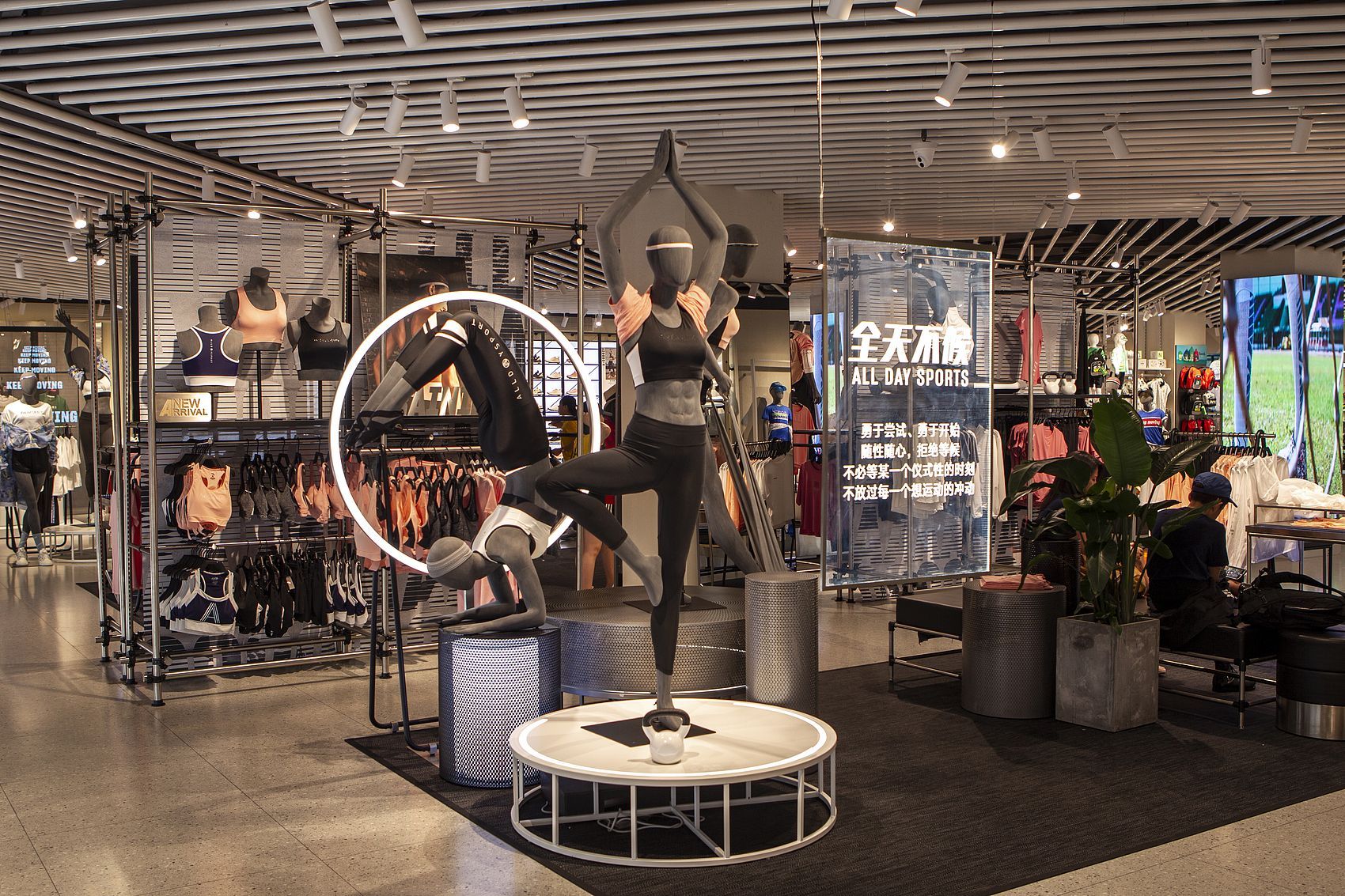
China’s sportswear and footwear market has grown steadily since 2021, according to a 2026 report by market research firm iiMedia, reaching 598.9 billion yuan in 2025 and projected to grow by about 50 percent by 2030 (VCG)
As a rehabilitation specialist, Chen offers advice for those looking for a sport that might work for them: start with what genuinely interests you and explore different activities before settling on one.
Chen is also quick to caution that when it comes to exercise, more is not always better. Overtraining and poor technique can do more harm than good, turning healthy habits into physical and mental strain. For example, excessive running, especially with improper form, can result in injuries that make even walking painful. For people who spend long hours sitting at a desk or frequently stay up late, intense workouts can also increase the risk of arrhythmia and place additional stress on the heart, she says.
For now, HYROX is still Liu’s biggest focus. She continues to enjoy the progress she’s made through training, and she’s already looking ahead to next year’s HYROX World Championships in Hong Kong. With the new season expected to attract more than 2 million participants worldwide—with only the top 0.5 percent qualifying for the championships—her goal is clear: to earn her place among the sport’s elite.
For Xia, meanwhile, work has taken priority, and she has deliberately reduced her workouts to avoid pushing herself too hard. Even so, she’s a long way from becoming a couch potato. “I won’t quit exercising. The thing is, I’m so busy that I can only do one or two different sports each week.”
- Additional reporting by Liu Jue (刘珏)
Related Articles