


Zheng Binjie has driven almost daily along Guanggu Avenue, an arterial road in Wuhan dotted with sports venues. Among these are the striking Lingjiashan soccer field and 66 Sports Park, opened in 2021 and 2022 respectively, their facilities nestled dramatically beneath two of the city’s overpasses, embedded in the urban landscape along the route.
Both venues are located just kilometers away from Zheng’s apartment and planted the seeds for his aerial photography series “Sports Grounds in the City.” Yet it wasn’t until the second half of 2022, when the then 24-year-old local started his project, that he discovered, with the help of a drone and a satellite map, many more such spots around the city. “The number of sports venues has increased, and the facilities have improved,” Zheng told TWOC while chatting via WeChat this August. “Major events like the Wuhan Marathon, Yangtze River Crossing Festival, and Wuhan Open have also become major calling cards for the city.”
For Zheng, an international-trade-salesperson-turned-photographer, shooting sports venues and scenes in Wuhan has become a way to document the social changes taking place in the city. As one of China’s largest treaty ports at the time, Wuhan was among the first Chinese cities to embrace tennis in the late 19th century, and it remains one of the city’s most popular sports. After renowned Chinese tennis player Zheng Qinwen, a Hubei local who trained in Wuhan, won gold at the Paris Olympics in 2024, for instance, he found that several basketball courts he had previously shot on had been replaced by tennis courts.
Since 2021, Hubei’s provincial capital has built or upgraded 30 sports parks and 208 community sports centers to improve public access to sports facilities. Over a decade ago, the General Administration of Sport set a national goal of a “15-minute fitness circle” in cities, a network of public fitness facilities that residents can reach within 15 minutes on foot or by bike from their homes. Wuhan has gone a step further, bringing that time down to 12 minutes, according to local newspaper Changjiang Daily. Zheng himself regularly plays at public courts and stadiums at nearby universities, noting that residents can also use sports facilities at most of the city’s more than 80 colleges and universities.
The past decade has witnessed similar changes across China since the country made “fitness for all” a national health strategy in 2014. Sporting events have also helped attract tourists from across the country and beyond. Wuhan hosts an average of more than 2,000 sporting events each year, including the Yangtze River Crossing Festival, a swimming competition commemorating Chairman Mao Zedong’s last time swimming here at the age of 73. The 51st edition, held in July this year, drew more than 2,000 professional and amateur participants from around the world.
While the positive impacts of the national fitness drive became a central theme in Zheng’s project, other regulatory changes have posed challenges for aerial photographers like him. In early 2024, China’s first comprehensive national regulation governing drones took effect. Among other measures, it requires civilian drones to be registered under their owners’ real names and advance permission for certain flights, while setting 120 meters as the maximum altitude for ordinary flights.
While some have lamented the effects of these changes on opportunities for drone photography, Zheng is willing to adapt. He plans to adjust his work as policies change and explore new ways of expression, such as focusing on people and their relationship with their surroundings at venues around Wuhan.
Last May, he photographed the Hubei Speed Roller Skating Open at Hubei University of Education, operating within the allowed height limit to capture the scene. When sharing an image of the young skaters on Xiaohongshu (RedNote), he encapsulated his approach, as well as the moment itself, writing: “The sunlight was just right, the movements were just right, and the shadows looked like dancing souls.”
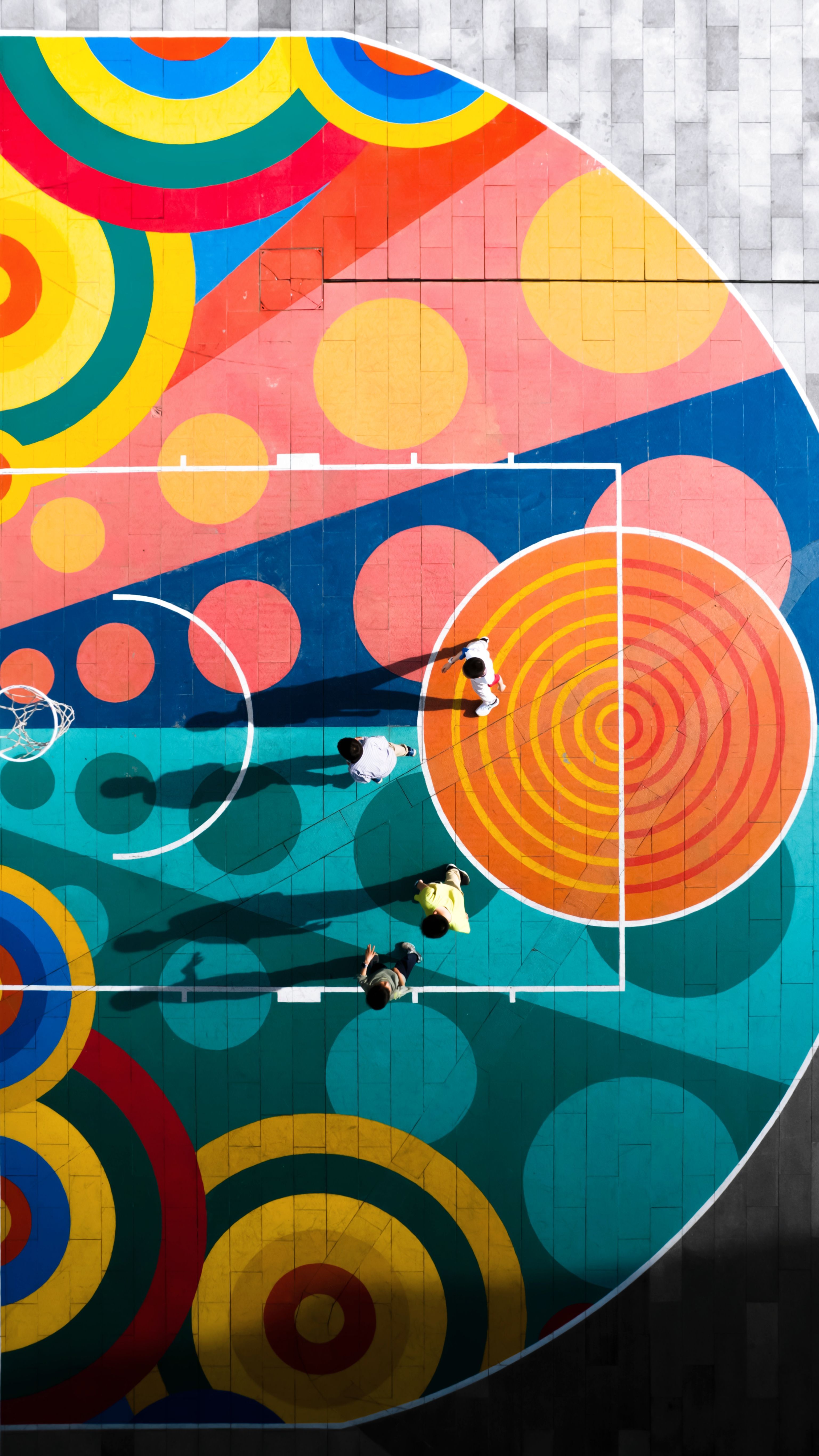
A colorful basketball court sits in a commercial block in Wuhan’s East Lake High-tech Development Zone. Unfortunately, the concrete surface doesn’t make for a good playing experience, according to Zheng.
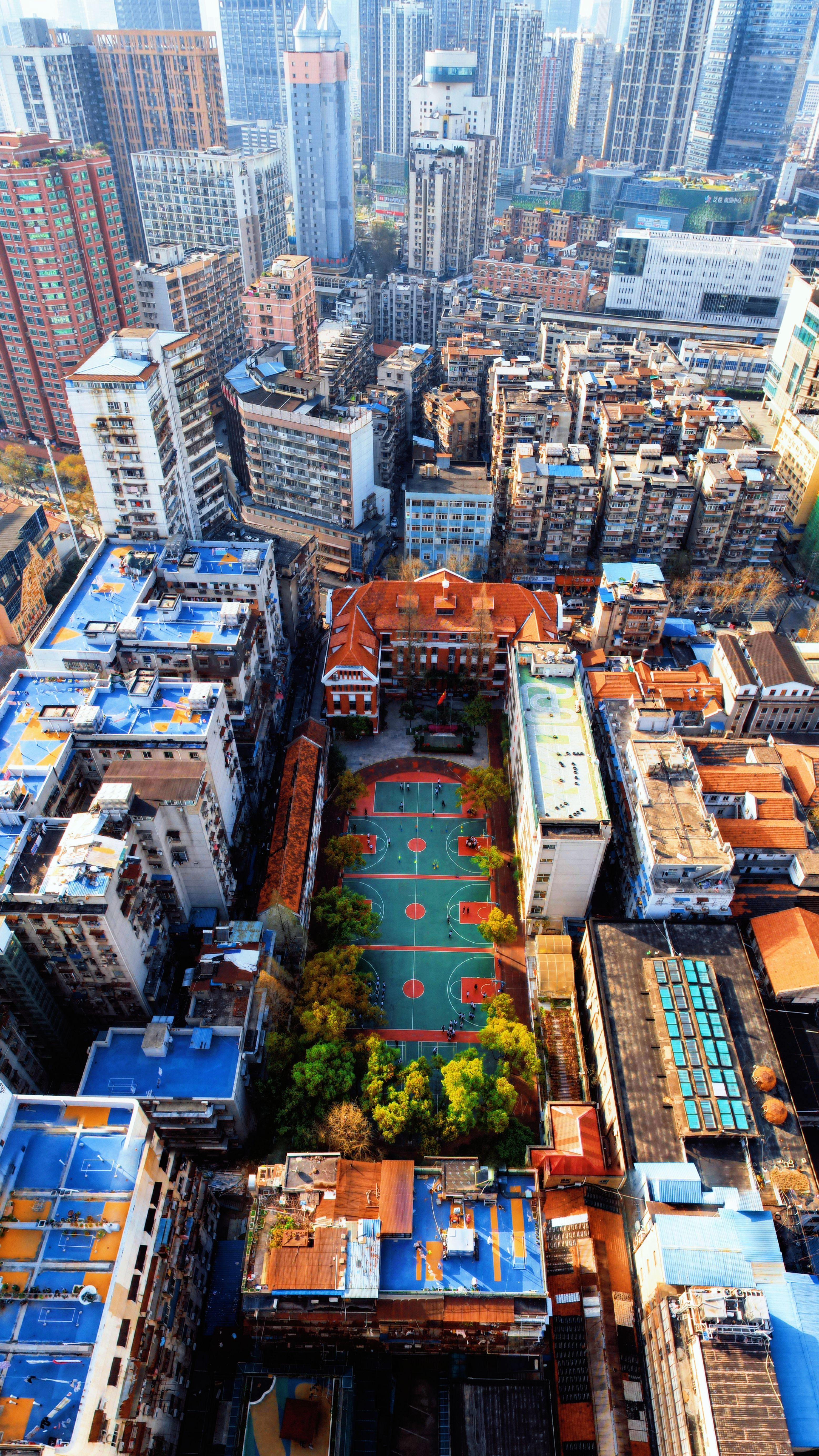
The green-and-orange basketball courts of Wuhan No.19 High School stand out against the muted pallet of the surrounding city
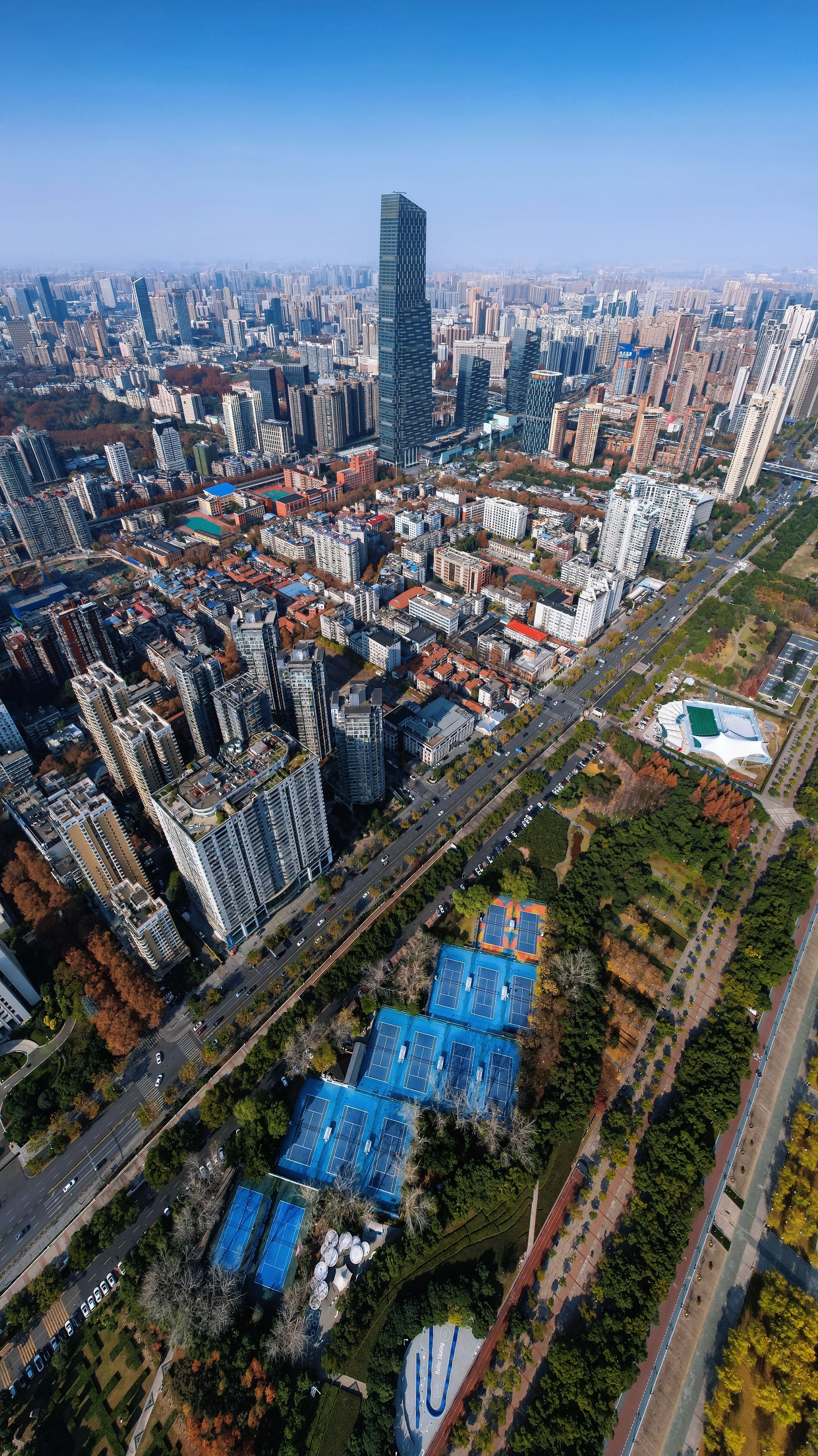
On the western bank of the Yangtze River in Wuhan lie 14 newly renovated tennis courts. Zheng Qinwen’s gold medal at the 2024 Paris Olympics sparked a new tennis craze across the city.
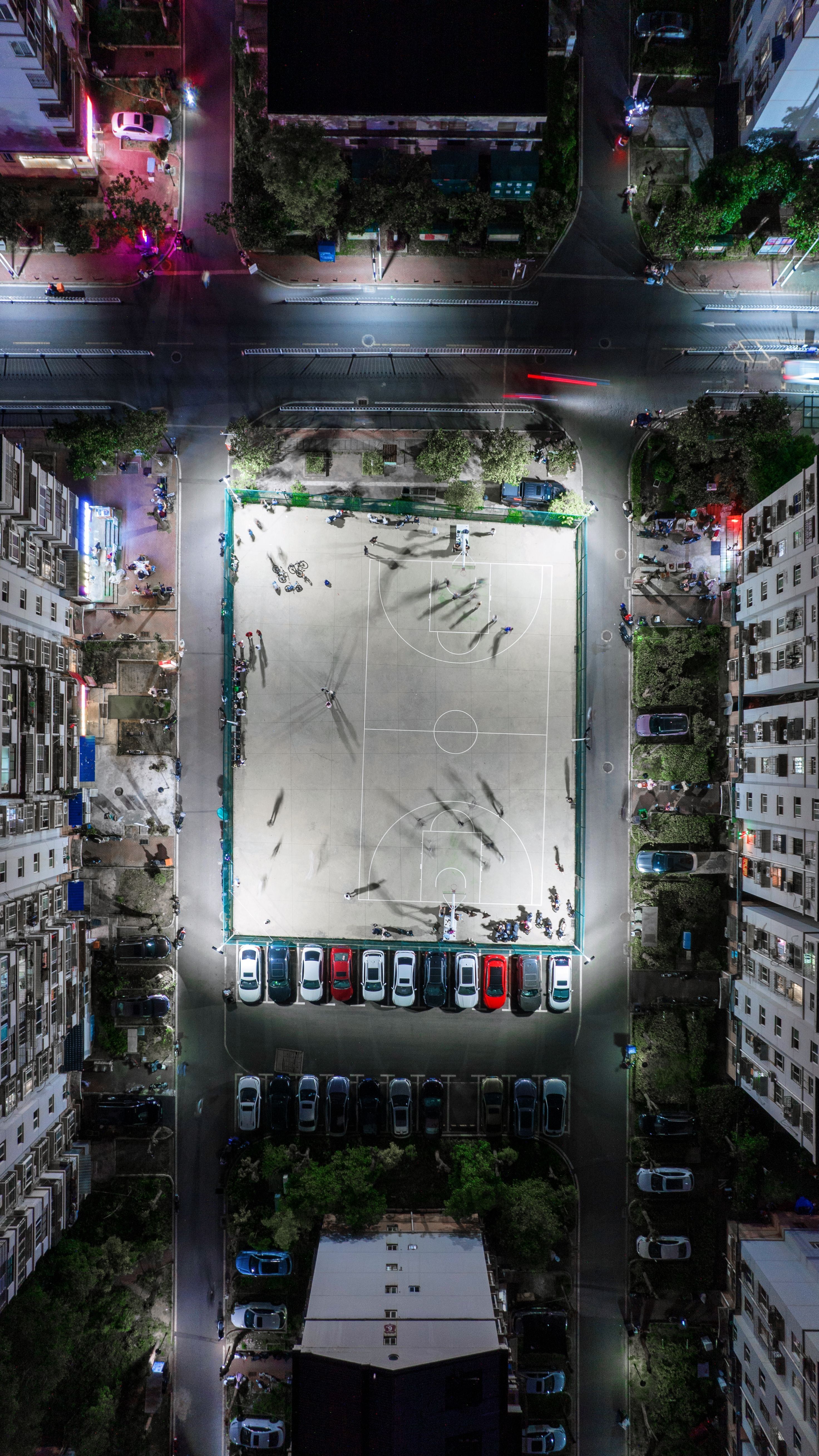
A typical community basketball court set among residential buildings and parking lots
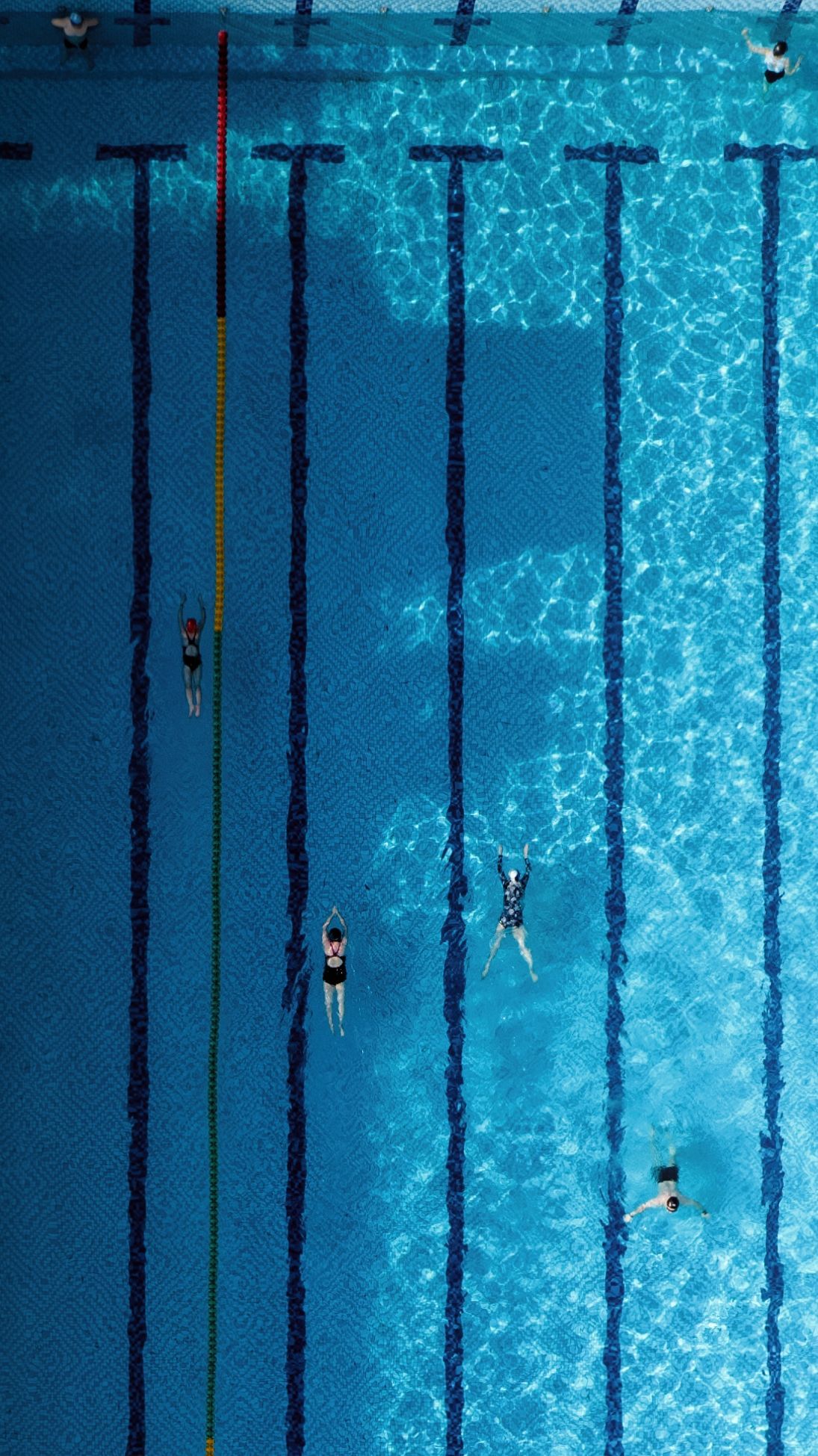
Swimmers take a few laps in the outdoor pool at Wuhan University in the early morning to avoid the summer heat
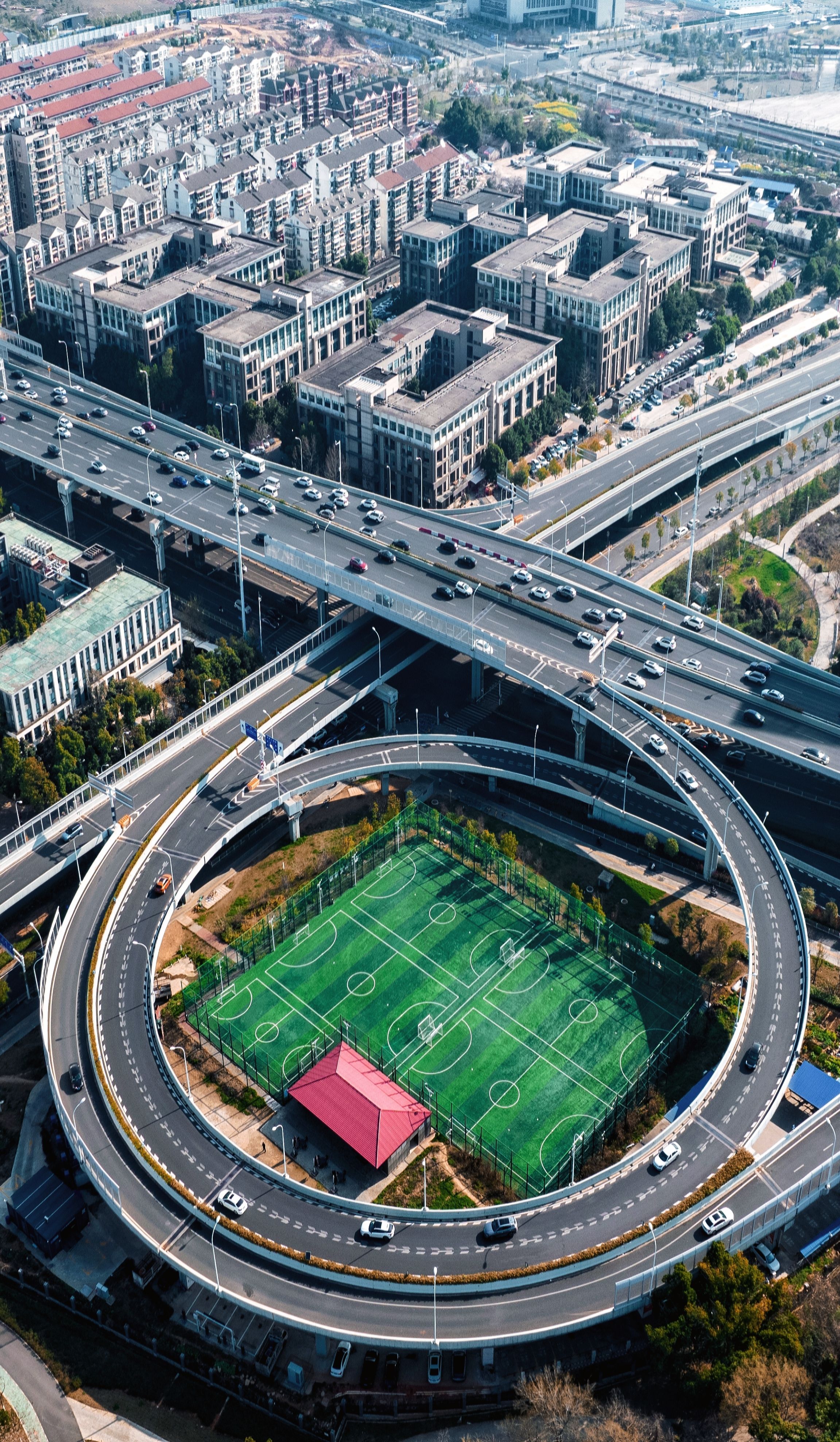
Zheng used satellite maps to identify new locations for his aerial photography series, including the Lingjiashan Soccer Field tucked inside a circular highway ramp
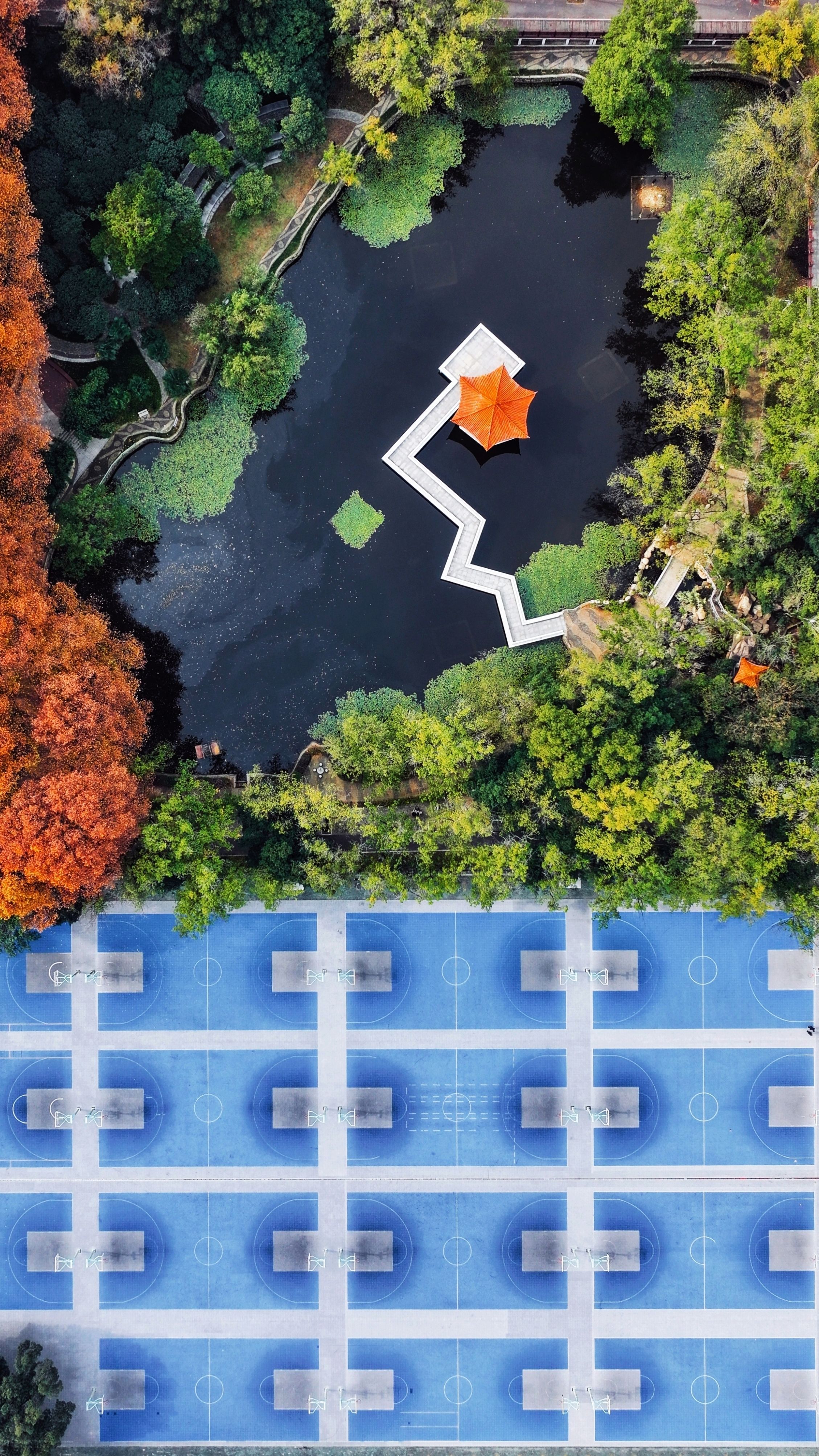
Basketball courts sit neatly beside a pond on the campus of Huazhong University of Science and Technology, whose extensive indoor and outdoor sports facilities are equipped to host major international sporting events
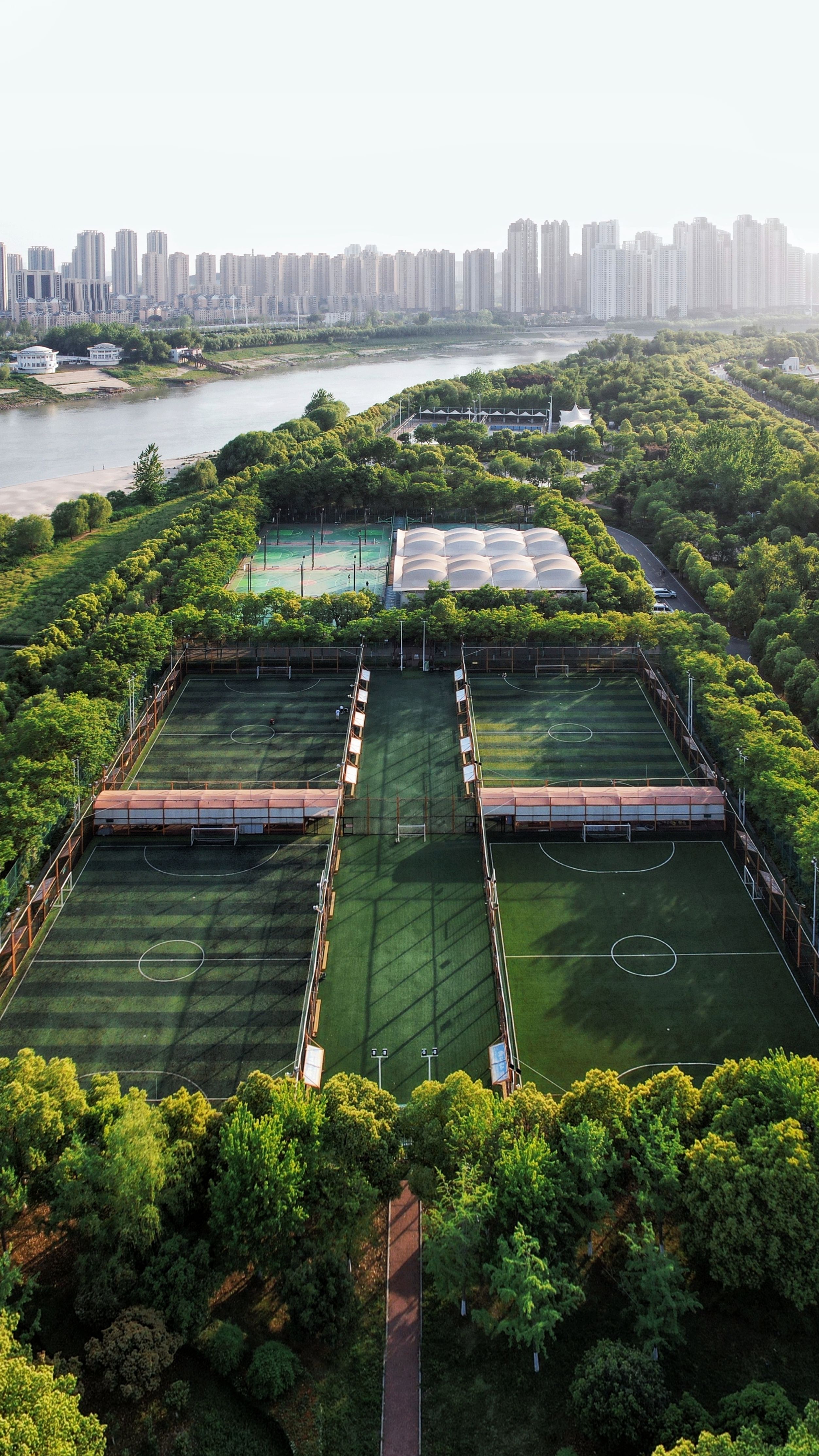
The Hanjiang Bay Sports Park sits on the northern bank of the Hanjiang River, which runs through Wuhan from west to east, and comprises more than 50 sports venues. It is one of the city’s 30 sports parks built or renovated since 2021.
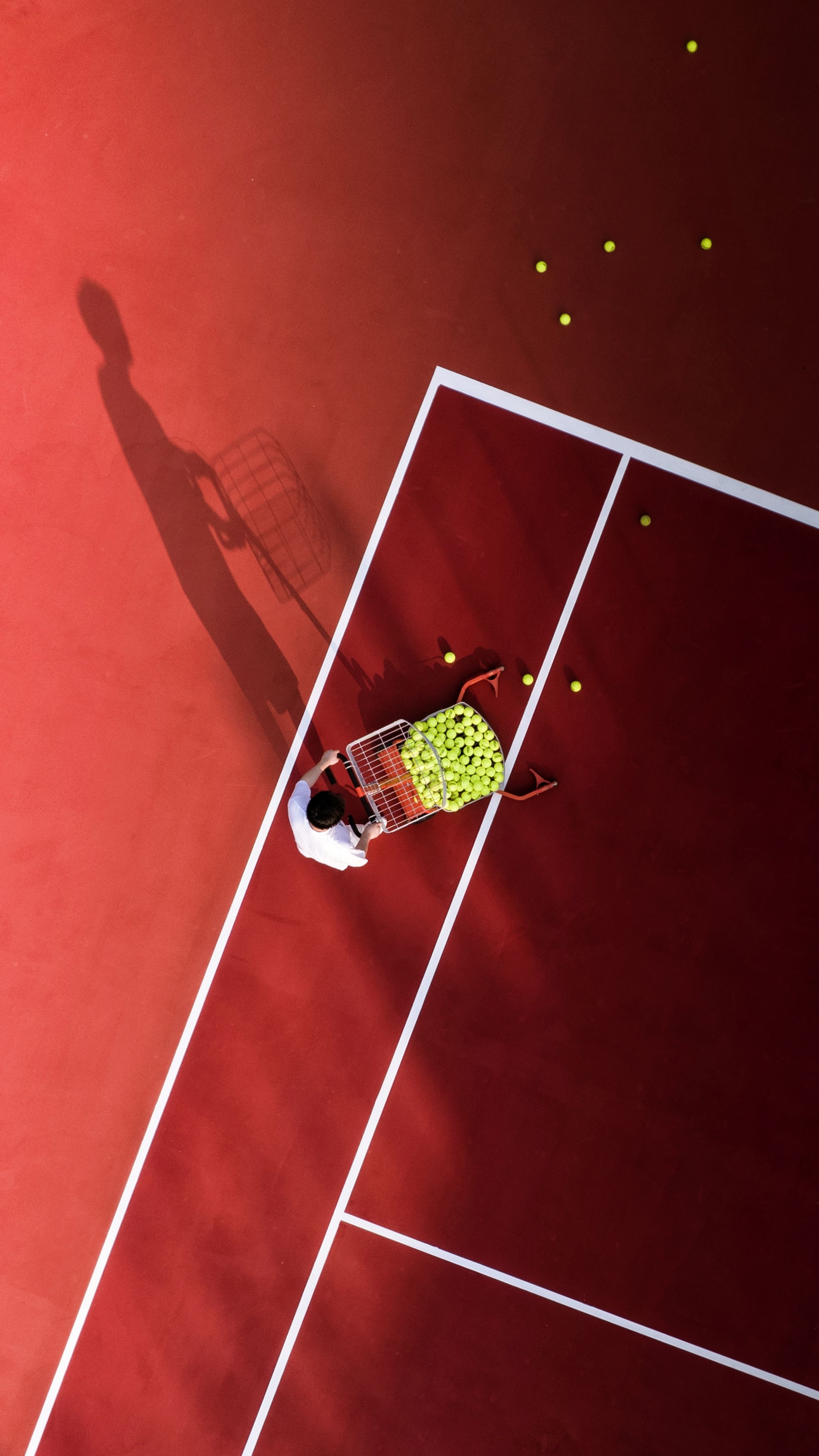
Zheng’s images pay increasing attention to people as they interact with their surroundings at sports venues. He particularly appreciates the moment players notice his drone and wave to say hello.
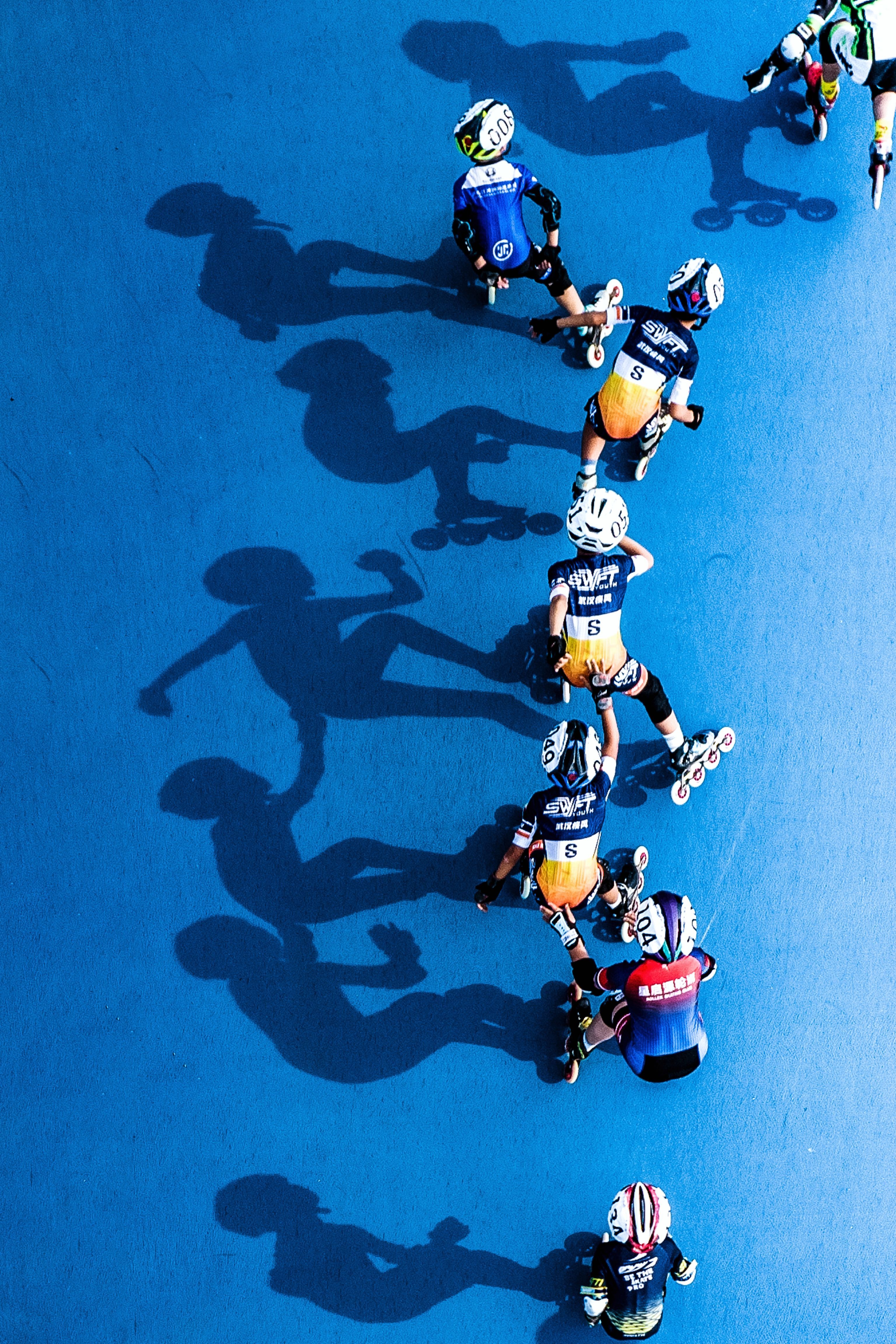
Children race during the Hubei Speed Roller Skating Open at Hubei University of Education last May, as light and shadow play across the track
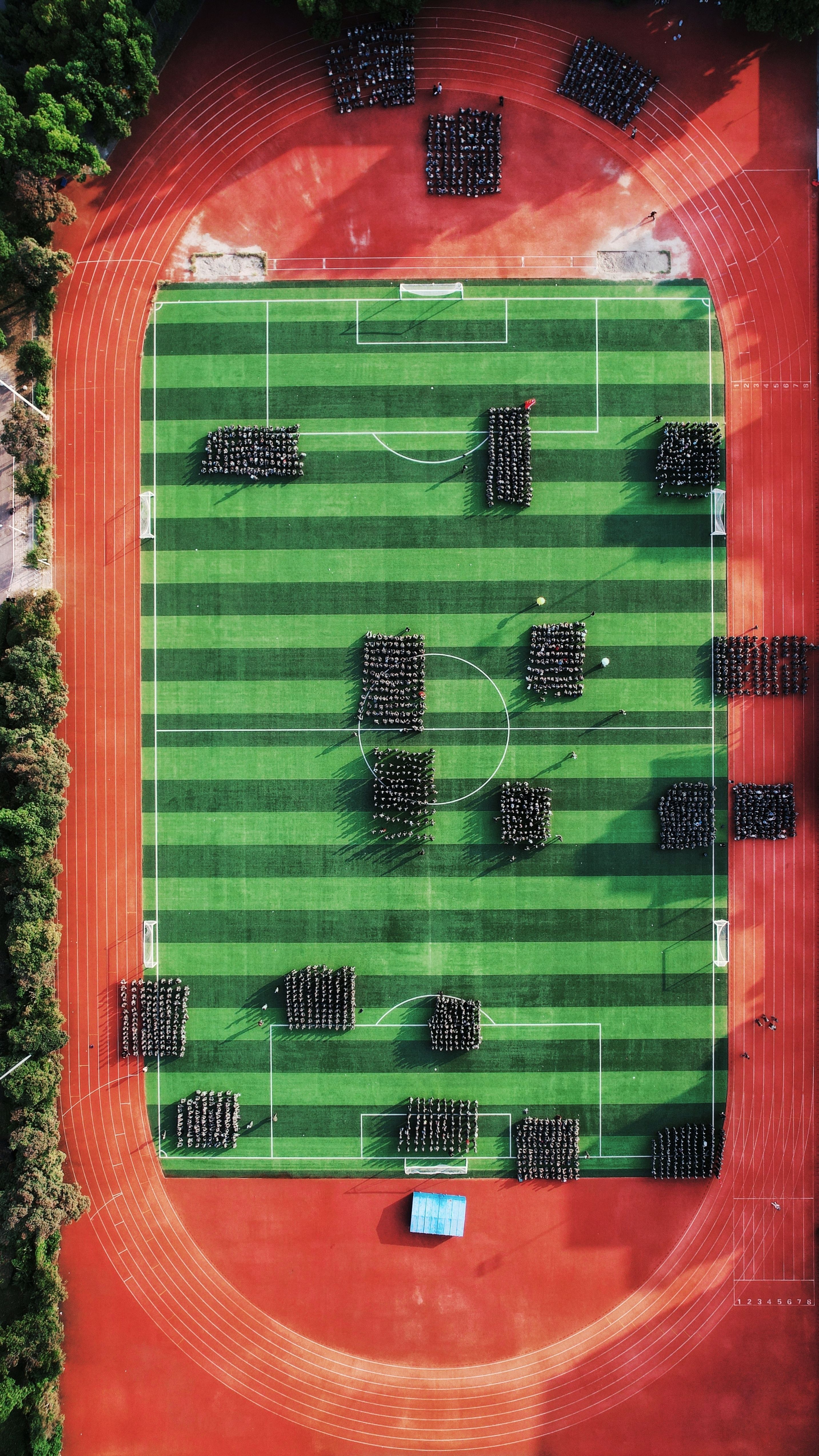
Freshmen at Hubei University of Education kicked off college life with weeks-long “military training” on their campus sports field last September, a practice widely adopted by universities and some high schools across the country since the early 2000s
Related Articles