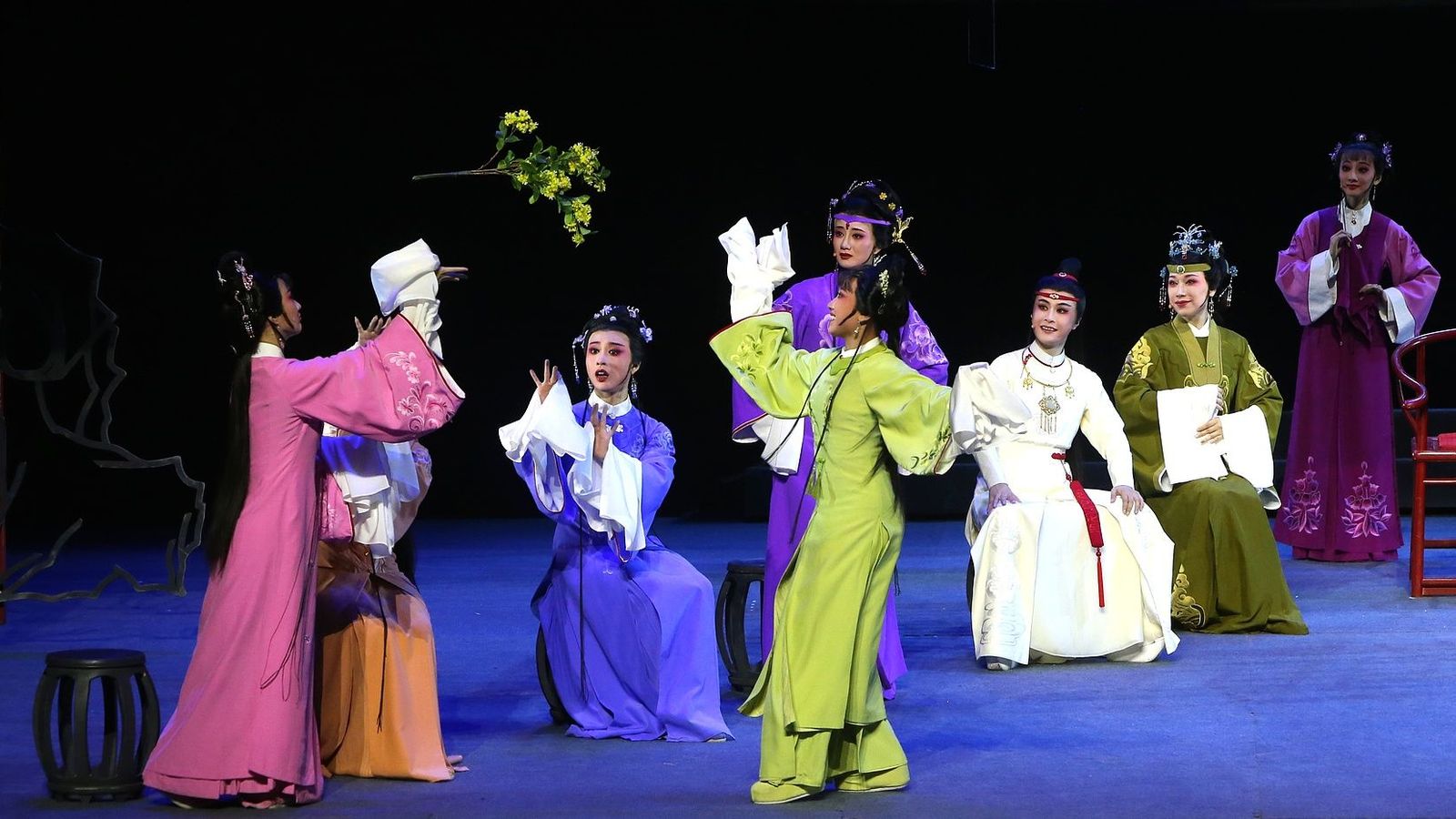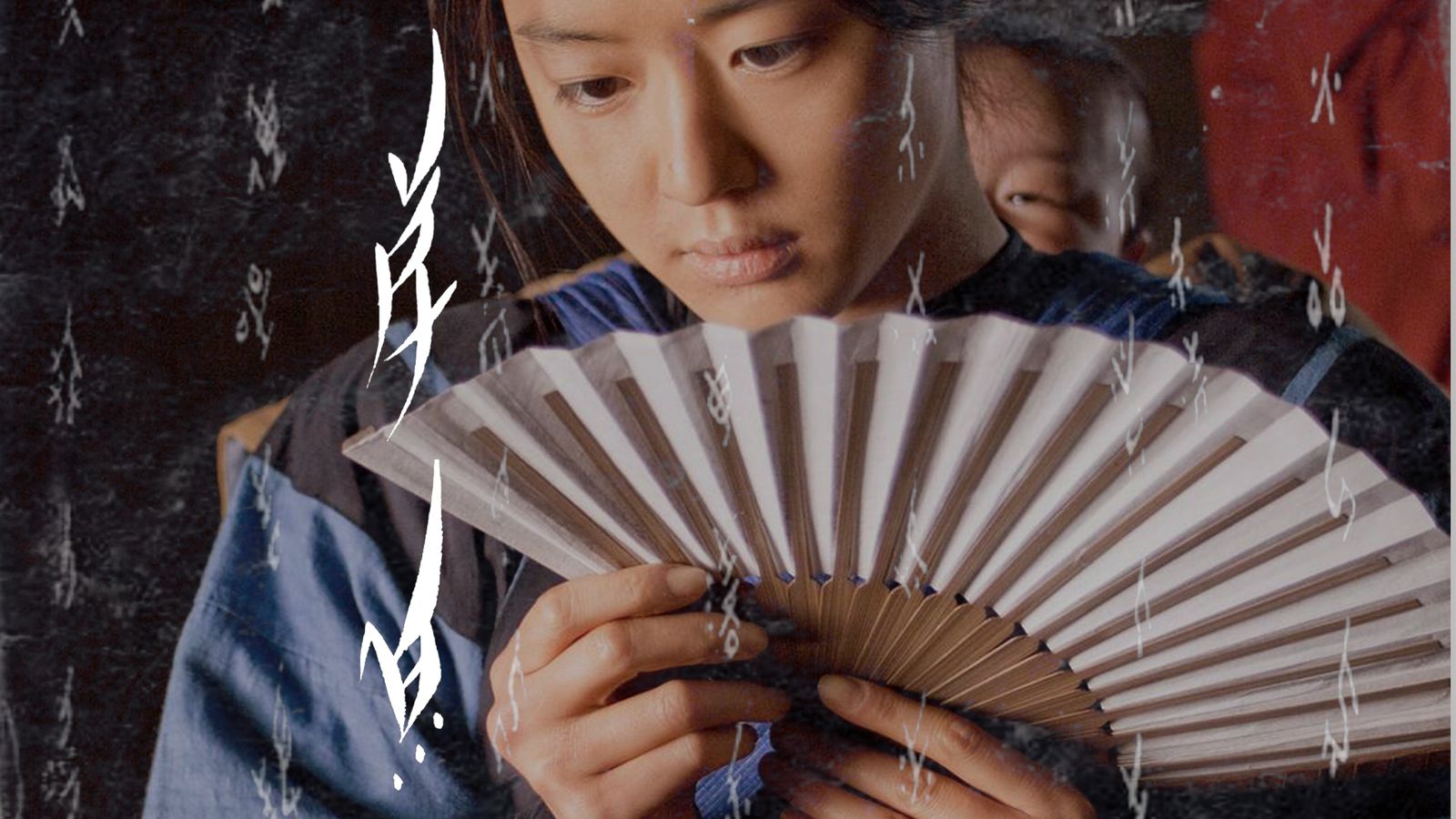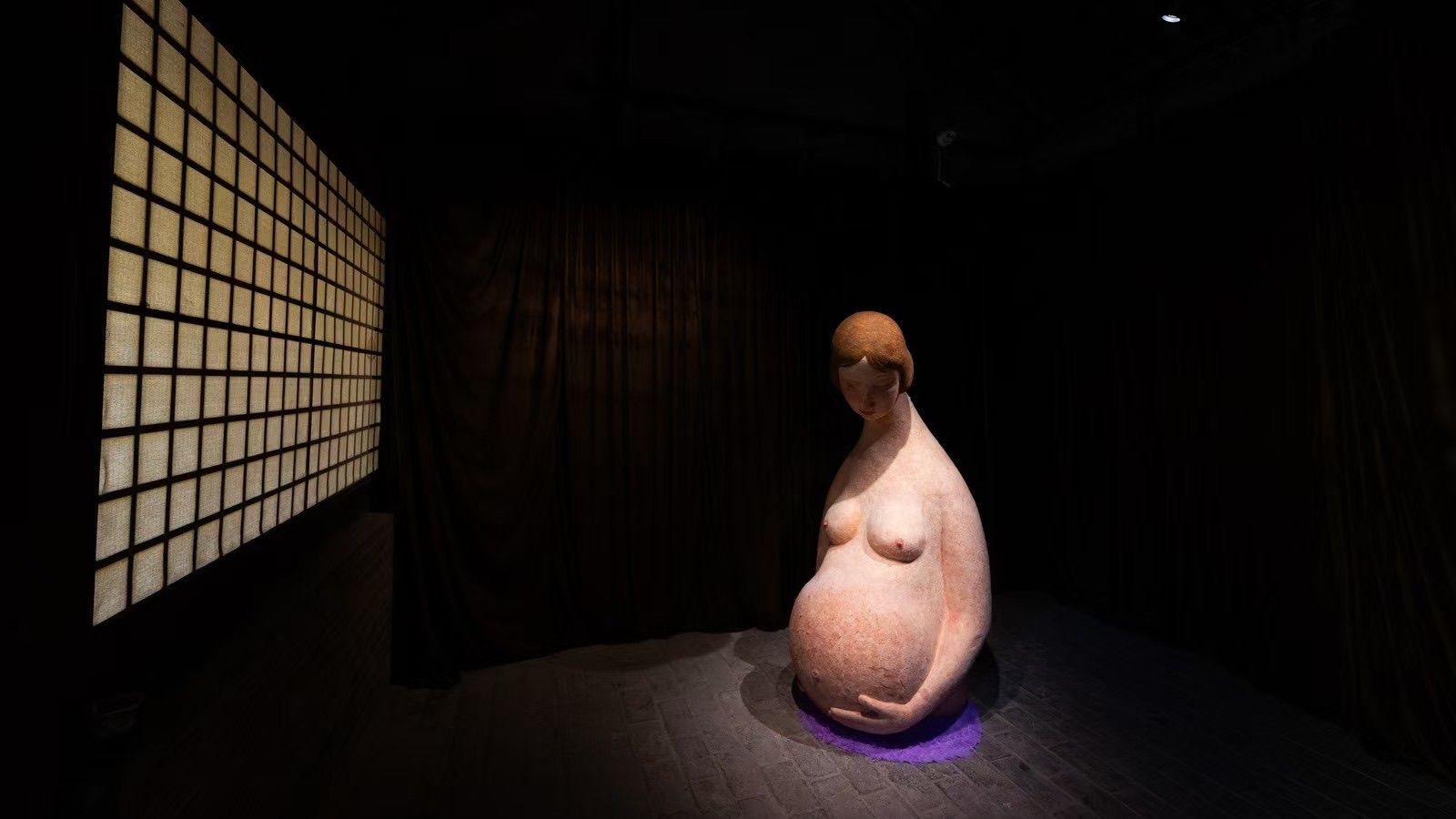
China has experienced a notable feminist cultural shift in recent years, with young women increasingly embracing feminist ideas—even as many still struggle for recognition in their careers and family lives. At The World of Chinese, we are committed to telling stories from women’s perspectives. Check out our collection of stories and reporting on Chinese women, from antiquity to the present day.
Modern Heroines


Women Who Defied History
Uncover the lesser-know history of remarkable Chinese women and their impact on politicans, science, and culture


Female Stories in Motion
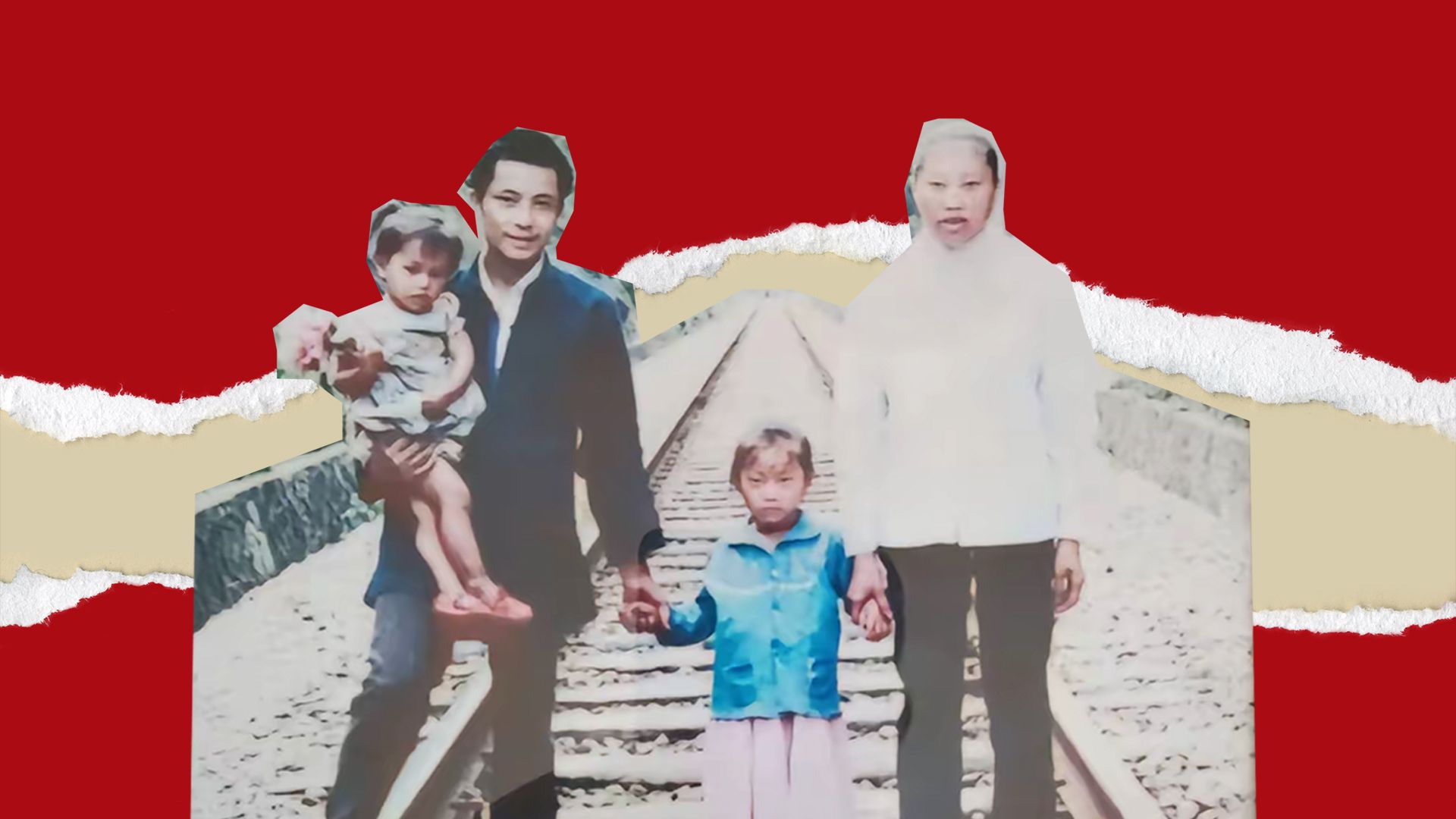
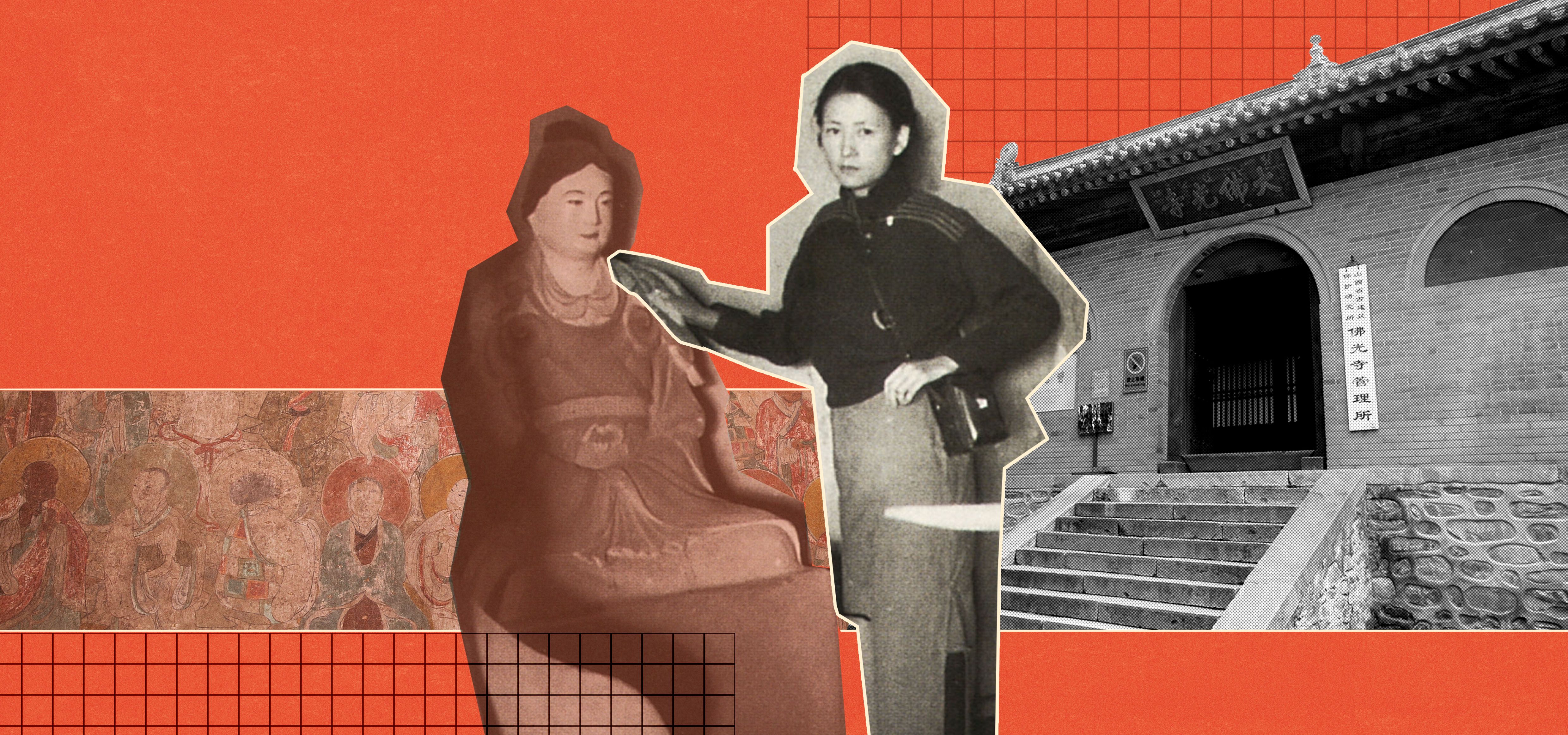
Female-centered video stories, from a pioneering female architect to a survivor of human trafficking
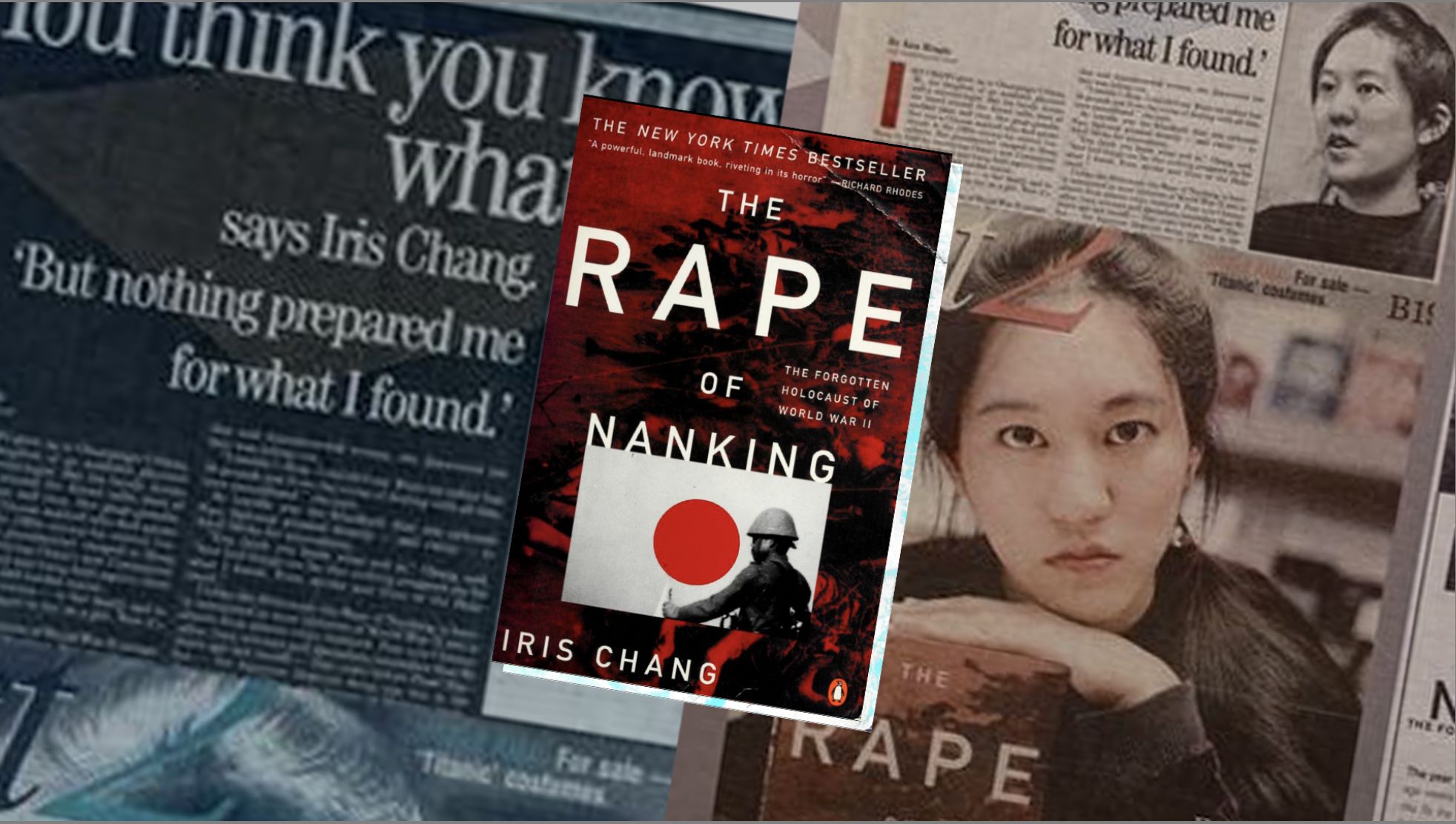
Feminism in Modern China
Explore the evolution of feminism in modern China and the women who drive it forward


Gender Idioms
Traditional perceptions of women have shaped our language, reflecting societal norms and gender expectations. Here are some examples to reflect on
Yue Fei’s mother tattooed the characters “Serve the country with the utmost loyalty” on his back. She has been praised for the patriotic education she gave to her son, the 12th-century military commander.
The idiom means “widely known” and literally translates to “known by everyone, including women and children.” In ancient China, women typically didn’t have access to education and rarely communicated with those outside their family.
“Love brain” is a slang term netizens have been using lately to describe the mindset of someone, often women, who is so madly in love that they can no longer make rational decisions regarding the object of their infatuation or their own life.
Learn how the slang term reflects modern views on independence and relationships
Women Through the Ages
Uncover the lesser-known histories of remarkable Chinese women and the challenges they faced


Women in Culture and the Arts
Discover the transformative voices of female authors, filmmakers, and artists shaping the cultural landscape