
Newsletter
Popular

  • Society
  • Life
  • Business
  • Language
  • History
  • Arts
  • Literature
Podcast
Video
Magazine

  • China
  • International

  • About Us
  • Our Team
  • Join Us
  • Contact Us
  • Pitch to Us
Follow Us
Newsletter
The World of Chinese logo
Sign In SUBSCRIBE
Popular
Topics
  • Society
  • Life
  • Business
  • Language
  • History
  • Arts
  • Literature
Podcast
Video
Magazine
Shop
  • China
  • International
About TWOC
  • About Us
  • Our Team
  • Join Us
  • Contact Us
  • Pitch to Us
Subscribe
Cart
TRAVEL

The Legends of Longjing Tea

Some of the finest tea in China grows in the hills next to Hangzhou's West Lake

    author Hatty Liu
Hatty Liu
May 19, 2021
longjing tea master-VCG211193285638.jpg
Photo Credit:

Every spring, in late March, the lush slopes of the West Lake region in Hangzhou come alive. Farmers in straw hats dot the tea fields, as the most precious Longjing must be picked in two short weeks before the Qingming Festival. Considered one of the finest types of green tea in China, West Lake Longjing, or “Dragon Well” tea, is known for its emerald color, sparrow tongue-shaped leaves, bittersweet taste, and rich aroma. An entire day’s work by a skilled tea picker yields only half a kilogram of tea after processing, contributing to its high price. Plentiful rainfall, humid air, moderate climate, rich soil, and hilly lands make this area perfect for tea cultivation, which goes back at least 1,500 years.

The China National Tea Museum, Shuangfeng Branch (中国茶叶博物馆双峰馆区) on Longjing Road is a nice first stop to gather all your tea facts. It is surrounded by the tea fields of Shuangfeng village (双峰村), one of the major tea producing communities of the region. Nearly all the families here are involved in the tea business, and visitors can see tea-makers processing the tender leaves in frying pans in their front yards.

The Longjing Temple (龙井寺), located in a village of the same name southwest of West Lake, is where the Longjing legend began. The eponymous Dragon Well is located inside. It’s said that, once upon a time, Hangzhou experienced a severe drought, but this well (井 jǐng) remained active. Local people believed this was due to a dragon (龙 lóng) that lived inside, giving rise to the name “Longjing.”

In Longjing village, you can drink authentic Shifeng Longjing (狮峰龙井), the most premium of the five varieties of the tea. If you want high quality Longjing to take home and don’t mind a trip to the tea gardens, buying tea in farmers’ houses is recommended. In several large tea producing areas like Meijiawu village (梅家坞村) and Longjing village, you can visit the fields, watch the tea-roasting process, and bring freshly-fried leaves home.

Cover image from VCG


Excerpt taken from Rolling in Zhejiang, TWOC’s new booklet on tourism and language in Zhejiang province available in English, French, German, Russian, Korean, and Japanese. Get your digital copy today from our WeChat Store or iTunes Store!
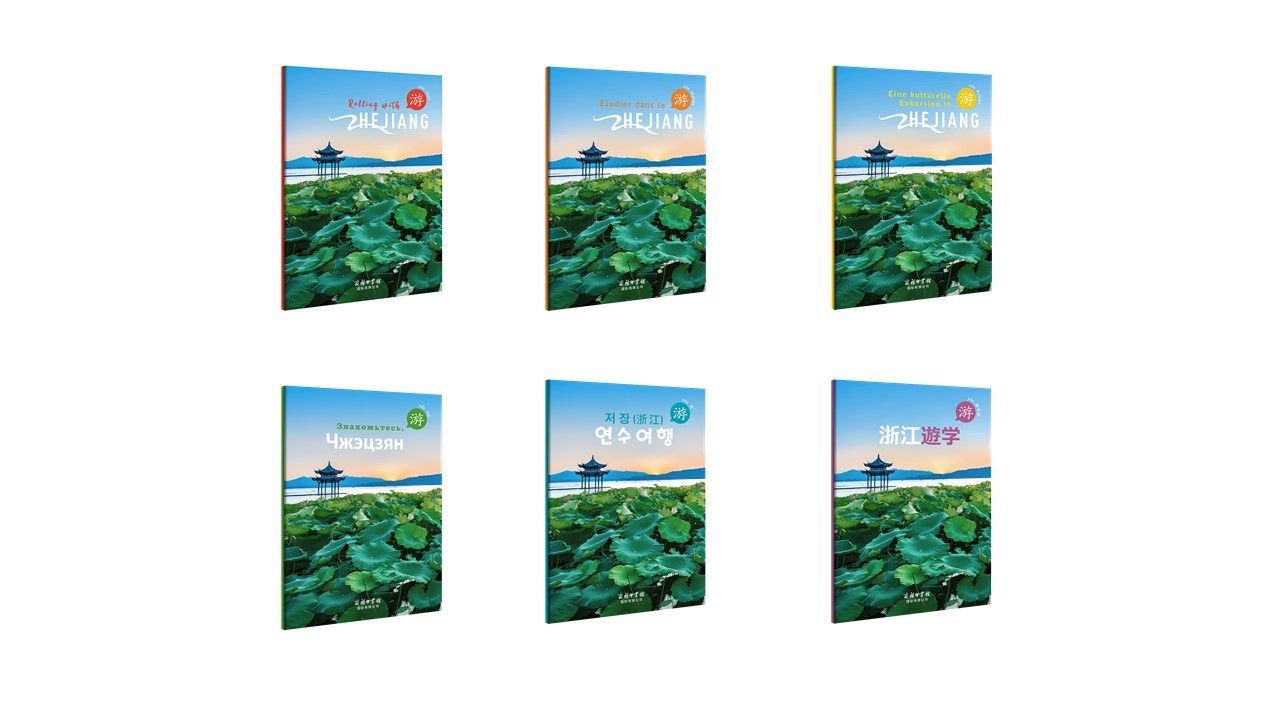
Rolling with Zhejiang, tourism, cultural, language guide to Zhejiang province, China
Tags:
SEASONAL DRINKS TOURISM ZHEJIANG PROVINCE HANGZHOU

Related Articles

Tourists on escalator in China painless tourism
TRAVEL

Peak Convenience: The Rise of Painless Hiking

Feature story_When Heritage Goes Viral_
TRADITIONAL CULTURE

When Heritage Goes Viral

Chinese influencers Guochao trend
TRADITIONAL CULTURE

How China Turns Intangible Heritage Into Tangible Returns

Young Chinese travelers in Russia
TRAVEL

Going North: How Russia Became the New Frontier for Young Chinese Travelers

Related Articles

Tourists on escalator in China painless tourism
TRAVEL

Peak Convenience: The Rise of Painless Hiking

From cable cars to mountain escalators, China’s scenic areas are catering to tourists who want nature, relaxation, and good views without breaking a sweat

Feature story_When Heritage Goes Viral_
TRADITIONAL CULTURE

When Heritage Goes Viral

Explore how traditional arts and crafts are finding new ways to connect with modern audiences in our latest issue

Chinese influencers Guochao trend
TRADITIONAL CULTURE

How China Turns Intangible Heritage Into Tangible Returns

While many of China’s intangible heritage traditions are struggling to survive, recent commercialization efforts have helped to transform some into sustainable business enterprises by integrating them with tourism and product sales

Young Chinese travelers in Russia
TRAVEL

Going North: How Russia Became the New Frontier for Young Chinese Travelers

Seeking adventure off the beaten path, young Chinese travelers are increasingly heading to Russia—only to encounter a range of logistical hurdles, cultural barriers, and in some cases, fatal accidents

Subscribe to our newsletter

Scan to follow us on WeChat

Or add: Theworldofchinese

Topics

  • Society
  • Life
  • Business
  • Language
  • History
  • Arts
  • Literature
  • Photo Stories

Media

  • Magazines
  • Books
  • Podcasts
  • Videos

News and Events

  • Announcements
  • Events

About TWOC

  • About Us
  • Our Team
  • Join Us
  • Pitch to Us
  • Contact Us

PARTNERS

© THE WORLD OF CHINESE | 京ICP备05007371号-7