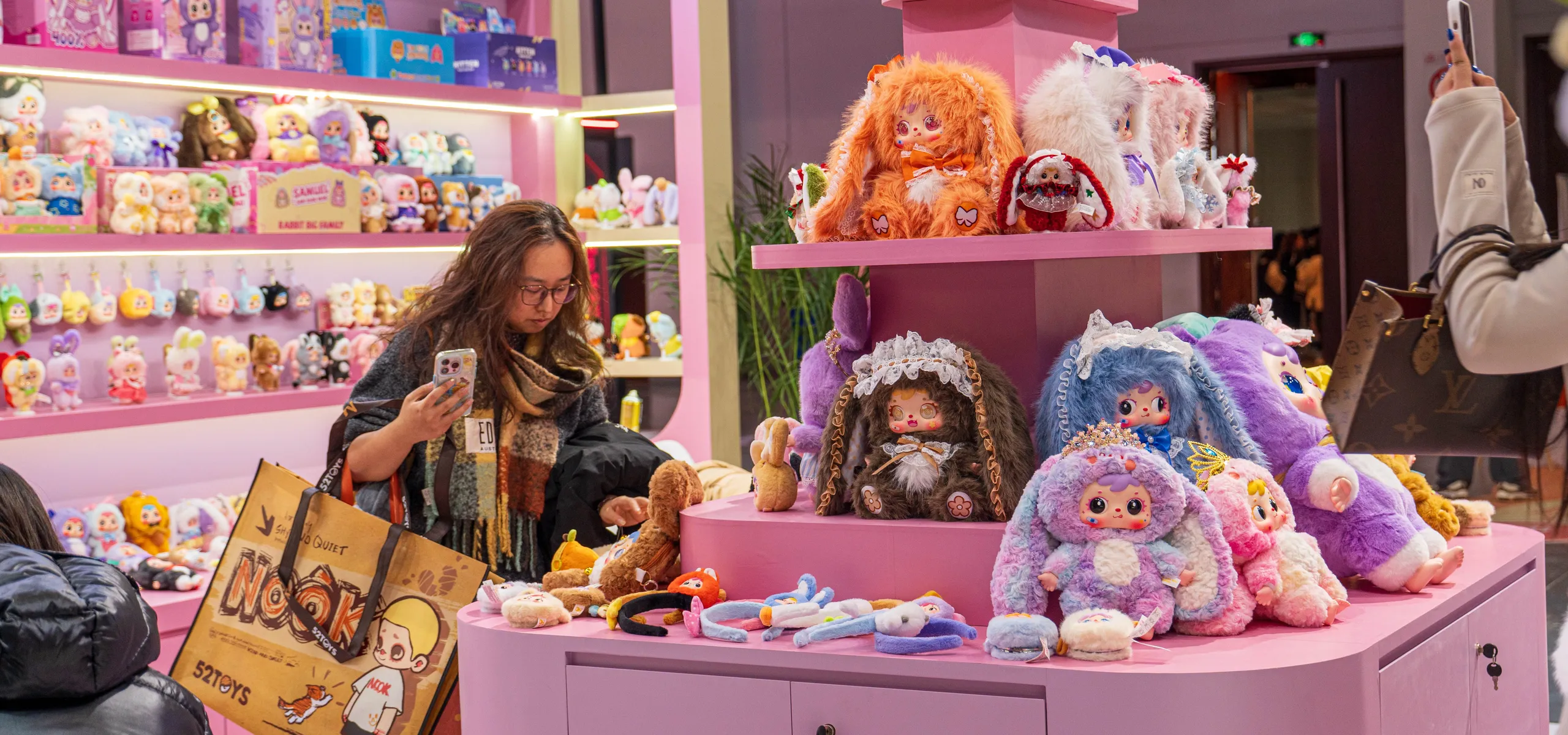

Discover color, fun, and emotional charm at the 2025 Beijing International Art & Designer Toy Show
Beijing’s first snowfall of the winter arrives on a gloomy Friday, bringing traffic jams and keeping pedestrians off the streets. Inside the exhibition hall at the China National Convention Center, however, the mood cannot be more different: illuminated stalls bloom with bold colors and lively music, and long lines of visitors—mostly in their 20s and 30s—snake through the venue, scooping up designer toy figures, plushies, and other merchandise as the three-day Beijing International Art & Designer Toy Show kicks off.
“I love their quirky designs, and their faces are super cute,” says Xiao Miao, a 33-year-old designer, beaming with excitement over the new figures she just got. “I also scored tons of freebies.”
Follow the latest youth culture trends in China:
- As the “2D Goods Economy” Explodes in China, Can Fantasy Worlds Solve Real-life Woes?
- Youthful Nostalgia: Why China’s Gen Z Is Embracing the Past?
- Pool’s Big Break Among China’s Youth
Over 300 bands, independent studios, and designers have come to showcase their latest products and designs. Various costumed characters parade across the hall, encouraging visitors to pose for shots. Stalls buzz with activities, many offering prizes in exchange for social media posts about the event. At a few booths, visitors are already lining up—some even bringing folding chairs, clearly settling in for the long haul as limited-edition toys won’t go on sale for hours. Several well-known designers, from 52Toy’s Einn to Starfy’s Lee Yeonwoo, also appear at the merch signing sessions throughout the event.
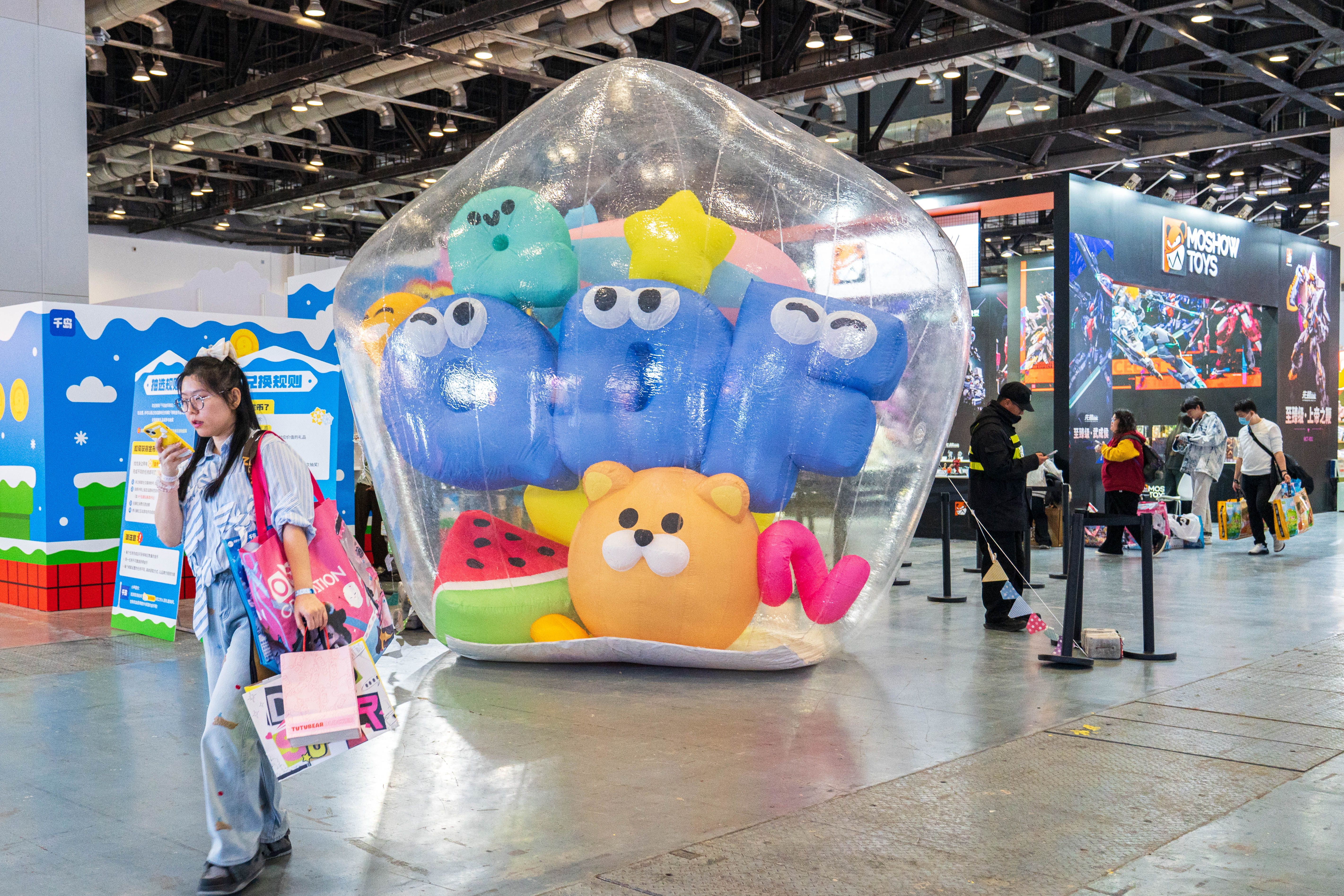
The event is co-hosted by Qiandao, a platform for trading second-hand designer toys and collectibles

The show drew over 20,000 visitors in three days
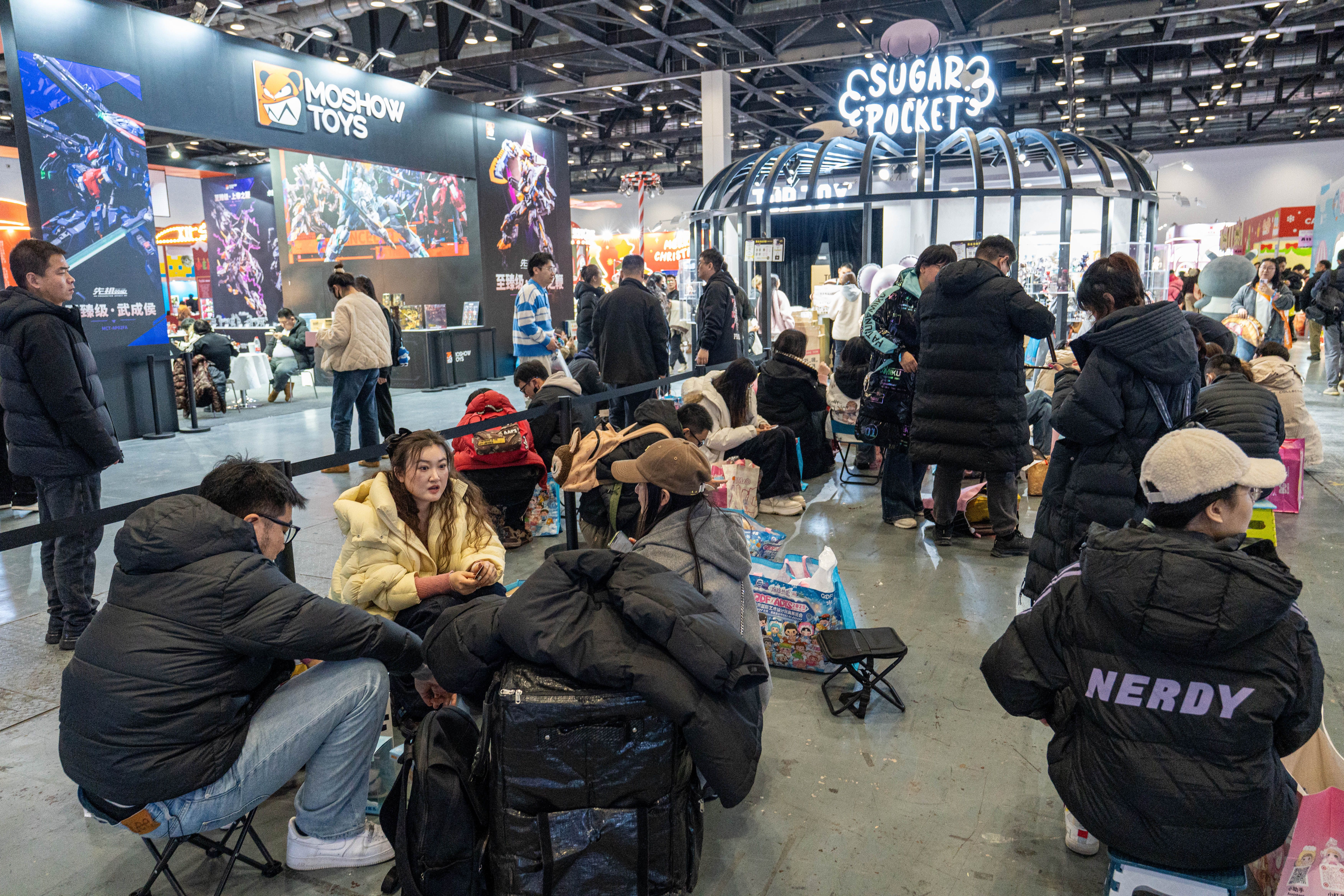
Visitors patiently wait for the sale to start
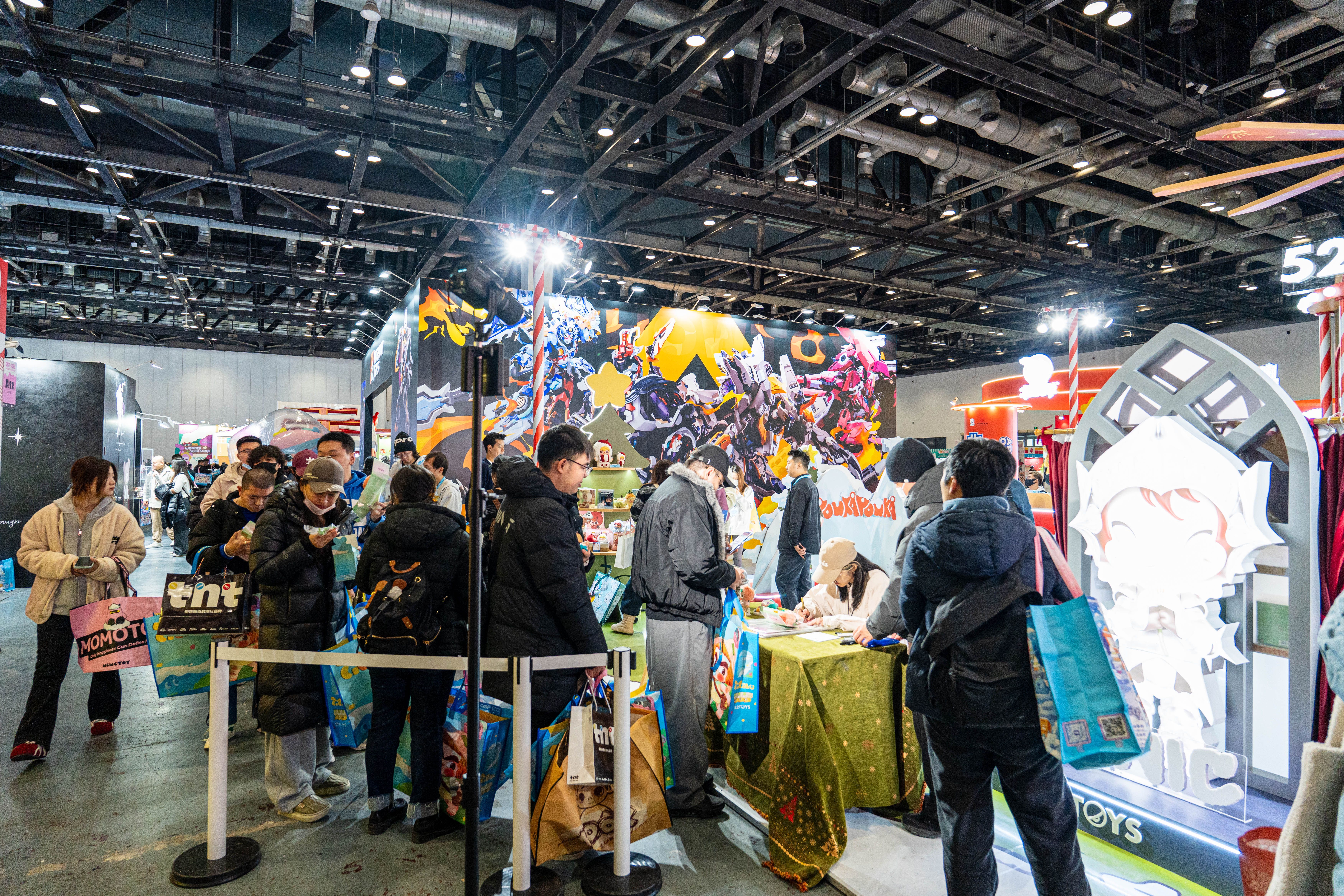
Designer Einn, creator of 52Toys’ NINNIC series, appears at the signing
The event drew more than 20,000 visitors, many of them avid fans like Xiao Miao. She fondly recalls being among the early adopters of blind boxes around 2015 and even getting her friends hooked on the hobby. “When I’m in a bad mood, buying these things cheer me up,” says Xiao Miao, “and sometimes I buy them even when I’m happy.”
Though not all visitors are drawn to the appeal of these toys and merchandise, which fans often jokingly describe as “beautiful but useless.” “I don’t see the point of them—why not just buy clothes or something else?” says another visitor, surnamed Deng. But Deng still shows up on this snowy winter day, with the sole mission of snagging a limited-edition Christmas toy for his girlfriend, both of whom are in their mid-20s. “It’s her only hobby, so I just let her be,” he explains. “She works at a pharmaceutical company, and these toys bring her a little joy every day.”
It’s no secret that designer toys, plushies, and similar collectibles are booming among Gen Z in China and worldwide, with experts often attributing this to economic uncertainty and work-related stress. The trend reached new heights this year, fueled by the viral success of Pop Mart’s Labubu plush toy series. Although the industry giant itself is noticeably missing from this event, the exhibition is dominated by small and mid-sized independent brands, where some of the most innovative and fresh designs take center stage.
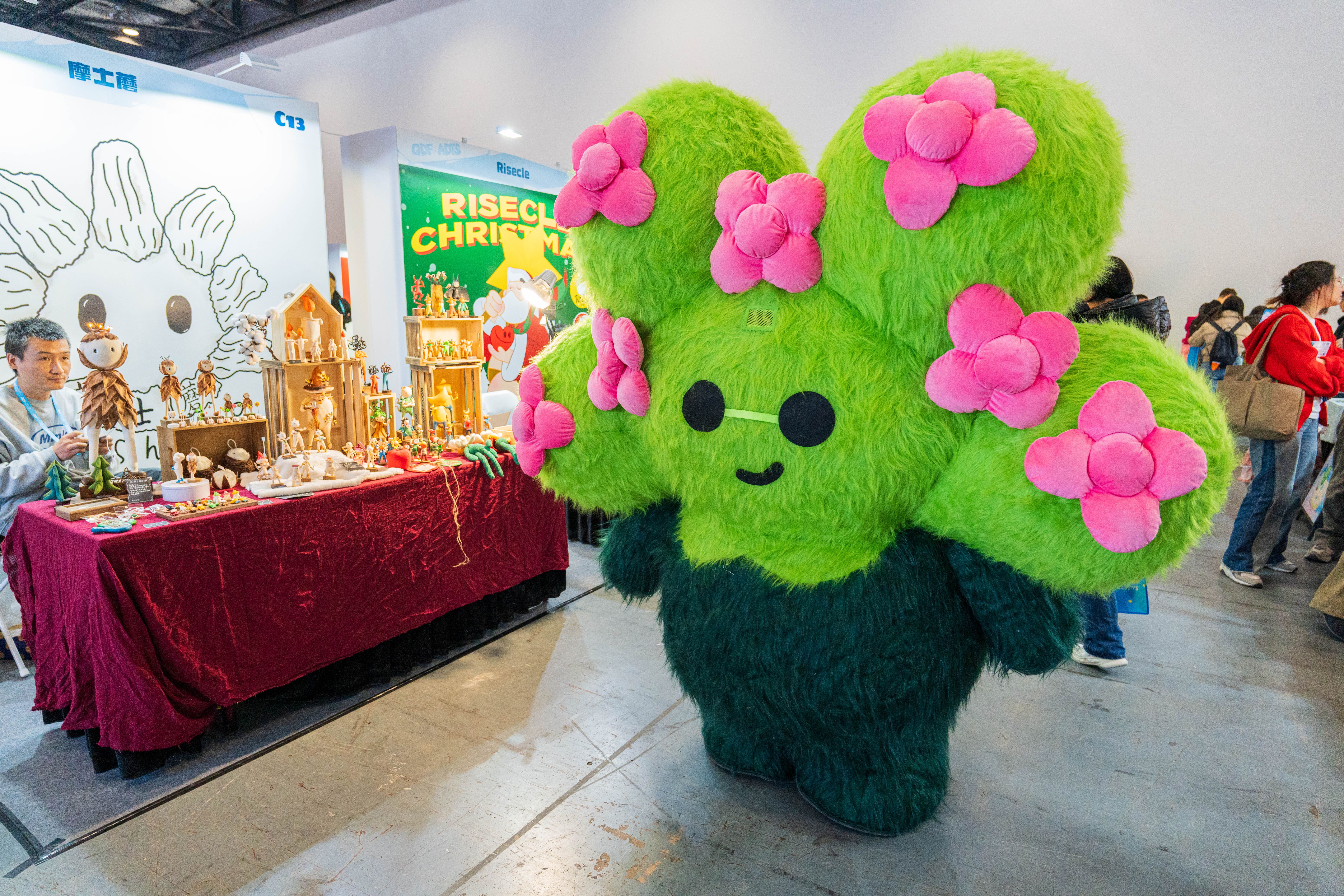
Zhangzhang, a blooming cactus, is the flagship character from startup Black Button
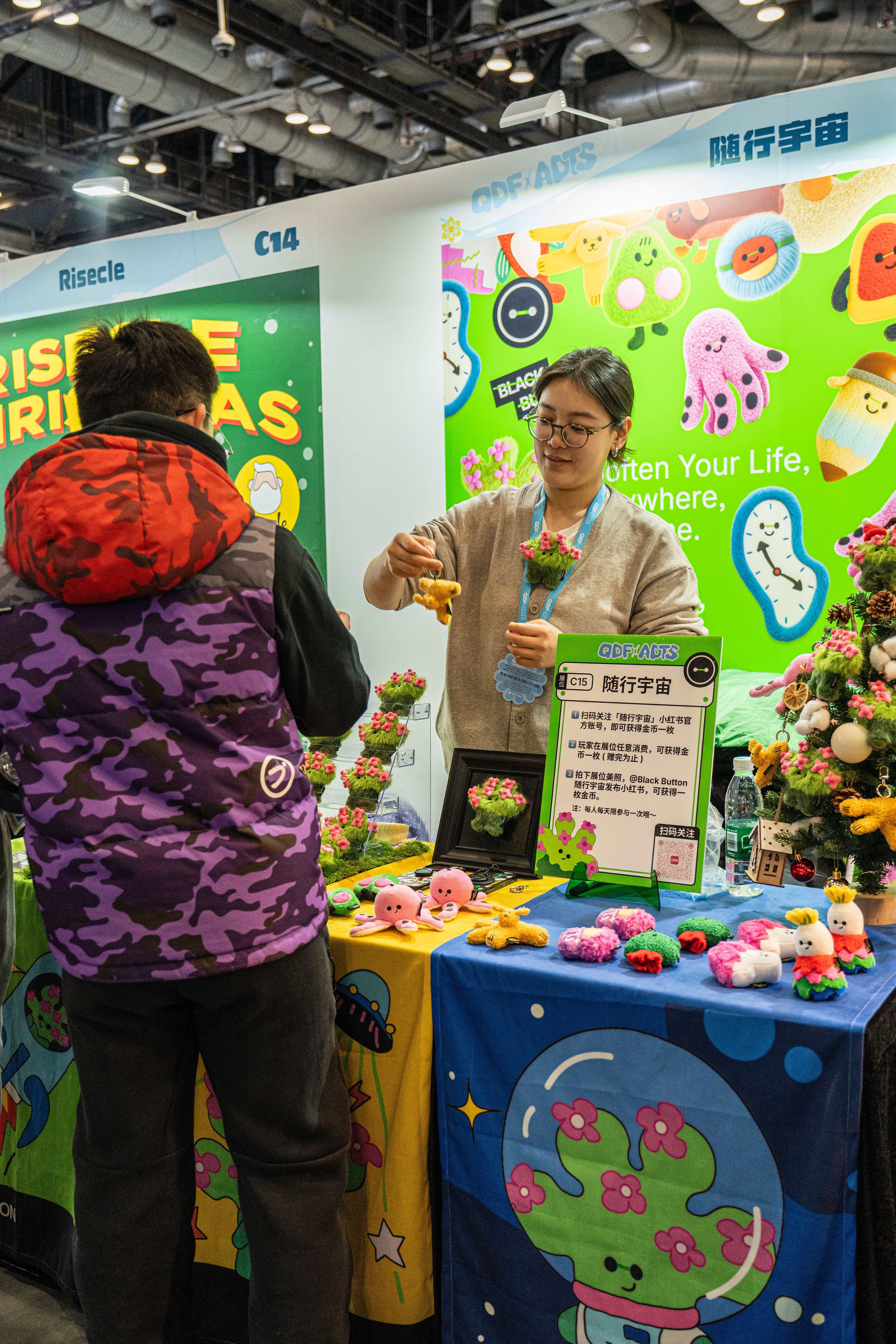
Black Button’s booth at the show showcases plush toys with built-in magnets, enabling them to attach to various surfaces, including the back of a cell phone
“Young people born after 2000 are true digital natives, drawn to unique, curious items, and highly open-minded,” says Yang Yulong, whose magnetic plush toy startup Black Button is on display at the toy show. “In the past, if I drew something quirky, people would just ask, ‘What on earth is this?’ Today, as long as it resonates, young people find it interesting and share it with their friends.” He adds that, unlike the previous generation, they are often driven by emotion and the pursuit of happiness in their purchases. His brand taps into this mindset by offering plush toys people can carry everywhere. “If you buy a plush toy that big and leave it at home, won’t it feel lonely when you go out—like when we were kids and our parents were busy, leaving us at home with just our grandparents to look after us?” Each of Yang’s product comes with a magnetic “black button,” allowing it to be easily attached to a variety of surfaces, such as the back of a cell phone.
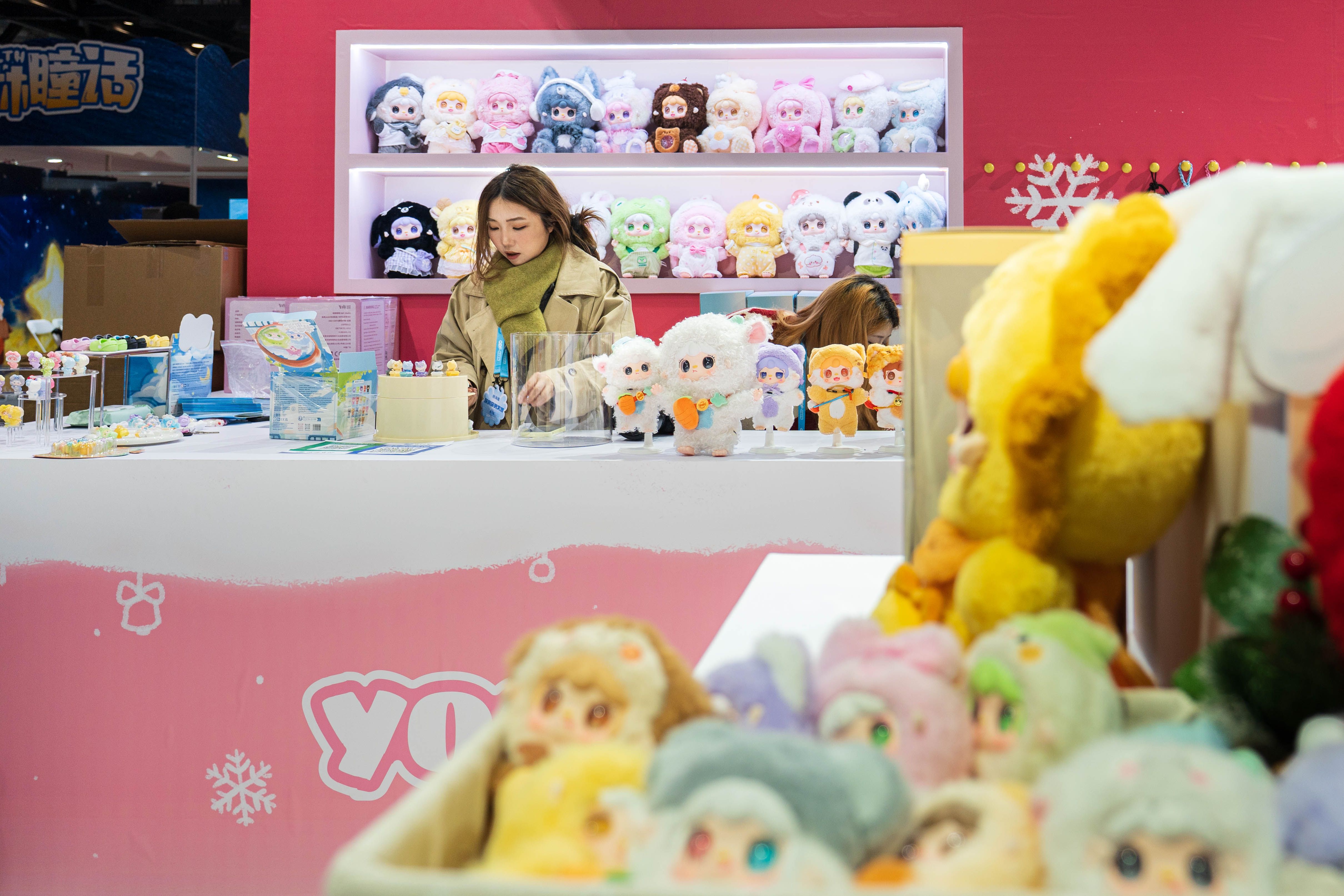
Plush toys remain one of the most popular categories, with designs in every style and shape
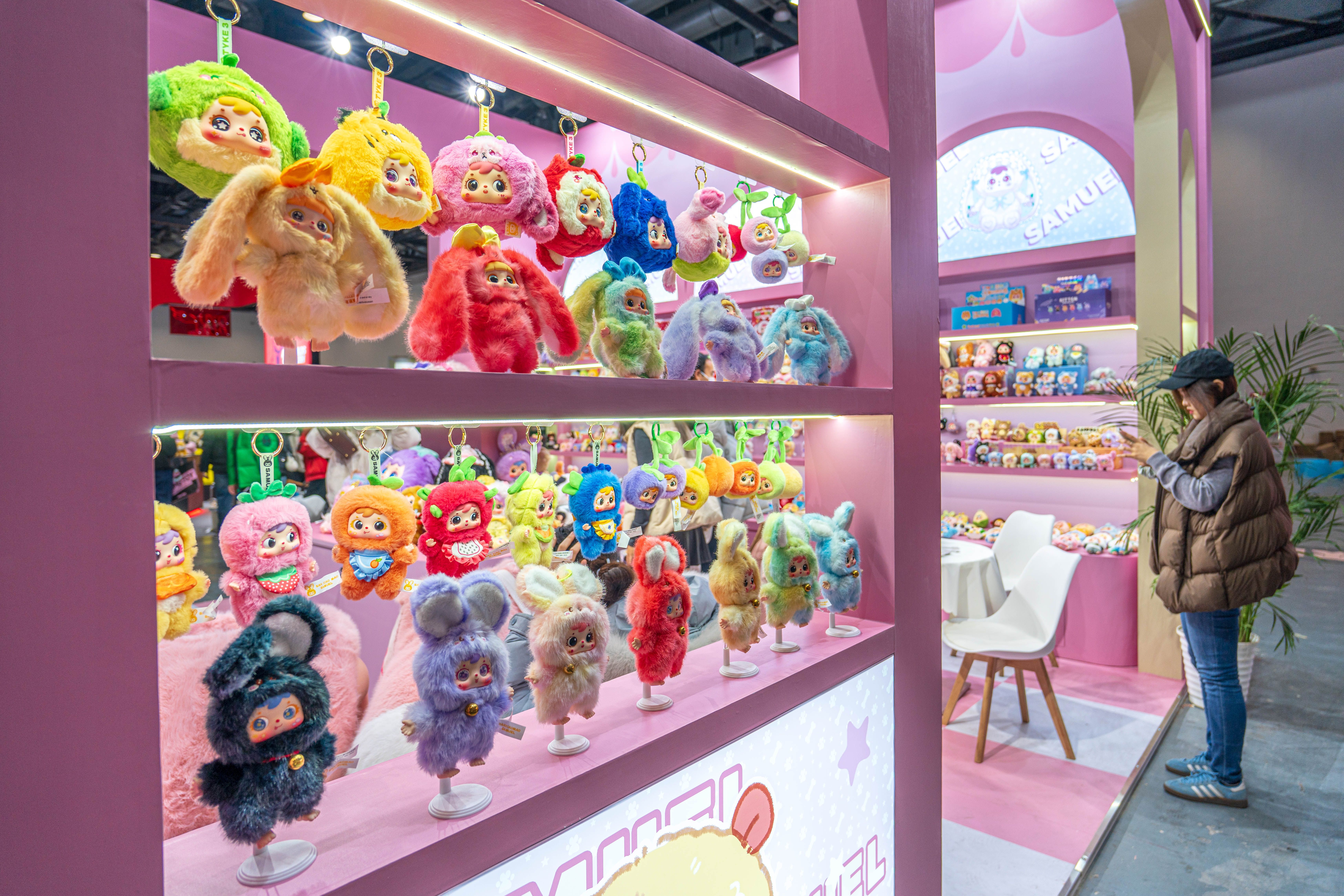
Plush toys remain one of the most popular categories, with designs in every style and shape
The rise of these designer toys, essentially functionless items, is a prime example of a broader shift in consumer behavior, which the marketing world calls “emotional consumption.” From personal enjoyment to healing, and from interest-based socializing to self-expression, young consumers are increasingly drawn to the emotional value of goods and services.
Here at the toy show, the venue is filled with visual delights and cheer—perhaps tinged with a bit of disappointment over sold-out items, but above all with a sense of shared enthusiasm. As visitors step out of the exhibition hall into the cold snow, shopping bags of treasures in hand, they carry with them a sense of simple, accessible joy in an uncertain world.
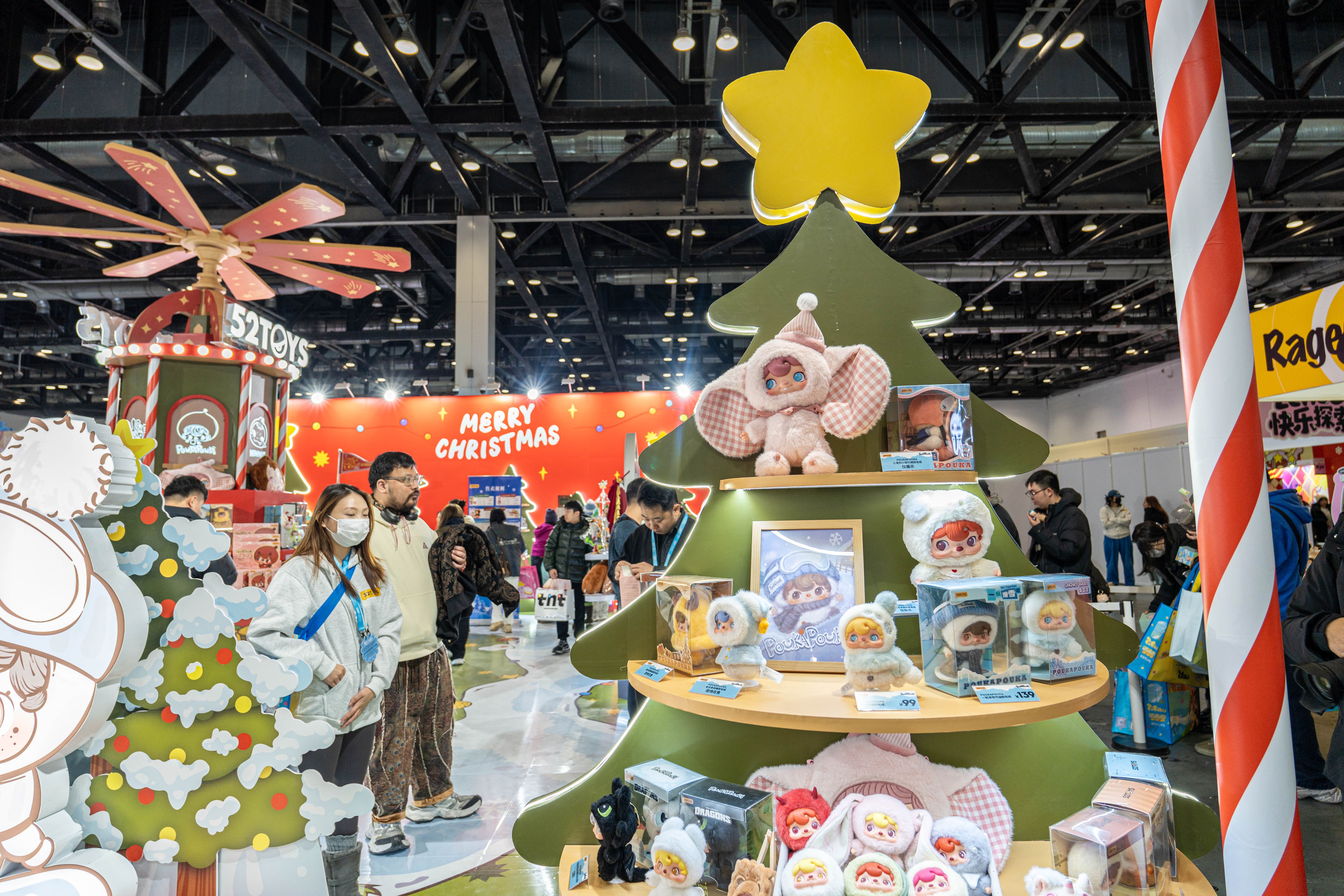
Christmas fills the air at this December event, with brands unveiling special-edition holiday toys
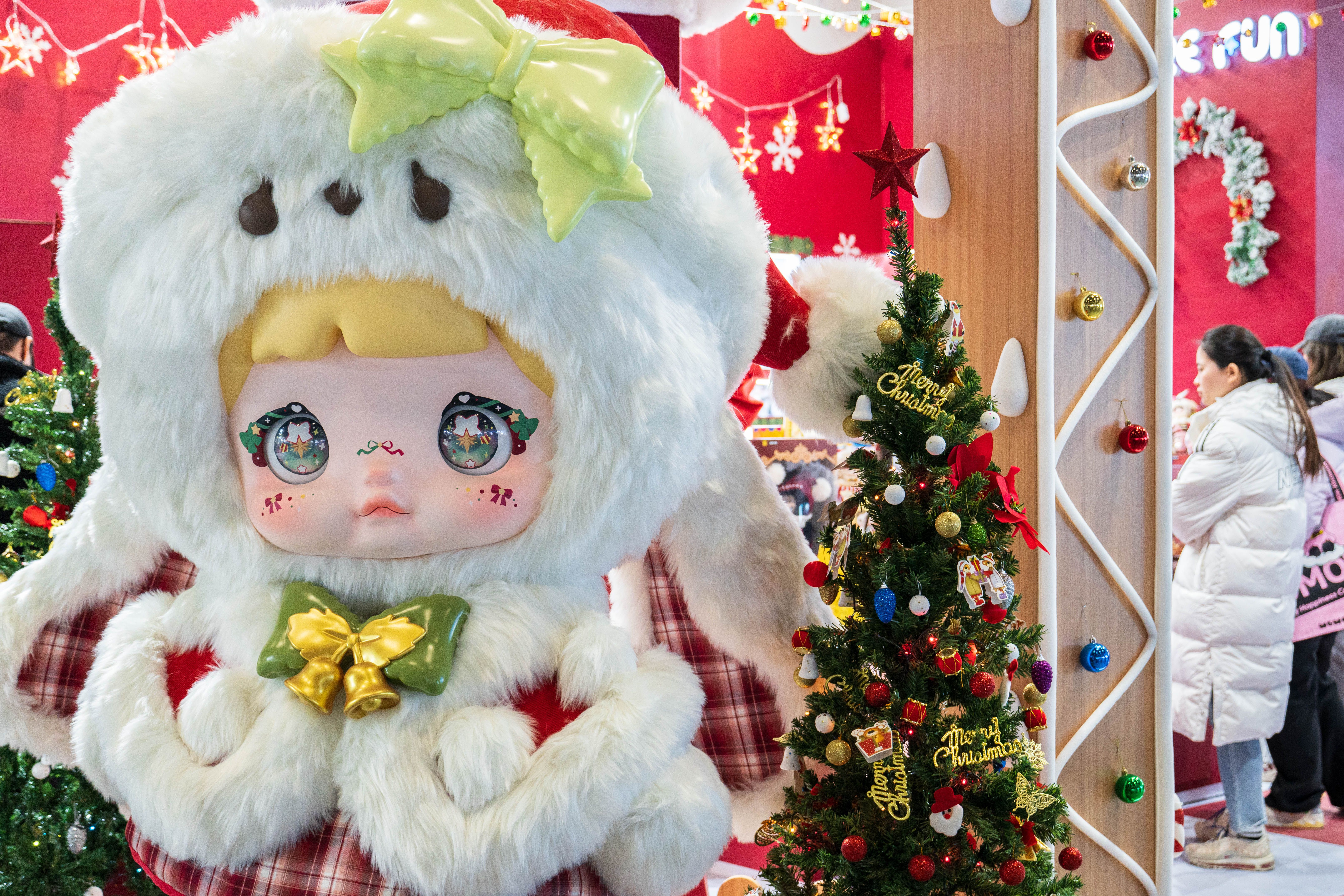
Christmas fills the air at this December event, with brands unveiling special-edition holiday toys
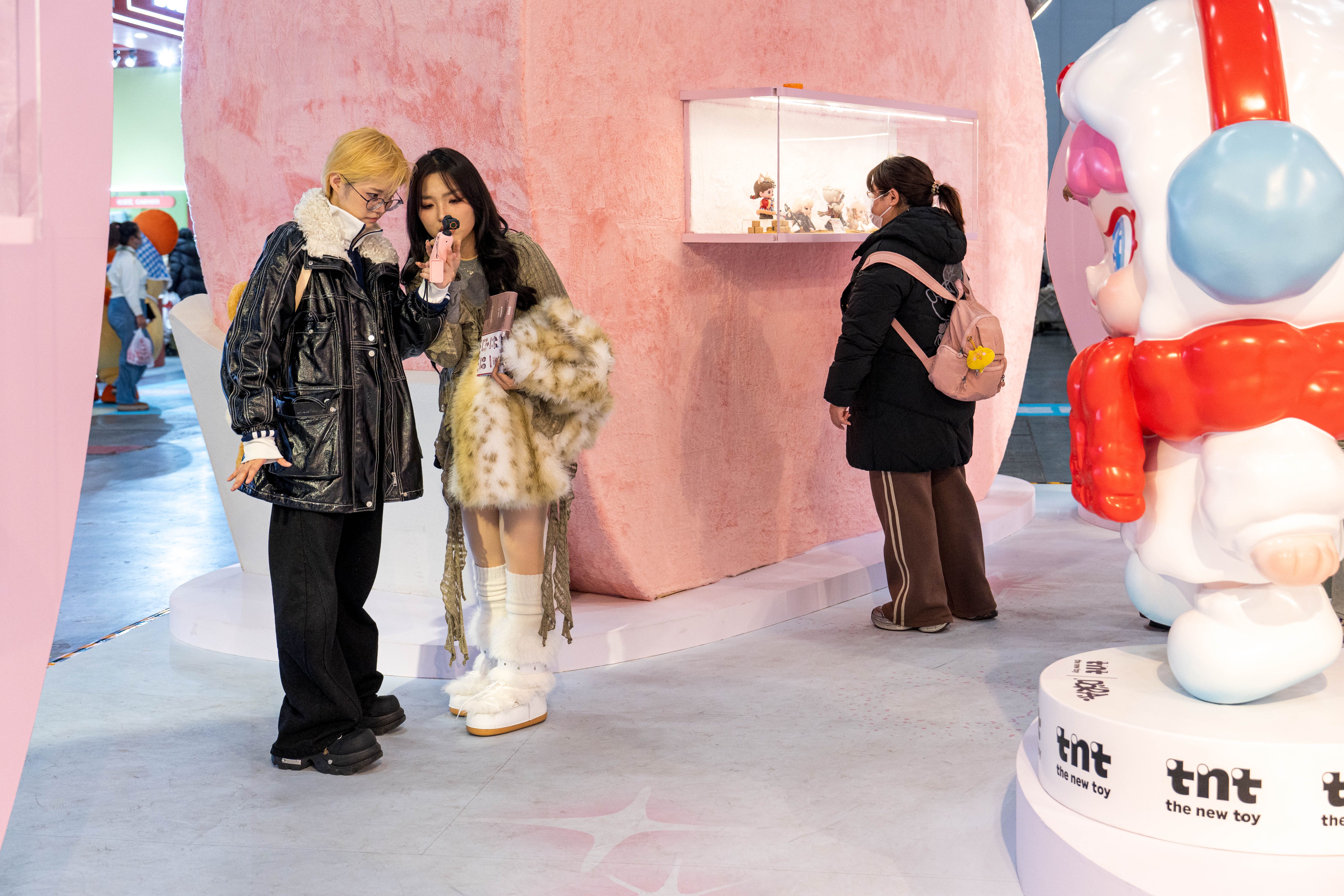
The event attracts many attendees, often accompanied by like-minded friends

The event attracts many attendees, often accompanied by like-minded friends
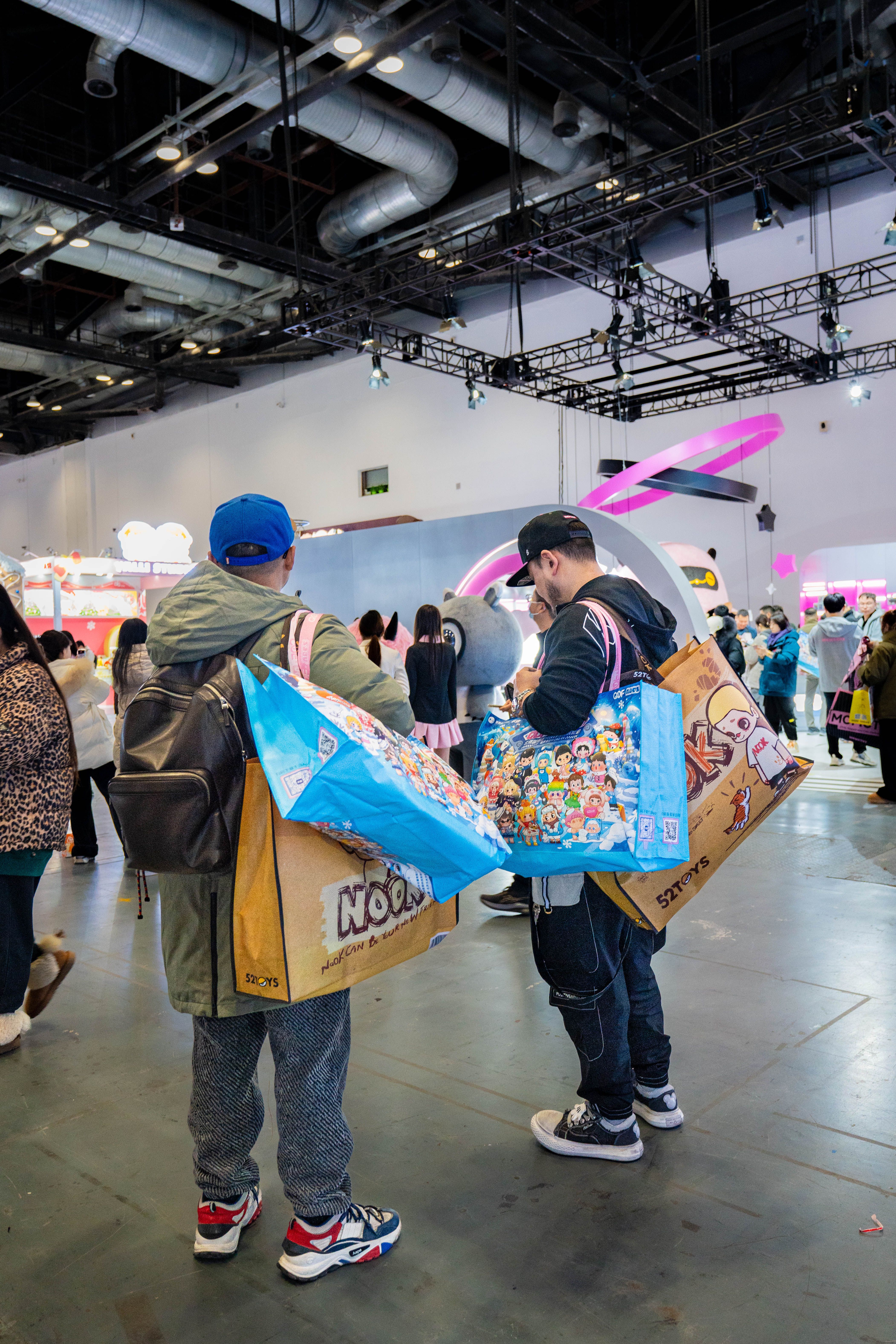
The event attracts many attendees, often accompanied by like-minded friends
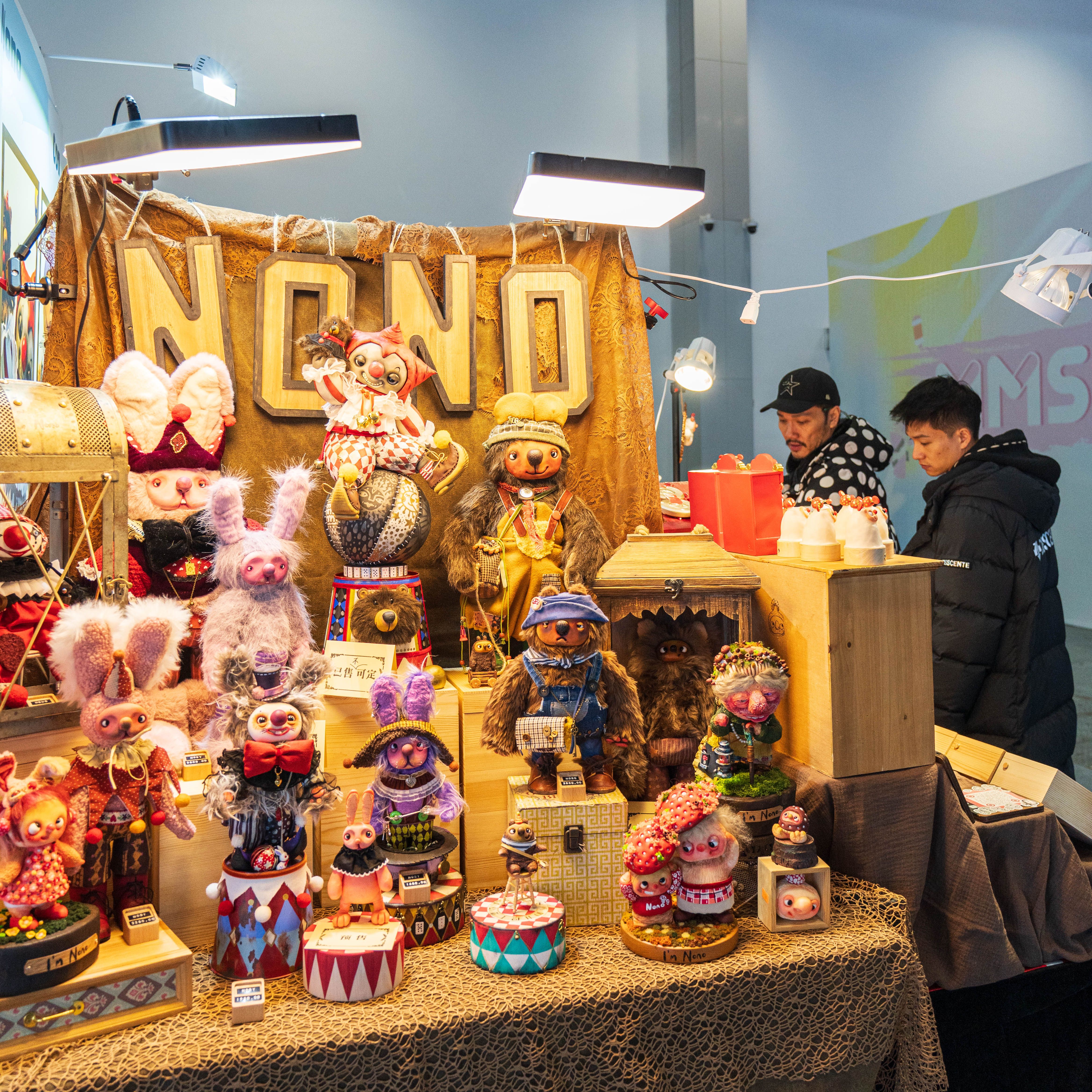
Over 300 exhibitors showcase exclusive designs, interactive games, lucky draws, and more
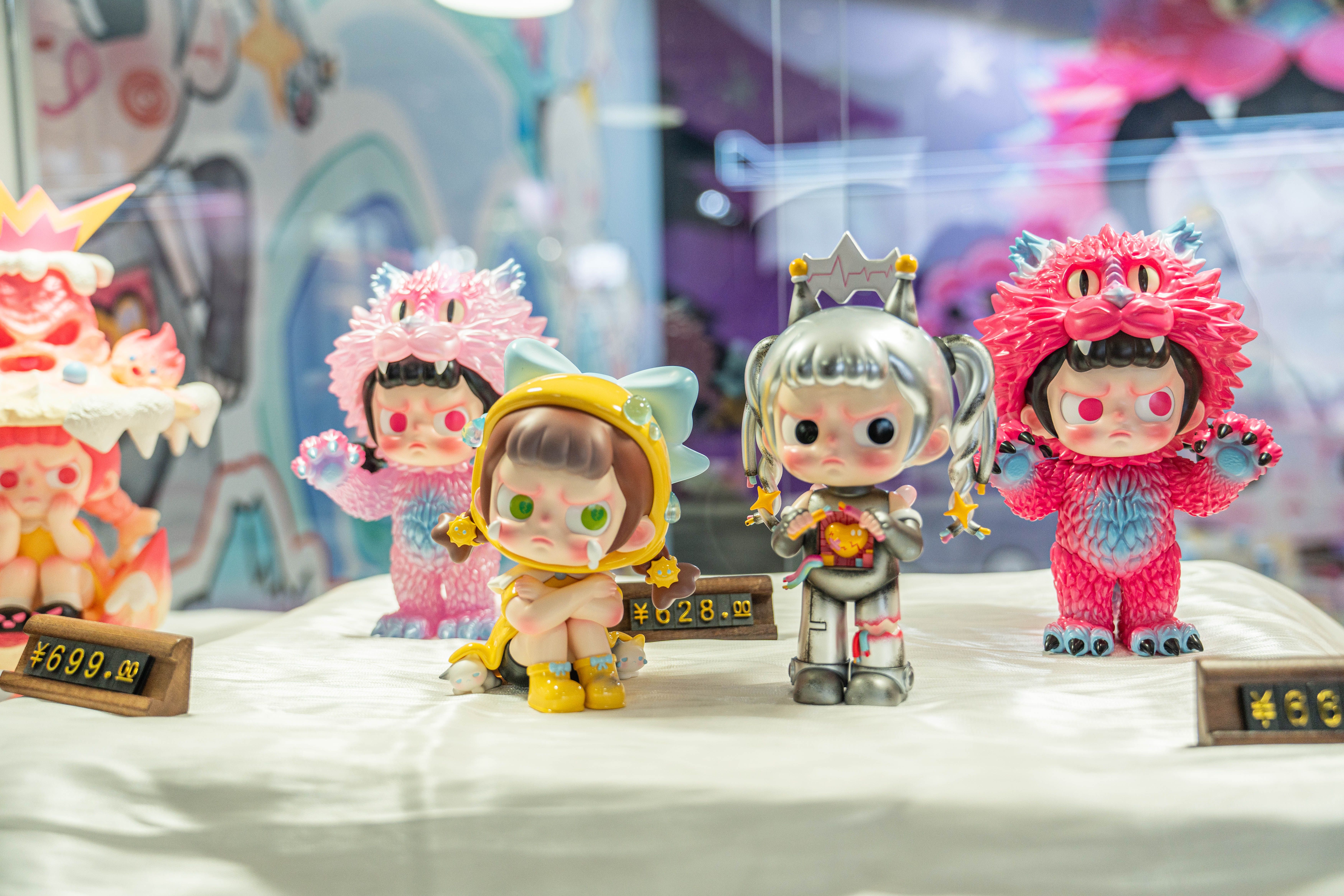
Over 300 exhibitors showcase exclusive designs, interactive games, lucky draws, and more
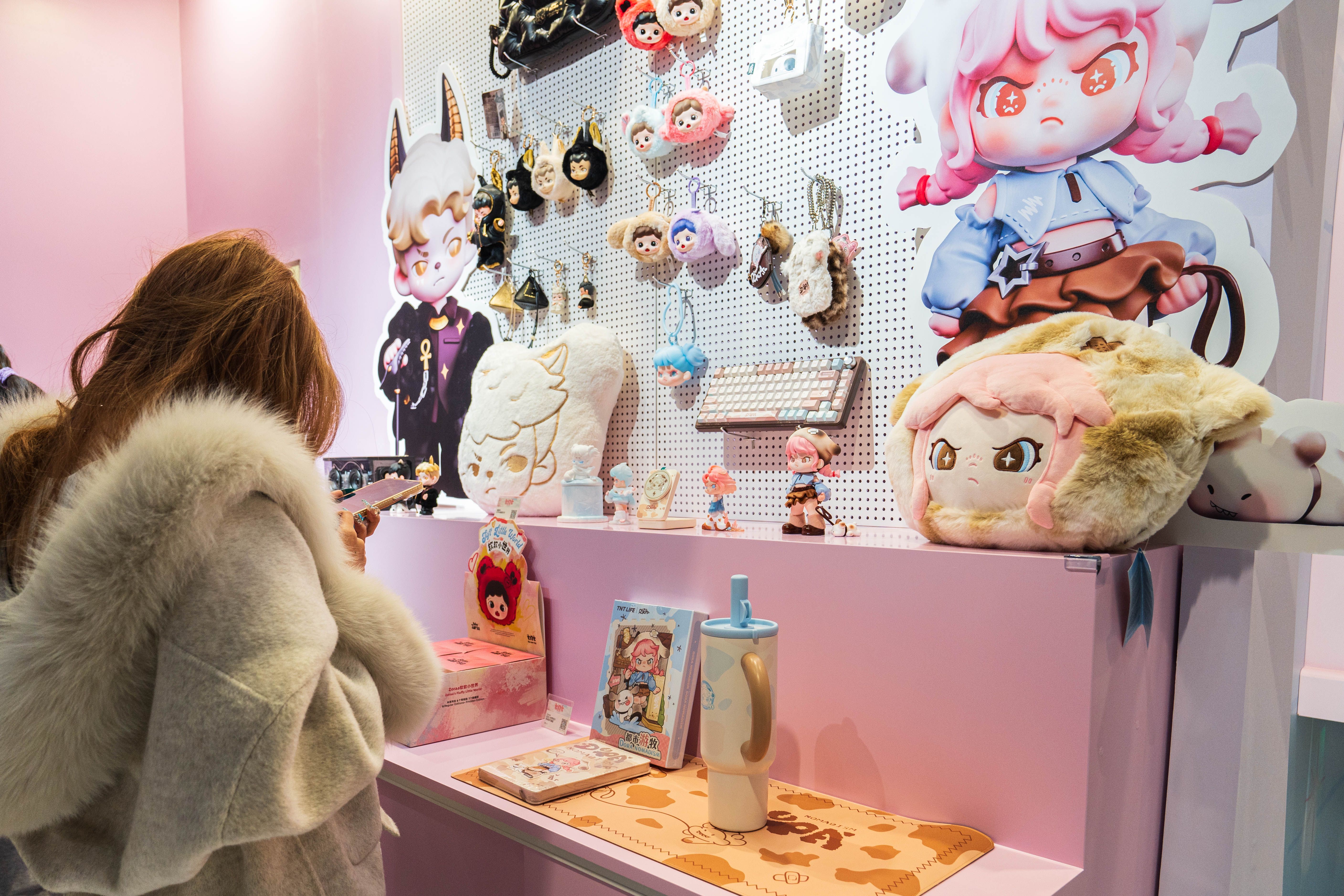
Over 300 exhibitors showcase exclusive designs, interactive games, lucky draws, and more
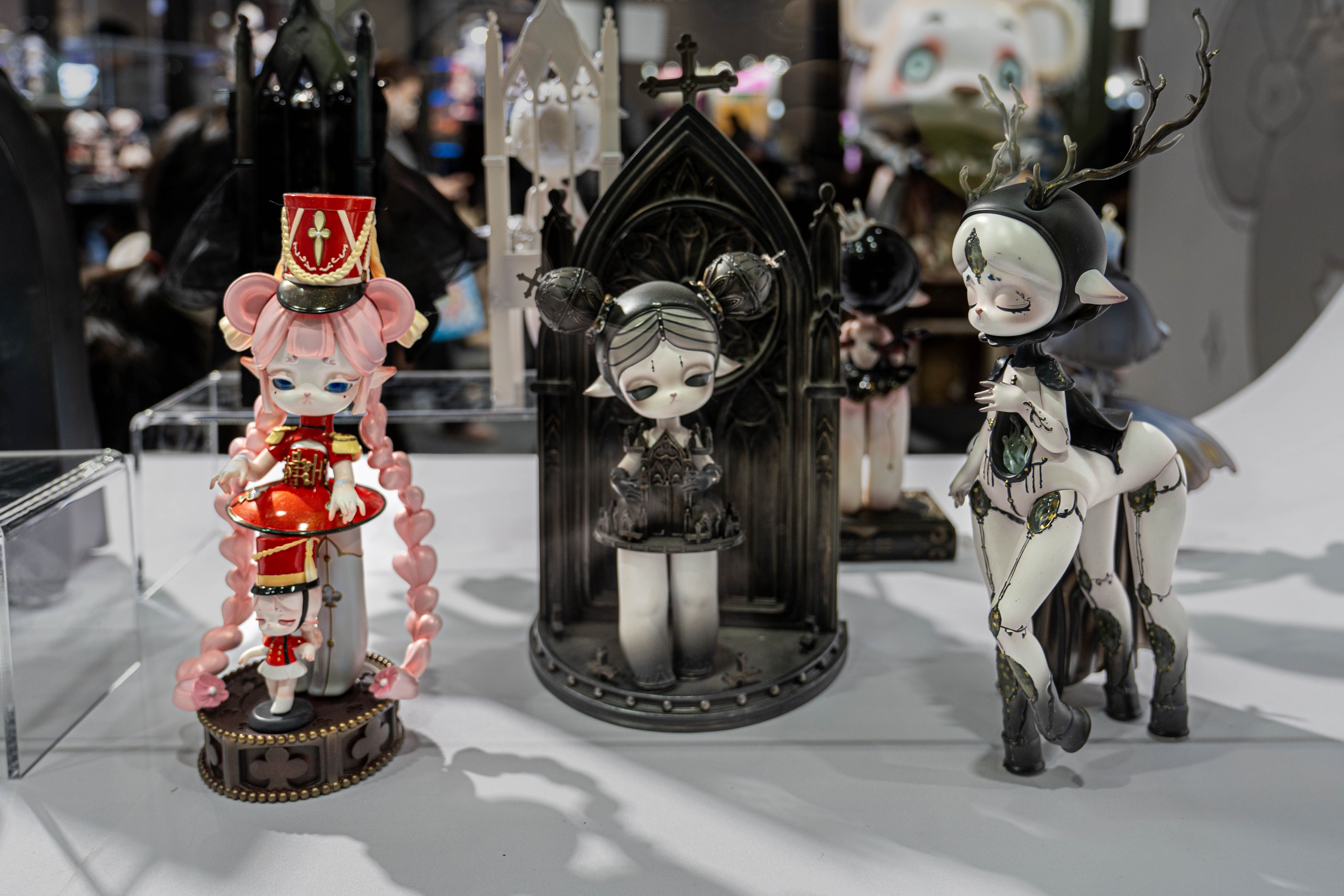
Over 300 exhibitors showcase exclusive designs, interactive games, lucky draws, and more
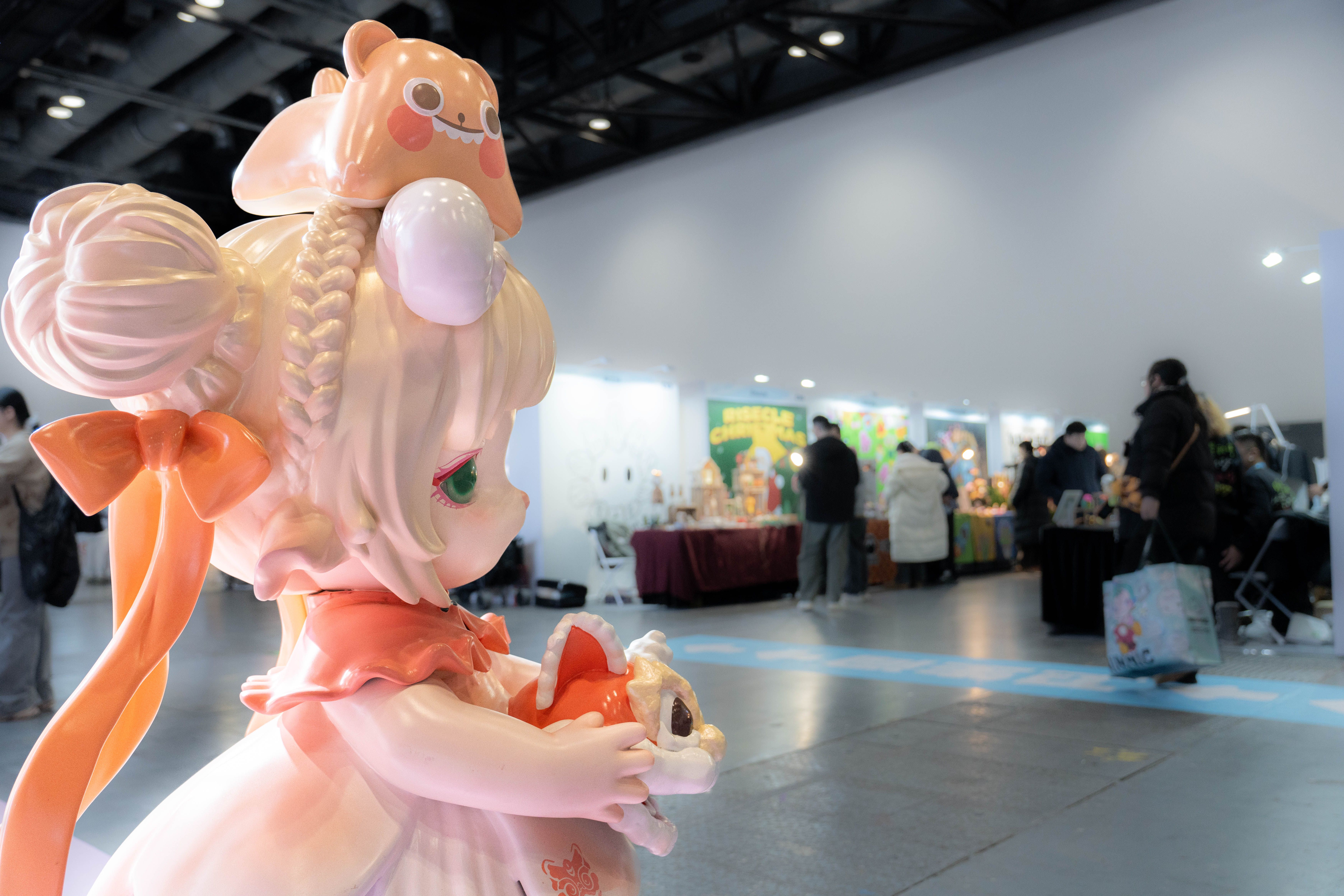
Over 300 exhibitors showcase exclusive designs, interactive games, lucky draws, and more
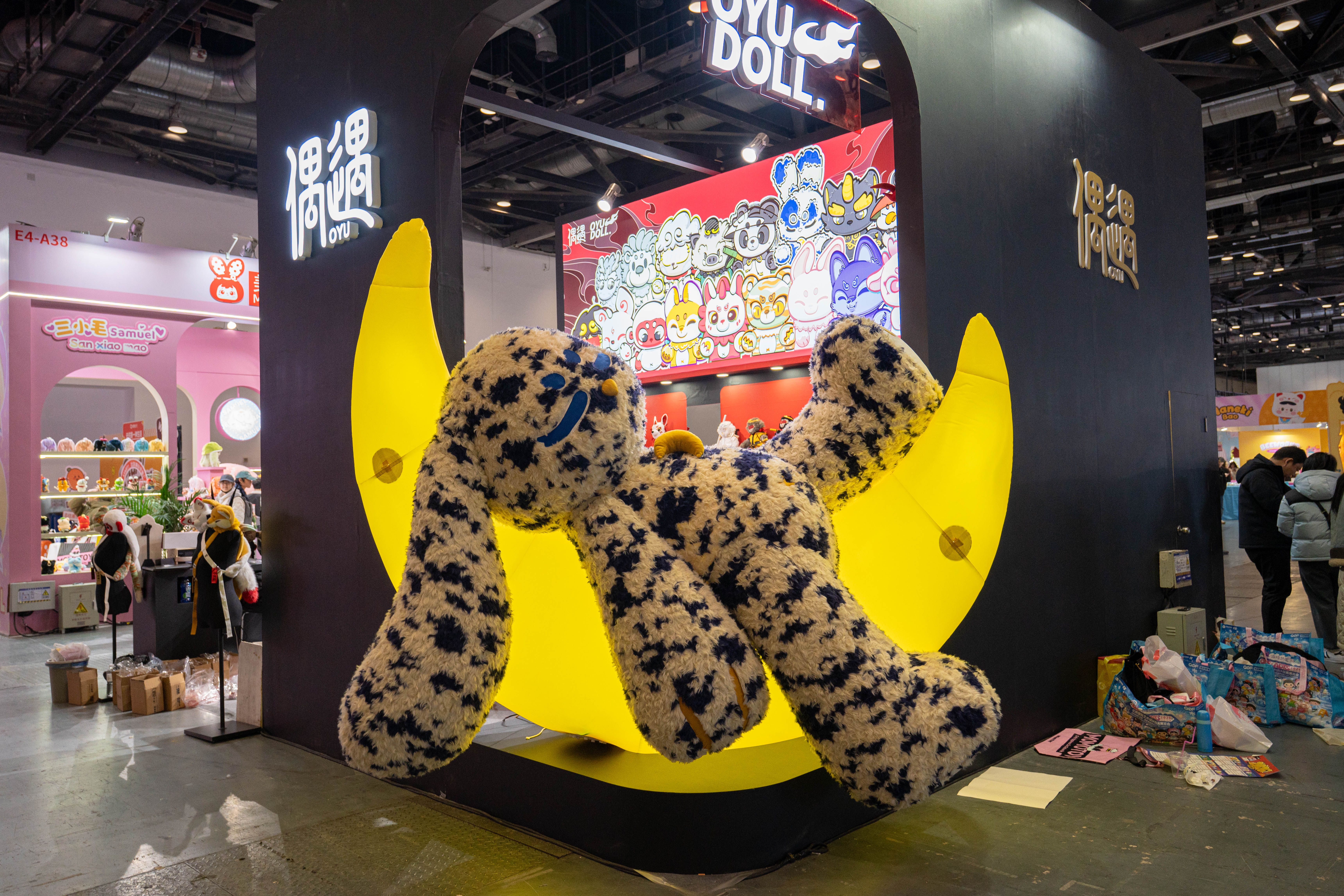
Over 300 exhibitors showcase exclusive designs, interactive games, lucky draws, and more
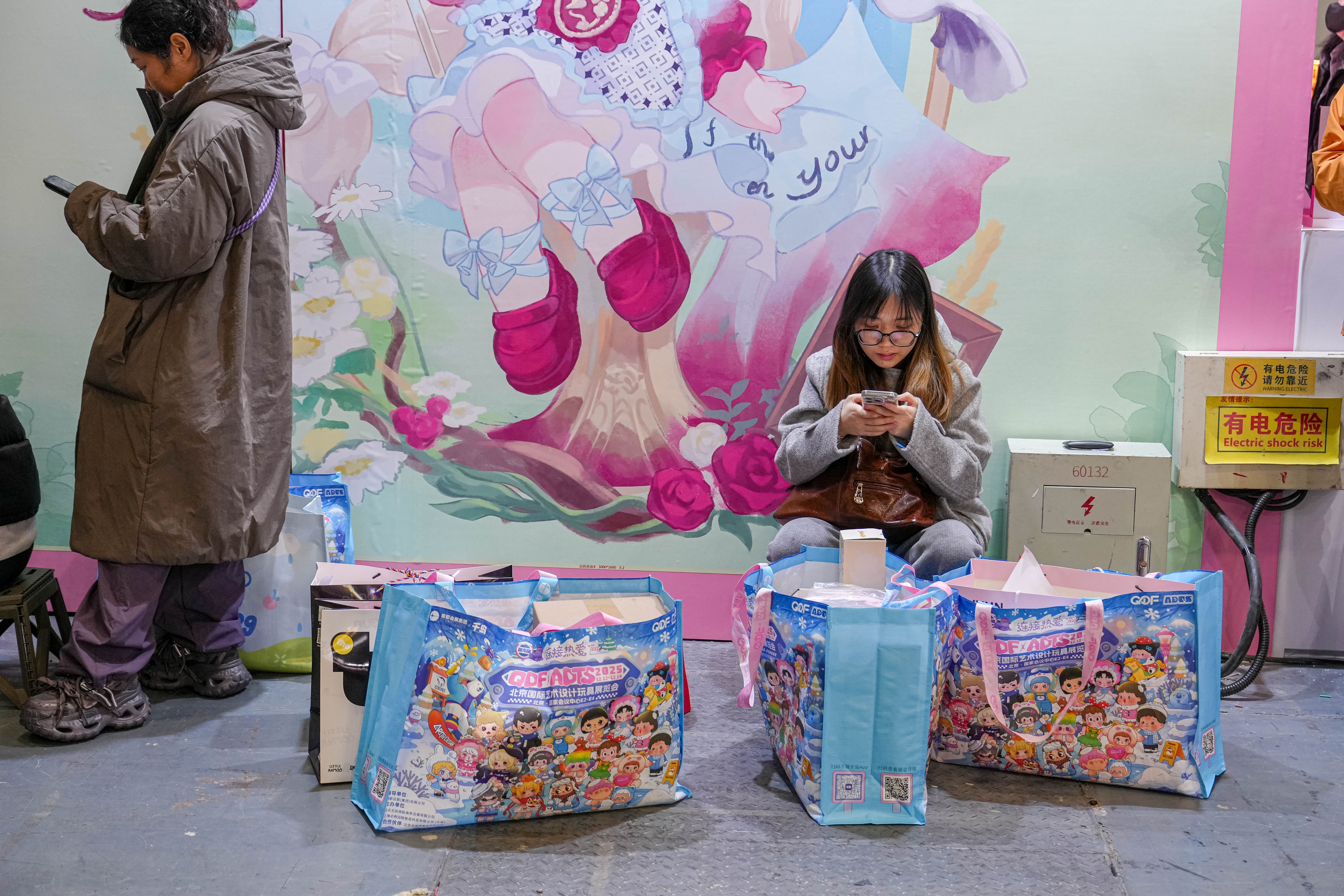
Visitors catching their breath between shopping and exploring
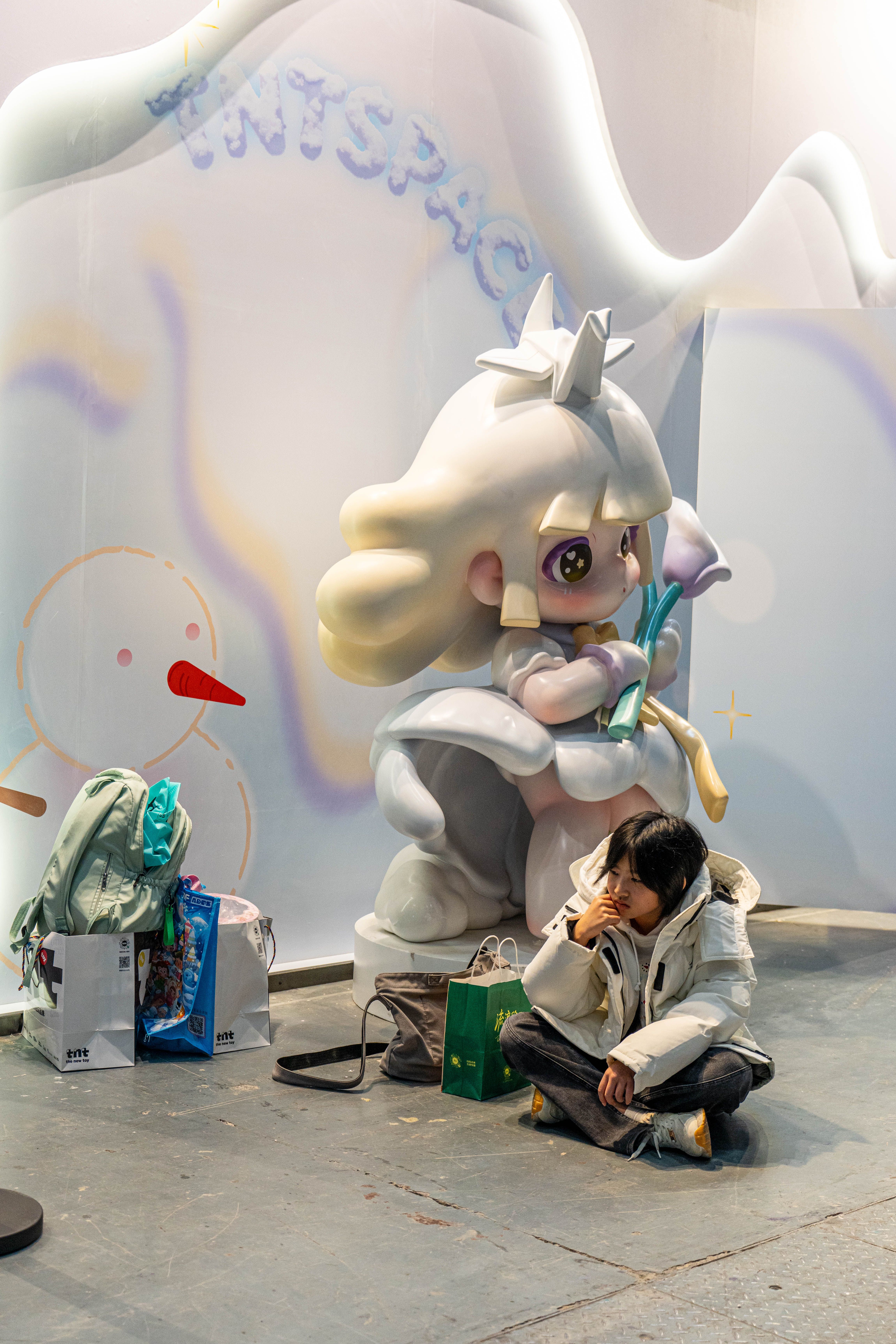
Visitors catching their breath between shopping and exploring
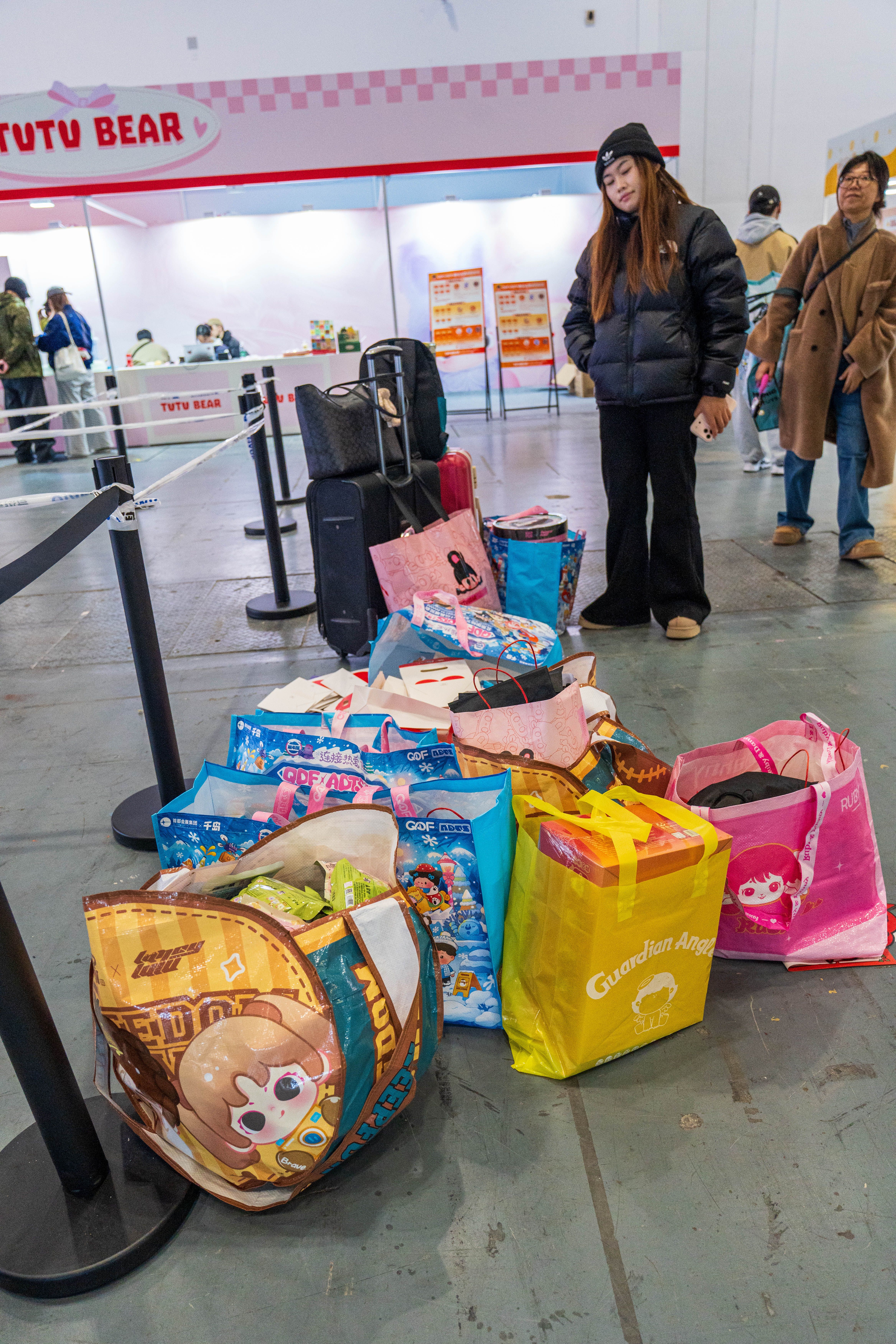
Visitors catching their breath between shopping and exploring
How Chinese Gen Z Finds Small Pleasures in Designer Toys is a story from our issue, “New Markets, Young Makers.” To read the entire issue, become a subscriber and receive the full magazine.
Related Articles