


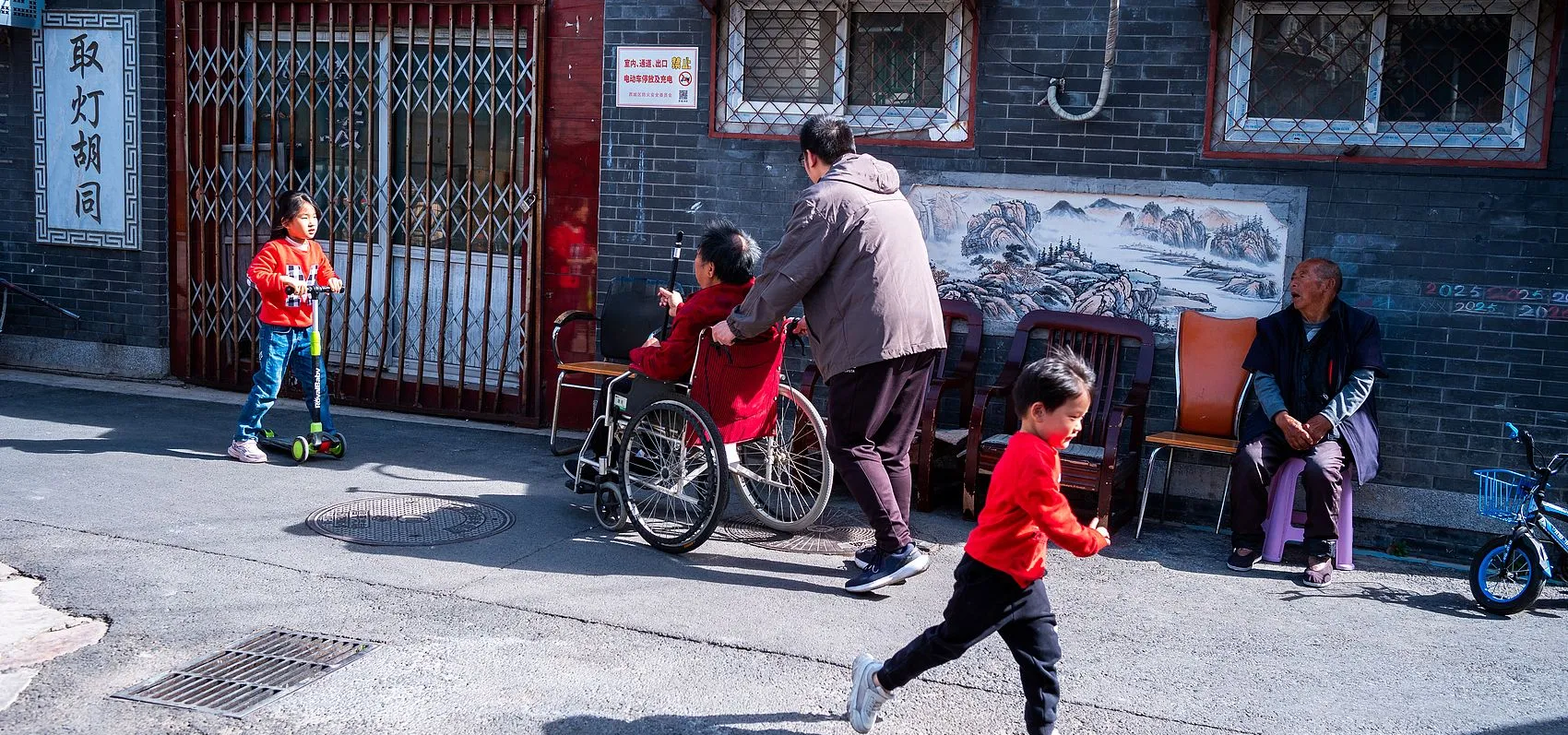

As millions of Chinese enter old age, their adult children are now grappling with the financial and emotional burden of being their parents’ only caregivers. Even as government and business efforts are rolled out to ease the pressure, stigma around retirement homes and traditional expectations of filial duty continue to shape how people spend their later years.
In February of last year, Gu Bei’s life was turned upside down when her mother suffered a stroke that severely impaired her ability to walk, speak, and think. An only child, 36-year-old Gu took a month off work to help her parent with rehabilitation during the critical early months, but the leave cost her her job. Meanwhile, medical bills, apartment, and car loan repayments continued to pile up, taking a toll on her own physical and mental health.
Desperate, Gu turned to the lifestyle app Xiaohongshu (RedNote) to ask how other only children balanced work and family responsibilities when their aging parents could no longer care for themselves. The nearly 200 replies she received from her peers were almost uniformly bleak: send their parents to a nursing home—where Gu worried her mother wouldn’t be well cared for—or “simply put up with it...potentially for decades.”
Gu’s predicament is not unique. Young Chinese, born between 1980 and 2015 under the one-child policy, are facing the prospect of becoming the sole caregivers of aging or ill parents. Rapid urbanization, which has led most young people to leave home for work in different cities, also means that traditional support networks—like extended family or village communities—are no longer available to many. These adults, estimated at 180 million in 2025, also have to juggle other responsibilities like work pressure, loan repayments, their own children’s education, and the mounting cost of living. Even in the countryside, where the one-child policy was relatively relaxed, those with siblings still face financial constraints, the lack of health insurance or pension coverage for many rural seniors, and subtle sexism in the distribution of caregiving obligations.
As a result, efforts are emerging to ease the burden, with local governments expanding basic pension schemes and medical insurance coverage for rural residents, while new business ventures are beginning to fill the gaps.
Read more about life after retirement in China:
- The Future of China’s Elderly Care Is Young
- Their Last Portraits: Photographing 3,000 Elders in the Countryside
- No Respite in Retirement for China's Migrating Elderly
Sudden calamity
By the end of 2024, China’s over-60 population numbered over 310 million, accounting for 22 percent of the national population, and 35 million of them have physical impairments. In an academic study published last March, Qiao Xiaochun, professor from Peking University, states that the years between 2010 and 2035 marked the country’s fastest aging period, as two baby-boom generations (1950 – 1958 and 1962 – 1975) enter old age—most with no more than two children—creating an unprecedented challenge for families and society.
In 2022, 29-year-old Dong Juan, an only child, learned by accident over the phone that her father was recovering in the hospital from a minor surgery. Her parents had kept the news from her, not wanting to burden her.
“He seldom complains, but at that moment [I could hear in his voice that] he hoped I could be with him,” Dong recalls.
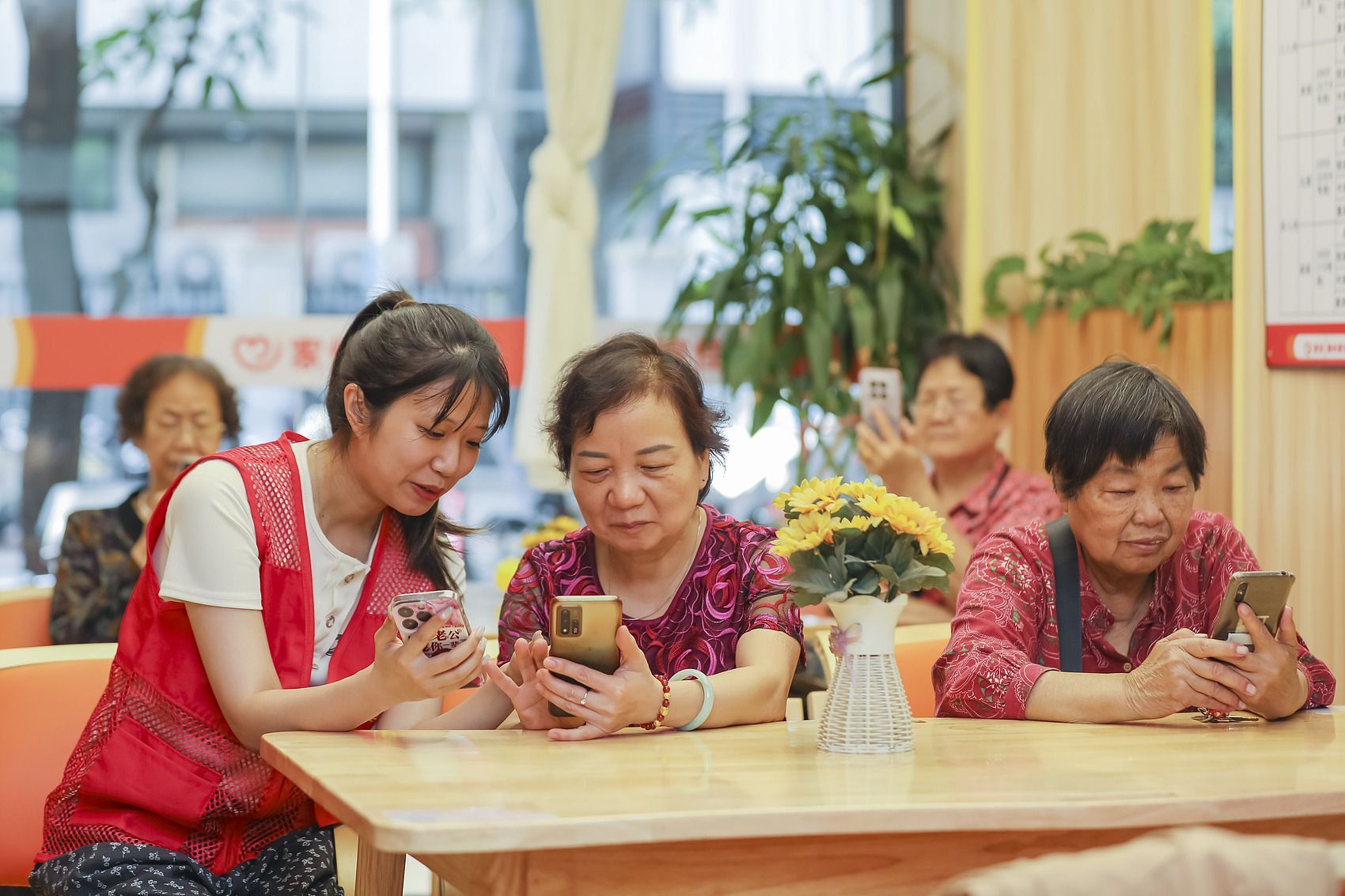
As their children work and live in other cities or countries, many elderly Chinese in need often have to rely on themselves or services like community-based assistance (VCG)
One year later, Dong moved from Chengdu, the provincial capital where she’d attended college and worked, back to her home city of Yibin. Now working locally as a teacher, Dong spends every weekend with her parents. “I’ve learned what they desire the most is my presence, and money came second,” she explains to TWOC.
But not everyone can move cities or change jobs just to be with their parents, especially the “sandwich generation,” who must care for both their children and their aging parents. In the summer of 2022, after being diagnosed with lung cancer, Cao Xi’s mother left Foshan, Guangdong—where she had been living with her children to help care for her grandchildren—and returned to their home province of Hunan to access medical insurance. Cao, however, stayed in Foshan to continue working and caring for her young son, while her husband worked in another city. Cao’s father accompanied his wife to her treatments, but it still fell to Cao to make the online registration, check the test results, communicate with doctors, and handle other procedures that the elderly couple found baffling.
While Cao feels fortunate to have her younger brother to turn to for advice and support, easing her sense of isolation, she still feels he, having also settled in Guangdong, is not sharing the responsibility equally.
“I can accept either the traditional way, where sons get the parents’ assets and become the primary caregiver; or the modern way, where sons and daughters share the assets and responsibilities equally,” she says. “But I’m afraid that sons will get all the assets while daughters, who get nothing, still share half the responsibility.”
While women’s socio-economic status has risen over the years, lingering patriarchal family structures and stereotypes that portray women as more nurturing and detail-oriented continue to push many daughters into providing greater financial and emotional support without equal recognition or reward—especially in rural areas, despite laws that guarantee women’s rights to land ownership and inheritance. Cao’s parents have built two houses in their village—one reserved for her brother, while promising her just a single room. Yet when it came to their mother’s hospital bills, her brother still asked her to contribute equally.
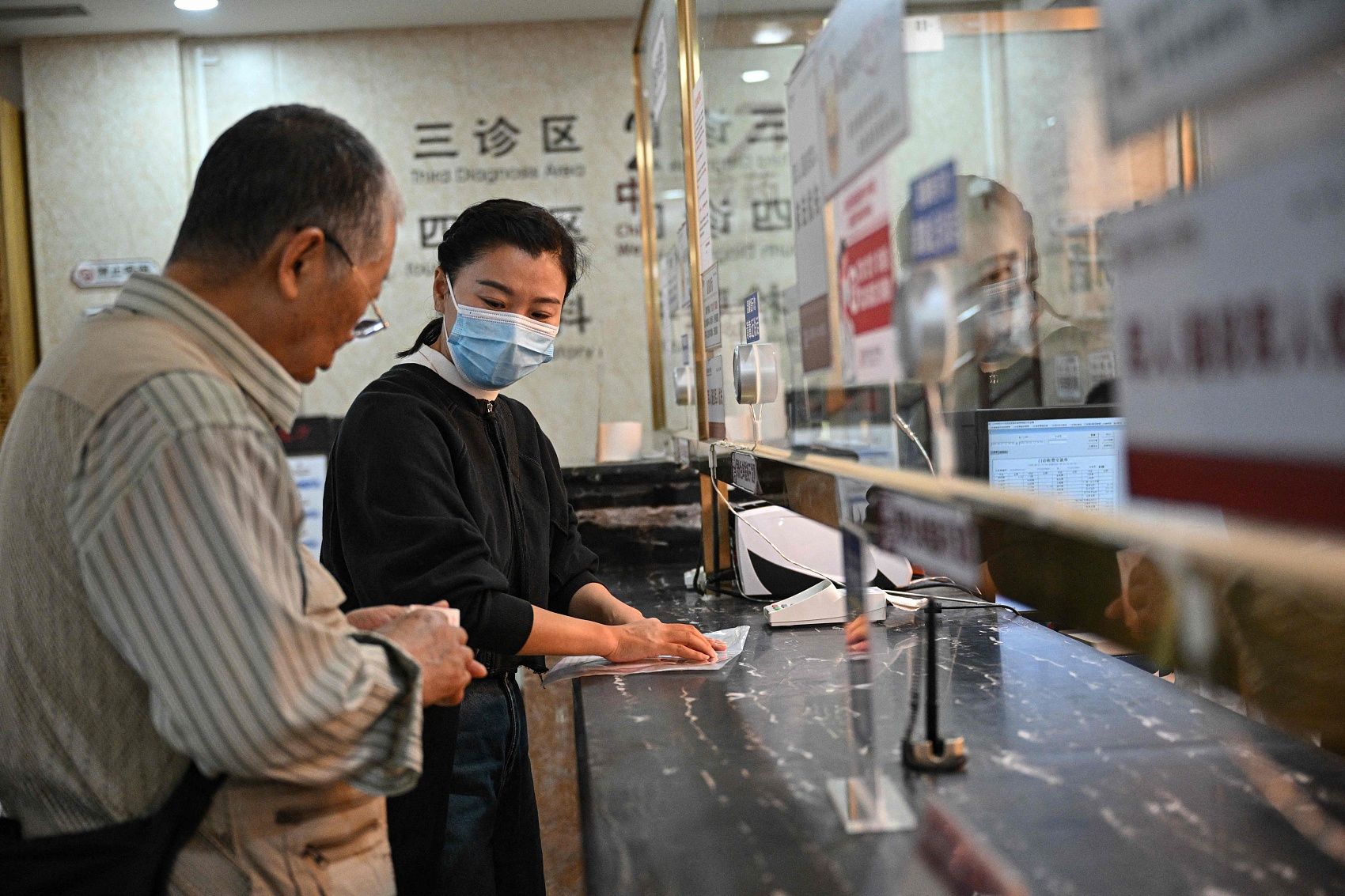
Many seniors struggle to navigate modern hospital systems, such as online registration, checking examination results, and handling other procedures, due to a lack of digital literacy (VCG)
According to a social benefits consultant who shares advice on rural insurance on Xiaohongshu, the vast majority of people who contact her about purchasing coverage for elderly relatives are daughters or daughters-in-law—as are all the caregivers who spoke to TWOC for this story.
The cost of access
Growing awareness of their future caregiving responsibilities has prompted many young people to prepare early. Dong, who has long known she would one day be her parents’ sole caregiver, began saving as soon as she entered the workforce. Her goal is 600,000 yuan—enough to cover emergencies and hire caretakers for up to 10 years, in addition to her parents’ pension, once she can no longer manage their care herself.
But for many in rural areas, the reality is even harsher: farmers often have no pensions and limited awareness, or means, to contribute to social benefits. As a result, many young adults are now purchasing medical and old-age insurance for their parents.
Early last year, Zhang, a resident of China’s central Hunan province who asked to be identified by her family name, learned that her home city would increase the basic old-age pension for over-60s seniors—about 150 yuan a month—to about 900 yuan if working adults or their children start paying a supplement before they turn 60 for 15 years. She did not hesitate to sign her parents up. Her parents, who make their living by growing oranges and other crops, had been paying the minimum insurance premiums for decades. Over the next three years, before her parents turn 60, she plans to pay 15 years’ worth of insurance premiums at the highest tier—totaling 180,000 yuan—so they can receive 900 yuan per month once they become eligible. At that rate, the plan would break even in nine years. “Then, the longer you live, the more you gain,” she says.
The Chinese government has been rolling out national basic old-age pension reforms like these since the 2010s, allowing people who previously paid little or no insurance to top up their contributions and receive higher pensions upon retirement.
But as application procedures and deadlines vary depending on location and a range of other factors, some people on social media have shared their failed attempts to make sense of the process or sign up for the program in time. Others have realized they simply can’t afford it, with the total reaching around 200,000 yuan for both parents. Some parents themselves are also reluctant to sign up due to the financial burden on their children. “[My father] thinks it’s not ‘cost-effective,’ since he might not live long due to the toil he’s had [so far],” Zhang says.
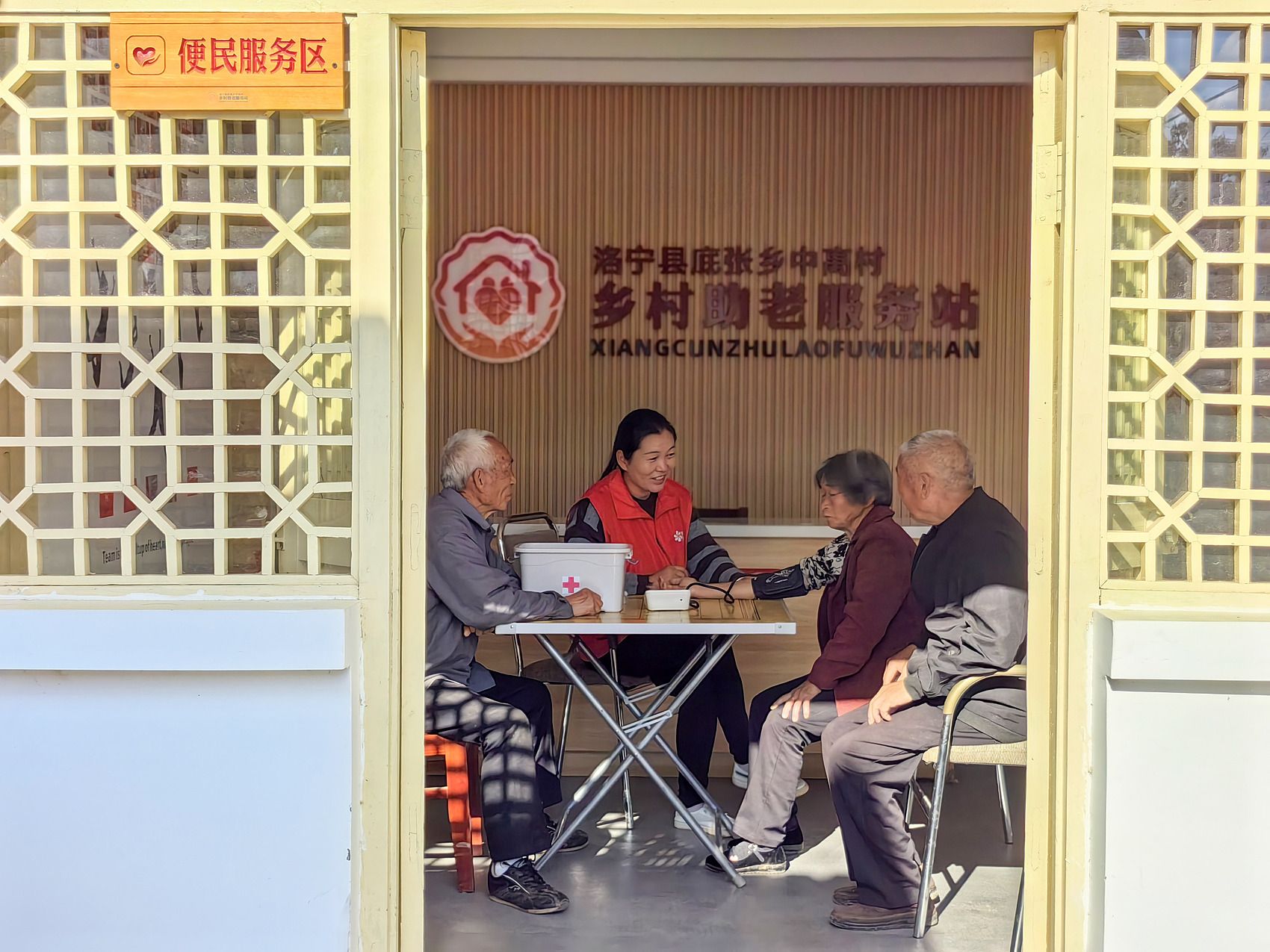
By 2021, over 100 million “empty-nest” seniors were living in China, mostly in rural areas, as urbanization and migration of young Chinese to cities for work continued to rise (VCG)
The cost for China’s rural medical insurance has risen sharply over time, from 10 yuan per person in 2006 to 380 yuan in 2023, albeit with better coverage. Statistics from the National Healthcare Security Administration show that the number of insured people in China’s rural towns and villages has also decreased year by year. In January 2024, an official from western Hunan told China Newsweek magazine that around 30 percent of residents in their area refused to pay.
But Zhang still believes that paying into insurance is necessary. The 900 yuan her parents would receive every month after they turn 60 will not only help them live comfortably in the countryside but also provide Zhang with a psychological safety net. Now working more than 300 kilometers away in Guangzhou, she is uncertain whether she can bring her parents to live with her or provide regular care for them when they can no longer work. So in addition to the national medical insurance, she also purchased commercial critical illness insurance for her parents as “double protection.”
Changes under the way
Chinese authorities have been actively implementing policies to prepare for an aging population, making the reform and development of elderly care services a key national strategy. The goal is to establish a comprehensive elderly care service network covering all rural and urban seniors by 2029, with further improvements by 2035, ensuring access to basic services at home, in communities, or professional institutions. The government has also issued a notice to promote the development of the “silver-haired economy,” including coordinating market supply and demand, optimizing development conditions, supporting research in relevant technologies (like elderly care robots), and enhancing government services and support.
Some improvements are already underway. Since the mid-2010s, a number of cities and provinces have rolled out the “parental care leave” policy, which grants employees 5 to 20 days of annual leave, typically paid, for care responsibilities. Only children may be entitled to longer periods of leave. In practice, though, some private companies like Gu’s and Cao’s do not comply.
The government has also stepped up efforts to make home visits to seniors, offer subsidies for retrofitting homes with elderly-friendly designs, and promote community-based care services, such as senior canteens. In 2024, the central government allocated 300 million yuan alone to support local authorities and businesses in providing affordable meal services for rural seniors.
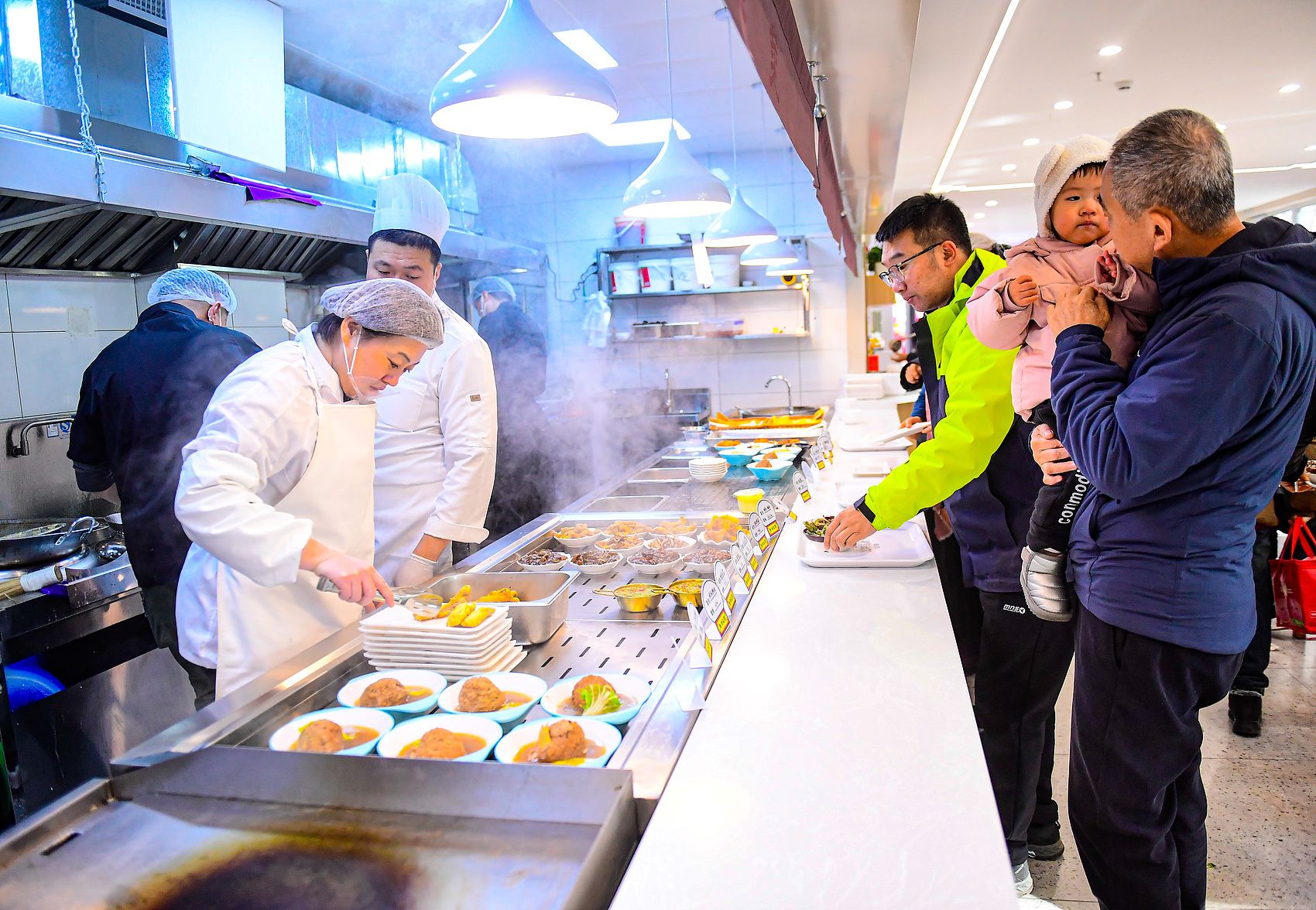
A senior canteen in northeastern China’s Shenyang province not only provides dine-in services but also delivers meals to elderly residents with physical impairments in the community (VCG)
By the end of 2024, China had nearly 410,000 elderly care organizations, both governmental and non-governmental, and around 8 million beds in senior homes. Over a third of these were community-based, more than double the number in 2019.
But even as beds for seniors are increasing, some families are still reluctant to place their elders in them due to cultural expectations that children should care for their parents in their old age. Several reported cases of employees abusing elderly residents in senior homes have fueled the stereotype about the quality of these organizations. Consequently, about 90 percent of China’s elderly are still cared for by their families, with just 3 percent living in retirement homes.
Dong’s parents have vetoed ever going into one of those facilities, calling senior homes “lonely and forlorn.” Dong, who used to work in interior design, has visited local nursing organizations and disliked their clinical atmosphere. She imagines they might be better in cosmopolitan cities like Shanghai, but the cost might be out of her reach.
The sentiment is shared online: “Ordinary homes in [Beijing’s] downtown areas cost around 10,000 yuan a month; those slightly better can double the price…it’s out of reach of common office workers like me,” a Xiaohongshu user complains as he struggled to find a nursing home that didn’t “feel like a prison” or break the bank.
To address these concerns, guidelines regulating the elderly care industry were issued last December, mandating that elderly care facilities disclose information such as legal registration, room types and quantities for residents, and fee standards, while also outlining basic requirements for service content and standards.
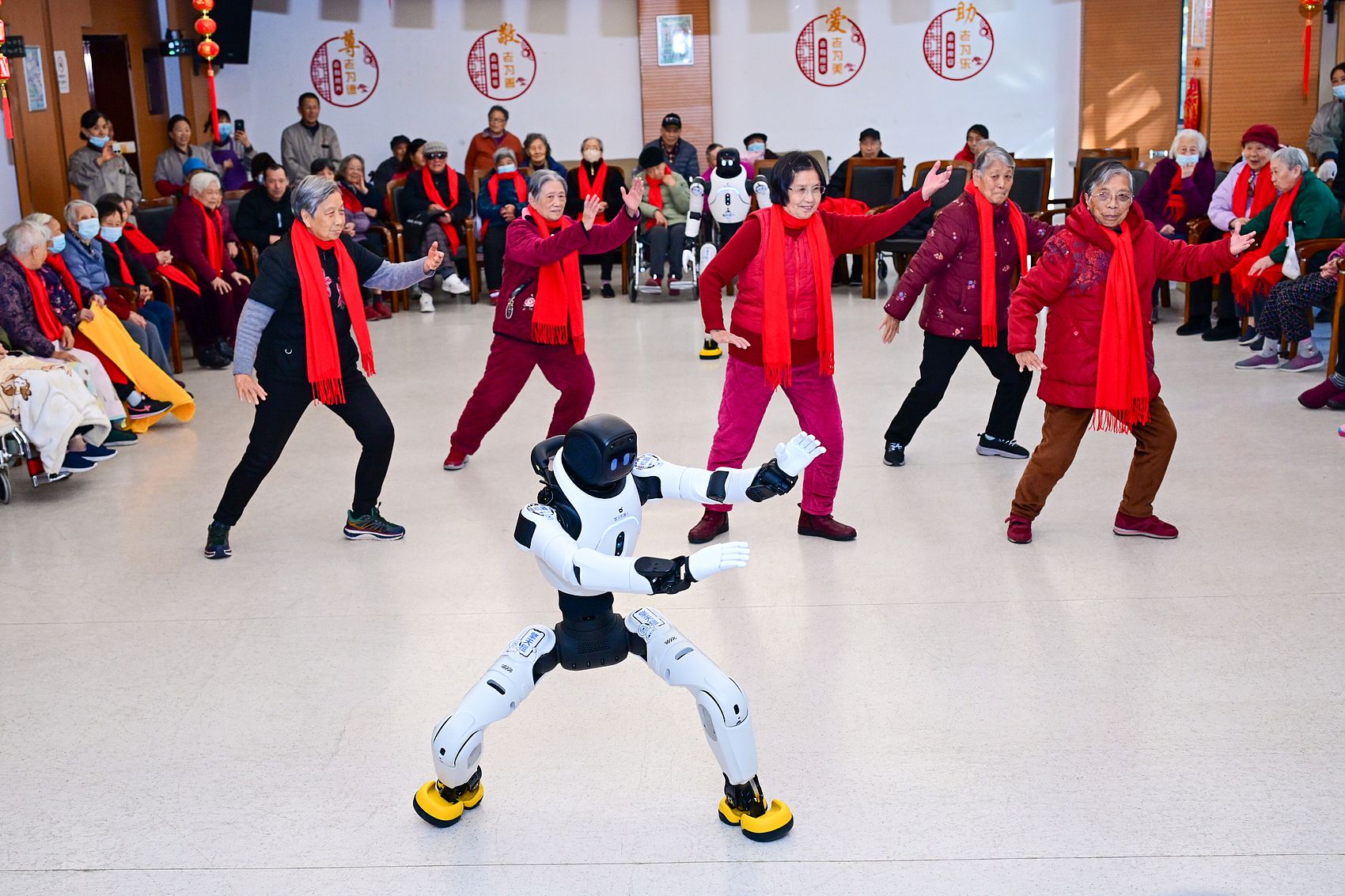
A nursing home in Kunshan, Jiangsu province, has introduced robots to engage and entertain its residents (VCG)
Aside from governmental efforts, a growing number of new businesses have also emerged in the industry, including “outsourced children (外包儿女)”—professionals who visit the elderly in retirement homes—and peizhenyuan (陪诊员), or “medical escorts” who accompany them for check-ups. According to the leading enterprise information platform Qichacha, there are over 1,000 registered businesses offering peizhen services, most of them established in the past three years. A report from the consultancy platform Intelligent Research Group showed that medical escort services were used a total of 4 million times in 2023 alone.
Xiao Juan, a 53-year-old medical escort, has been working in Shanghai for the past three years. Having mastered the local hospitals’ labyrinthine floorplans, she mainly accompanies patients to medical appointments and guides them through procedures. For seniors unfamiliar with smartphones, she is also their go-to resource for hailing taxis, airport or railway station pickups, and other tasks that require digital literacy.
“Many clients have praised my colleagues and me for being more reliable than their own children,” she recalls. Even so, she admits that professionals like her cannot replace the client’s real children when it comes to making medical decisions, signing papers, or always being there for their emotional ups and downs.
Seeing their parents age and facing the responsibilities of elder care has also prompted young adults to start planning for their own retirement. Since 2021, Gu has been purchasing insurance for critical illness, accidents, and elderly care for herself, while Dong plans to implement elder-friendly designs in her home. But Dong’s ideal retirement plan is still to move into a well-regulated nursing home, where she can be surrounded by peers and professional caregivers, with activities that cater to her interests, health, and emotional well-being. With both government initiatives and business efforts advancing rapidly, her dream might not be too far off.
The names of the interviewees in this piece have been changed to protect their privacy.
Related Articles



