It was less than a month ago that Chinese milk tea brand Molly Tea and Love and Deepspace, a hit sci-fi romance game in which players build relationships with male love interests, launched one of the most successful brand collaborations in recent memory. Stores across China quickly sold out of tea cups and free merchandise featuring the game’s characters. The ordering app crashed, and some stores stopped accepting orders just 30 minutes after opening for operation hours. The wait for orders was so long at many storefronts that some fans even instructed their delivery drivers to just snatch the merchandise and forget about the tea they had already paid for.
Yet almost as soon as the collaboration ended, both brands found themselves embroiled in separate controversies. Louis Vuitton sued Molly Tea for trademark infringement over its logo, and a court ordered the chain to pay 10.3 million yuan.
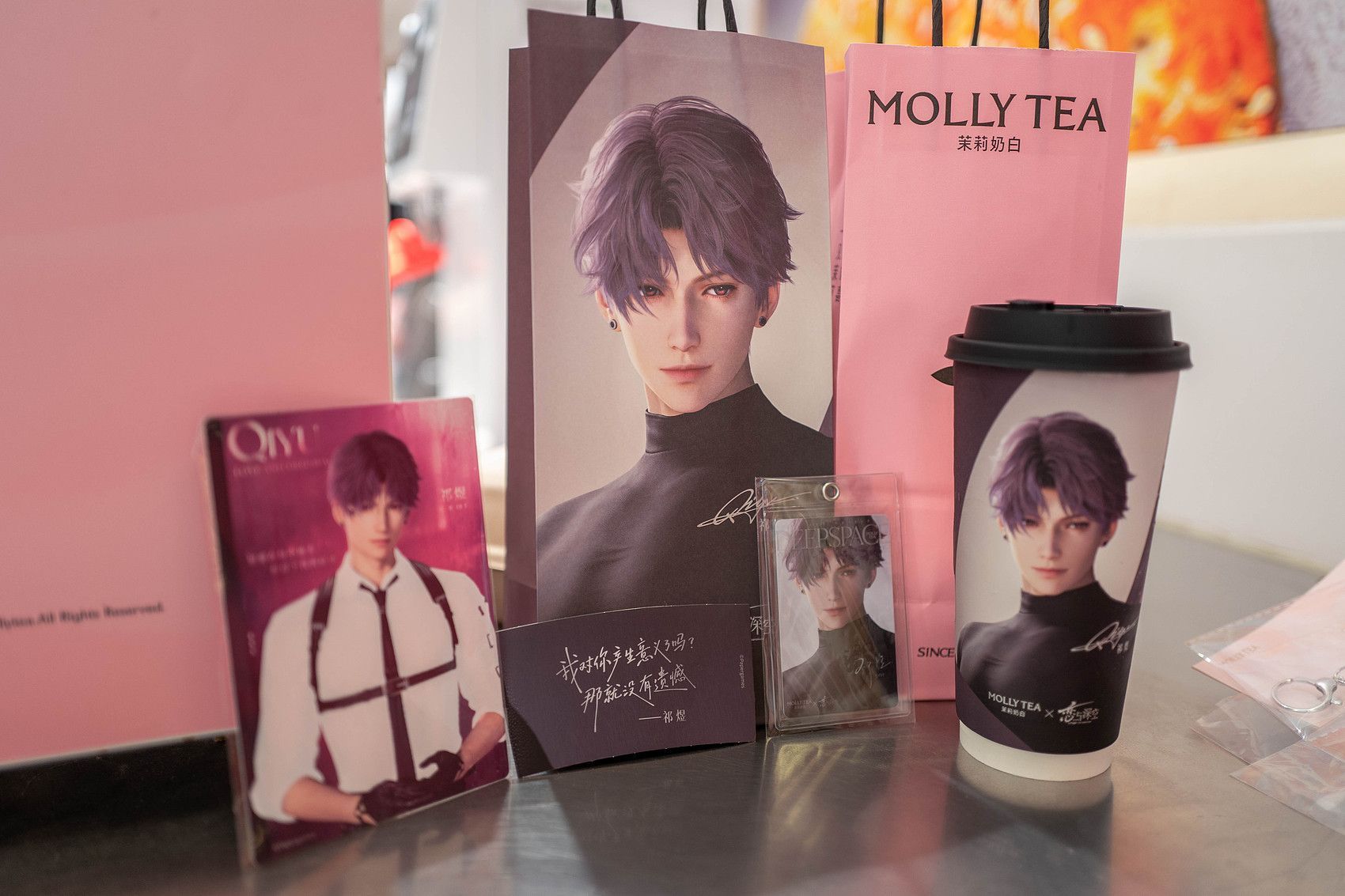
A full set of Love and Deepspace merchandise from the Molly Tea collaboration (VCG)
While much of the online reaction has been sympathetic to the milk tea chain, Deepspace, however, has fared far worse. A wave of backlash from its own fan base has hit the once-beloved game following the introduction of a new werewolf character. When the first promotional video for Valko, known as Ao Yin (敖尹) in Chinese, was released on June 22, many longtime players immediately found the character’s seemingly vulgar and aggressive design jarring compared with the gentler aesthetics of the game’s existing characters.
The promotional video shows Valko entering players’ homes through the window and features the line, “What’s wrong with inviting a wolf into the house?”—a play on a Chinese idiom 引狼入室 (“to invite a wolf into one’s home”), which means bringing a dangerous person or threat upon oneself. Many players, the vast majority of them women, found the wording troubling, as it turned social issues such as women’s safety into romanticized entertainment and failed to acknowledge the gravity of the issues involved.
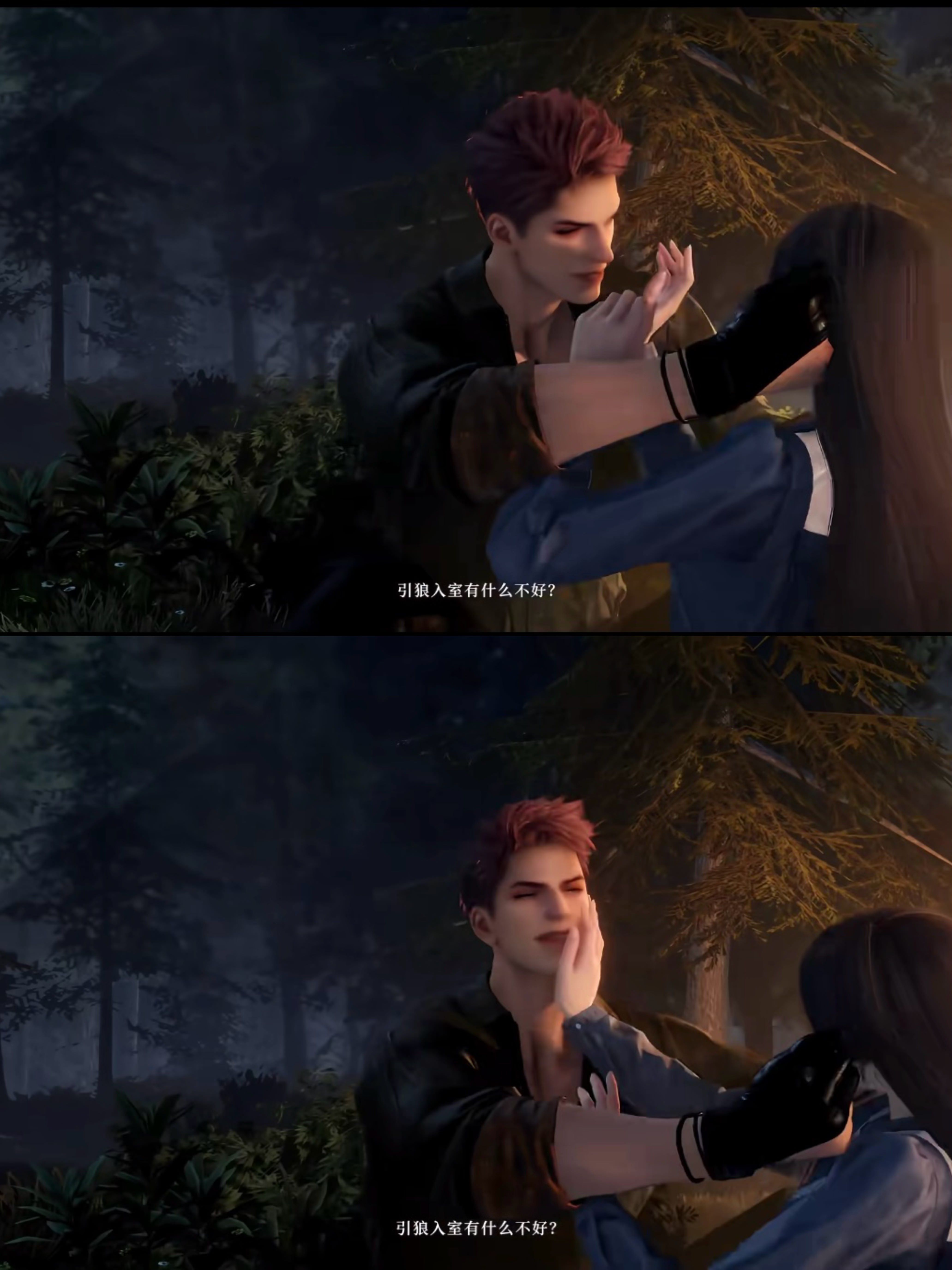
A scene from the promotional video showing the female protagonist seemingly rejecting Valko’s advances, paired with the line “What’s wrong with inviting a wolf into the house?” sparked a wave of backlash among Chinese players (screenshots of the official promotional video)
“A warm and peaceful home that had always revolved around me was suddenly invaded by a manic, abusive man, and now I’m somehow expected to form an emotional bond with someone like that,” a player told the Guangzhou-based magazine South Reviews in July.
The update appears to have also set off a domino effect, with fans resurfacing a string of past grievances, including the lack of progress in the game’s main storyline while developers appeared to shift resources toward the new character. Papergames issued an open letter to players on June 28, promising equal treatment for all six characters, but it only seemed to further inflame players’ anger. The top comment under the announcement post on Weibo simply reads “I don’t accept this” and has received more than 175,000 likes.
The controversy further intensified as some players pointed out that the file number assigned to a villain’s human experimentation records in the storyline—A-0731—appeared to reference Unit 731, a Japanese military unit responsible for war crimes, including developing biological weapons and conducting human experimentation, in northeastern China in the 1930s and 40s. While Papergames responded that the number was randomly generated in another statement on June 29, many critics and long-time players still found the explanation inadequate. It did little to ease public anger, as it touched a sensitive historical nerve.
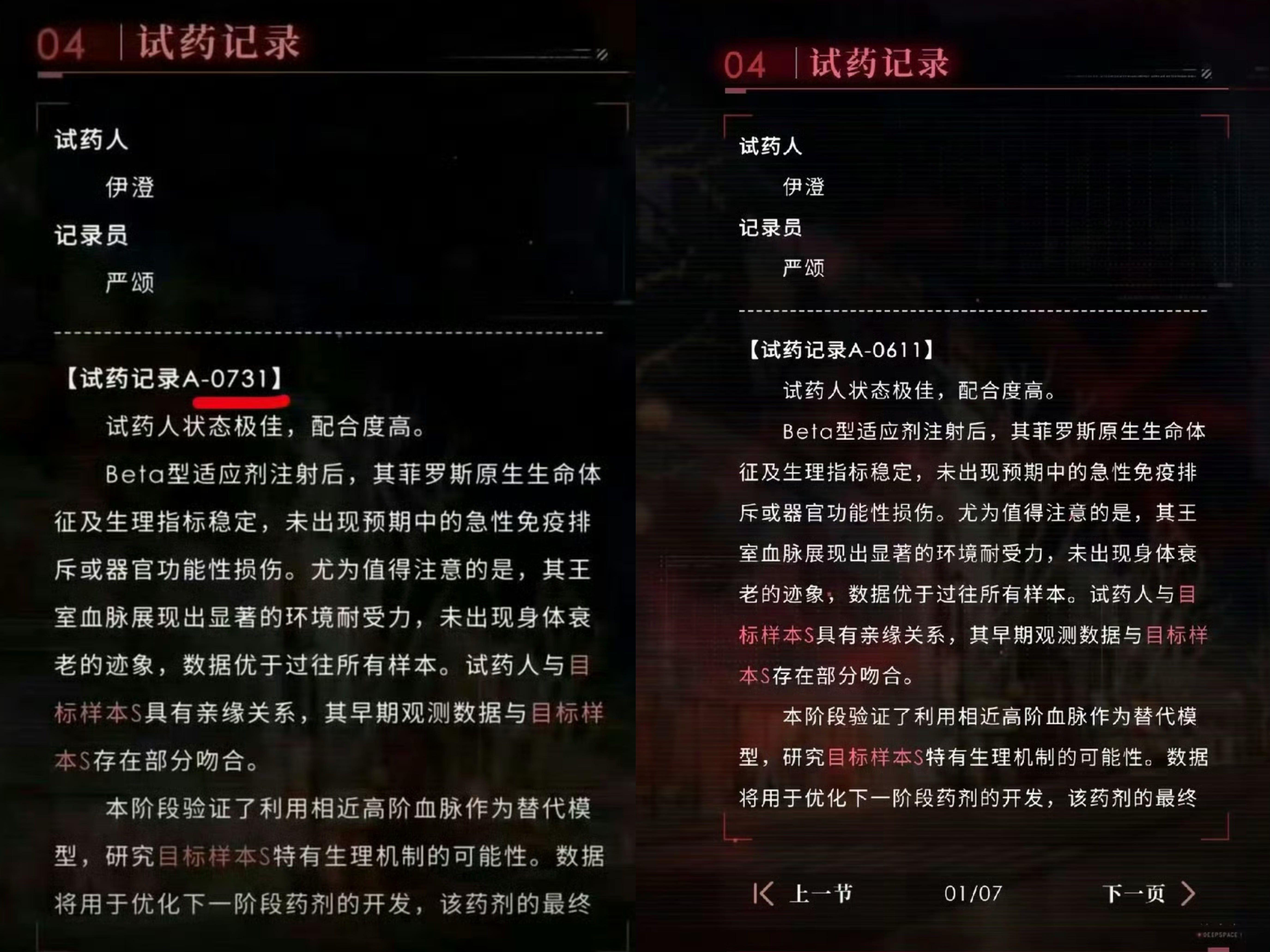
The file number has since been changed from 0731 to 0611 (screenshots via Weibo and Xiaohongshu)
As criticism snowballed across social media, many players deleted the game, requested refunds, and left negative reviews. At the time of writing, Deepspace has an App Store rating of just 1.4 stars, while its seven-day rating on Chinese gaming platform TapTap has dropped to 2.4 within a week. Several state media outlets, including China Women’s News and The Beijing News, published opinion pieces criticizing the game’s handling of serious safety and political issues.
Papergames issued another open letter on June 30, announcing that it would cancel the new character and pledging not to introduce any more characters to the game.
On July 8, the official social media accounts of China’s Ministry of Public Security also published articles criticizing Deepspace, further cementing the game’s downfall.
On the same day, Papergames issued a public apology, taking responsibility for the recent controversies. The company also announced its withdrawal from Bilibili World, the country’s largest comic convention, which opened on July 10, and said it would reimburse fans for their hotel and ticket expenses.
Many players, however, believe the developer backed down not because it recognized its mistakes, but because it feared losing users and revenue. The stakes are high: Deepspace has been an extraordinarily lucrative game.
According to a 2025 report on female-oriented games, China’s female-oriented gaming market reached over 8 billion yuan, a 124 percent year-on-year increase, far outpacing the growth rate of the country’s gaming industry as a whole. Since its launch in January 2024, Deepspace has remained the leading title in the genre. According to media outlet Ifeng Tech, the game’s monthly revenue is more than 100 million yuan.
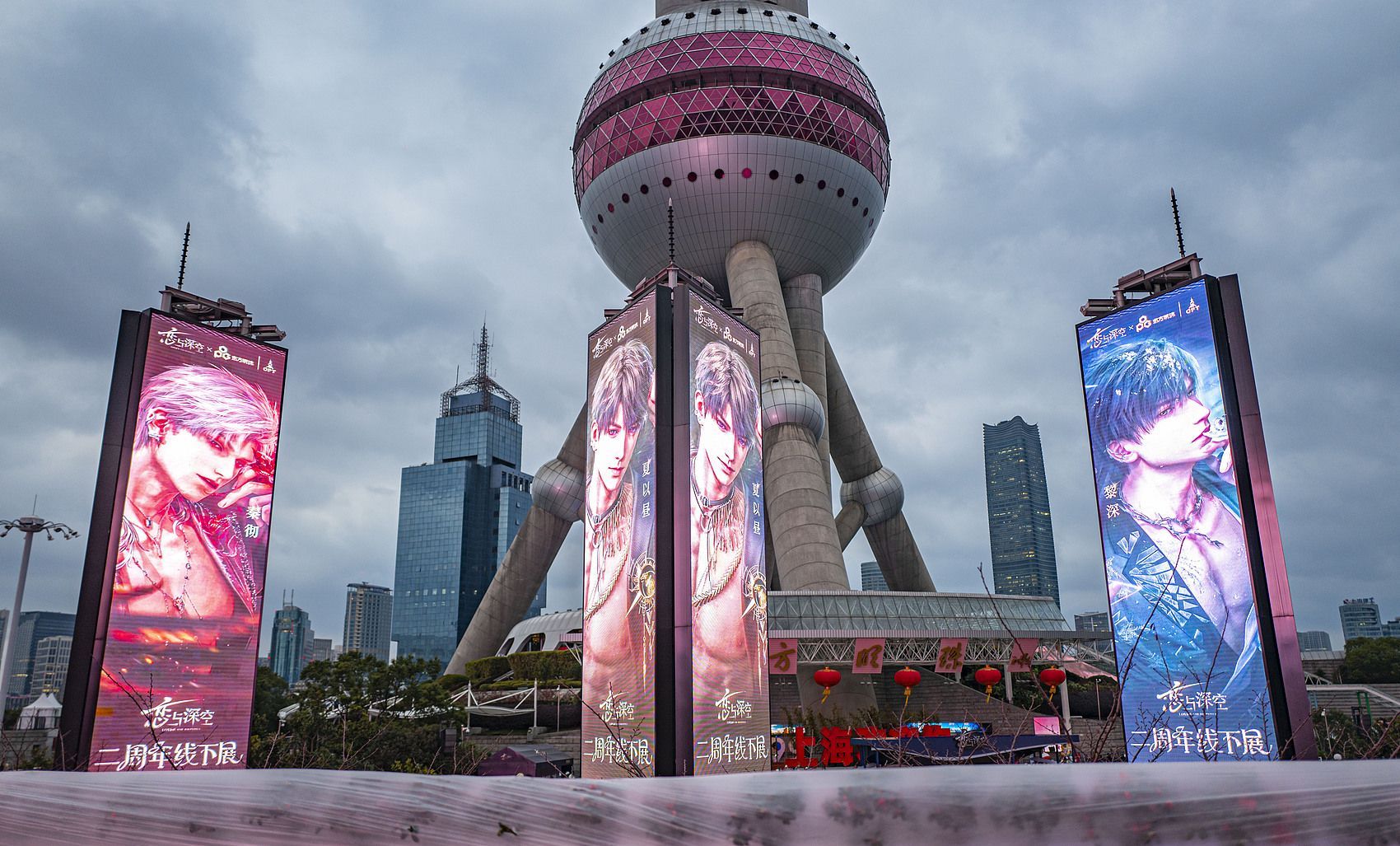
Love and Deepspace had been an immensely popular game before recent controversies. Its second-year anniversary exhibition under Shanghai’s iconic Oriental Pearl Tower drew over 100,000 people in just five days. (VCG)
Its overseas reach is equally substantial. According to Sensor Tower, as of May 2026, the game had generated more than 500 million US dollars in cumulative overseas revenue, making it one of the world’s highest-grossing interactive romance mobile games. In May alone, the game ranked among the top 10 highest-grossing Chinese mobile games overseas, with monthly overseas revenue surpassing 22 million US dollars. The new werewolf character, an immensely popular archetype in Western markets—as evidenced by its popularity in short dramas and fan fiction—has actually been warmly received by overseas players. A petition on iPetitions calling for Valko’s return has gathered more than 240,000 signatures. Papergames has yet to respond.
The company has been the leader of China’s otome genre since the 2017 launch of Mr Love: Queen’s Choice, which helped bring the once-niche interest into the mainstream. For years, it has relied on a familiar formula: introducing new male love interests and accompanying gacha card pools to drive short-term spending. It had previously introduced two new characters, Xia Yizhou and Qin Che, to Deepspace, with both updates sending the game to the top of the iOS grossing charts.
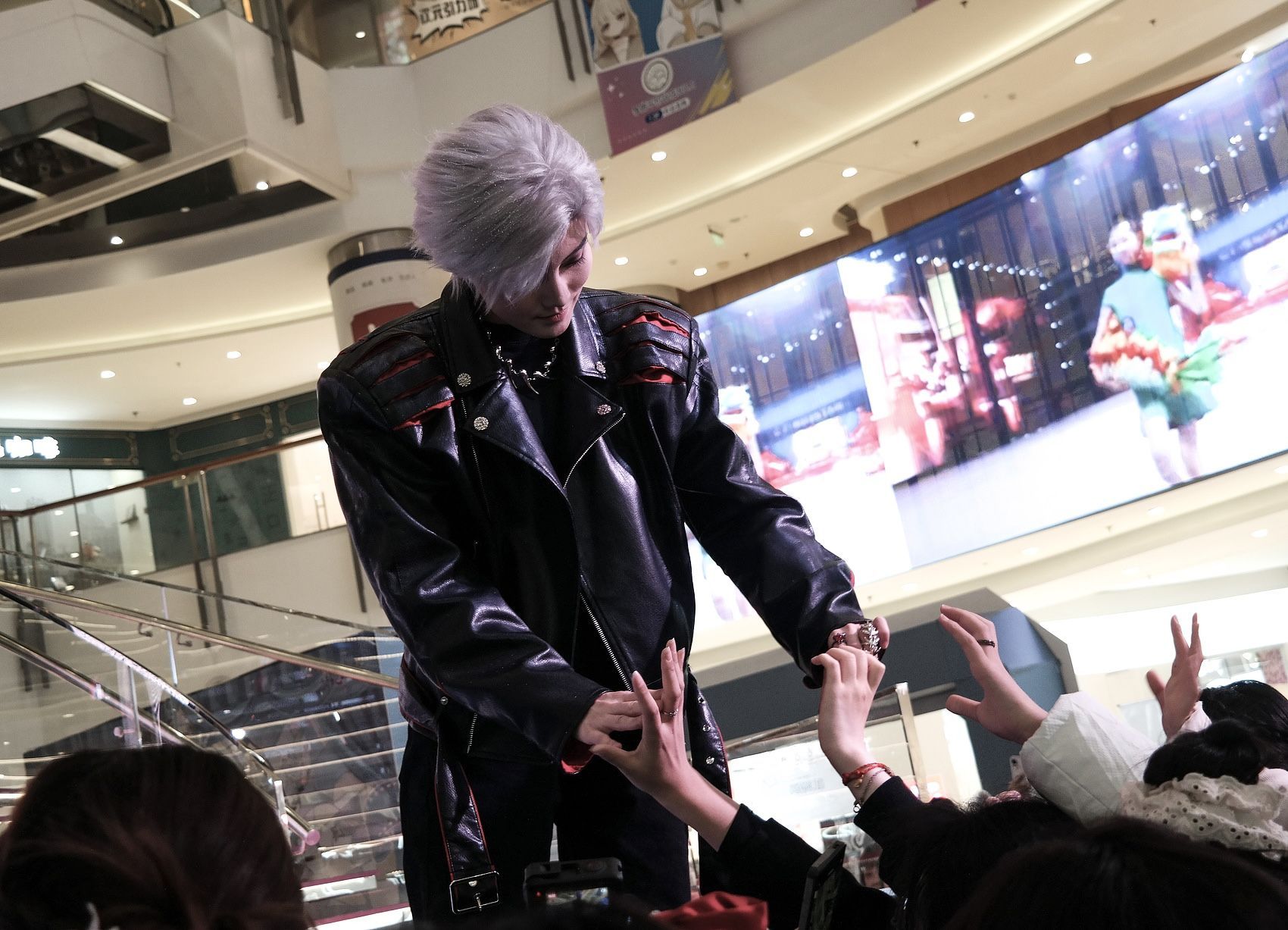
At a 2024 Love and Deepspace pop-up event in Jiangsu, cosplayers dressed as characters from the game greeted fans and posed for photos (VCG)
However, what continues to draw users is not simply the introduction of new, hot male characters. Liu Zun, research director at DataEye Research Institute, told National Business Daily in July that the incident highlighted the unique nature of otome games: players tend to form exclusive, deep attachments to characters, meaning their monetization models cannot simply follow the logic of conventional gacha games.
For players, these games are not merely about collecting digital characters; they are about the companionship and emotional value these games provide to women, who seek to feel loved and, more importantly, respected. In a genre where emotional trust is the product, losing that trust may be far more costly than losing a single update.
Related Articles