Newsletter
Popular

  • Society
  • Life
  • Business
  • Language
  • History
  • Arts
  • Literature
Podcast
Video
Magazine

  • China
  • International

  • About Us
  • Our Team
  • Join Us
  • Contact Us
  • Pitch to Us
Follow Us
Newsletter
The World of Chinese logo
Sign In SUBSCRIBE
Popular
Topics
  • Society
  • Life
  • Business
  • Language
  • History
  • Arts
  • Literature
Podcast
Video
Magazine
Shop
  • China
  • International
About TWOC
  • About Us
  • Our Team
  • Join Us
  • Contact Us
  • Pitch to Us
Subscribe
Cart
FOOD

Bubble Trouble

Blobs in your tea, and the fine line between writing and exoticizing “ethnic” food

David Dawson
August 22, 2017
bubble-master.jpeg
Photo Credit:

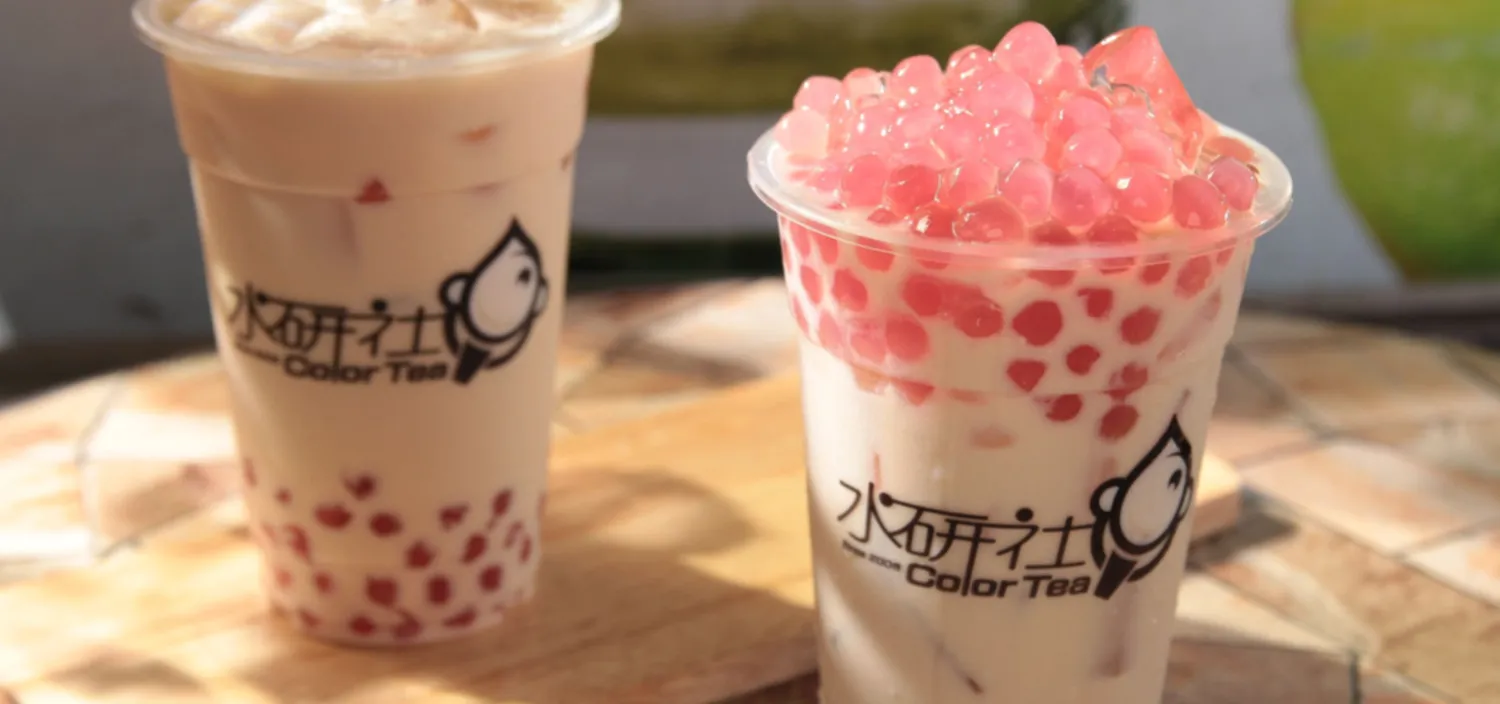
Editors at The New York Times recently embarrassed themselves with an article on bubble tea that read as if they had just discovered some exotic new fetish, rather than a common drink originating from Taiwan, which has been around for at least the last couple of decades in most US cities and even longer, of course, throughout Asia.

But it was hardly the first time something like this has happened.

The Tumblr whitepeoplediscoverthings has logged plenty of similar examples from around the world. In the case of bubble tea, one annoyed writer cataloged a litany of scaremongering pieces that urge caution when drinking the tea, due to its unhealthy sugar content—while failing to note that plenty of sweets like gummy bears are not subject to the same fear-mongering. It’s a dessert. It’s not meant to be healthy.

Then again, scaremongering and xenophobic double standards about Chinese foods (and any “immigrant” food by extension) are nothing new.

There’s a fine line between writing about a food or tradition from another culture, and exoticizing it. The NYT has frequently dabbled in a bit of both, with varying results. There’s little objectionable in their straightforward recipe for the Dongbei classic smashed cucumber dish (拍黄瓜), for example, though one does wonder how the dish can be said to “take Manhattan.”

On other occasions, the lines are fuzzy. Take, for example, this piece on how people in certain parts of China lift up their tops to bare their midriffs in hot weather, in what expats apparentlt nickname “the Beijing bikini” (though it’s far from isolated to Beijing). Is this exoticizing something pretty normal? Maybe.

In such cases, it’s probably best to just to hire a more diverse editorial staff.


Cover image from drink-tea.com.tw

Tags:
BLOBS BOBA BUBBLE TEA MEDIA NEW YORK TIMES NEWS

Related Articles

Canned peach shortage
NEWS

Canned Peach Shortage and Other Trending News

American Alligator Gzar

Lake Drained for ‘Monster Fish’ and Other Trending News

Top Stories Collage
SOCIETY

Top 11 TWOC Posts of 2021

photo-collage (1)
NEWS

2021: China’s Year in Viral News

Related Articles

Canned peach shortage
NEWS

Canned Peach Shortage and Other Trending News

Canned peaches sell out as fever cure and ‘Travel Code’ goes offline as China shifts pandemic narrative, and new Nanjing Massacre diary published—it’s Viral Week

American Alligator Gzar

Lake Drained for ‘Monster Fish’ and Other Trending News

Carnivorous fish caught in Henan lake, volleyball players compete in masks, new “Minions” movie censored, and China’s last reindeer tribe’s leader passes away—it’s Viral Week

Top Stories Collage
SOCIETY

Top 11 TWOC Posts of 2021

What stories did our readers like most this year?

photo-collage (1)
NEWS

2021: China’s Year in Viral News

Viral news that shocked, amused, and stayed with us this year

Subscribe to our newsletter

Scan to follow us on WeChat

Or add: Theworldofchinese

Topics

  • Society
  • Life
  • Business
  • Language
  • History
  • Arts
  • Literature
  • Photo Stories

Media

  • Magazines
  • Books
  • Podcasts
  • Videos

News and Events

  • Announcements
  • Events

About TWOC

  • About Us
  • Our Team
  • Join Us
  • Pitch to Us
  • Contact Us

PARTNERS

© THE WORLD OF CHINESE | 京ICP备05007371号-7