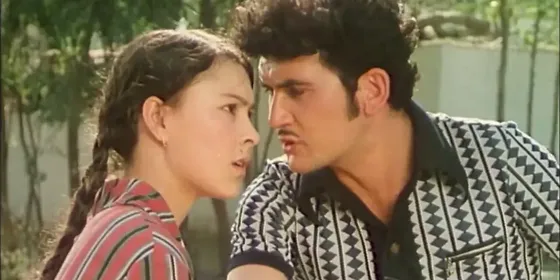

Should a daughter's duty to her family take precedence over her own independent life? This is the question posed by director Yin Ruoxin in Sister, which tackles the tensions between familial duty and personal values, as well as the traditional preference for sons in China.
The relatively low budget film has been an unexpected hit, raking in over 520 million RMB at the box office since its release on April 1, outperforming Hollywood blockbuster Godzilla vs. Kong.
Yin's movie follows 24-year-old An Ran (Zhang Zifeng), who finds herself torn between raising the 6-year-old brother she barely knows and moving to the city to pursue further studies after their parents die in a car crash. An Ran faces relentless pressure from her extended family to sacrifice her own pursuits to provide for An Ziheng (Jin Yaoyuan), whose future is deemed more important for the family.
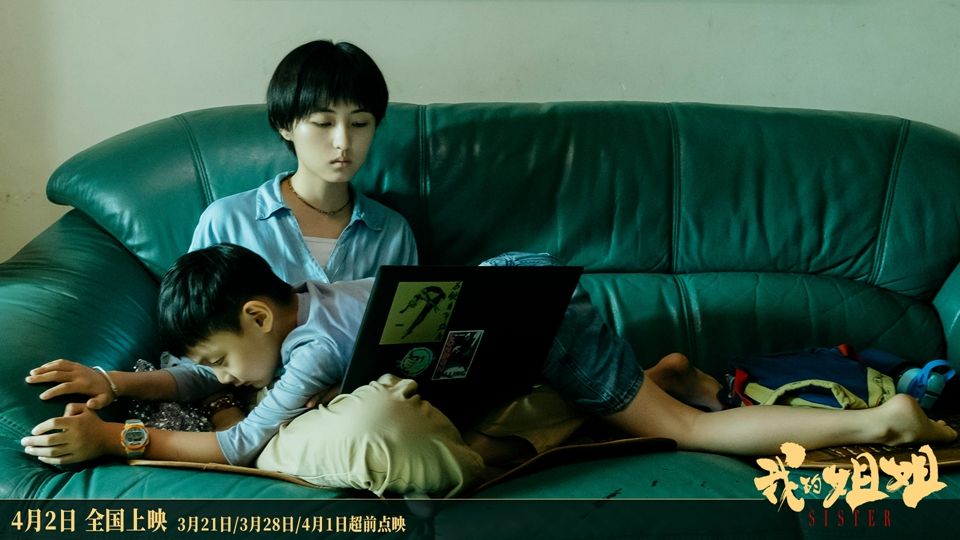
Sister has captured the public's attention for its focus on the challenges faced by women within a patriarchal society where some families continue to prefer sons over daughters. The hashtag for the movie has been viewed over 560 million times on Weibo, with many viewers empathizing with An Ran and her suffering.
In the film, An Ran's parents were so desperate to have a son that they pretended that An Ran was disabled so they could circumvent the One Child Policy and get permission from the local authorities to have a second child. Later, An Ran's plan to enter medical school is torpedoed by her parents, who secretly alter her college application to get her into a nursing program so that she could stay close to home and start earning money more quickly for the family.
As a nurse, An Ran is often confronted by desperate families wanting a son. One of her patients, already a mother of two daughters, is warned that having another baby could kill her, yet still shouts, “I want to give a birth [to a son]!” As An Ran begins interacting with her brother, the boy spits at his older sister and declares, "Dad said everything in this house belongs to me!"
An Ran's story is one that many viewers have recognized. In response to the film, People magazine invited readers to share their stories of discrimination at the hands of their male-preferring families on Weibo. Among many tales of daughters who were bullied by their brothers, or whose parents refused to pay for their education so they could save up to buy a house for their son, one 28-year-old reader recounted how her family had not registered her with the government when she was born so that they could try for a son. As part of the ruse, the reader had to call her parents "auntie" and "uncle."
This gender bias is based on longstanding beliefs that sons can support parents in their old age. Daughter's traditionally marry into their husband's family and were expected to perform housework and look after children, so are unable to provide for their own parents.
Particularly jarring for viewers is the role of An Ran's aunt An Rongrong (Zhu Yuanyuan) who sacrificed her own college education so that her younger brother (An Ran's father) could go to university. In spite of this, An Rongong pushes her niece to make the same sacrifice, defending the values that have made her own life miserable. But as the movie progresses, An Rongrong begins to reflect on the damage that patriarchal values have inflicted on her, remembering how she was abused by her male cousin and sexually assaulted by her uncle, all without consequence for the offenders.
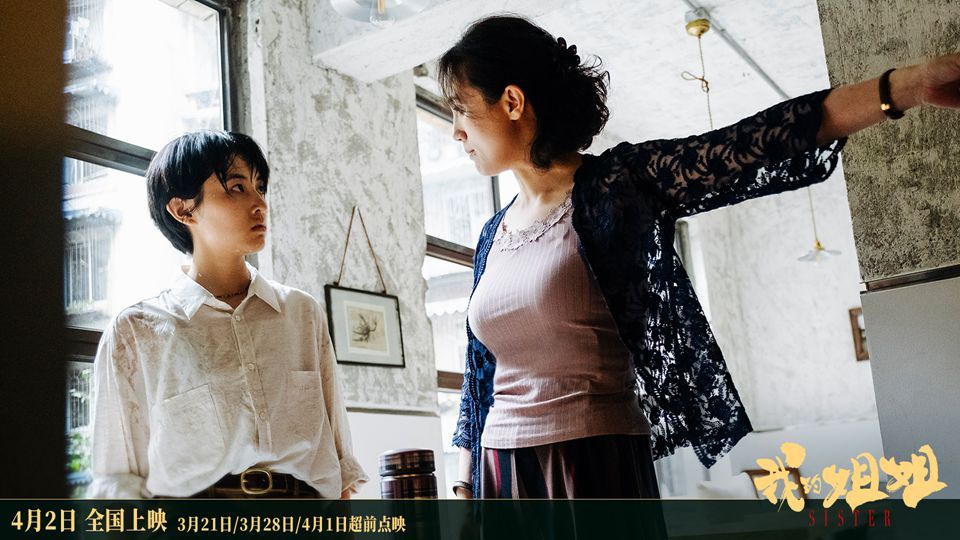
An Ran's aunt criticizes her for refusing to care for her brother
Sister has undoubtedly captured a slice of social reality in China, and proved refreshing and controversial for it. It was the biggest success over China's Tomb Sweeping Day holiday, but has since seen its ratings fall on Douban, a ratings platform, from 7.9 to 7.2 points out of ten. Negative reviews of the movie tend to focus on the ambiguous and unsatisfying ending, which appears to sweep under the carpet the complexities of the rest of the film.
But the strong performance of 20-year-old Zhang Zifeng as An Ran and the challenging subject matter make for a compelling watch overall. An Ran's story is one that still exists in China today—and now exists on the big screen too, hopefully getting more people to talking about it.
Related Articles