Three years ago, when Li Wei returned to his hometown, Menglian, he was pleasantly surprised by the sight of avocado trees blanketing the surrounding mountains. Bordering Myanmar, Menglian is an autonomous region for the Dai, Lahu, and Va ethnic groups that once relied primarily on tea planting and tourism. Now, it makes up nearly 80 percent of China’s domestic avocado production.
As a photographer of the Hani ethnic group, Li, who also goes by the name Dameng, has long aspired to use his craft to capture the culture and development of his hometown. These passions eventually led him to a new venture: founding a farm in Nanya village, where avocado cultivation and ethnic culture take center stage.
Avocados have only become popular among China’s urban middle class in recent years. Most are imported from countries like Mexico and Peru. Domestic avocado farming remains a relatively new industry, but Menglian stands out as one of the pioneering towns where this endeavor has achieved notable success.
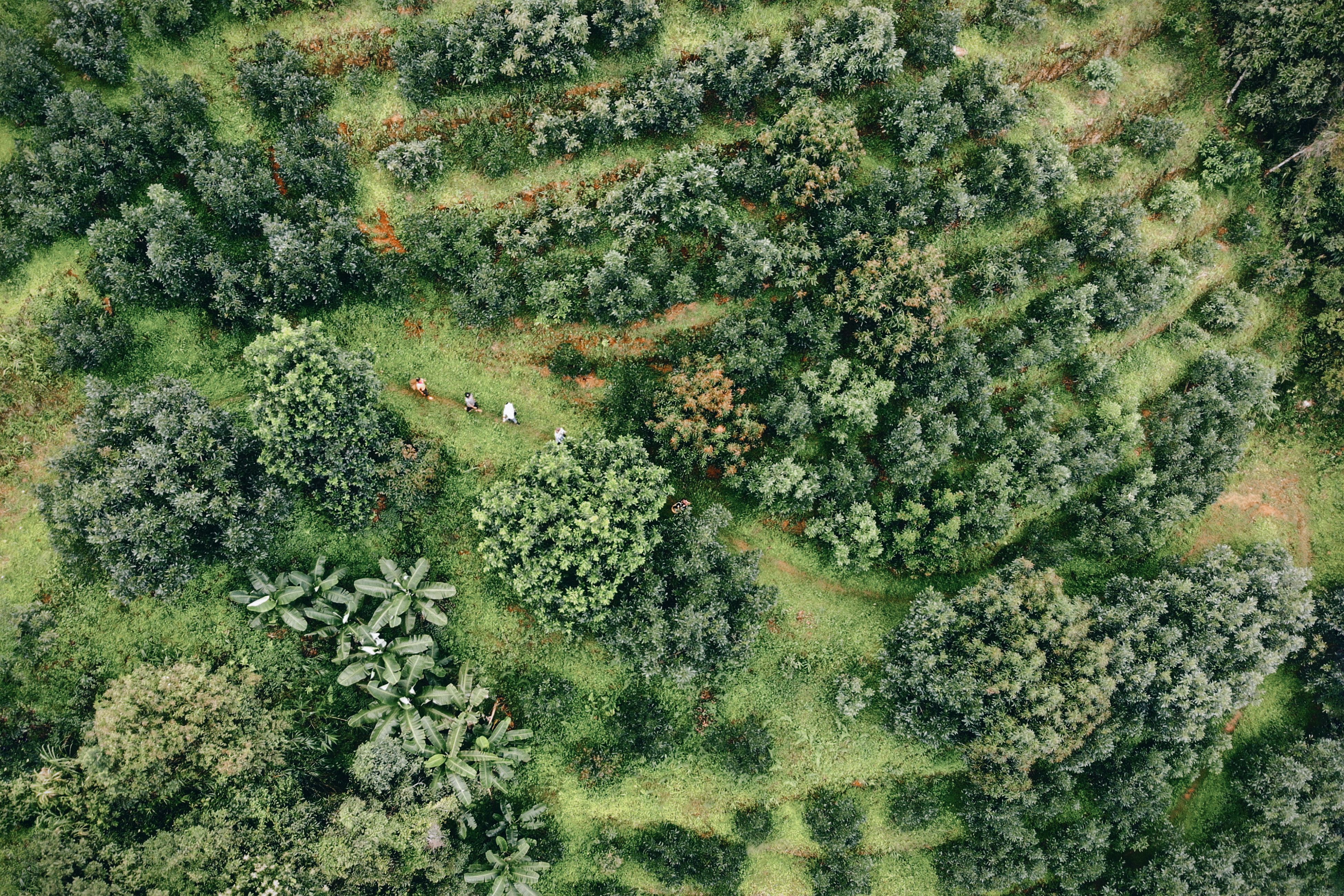
Workers at Li Wei’s avocado farm on their way to manually weed the fields. He is persuading villagers to avoid using herbicides.
Menglian, which means “a great place to find” in the Dai dialect, has an average annual temperature of about 20 degrees Celsius. It has mild winters, no extreme summer heat, and abundant rainfall—a climate similar to the capital of avocado plants in Mexico. Noticing this ideal location, a man named Qi Jiazhu planted the very first batch of avocado trees in Menglian in 2007.
Check out more photo stories capturing contemporary China:
- Leisure and Spirituality in China’s Karst Caves
- Documenting Beijing’s Modern Apartment History
- How China’s Dancing Lions Get Their Heads
However, the road to large-scale plantations was a bumpy one. Avocados take four to five years to bear fruit, but since local farmers lacked experience, it took them 10 years to produce a reliable harvest. Li’s farm in Nanya has grown from 23 mu (3.8 acres) to over 300 mu (49 acres), supplying avocados to cities like Beijing and Shanghai.
The people of Nanya village, primarily belonging to the Va and Lahu ethnic groups, practice animism and hold deep reverence for the land, rivers, and trees. They also preserve traditional crafts, such as hand-woven brocade. “This deep bond with nature inspired [our farm] to adopt a sustainable development model that respects both land and nature while contributing to community welfare,” Li tells TWOC.

In 2023, Menglian became the largest avocado producer in China
While it remains to be seen how avocados will affect the local environment, its economic impact is already evident: According to state media Science and Technology Daily, 37,000 people in Menglian have benefited from avocado farming since last year. Farmers can earn approximately 7,000 yuan per acre in dividends, and the industry creates more than 3,000 local jobs annually, with an average annual income of over 15,000 yuan per person.
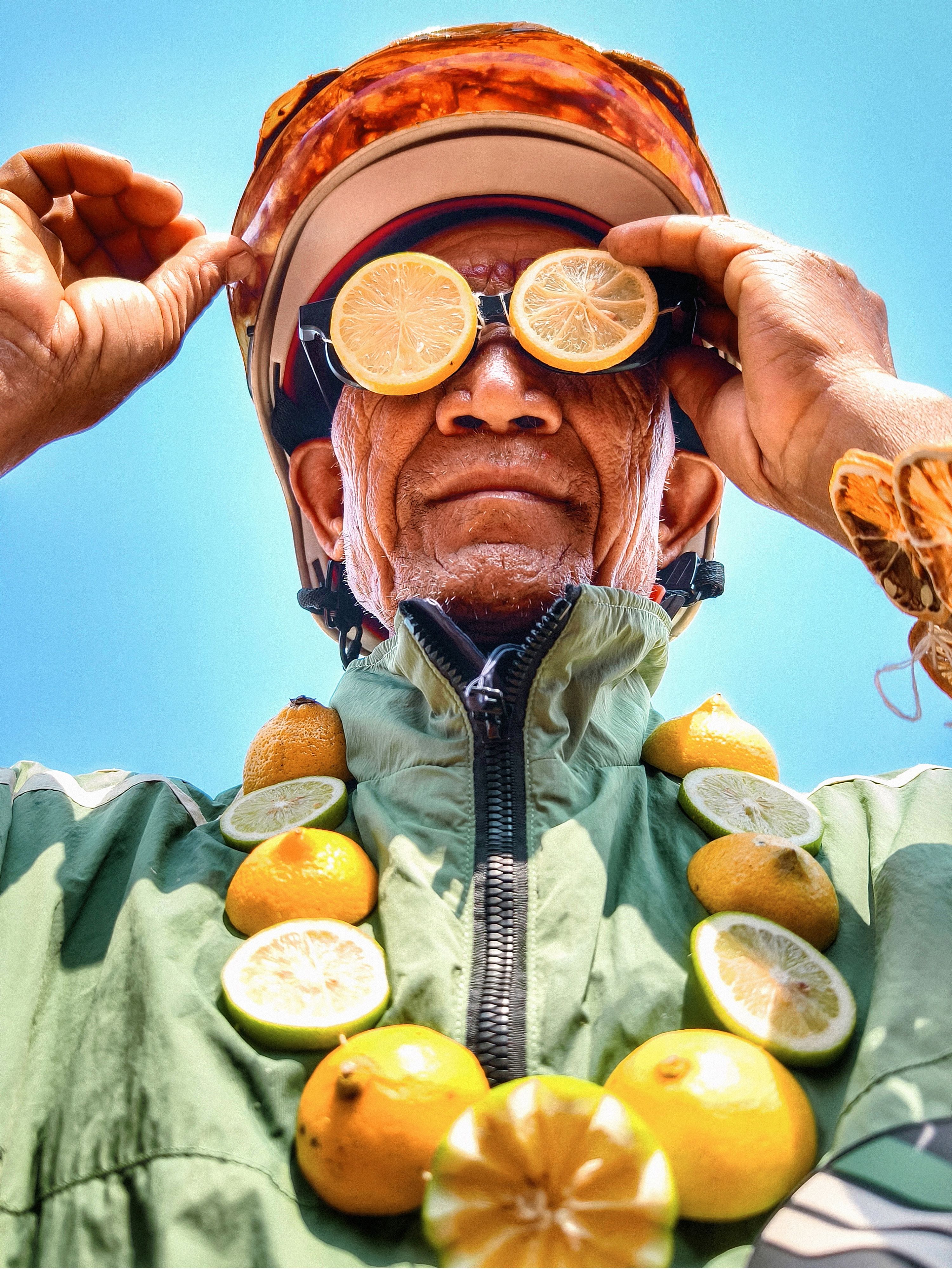
Menglian also produces coffee, tea, lemons, and various tropical fruits
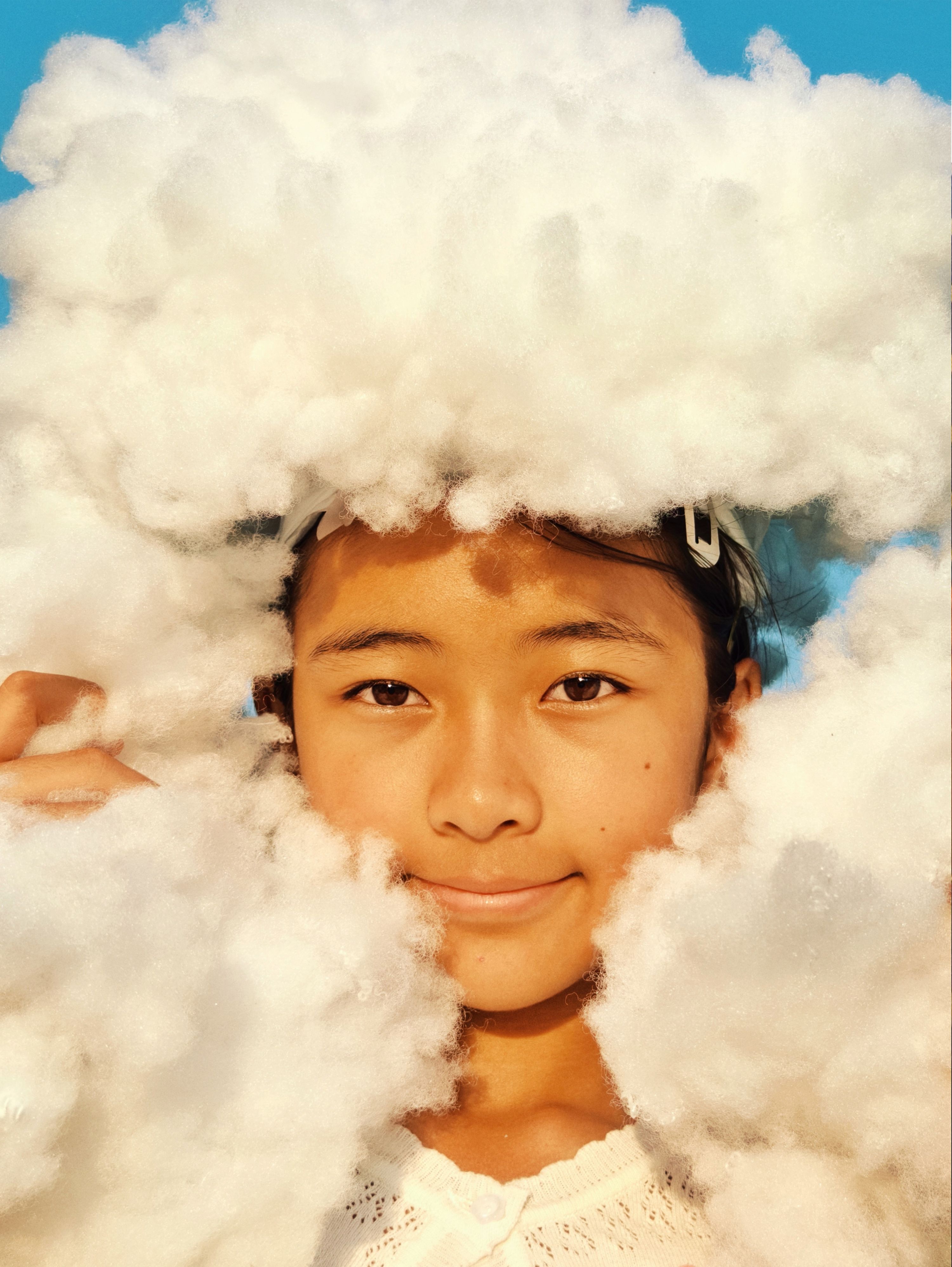
Rong Rong, a Va girl, loves to wear traditional clothing made from locally produced cotton
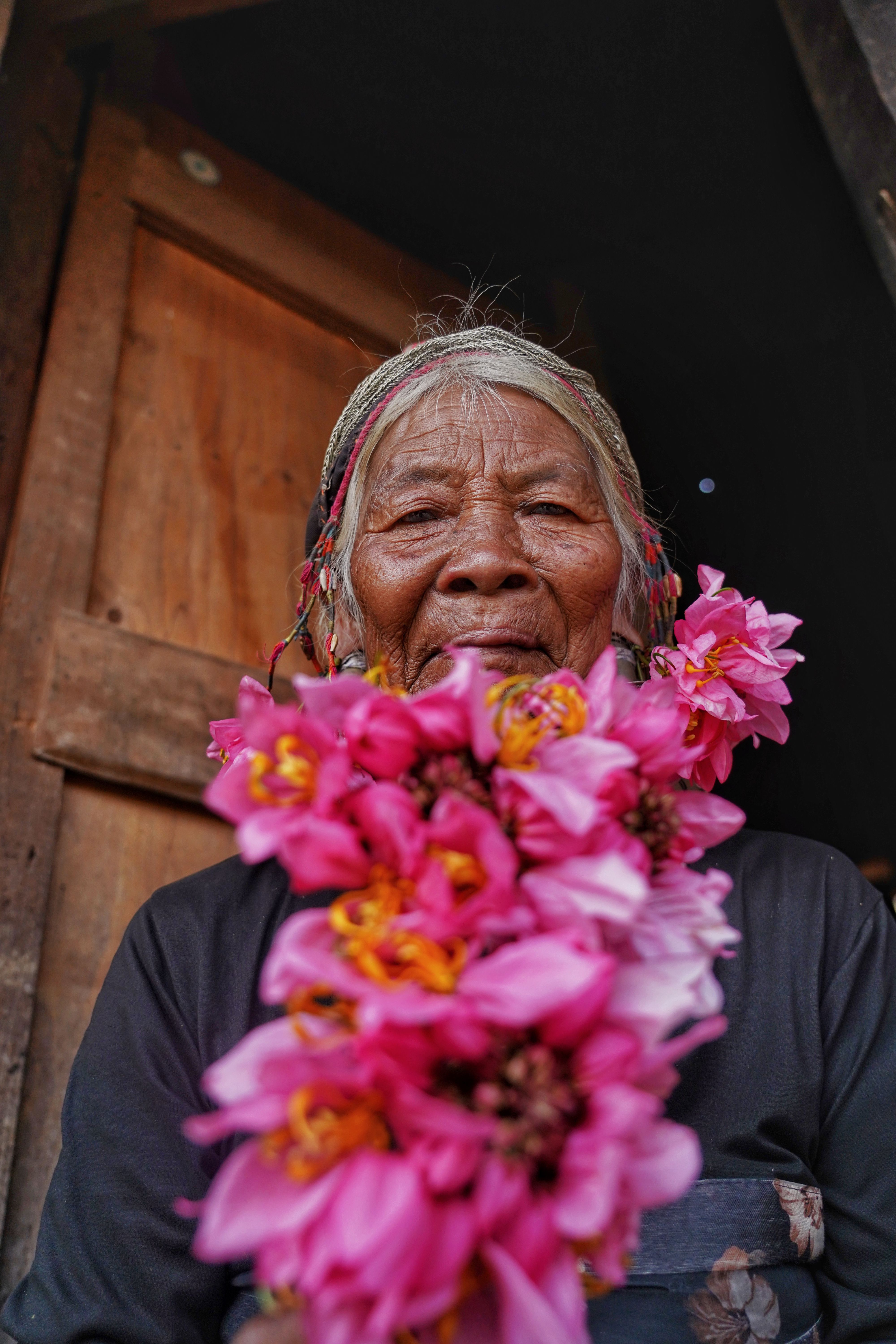
In addition to silver earrings, elderly Va women also wear fresh flowers in their ears.
As Li spends more time with the farmers, he is deeply moved by their vibrant personalities and joyful outlook on life. Each person has their own dreams—some wish to buy glasses for their children, others long for a simple photograph of themselves, while some village women aspire to start livestreaming—and avocado farming is helping them achieve all that. “I felt compelled to capture the essence of these remarkable individuals and the rich yet endangered ethnic culture of my hometown,” he tells TWOC. “I believe that these images will play a crucial role in supporting the village’s economic development.”
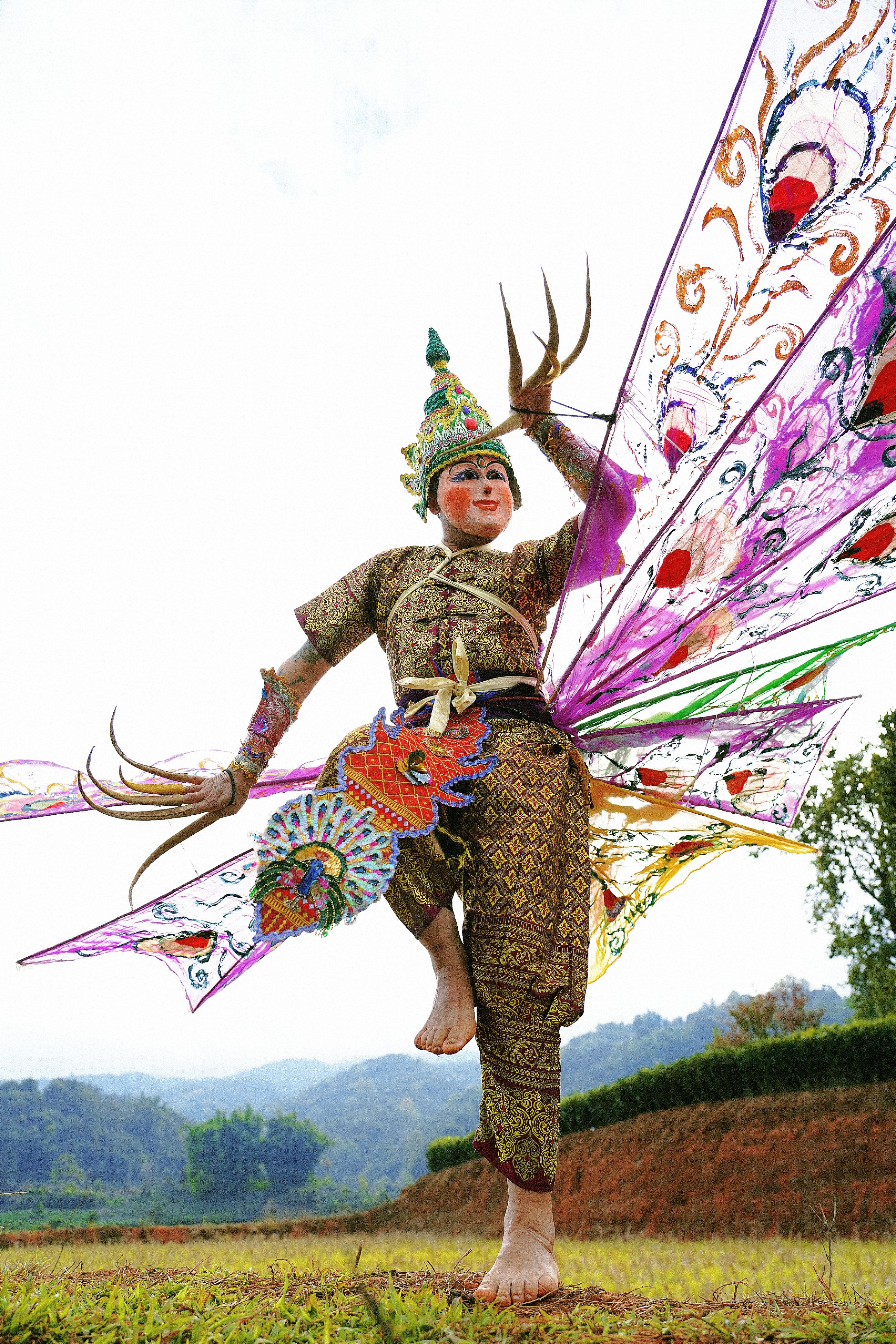
A Dai dancer performs the traditional Ka Nang Nok (Kinnara) dance on a ridge. The dancer dresses up as a divine bird.
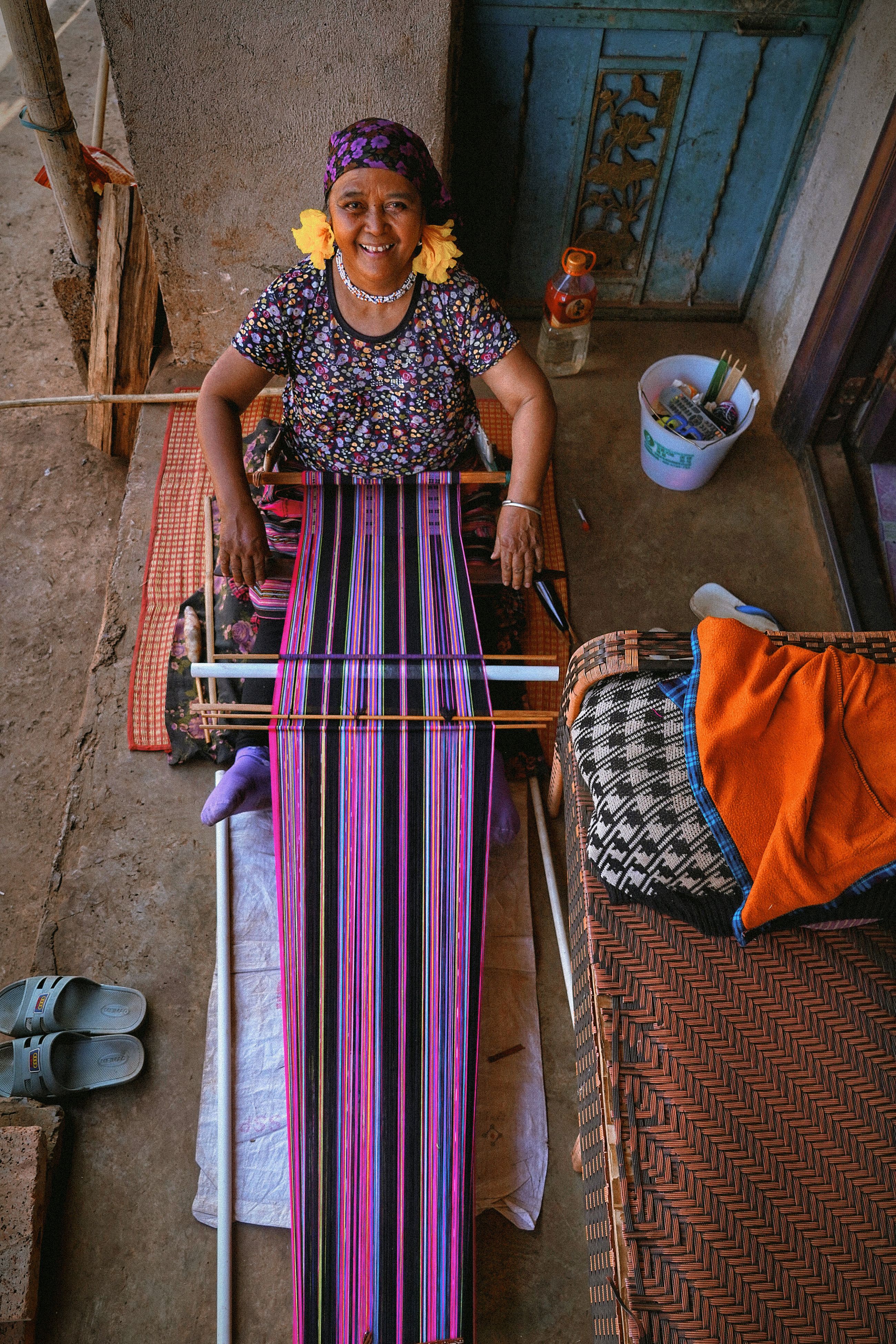
A Va woman hand-weaves brocade on a traditional loom.
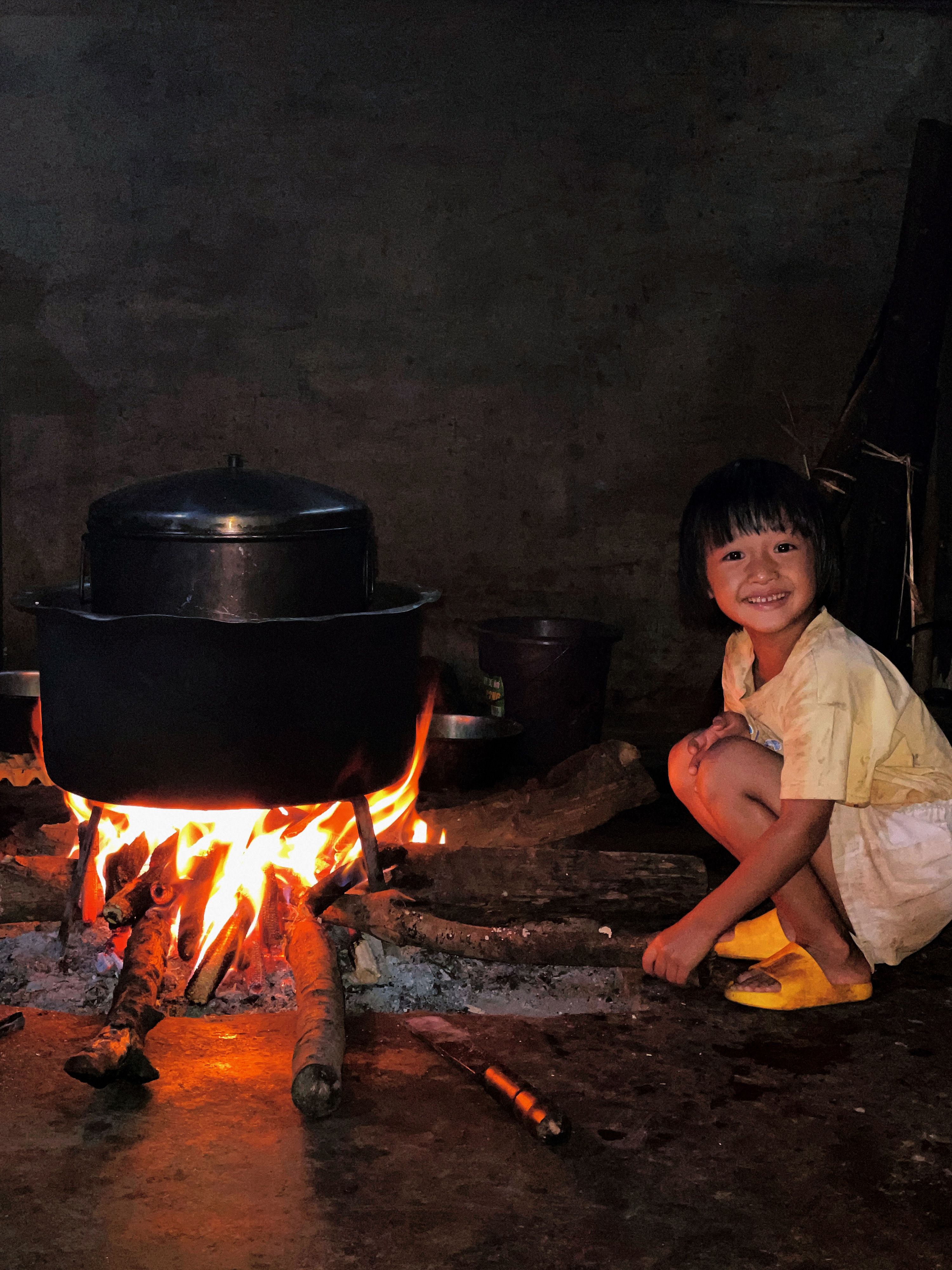
A Lahu girl cooks over a fire pit. Locals preserve traditional ways of life in certain villages.
Photography by Li Wei
Green Gold: The Rise of China’s Avocado Capital is a story from our issue, “Back to the Wild.” To read the entire issue, become a subscriber and receive the full magazine.
Related Articles