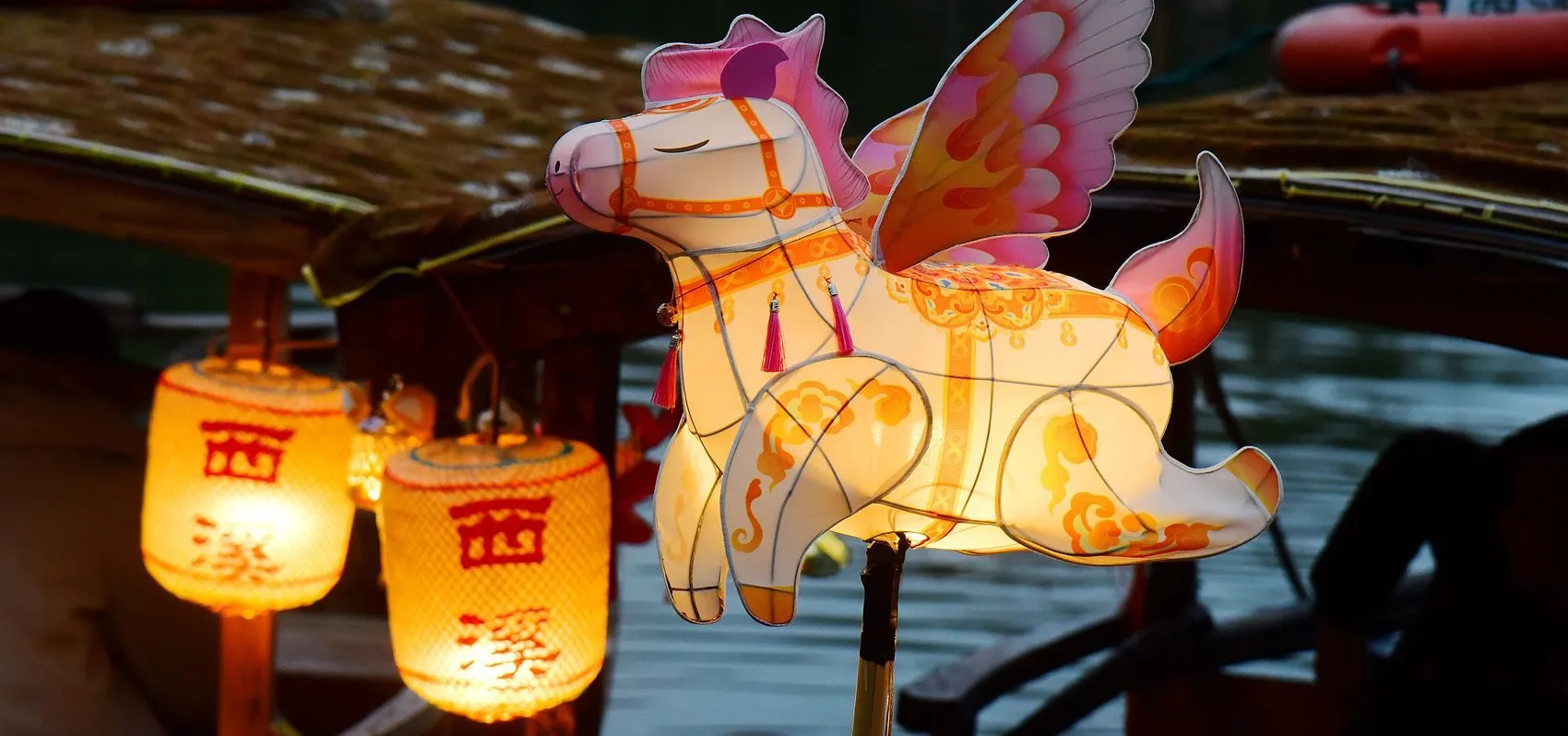

From cyberpunk horse installations to “My Little Pony”-inspired lanterns, here’s a glimpse of how the Lantern Festival is lighting up every corner of the country
For centuries, lanterns have symbolized joy and good fortune during China’s festive seasons. The Yuanxiao Festival, which falls on March 3 this year, is traditionally seen as the grand finale of the Chinese New Year celebrations. While it’s not an official public holiday, streets and parks across the country remain lively with lantern displays and folk performances. Beyond glutinous rice balls, families and visitors alike gather under the lights to test their wits in riddle games and admire the intricate displays—a ritual that has endured for millennia.
Rooted in ancient fire worship and later shaped by Taoist and Buddhist influences, the lantern celebration can be traced back to the Han dynasty (206 BCE – 220 CE). According to the Records of the Grand Historian (《史记》), the Han emperors worshipped the supreme deity Taiyi at dusk, keeping the lantern flames burning through the night to pray for prosperity, before turning the 15th day of the lunar month into a major celebration with lantern ceremonies.
Over the centuries, the festival has evolved from a court ritual into a public carnival. Poets and scholars have written verses about the dazzling scenes, many of which remain widely recited today. In the Tang capital of Chang’an (present-day Xi’an), where strict curfews usually emptied the streets after dusk, authorities lifted the ban for the Lantern Festival and granted a three-day break for the carnival. The Tang scholar Liu Su (刘肃) captured the moment in his New Anecdotes of the Tang Dynasty (《大唐新语》): The capital adorns itself in lights, and the court relaxes the ban. All, noble and humble, roam the streets by night.”
By the Ming dynasty (1368 – 1644), the celebrations could stretch for up to 20 days. Emperor Zhu Yuanzhang (朱元璋) once ordered thousands of lanterns to be set along the Qinhuai River, both to honor deceased soldiers and civilians, and to celebrate the joy and prosperity as his empire settled in the city of Nanjing.
Lantern-making techniques have also evolved over centuries, from towering tree-shaped structures in the Tang era (618 – 907) to ice lanterns in the Qing dynasty (1616 – 1911). Today, the craft extends far beyond candles and oil lamps. In Zigong, famed for its millennium-old lantern artistry, massive installations incorporating porcelain, silk, and even AI technology attracted tens of thousands of visitors each year to its annual gala. This year, a lantern fair in Haining, Zhejiang, even used drones to light the river in choreographed displays.
The Lantern Festival blends ancient traditions with modern spectacle, from zodiac-inspired horse lanterns to towering contemporary light sculptures. Here is a look at some of the intricate lanterns lighting up the country this year.
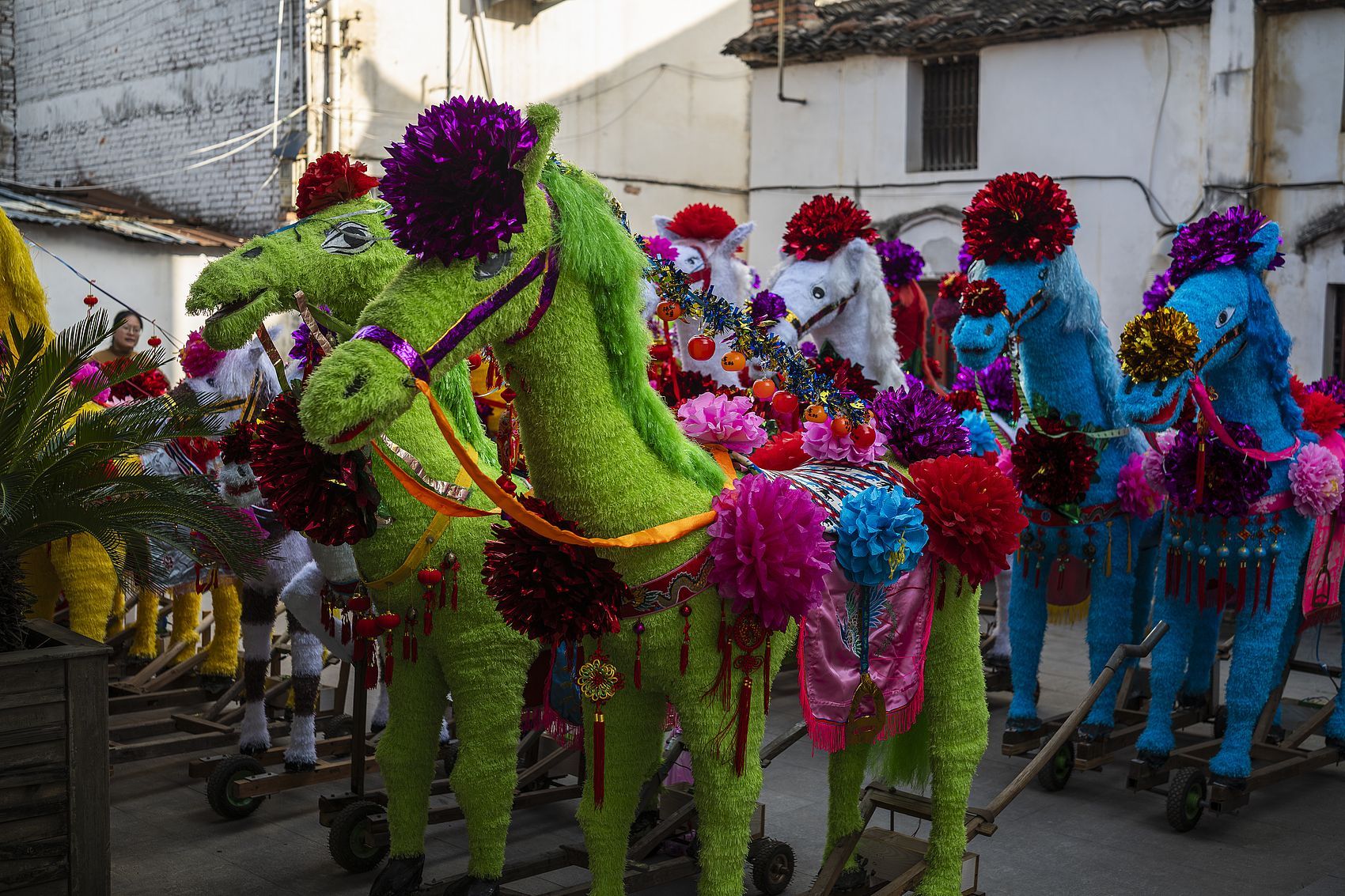
In Pujiang, Zhejiang, the local annual lantern gala features bamboo horse lanterns, dating back to the Song dynasty, carrying wishes for prosperity and peace
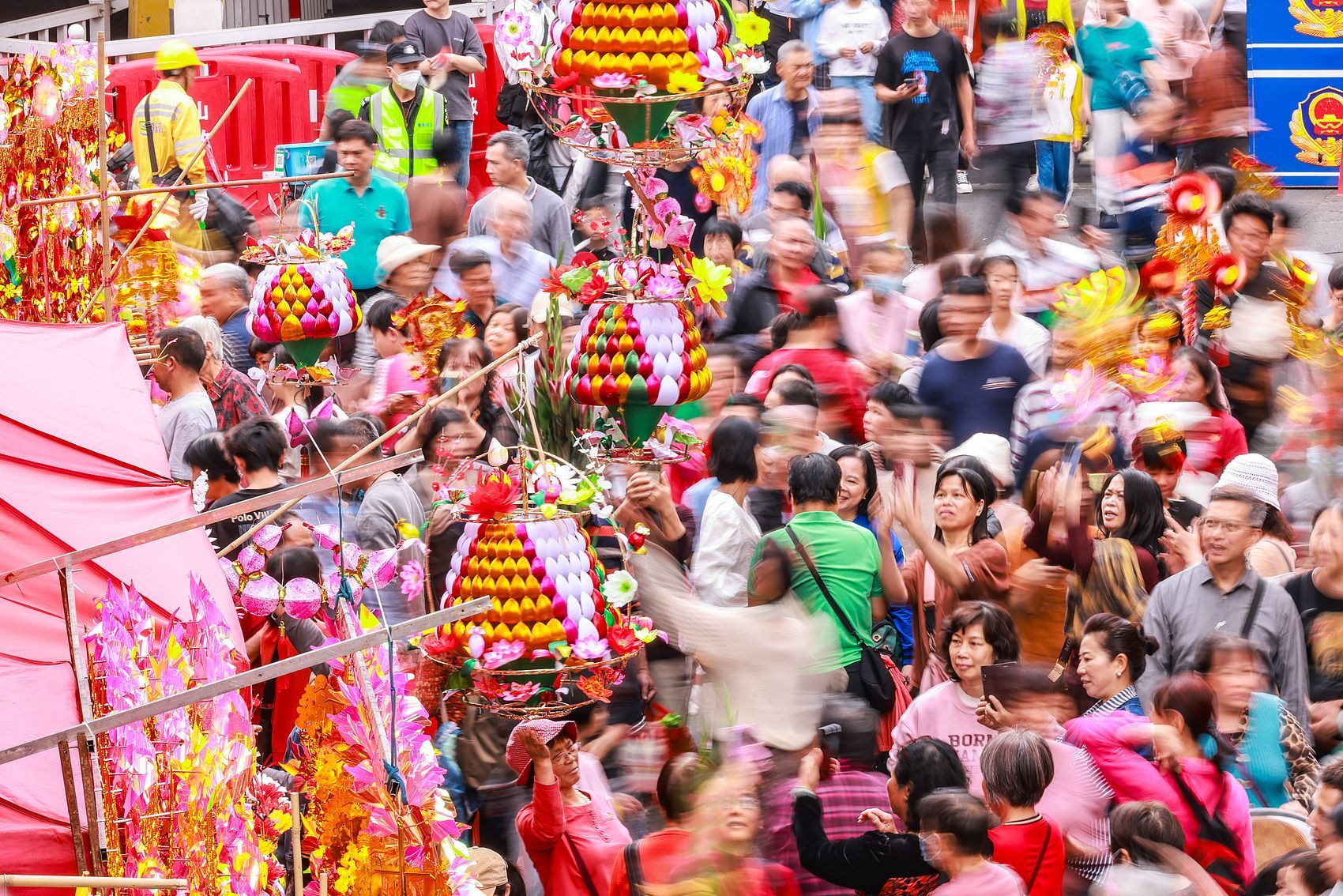
In Foshan, Guangdong, households have long crafted handmade lanterns adorned with lotus flowers, oranges, and carp—each symbolizing centuries-old blessings. Local celebrations often begin on the ninth day of the first lunar month, honoring the birthday of the Jade Emperor, and continue well beyond the Lantern Festival.
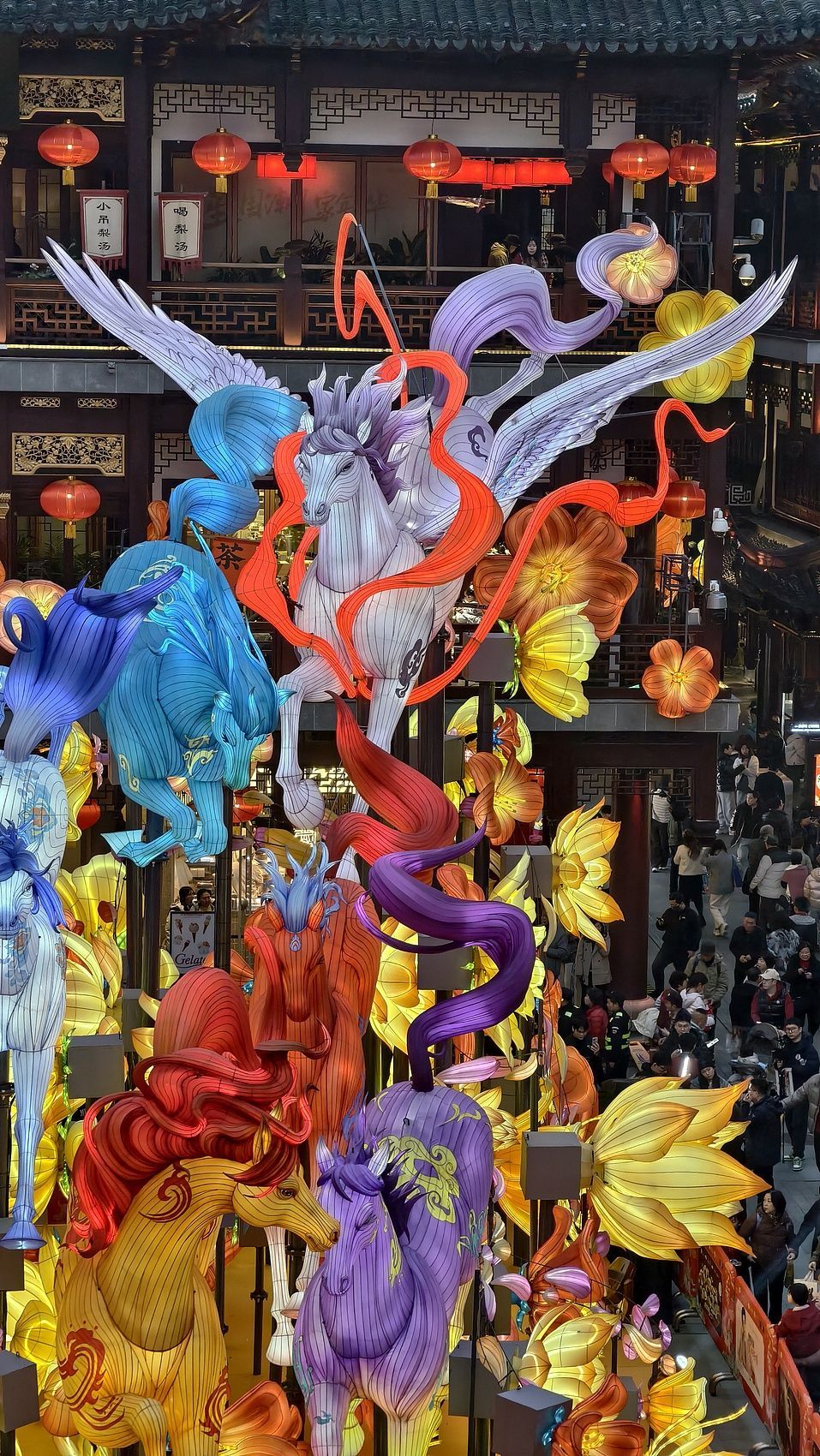
Renowned as one of Shanghai’s most festive spots, the lantern fair in Yu Garden draws crowds with intricate displays, including designs inspired by the six horses of the Emperor Taizong of the Tang dynasty during wartime
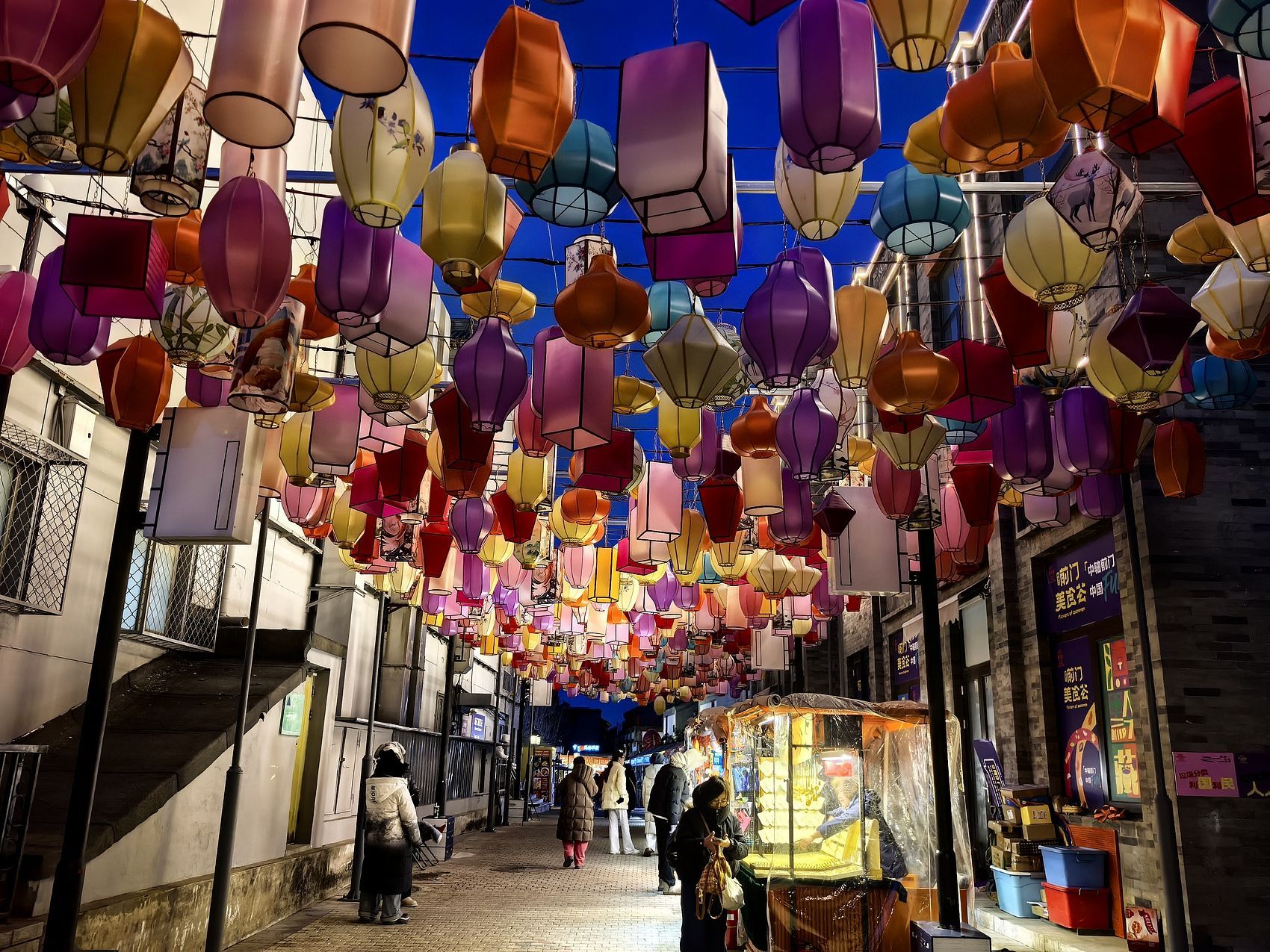
The Qianmen Street in Beijing welcomes the festival with more than a thousand colorful lanterns and twinkling decorations
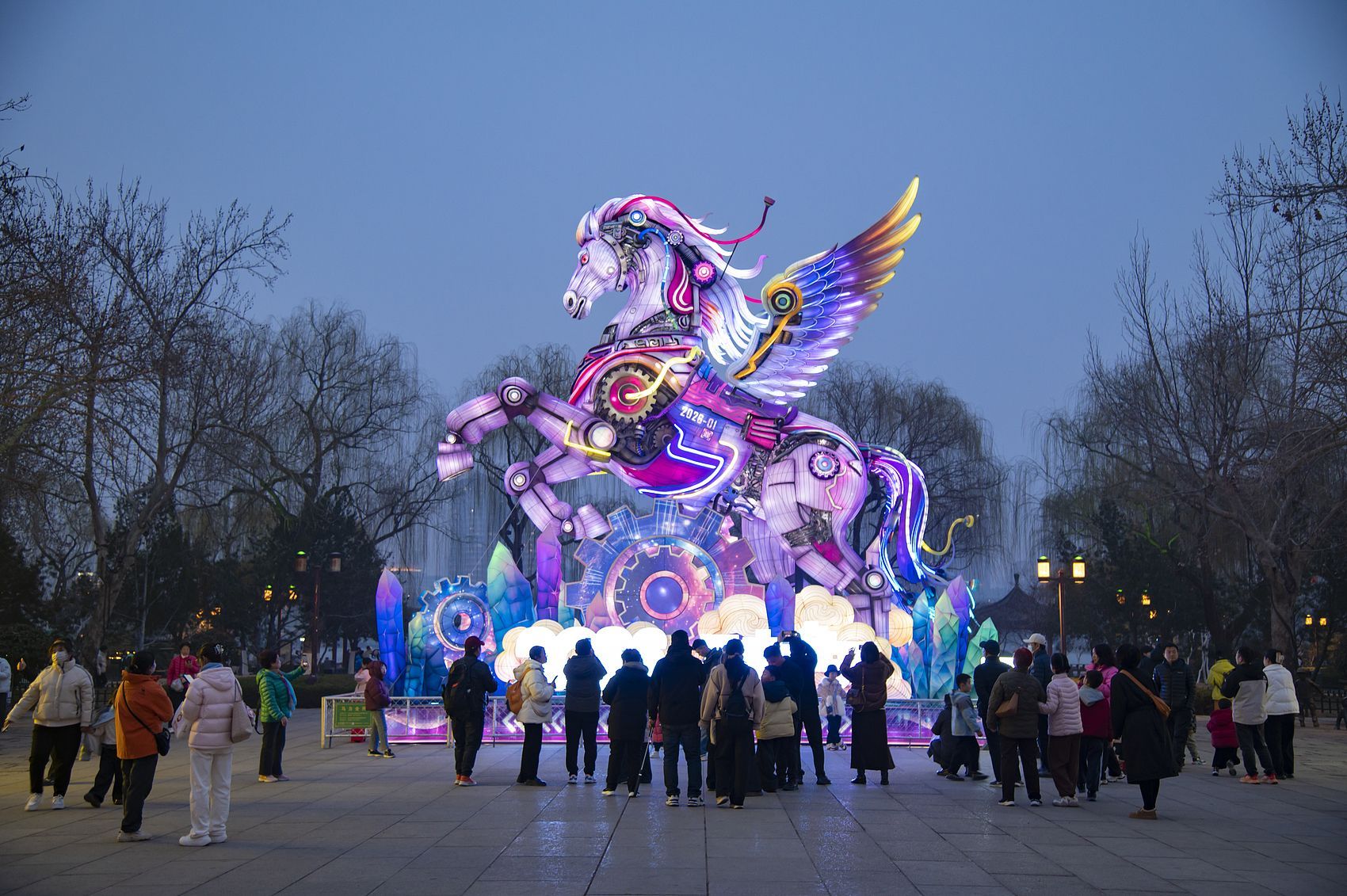
A 10-meter-high horse-shaped installation debuted at Daming Lake in Jinan, Shandong, quickly becoming the festival’s must-see attraction with its futuristic vibe. Shaped like a Pegasus, the installation blends the mythical figure with modern design elements, attracting many eager to snap sci-fi-inspired holiday photos.
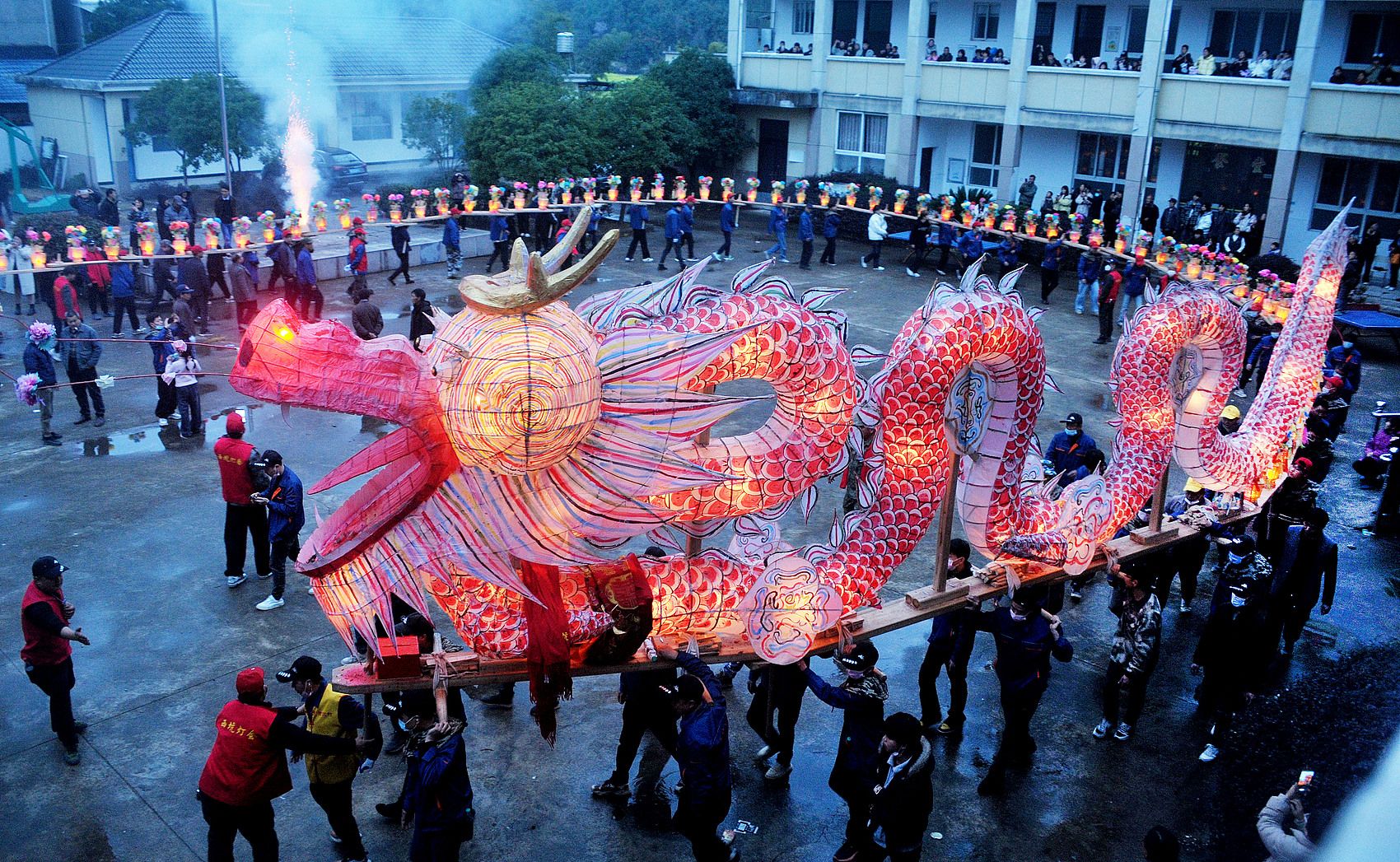
Over 400 locals from Dexing, Jiangxi, took to the streets with a 300-meter-long bench dragon, celebrating the festival through a centuries-old tradition. The performance, organized by the local community, features lanterns crafted and mounted on specially designed benches. It is seen as a prayer for favorable weather and good harvests.
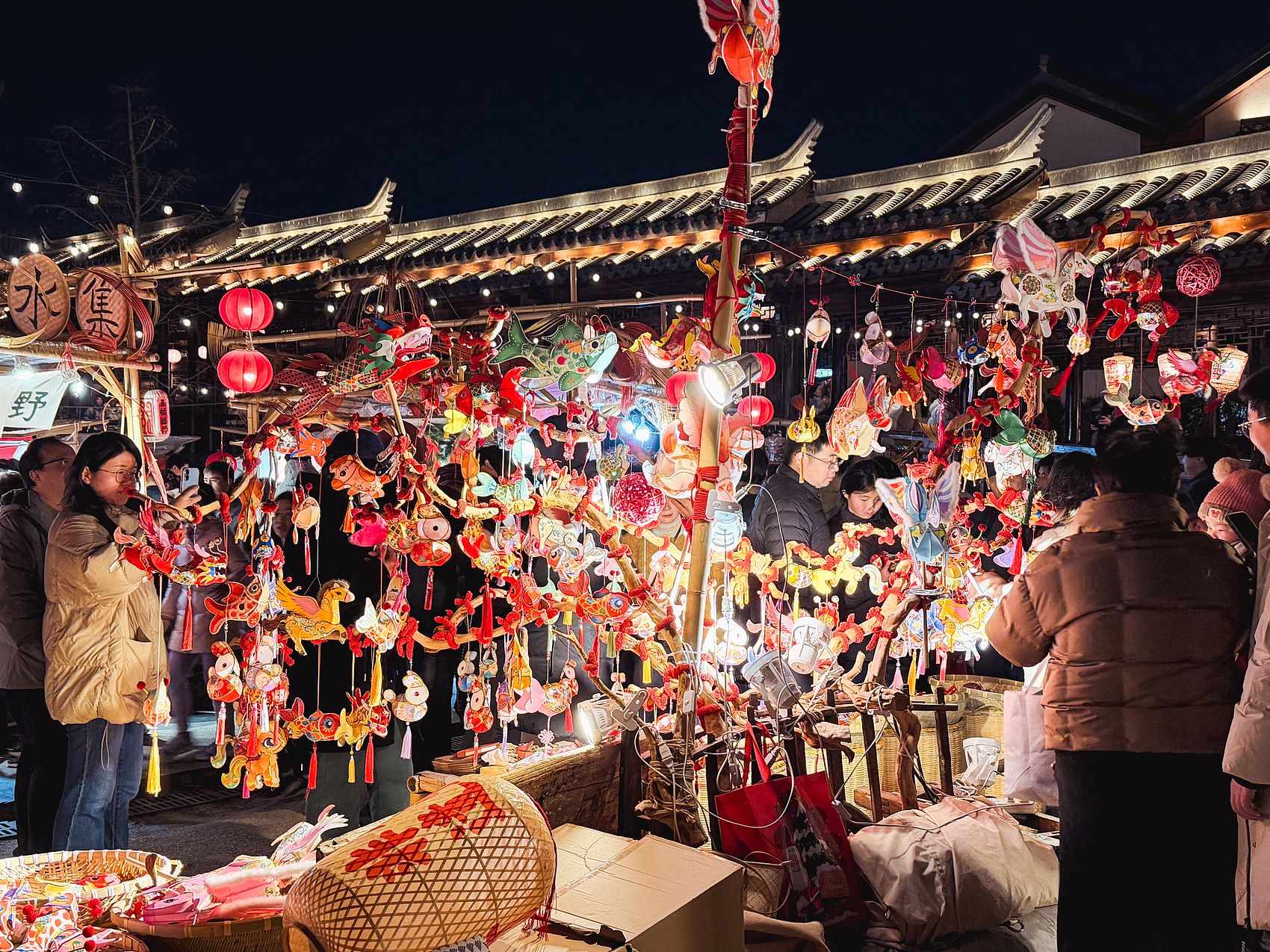
Rabbit, fish, and horse lanterns fill a lakeside fair, blending the nostalgic warmth of old Shanghai with the city’s modern vibe.
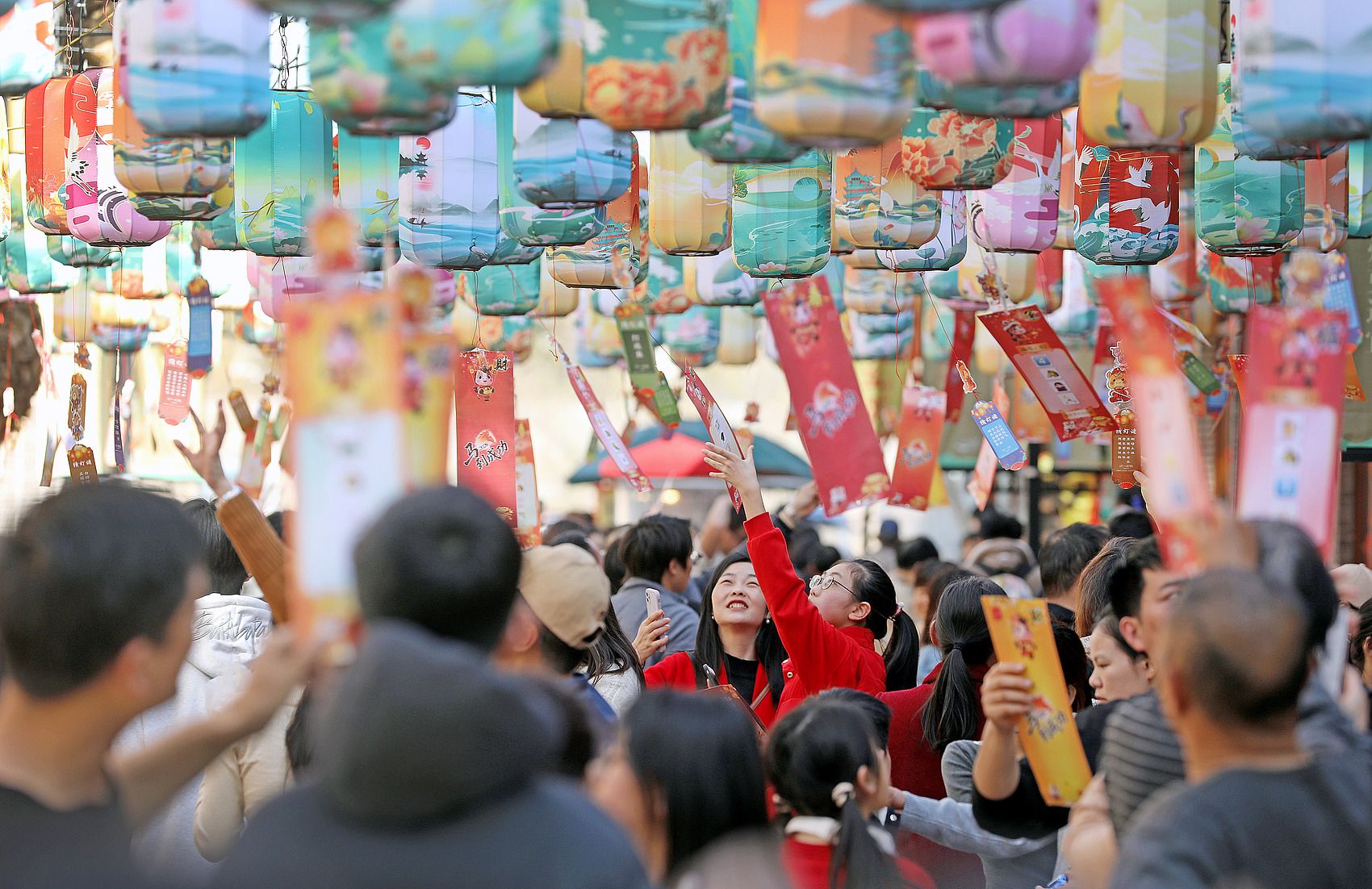
Riddle games attached beneath colorful lanterns have been an essential part of the festival tradition since the Xia dynasty (c.2070 – 1600 BCE). Originally a subtle art of making suggestions to emperors by officials in ancient times, the game has evolved into a popular festival activity for people of all ages.
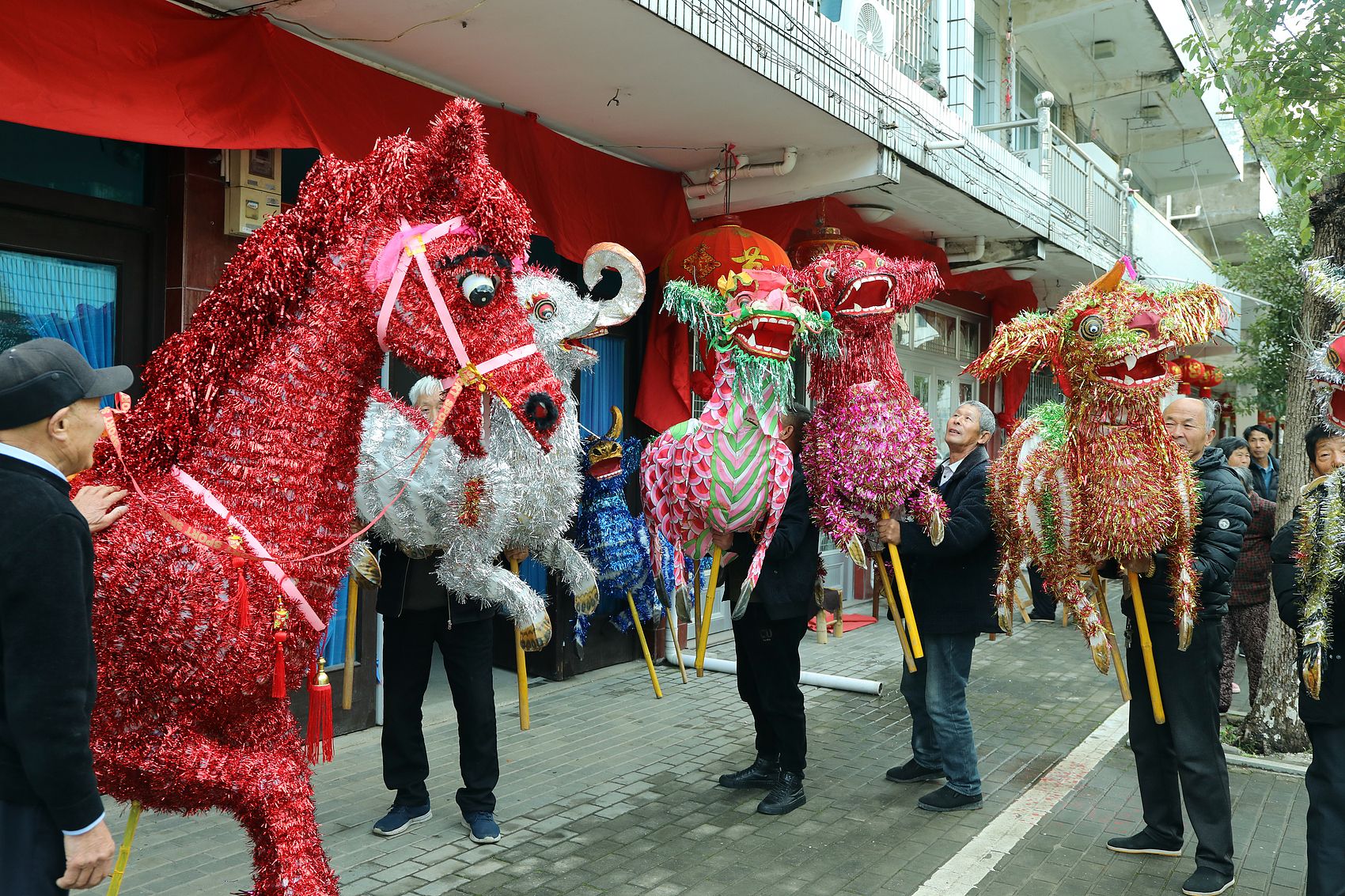
In Wenling, Zhejiang, locals have been busy crafting horse lanterns for the Lantern Festival. At night, the lanterns will light up the streets, carrying the community’s wishes for a prosperous new year, good weather, and peace for all.
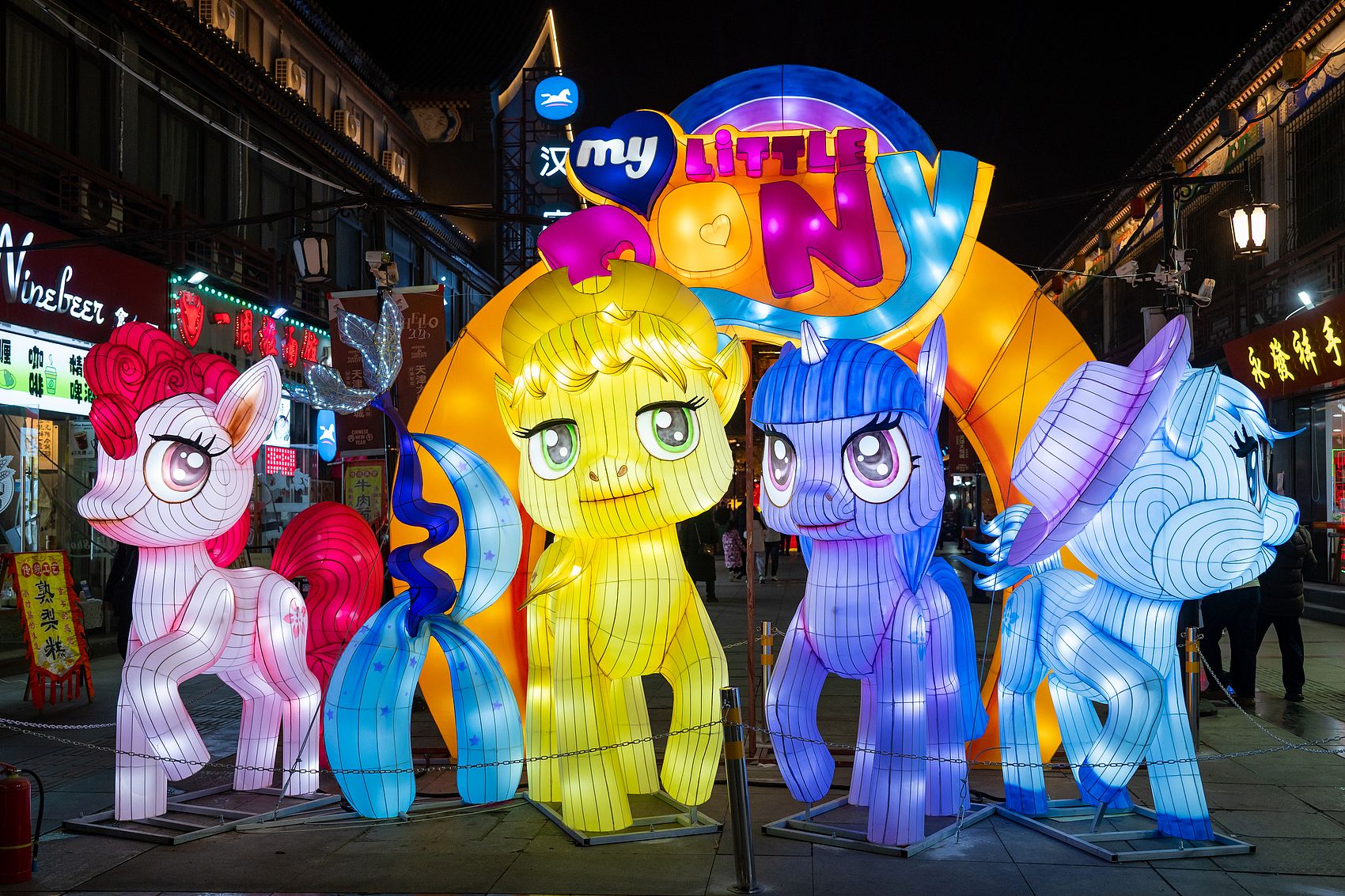
Beyond traditional horse lanterns, cartoon My Little Pony-inspired installations have gone viral this year for the creative combination of zodiac symbolism and playful, eye-catching designs.
All images from VCG
Related Articles