Literally meaning “the Night of Sevens,” Qixi (七夕) is traditionally associated with the tragic love story of Zhinü (Weaver Girl), a celestial maiden, and Niulang (Herd Boy), a kind, diligent mortal. Separated by the Milky Way, the star-crossed lovers are believed to reunite only once a year, on the seventh night of the seventh lunar month.
The day has since evolved into a celebration of love, loyalty, and commitment. Many couples choose to register their marriages on this day. There was even a mass wedding ceremony held at a soccer stadium in Guizhou province this year.
Originating more than 3,000 years ago, Qixi was a festival for young women to showcase their weaving, cooking, and handicraft skills. At night, they would gather in courtyards and pray to the Zhinü Star for skillful hands, wisdom, and a happy marriage, a tradition known as qiqiao (乞巧), literally “pray for ingenuity.”
In recent years, Qixi is often marketed as the Chinese Valentine’s Day. Brands are taking this golden opportunity to launch themed campaigns, offering special deals and organizing activities ranging from making scented sachets to solving lantern riddles.
Some shopping malls have also turned to playful memes to attract young consumers, such as the tongue-in-cheek slogan, “Sweet words fade, but gold shines forever (情话听过就忘,黄金永远闪亮),” tapping into a generation that increasingly values financial security over sweet talk.
Here is how people across the country are celebrating the festival this year:
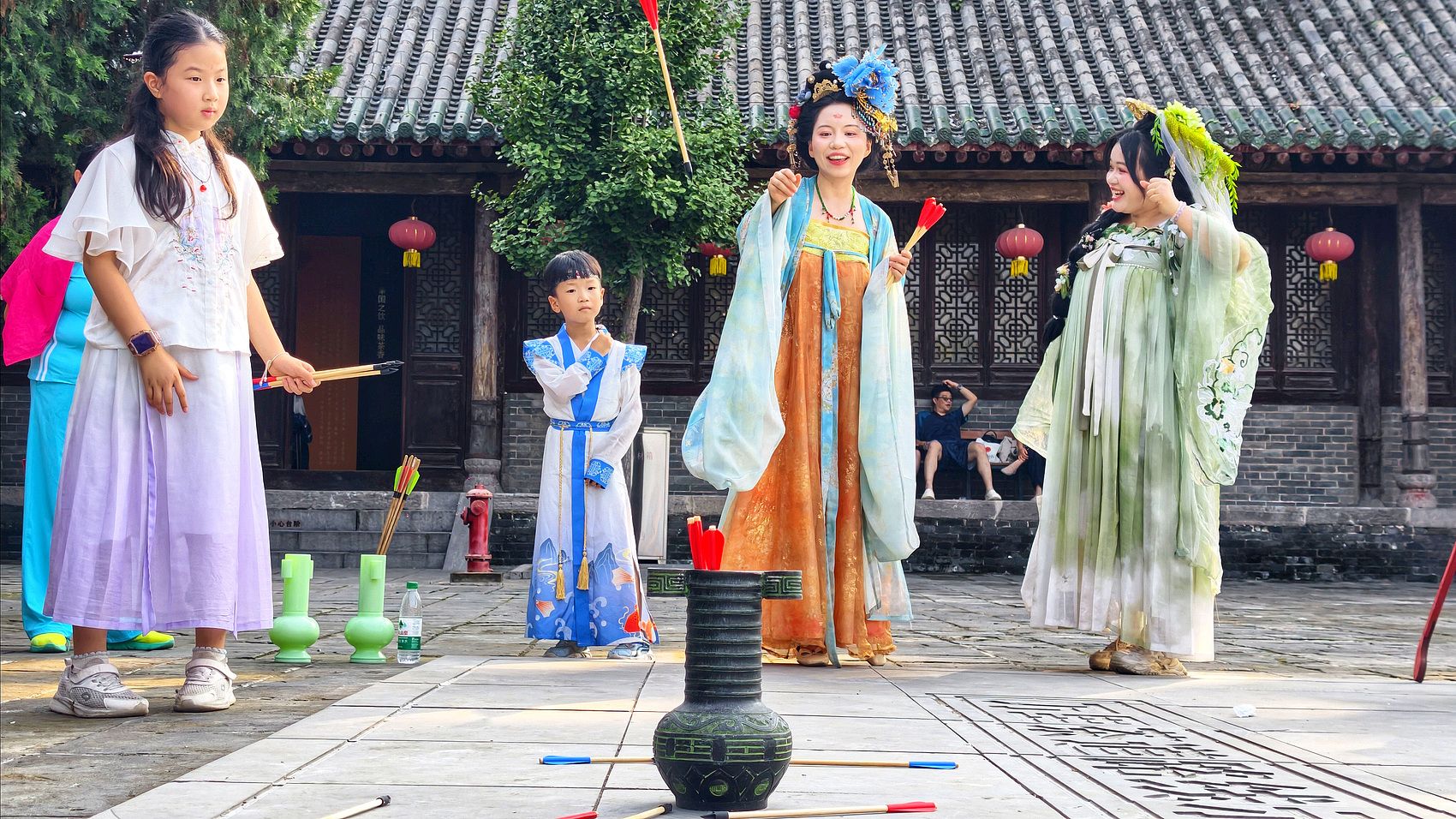
In Luoyang, Henan, young women dressed in hanfu costumes tried their hand at pitch pot, a traditional game of throwing arrows into a vessel from a distance
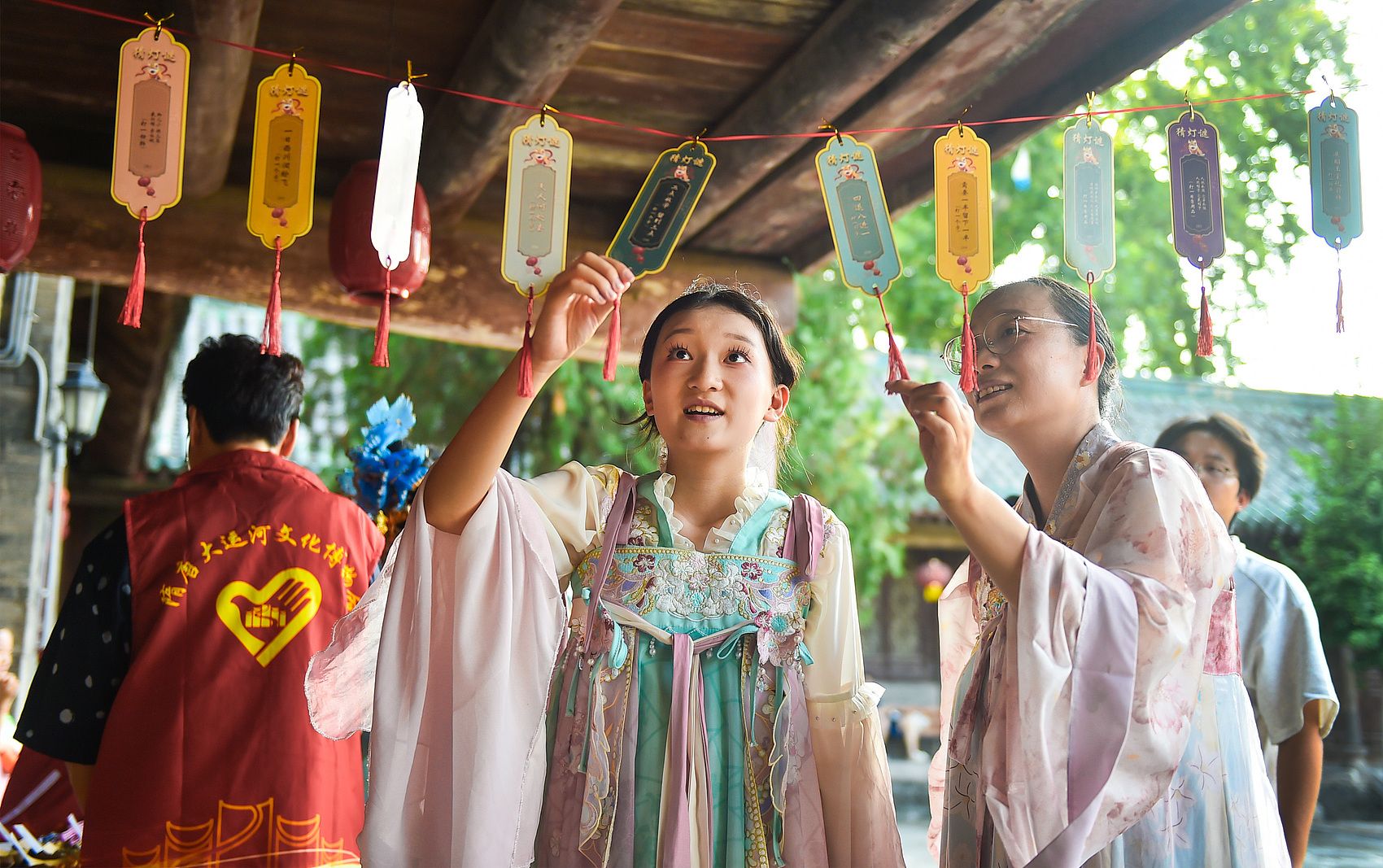
Originating in the Han dynasty (206 BCE – 220 CE), lantern riddles have become a popular festival tradition, drawing participants of all ages
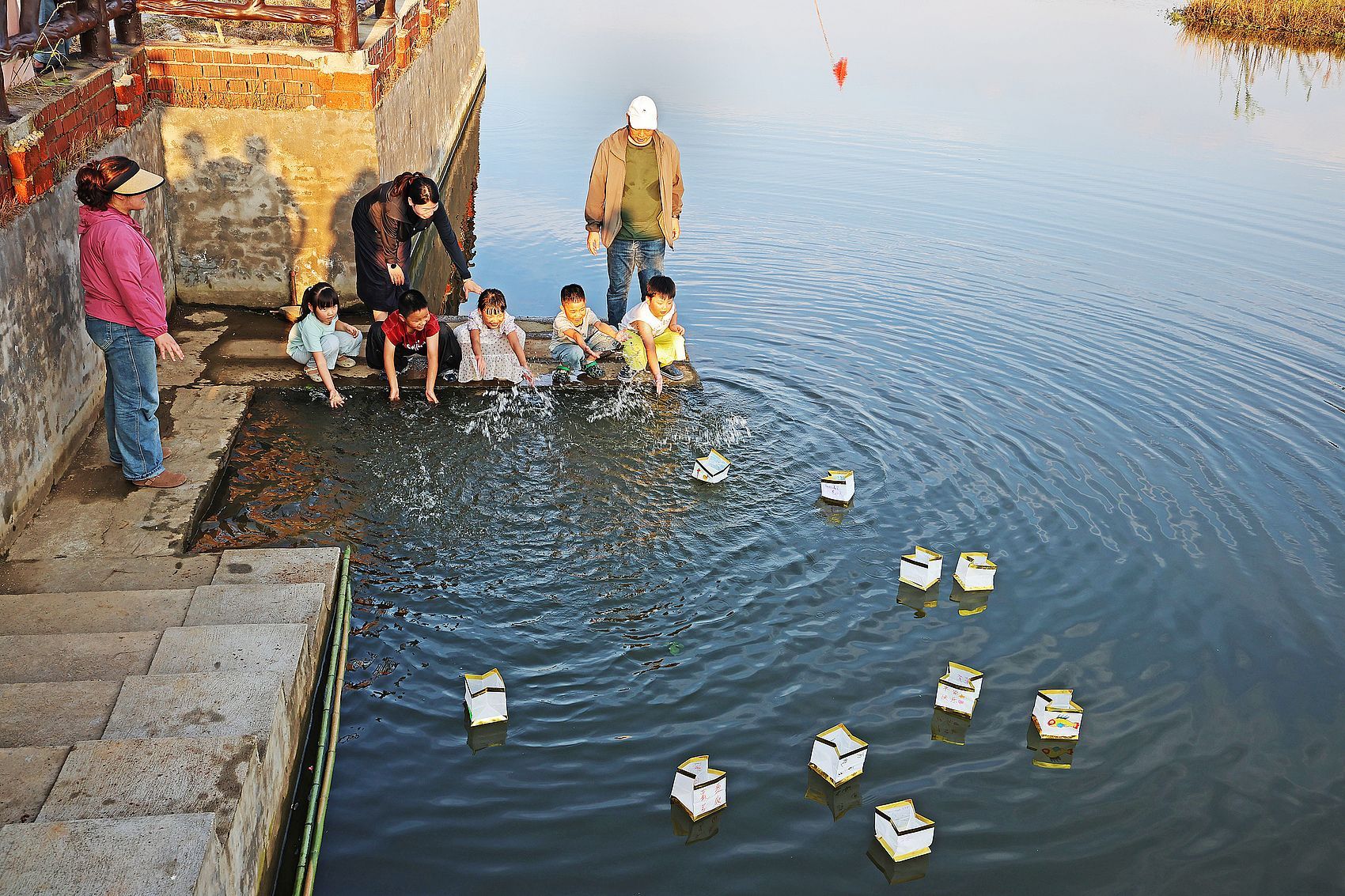
Releasing handmade boats on the river on Qixi night carries wishes for love, happiness, and good fortune

A couple from Kunming, Yunnan, makes a toy ring out of fuse beads, a trendy DIY craft, to celebrate the occasion
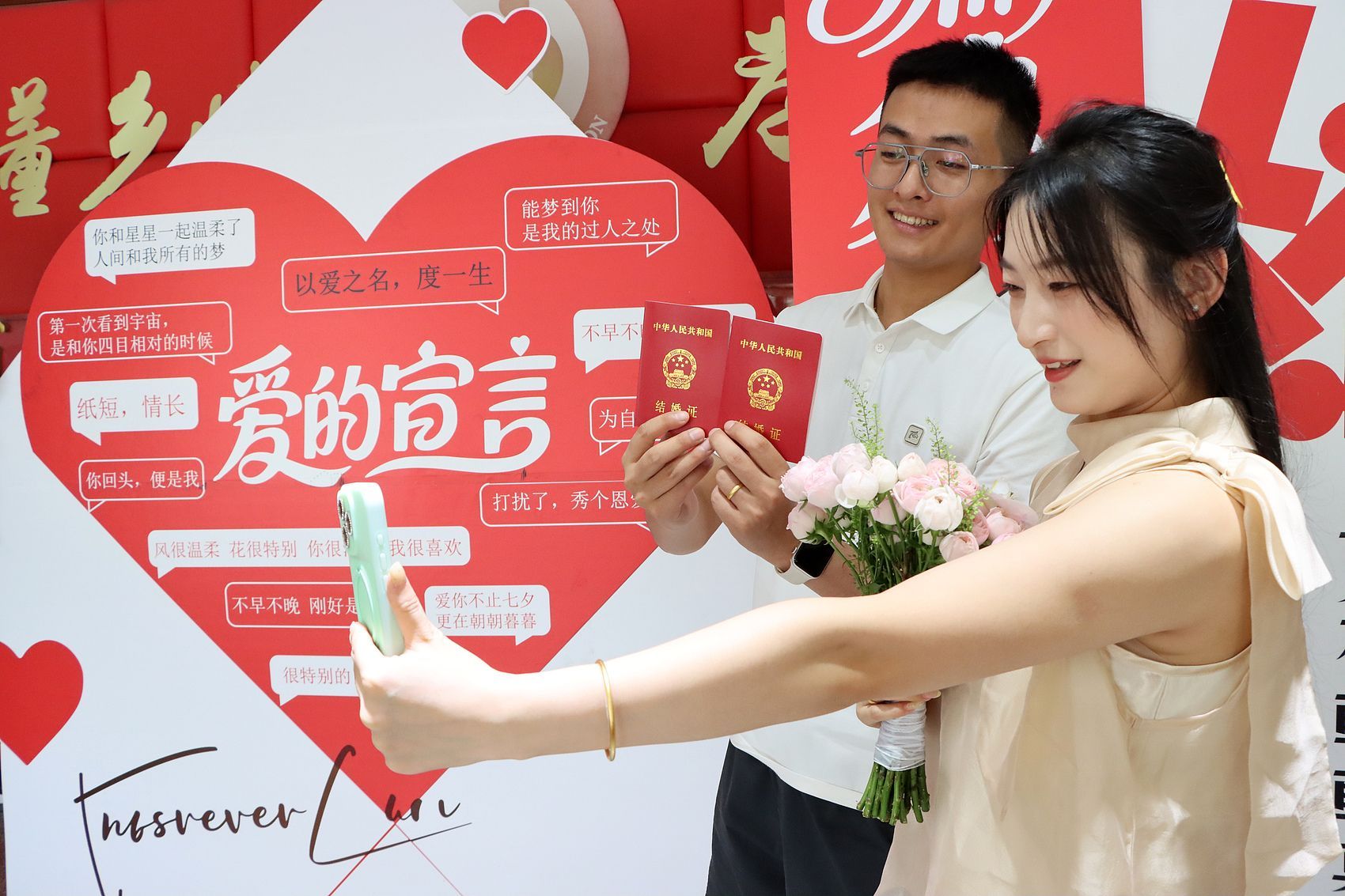
Tied to love and commitment, the festival has become a popular date for young couples to register their marriages. With appointment slots filling up in many cities, local civil affairs departments have extended registration hours on Qixi to deal with the rush.
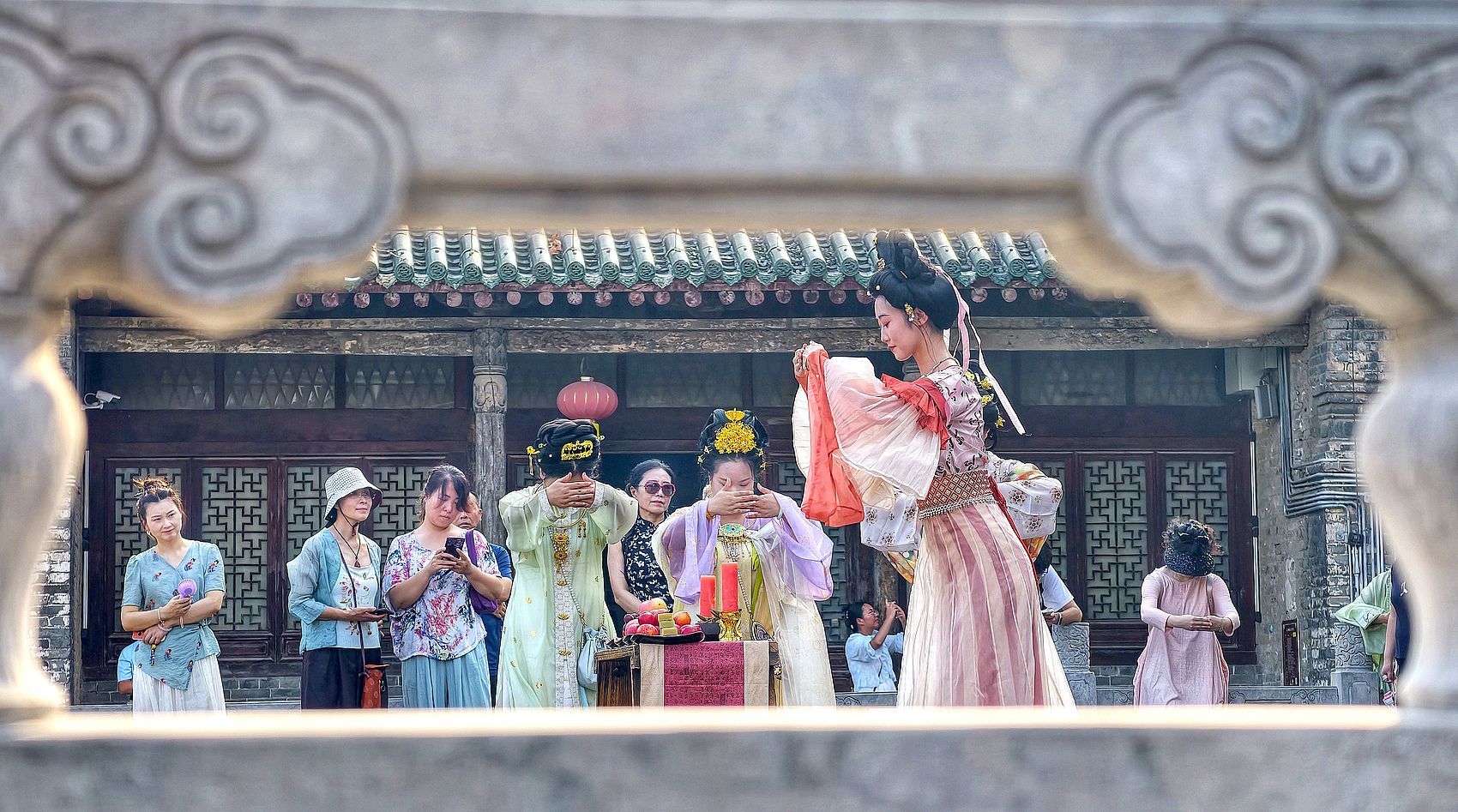
Though often dubbed Chinese Valentine’s Day, Qixi has historically been a special festival for women, especially unmarried women, to pray for skill, wisdom, and love
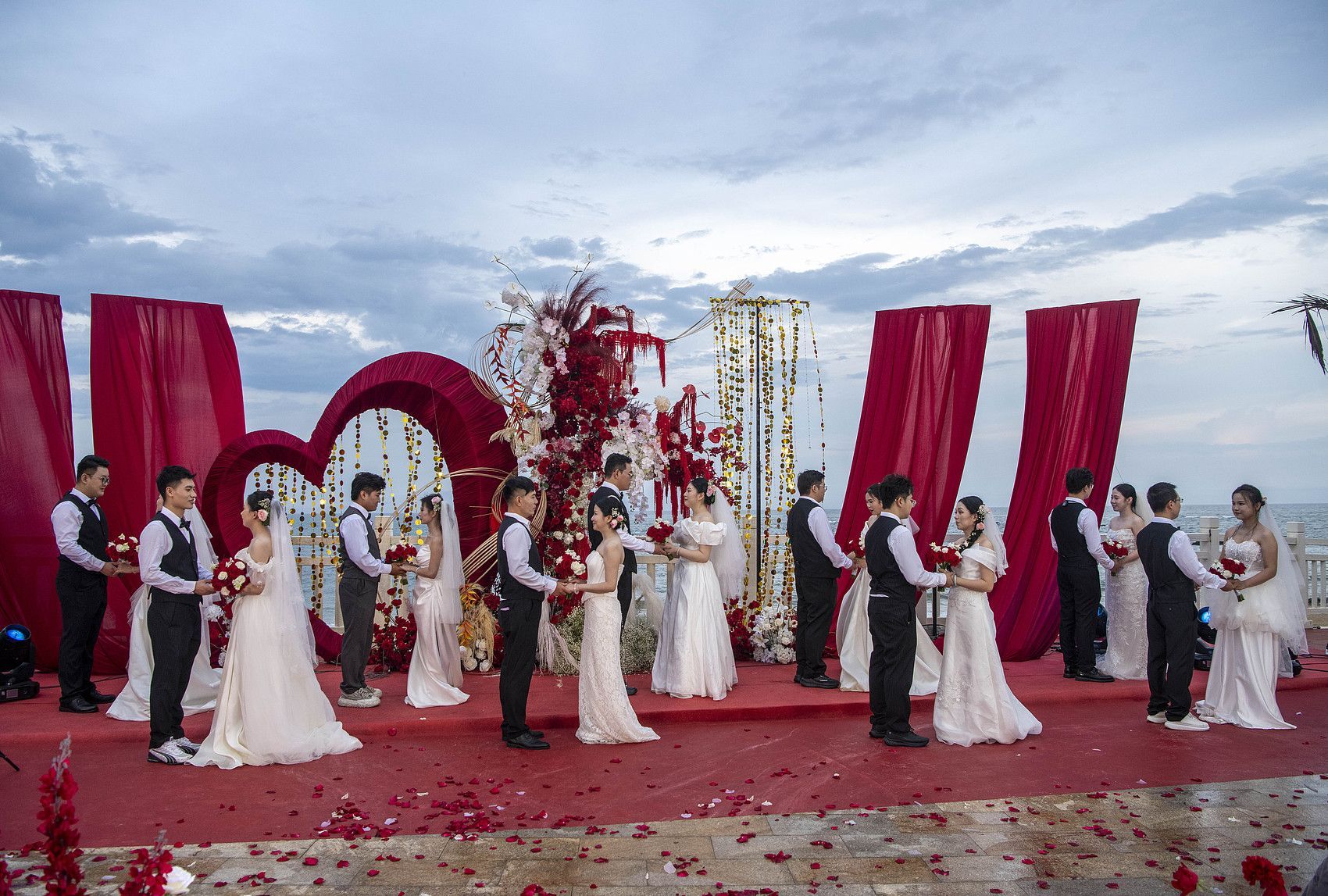
Nine couples tie the knot at a mass wedding in Qionghai, Hainan
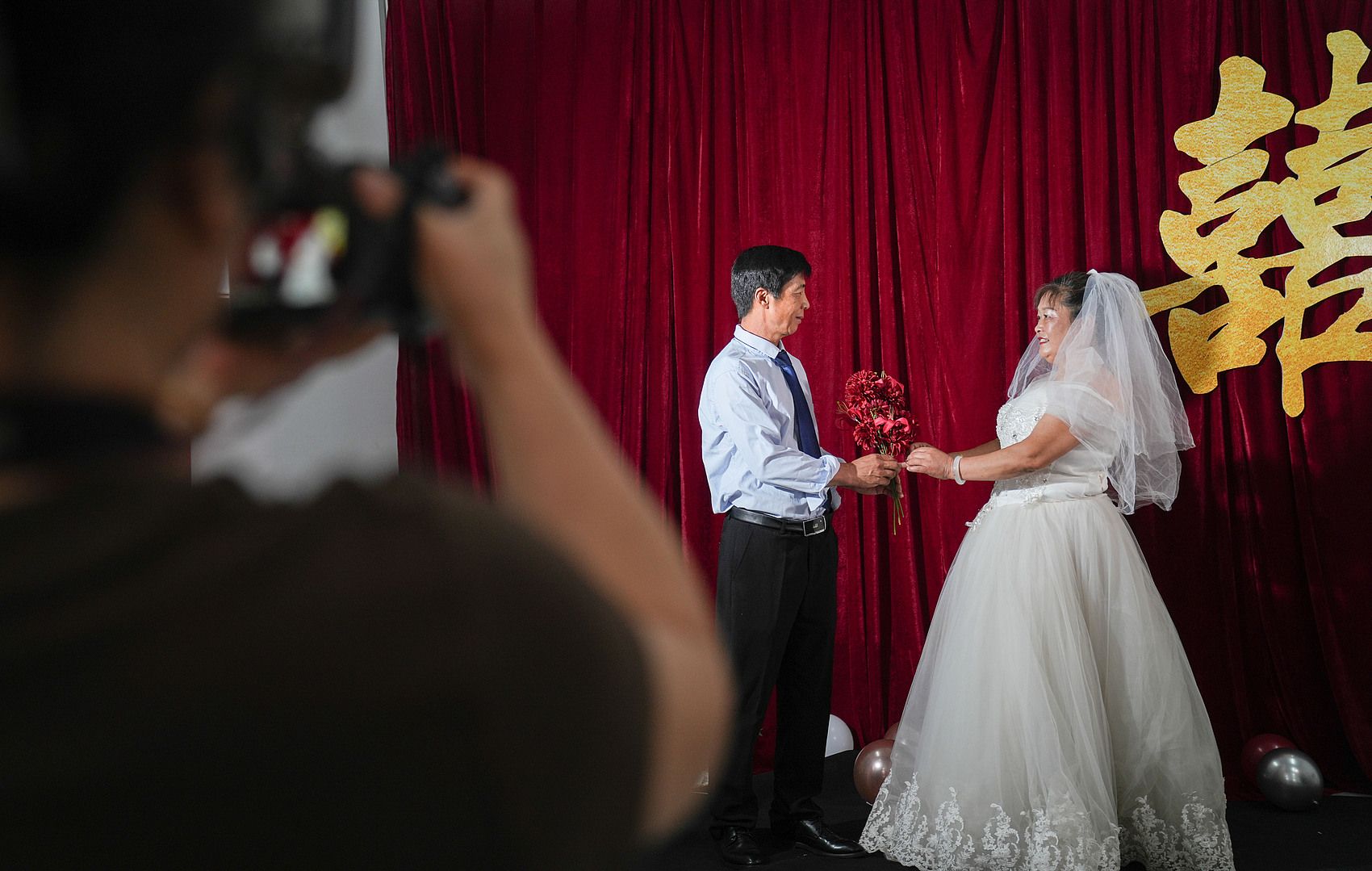
A community in Zouping, Shandong, organizes a Qixi wedding photo shoot for 50 couples aged 50 and above, offering them a chance to make up for the photos they never took
Related Articles