
Newsletter
Popular

  • Society
  • Life
  • Business
  • Language
  • History
  • Arts
  • Literature
Podcast
Video
Magazine

  • China
  • International

  • About Us
  • Our Team
  • Join Us
  • Contact Us
  • Pitch to Us
Follow Us
Newsletter
The World of Chinese logo
Sign In SUBSCRIBE
Popular
Topics
  • Society
  • Life
  • Business
  • Language
  • History
  • Arts
  • Literature
Podcast
Video
Magazine
Shop
  • China
  • International
About TWOC
  • About Us
  • Our Team
  • Join Us
  • Contact Us
  • Pitch to Us
Subscribe
Cart
TRAVEL

When Youth Tourism Meets Village Life in Altay, Xinjiang | Photo Story

As Xinjiang’s Altay rises as a trendy escape for urban youth, a long-time resident captures life in the local villages

Luwei ⁠⁣ (芦苇)
    author Liu Jue (刘珏)
Translated by Liu Jue (刘珏)
June 3, 2025
Taking in Altay air
Photo Credit: Luwei (芦苇)
00:00
Subscribe to listen to this audio

The Altay region is tucked into the northwestern tip of China, a remote corner far from the country’s bustling megacities. With its high latitude, summer is ephemeral, yet each summer day lingers. The sun sets after 10 in the evening, with darkness not falling until nearly midnight. By six in the morning, the sky is bright once more.

It’s my second year living here in the Meilifeng village, nestled in the Altay mountains. What was meant to be a short stay to recover from health problems turned into a long one—I was completely captivated by the natural beauty here. My host is a Kazak auntie who keeps a tidy wooden house.
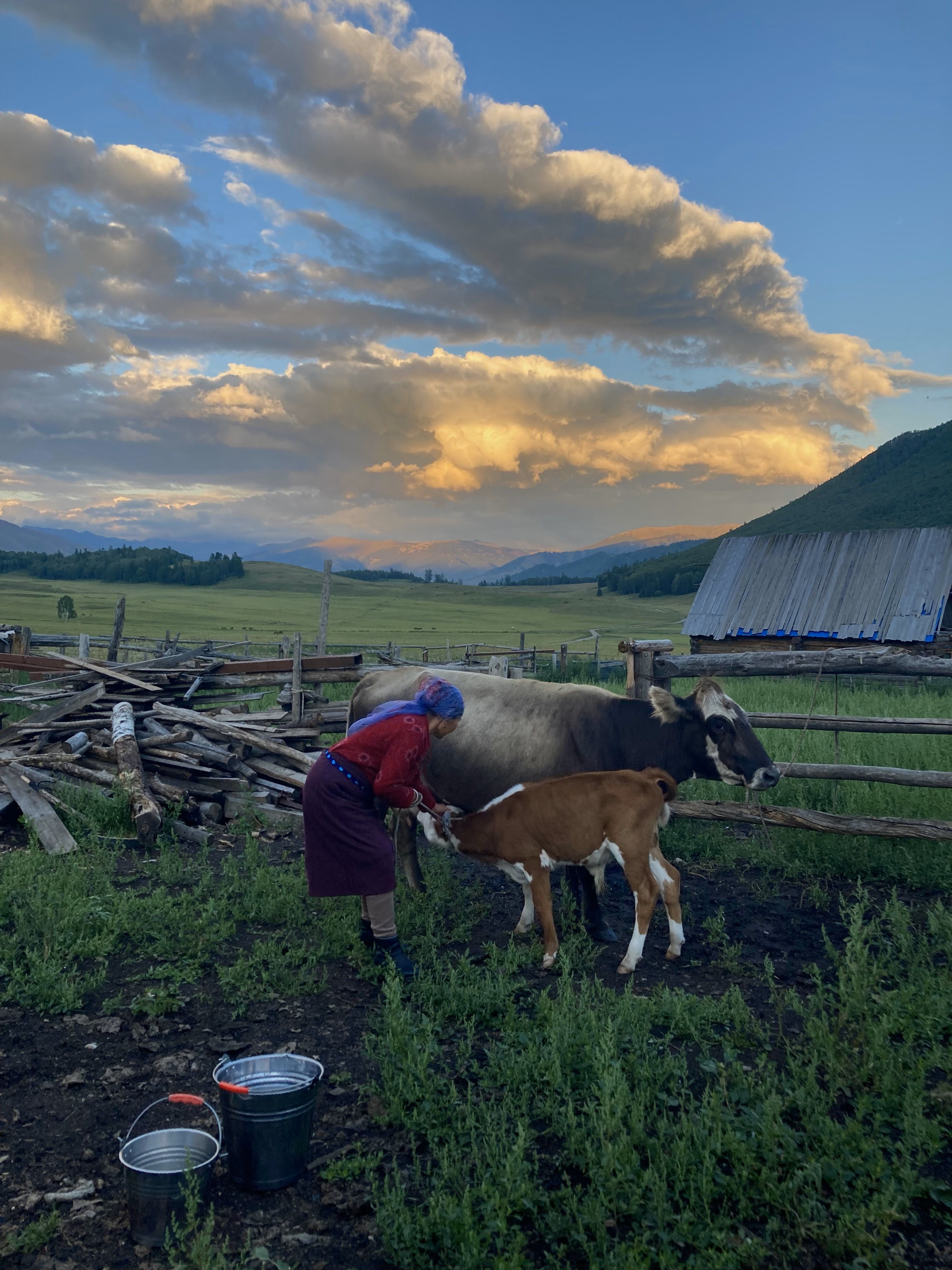
Apa (“mother” in Uygur), the author’s host, milks her cow twice a day in Altay

A local auntie milks her cow twice a day
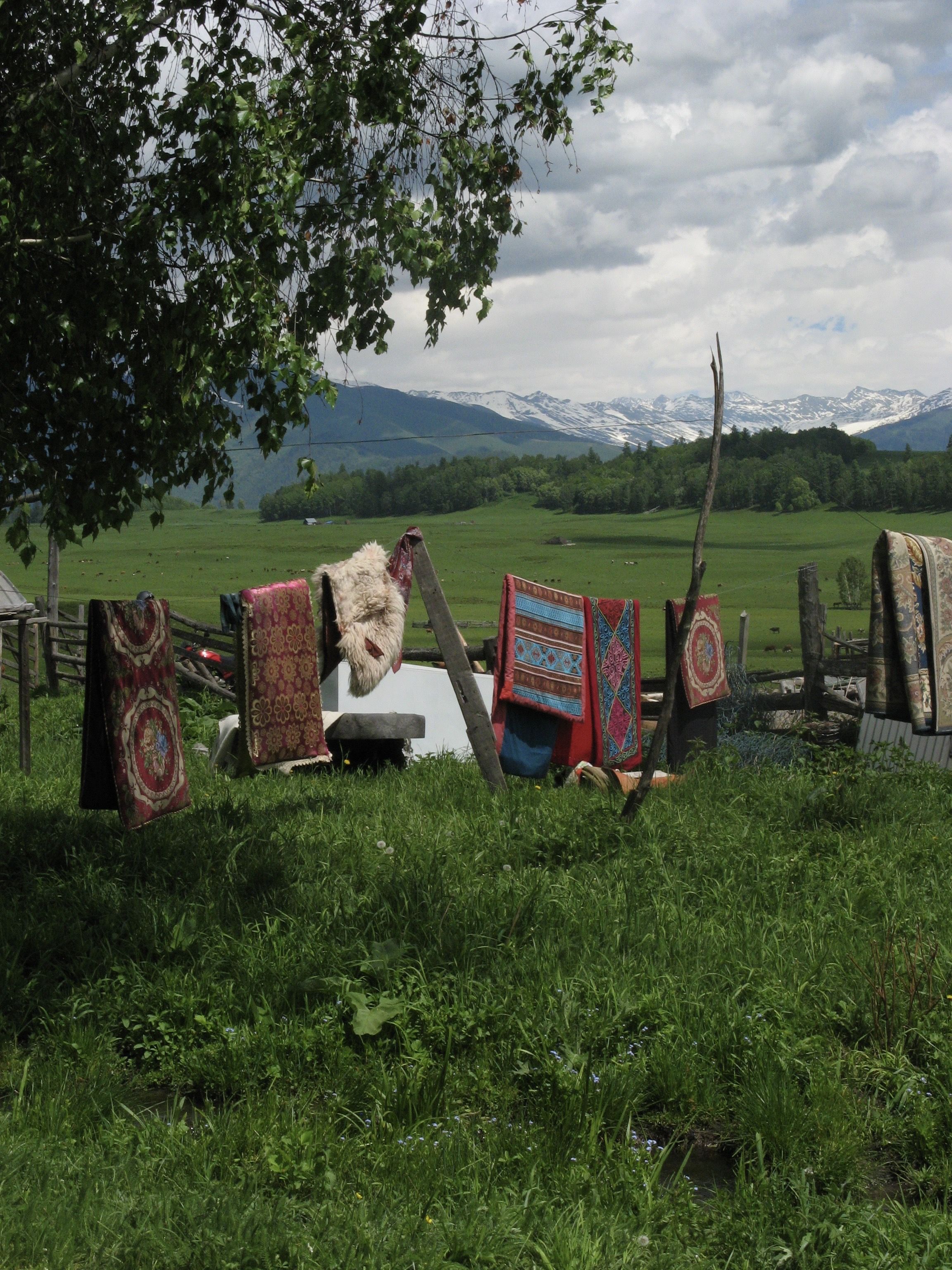
Under clear skies, villagers drape their rugs outside to air and dry in the sun in Altay

Under clear skies, villagers drape their rugs out in the sun to air and dry
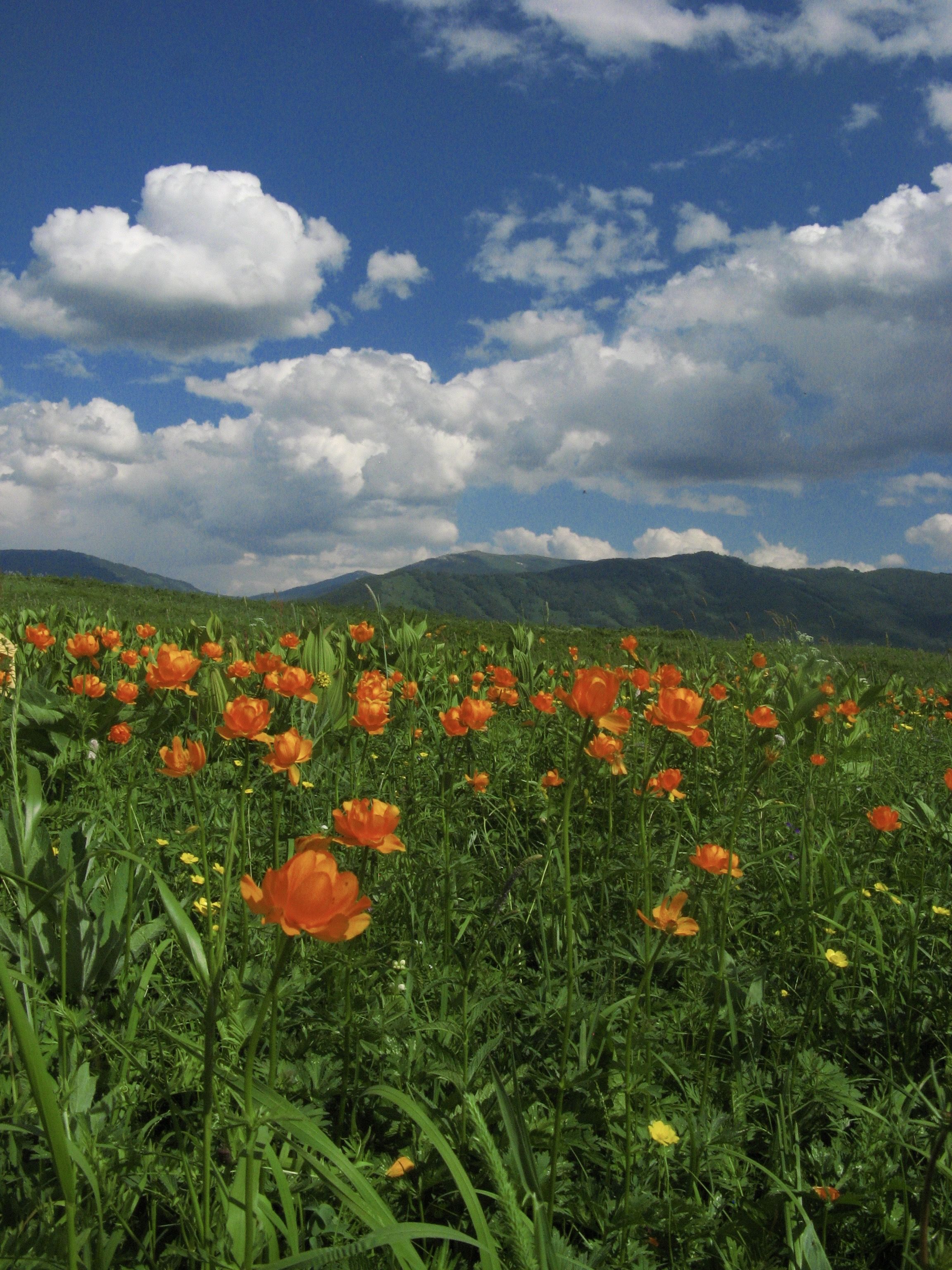
Orange anemone flowers in full bloom against the June sky in Altay

Orange anemone flowers are in full bloom against the June sky
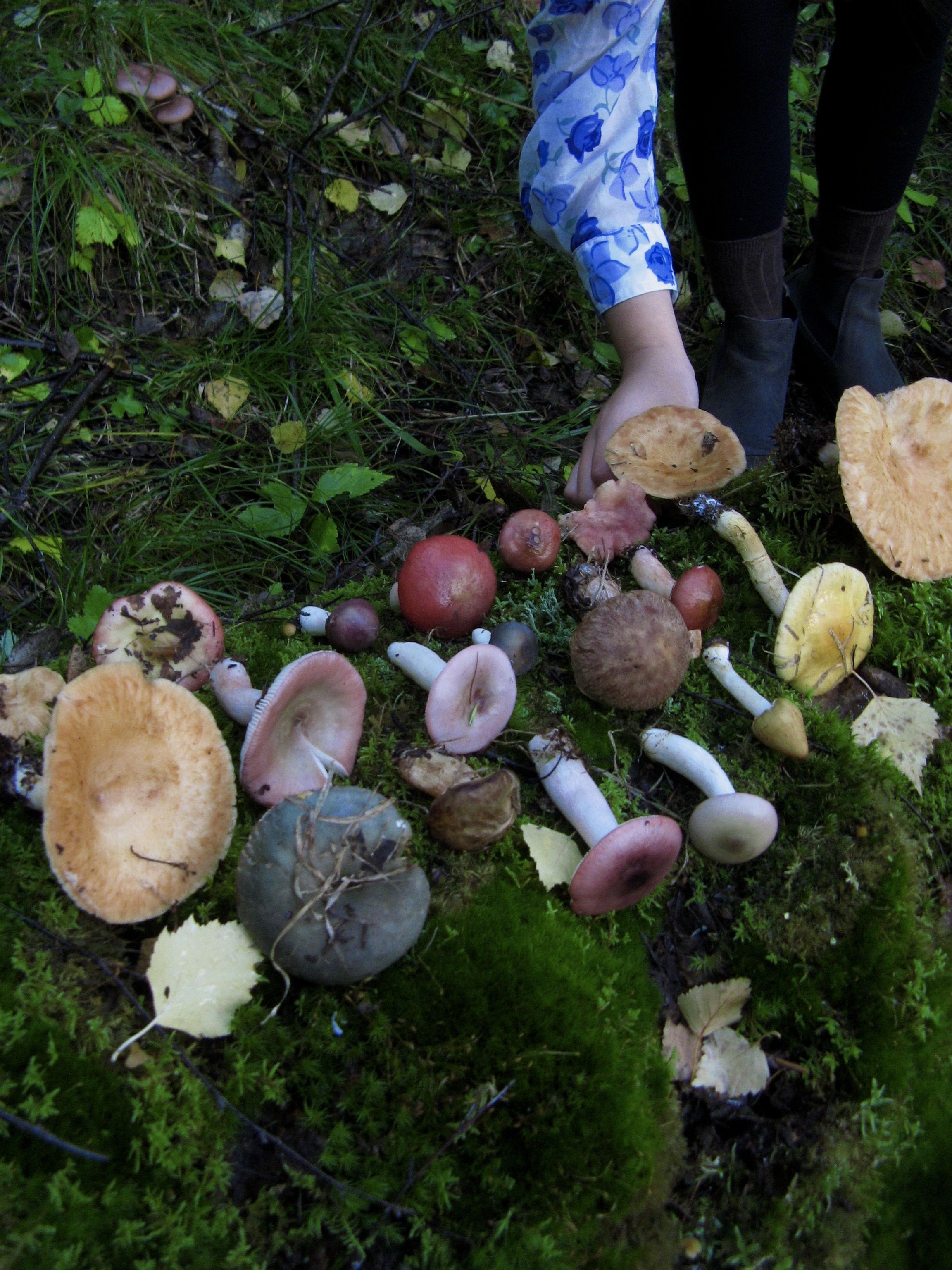
Altay

In early fall, colorful mushrooms dot the forest floor

Surrounded by forests, grasslands, and creeks, Meilifeng village lies just a few kilometers from Hemu village, a better-known tourist destination. Bathed in ample sunshine, wildflowers bloom throughout the season, changing the scenery day by day. Autumn arrives as early as August, bringing the forage harvest, wild berries in the woods, and a bounty of wild mushrooms scattered across the forest floor.

Work on the prairie never ends. Villagers tend to their cattle, horses, and sheep; some keep bees and harvest honey. I lend a hand with daily chores when I can and often look after the children during their school breaks.
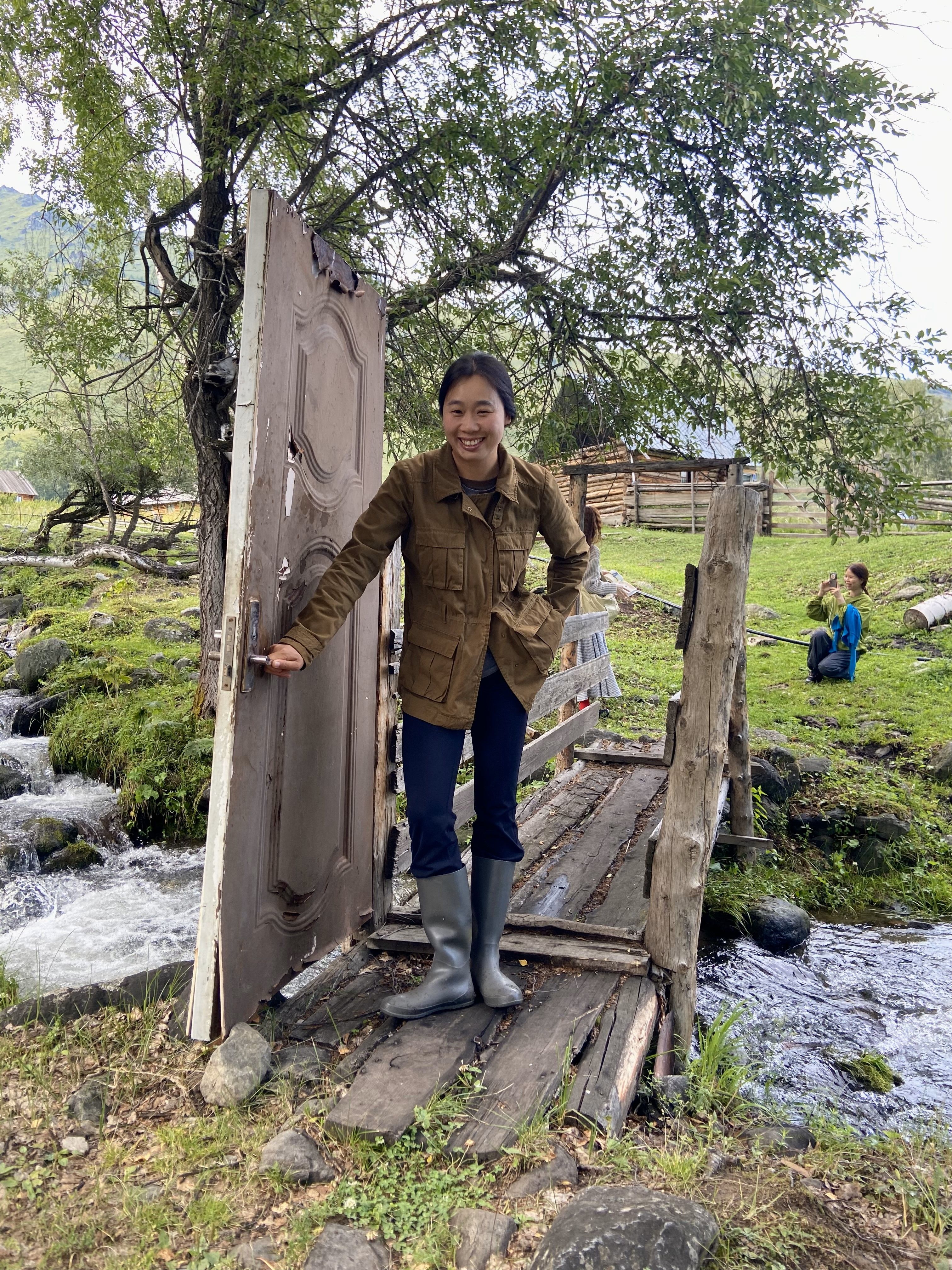
Author opens a door in Altay

A gate is installed at the bridge’s end to prevent cows and horses from stepping onto it
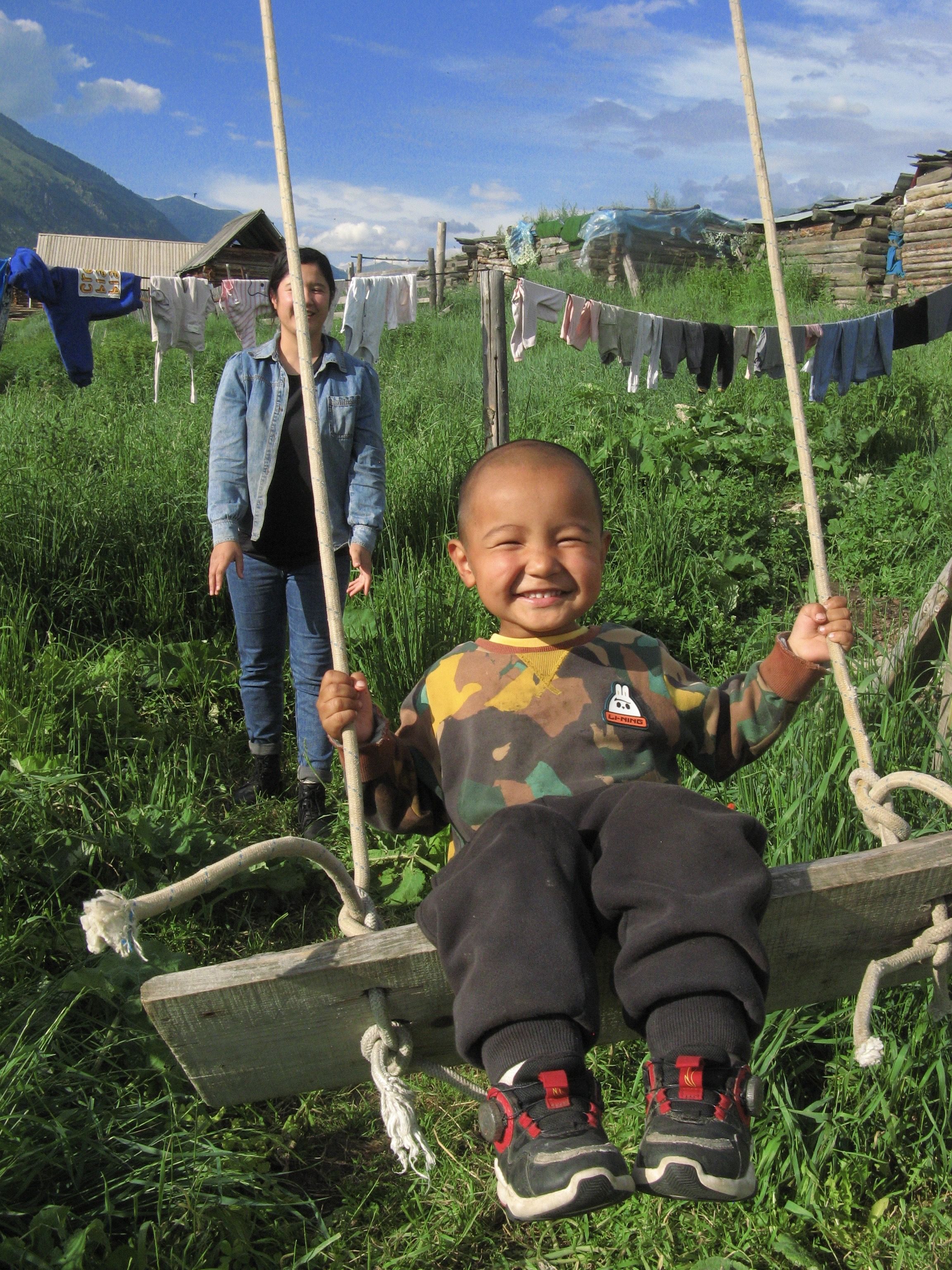
A Kazak child enjoys swinging on a handmade swing near his home at Altay
A Kazak child enjoys swinging on a handmade swing near his home

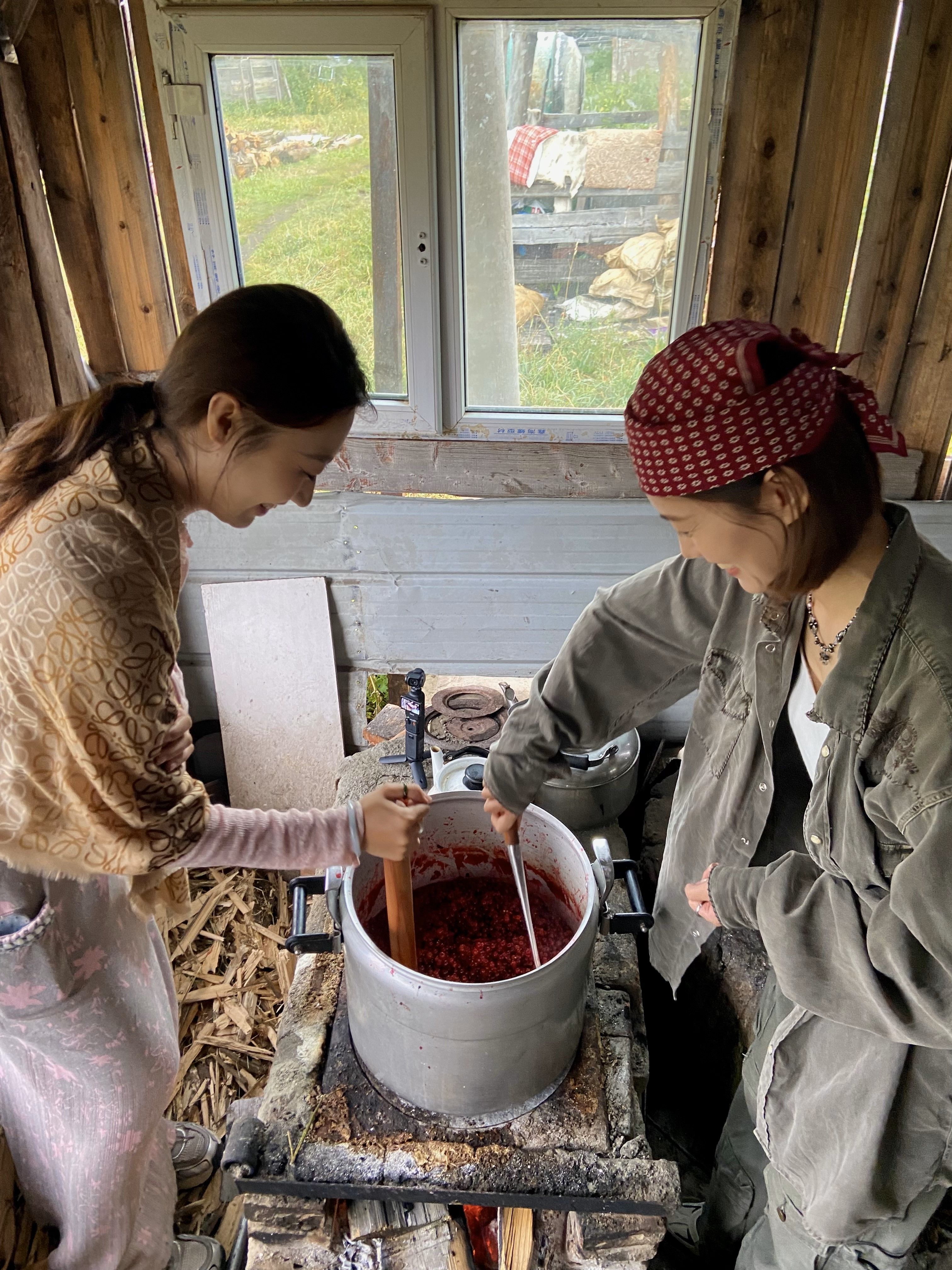
Two visitors on a short stay try their hand at making wild grape sauce in Altay
Two visitors on a short stay try their hand at making wild grape sauce

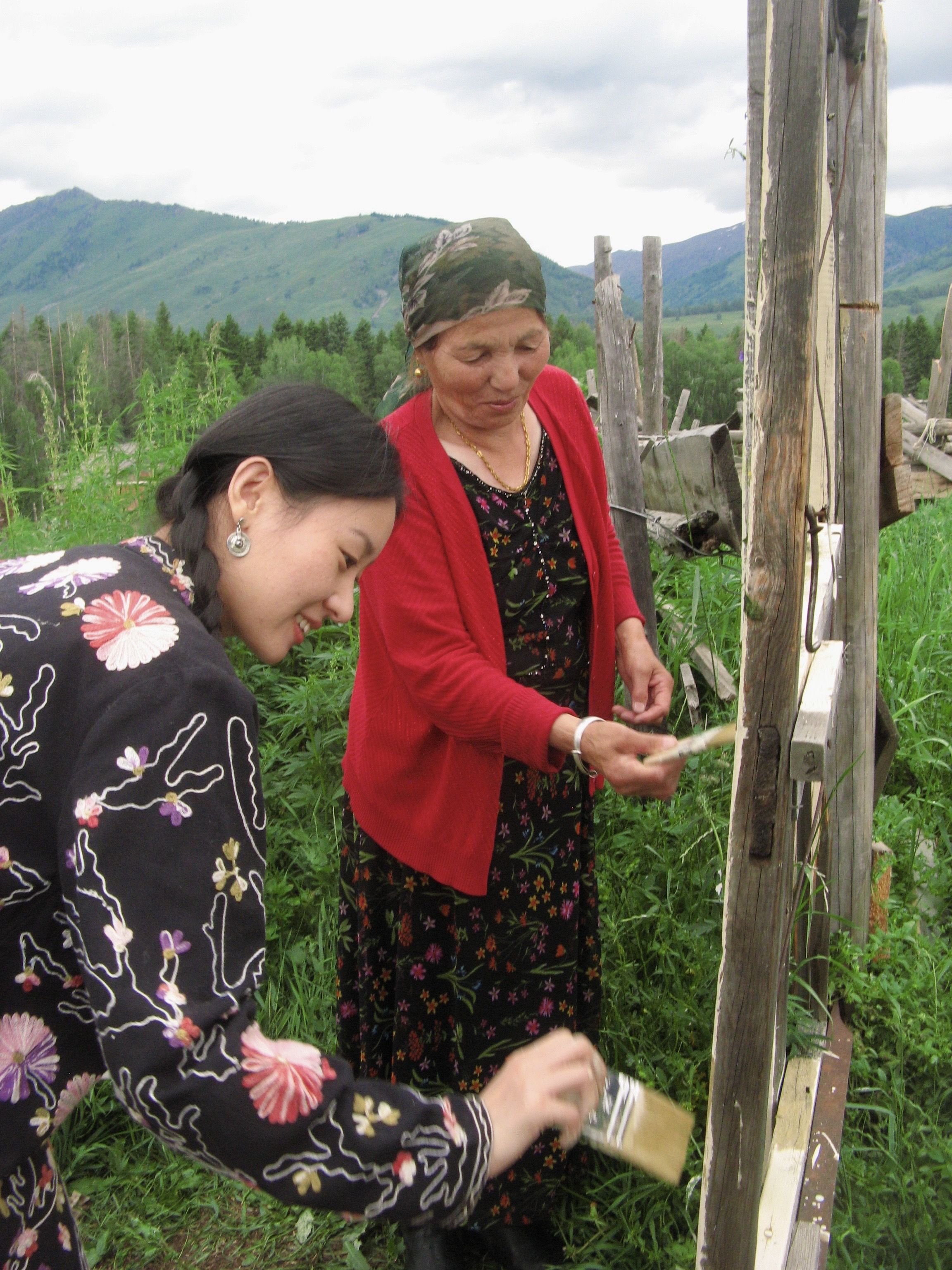
A visitor helps Apa paint her fence in Altay, Xinjiang

A visitor helps Apa (“mother” in Uygur) paint her fence
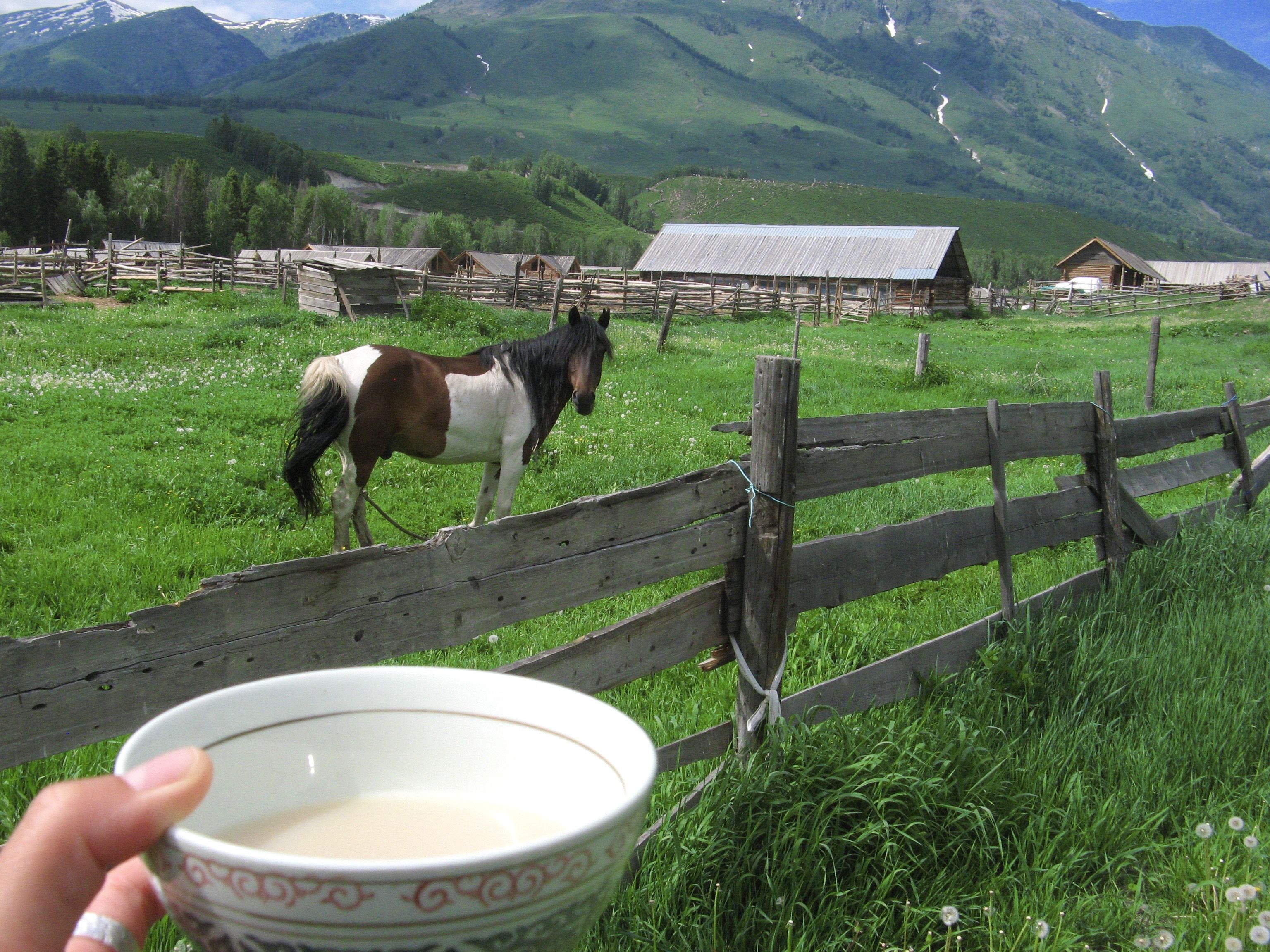
Drinking salty milk tea near the Altay mountains

Salty milk tea with fresh milk is a daily treat
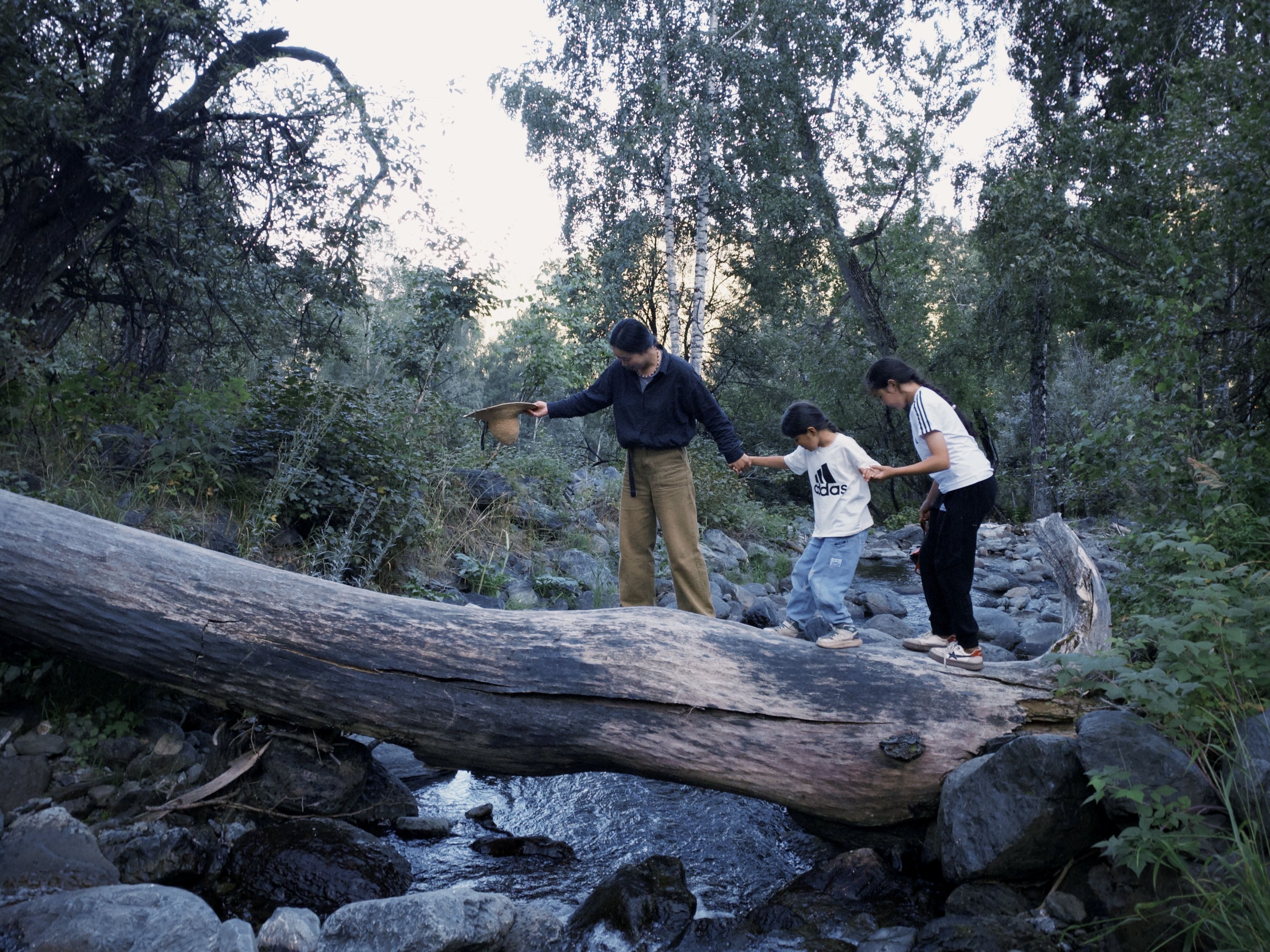
The author is leading village children on an exploration across creeks in the nearby forests

The author (first one on the left) leads village children on an exploration across creeks in the nearby forests

In 2024, the hit TV drama To the Wonder, adapted from Xinjiang writer Li Juan’s 2010 essay collection My Altay, turned the region into a trendy tourist destination. Many villagers in Meilifeng have since started running homestays. I haven’t watched the show, but Li’s writing resonates deeply with me, especially her reflection on the fading traditional nomadic lifestyle.

I use my smartphone and a CCD camera to capture warm moments from daily life and share them on social media. Many of my followers, mostly urban youth, say they dream of living this kind of life. But I also want them to understand: behind the beautiful, serene images lies a life that’s just as tough—if not tougher—than their own.
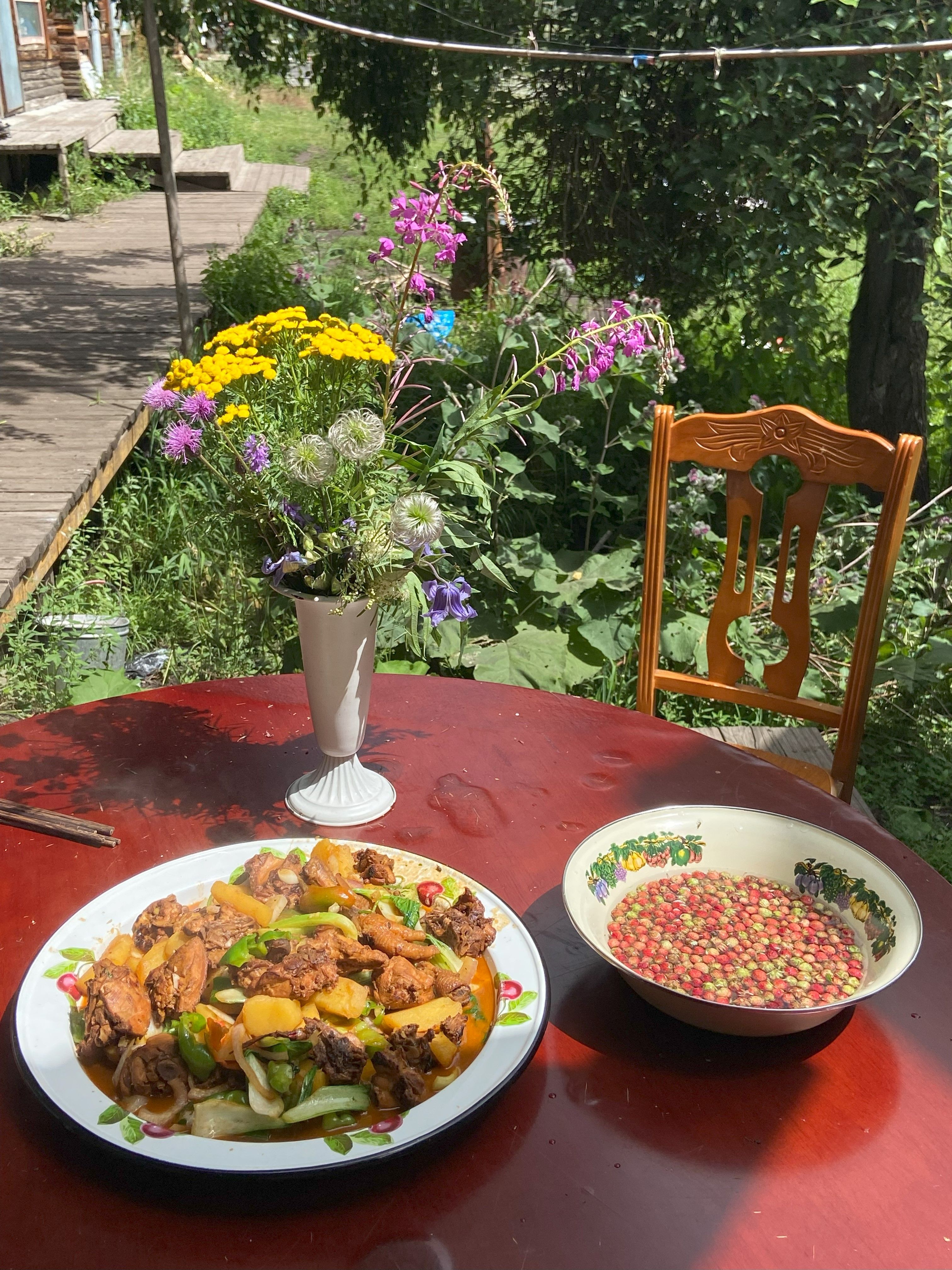
A Kazak lunch of chicken, potatoes, vegetables, and wild strawberries enjoyed under the sun in Altay
A Kazak lunch of chicken, potatoes, vegetables, and wild strawberries enjoyed under the sun

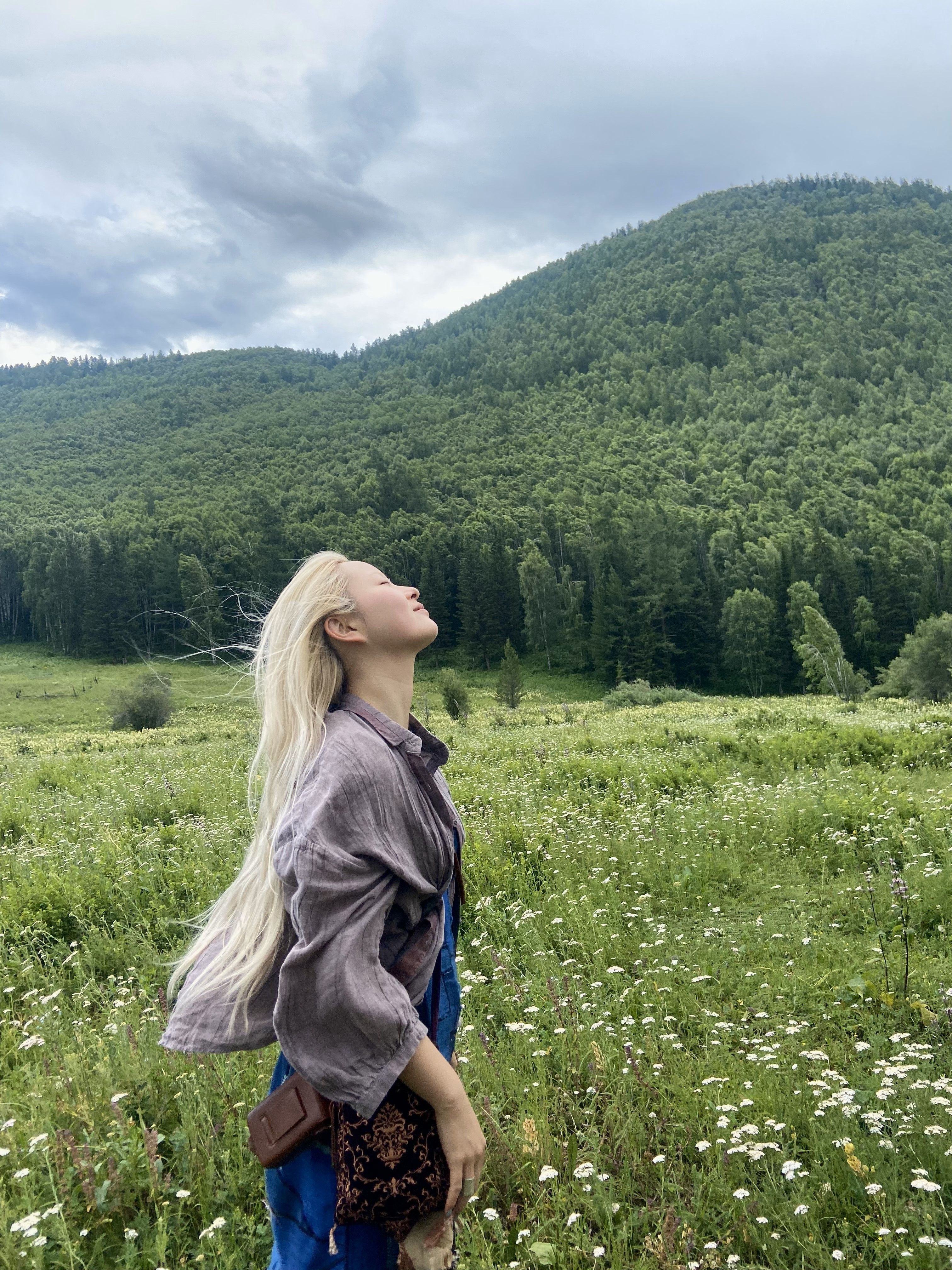
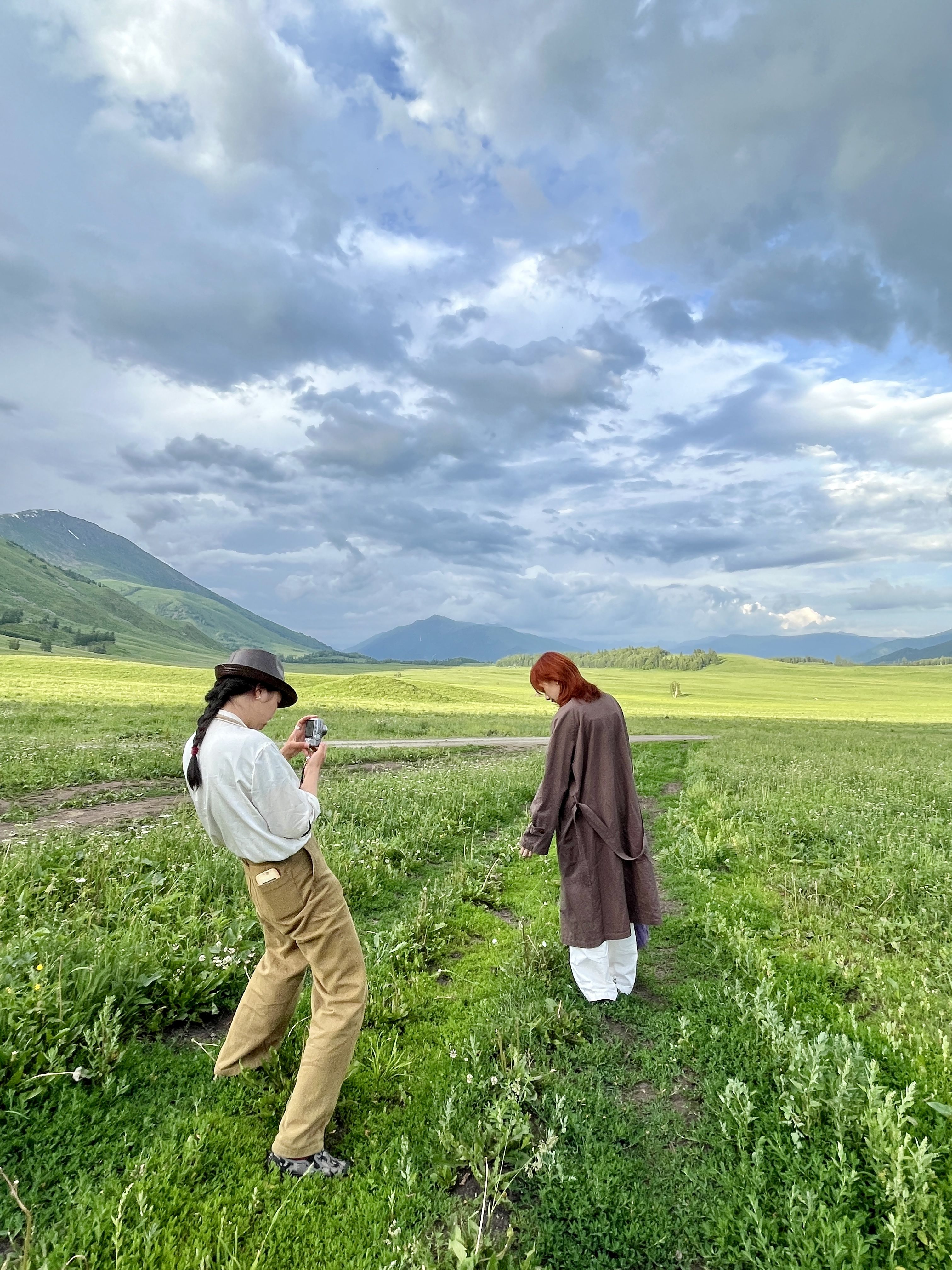
A visitor inhales the crisp mountain air amidst Altay’s natural beauty
A visitor inhales the crisp mountain air amidst Altay’s natural beauty

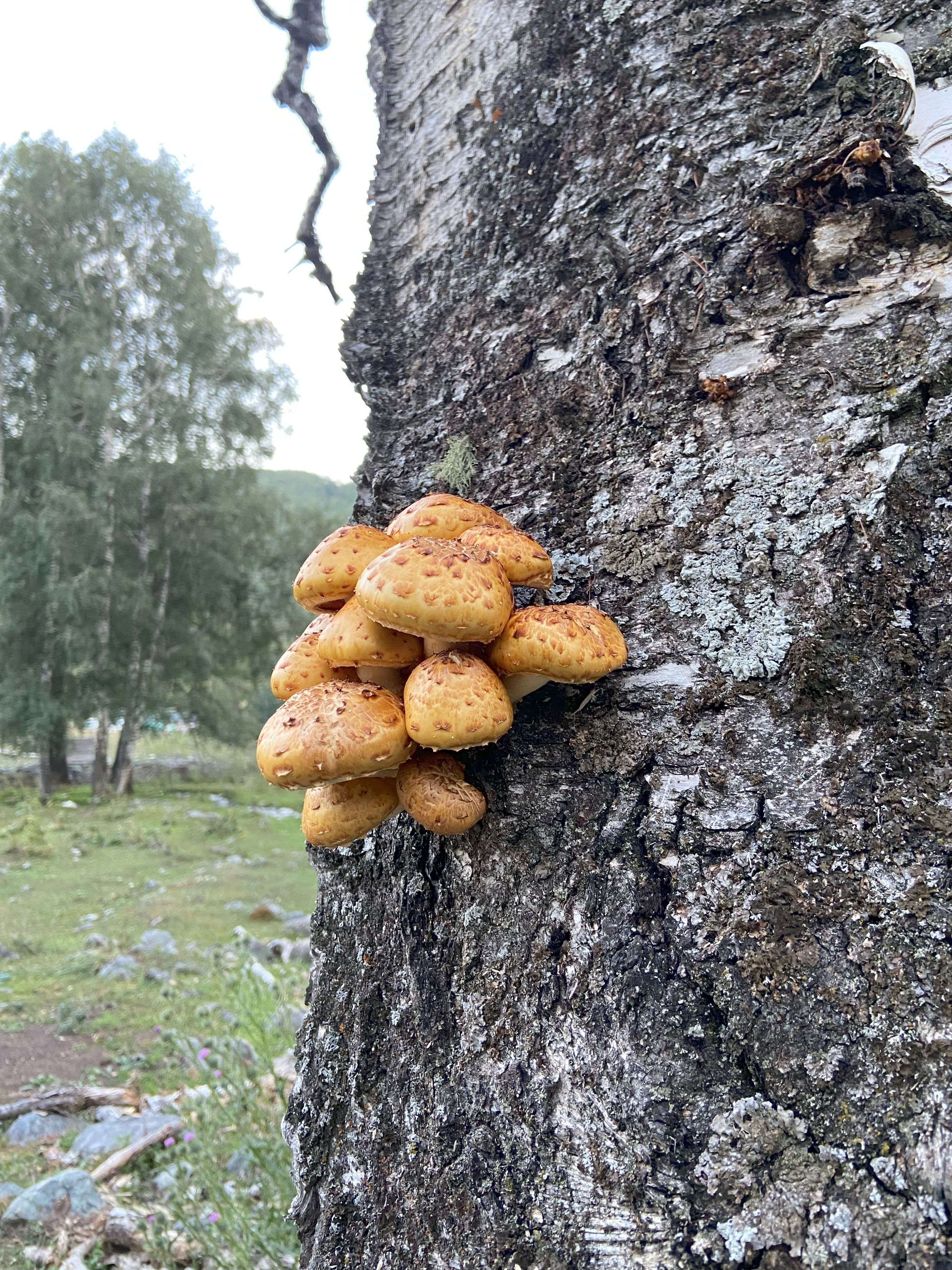
Wild mushrooms growing on trees are a common bounty in Altay’s forests
Wild mushrooms growing on trees are a common bounty in Altay’s forests

A CCD camera from the 2010s is among the photographer’s favorite gear, now back in style for its vintage aesthetic

A CCD camera from the 2010s, now back in style for its vintage aesthetic, is among the photographer’s favorite gear

To show more people the real Altay, I also host guests from across the country. Many of them are young women who have reached out to me through social media. Unlike a typical customized tour, we don’t follow a fixed itinerary. Instead, we live like the locals—sleeping on a large communal bunk in the auntie’s woodhouse, drinking fresh goat milk, and eating Kazak food. For activities, we either ride horses or simply go for a stroll.

I hope I haven’t romanticized the local life. But my pictures truly reflect what I feel—there’s a sense of poetry and warmth in this simple life that modernity often overlooks.


When Youth Tourism Meets Village Life in Altay, Xinjiang | Photo Story is a story from our issue, “Smart Nation.” To read the entire issue, become a subscriber and receive the full magazine.

Tags:
NATURE PHOTOGRAPHY RURAL TOURISM XINJIANG

Related Articles

Tourists on escalator in China painless tourism
TRAVEL

Peak Convenience: The Rise of Painless Hiking

Young Chinese birding at a park
SPORTS

Birds of a Feather: Why China’s New Birding Generation Is Looking Up

Feature story_When Heritage Goes Viral_
TRADITIONAL CULTURE

When Heritage Goes Viral

Chinese influencers Guochao trend
TRADITIONAL CULTURE

How China Turns Intangible Heritage Into Tangible Returns

Related Articles

Tourists on escalator in China painless tourism
TRAVEL

Peak Convenience: The Rise of Painless Hiking

From cable cars to mountain escalators, China’s scenic areas are catering to tourists who want nature, relaxation, and good views without breaking a sweat

Young Chinese birding at a park
SPORTS

Birds of a Feather: Why China’s New Birding Generation Is Looking Up

Once seen as a pastime for retired grandpas, birdwatching has taken off among China’s overworked young people, prompting them to rethink how they want to live and raise the next generation

Feature story_When Heritage Goes Viral_
TRADITIONAL CULTURE

When Heritage Goes Viral

Explore how traditional arts and crafts are finding new ways to connect with modern audiences in our latest issue

Chinese influencers Guochao trend
TRADITIONAL CULTURE

How China Turns Intangible Heritage Into Tangible Returns

While many of China’s intangible heritage traditions are struggling to survive, recent commercialization efforts have helped to transform some into sustainable business enterprises by integrating them with tourism and product sales

Subscribe to our newsletter

Scan to follow us on WeChat

Or add: Theworldofchinese

Topics

  • Society
  • Life
  • Business
  • Language
  • History
  • Arts
  • Literature
  • Photo Stories

Media

  • Magazines
  • Books
  • Podcasts
  • Videos

News and Events

  • Announcements
  • Events

About TWOC

  • About Us
  • Our Team
  • Join Us
  • Pitch to Us
  • Contact Us

PARTNERS

© THE WORLD OF CHINESE | 京ICP备05007371号-7