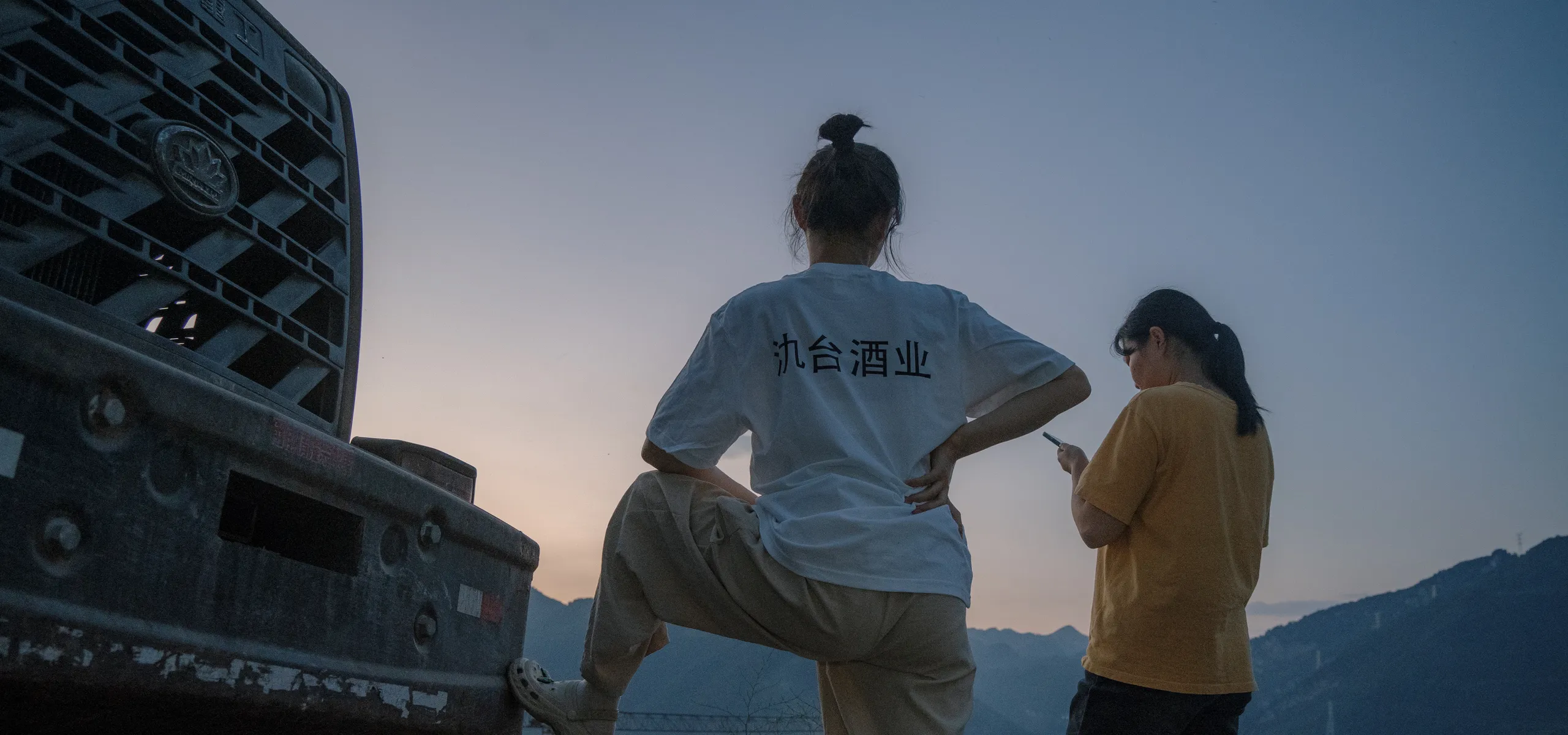


Photographer Ma Changyu, a former worker in Maotai, documents the surreal contrasts of solitude and bustle that define the baijiu-producing town
In 2022, burdened by debt, I left behind Beijing and life as a freelance photographer to return to my hometown in Zunyi, Guizhou province. I found a job in Maotai, a town under Zunyi, joining the marketing department of a local liquor factory.
The Maotai town is familiar to most Chinese people as the birthplace of our “national liquor”—Kweichow Moutai. This potent sorghum-based spirit, or baijiu, owes its distinctive aroma to the unique bio-environment of the nearby Chishui Valley, and its name is simply an old English transliteration of the town. Renowned for its jiangxiang flavor—literally “sauce-flavored,” named for its resemblance to fermented bean pastes and soy sauce—Moutai has been a staple at state banquets since the 1950s. It has captivated China’s high-end consumers for decades and even became a hot investment commodity in the early 2010s.
Aside from the prestigious Moutai, the town is home to thousands of other baijiu distilleries. Here, everything seems steeped in liquor—the air thick with its aroma, billboards promoting it, and even the stray dogs darting along the roads, which I half-jokingly suspect might have had a drink or two.
The multibillion-dollar liquor industry has attracted many migrant workers like me, mostly from nearby cities. We jokingly called ourselves “Maotai drifters (茅漂),” a nod to the more familiar term “Beijing drifters (北漂),” which emerged in the early 2000s to describe people who moved to Beijing from other regions in search of higher wages and better opportunities.
But working and living here isn’t exactly rich in spirit, despite the town being awash in it. The factory where I worked for three years was isolated, perched on a mountain within Maotai’s core production area—a 15-square-kilometer protected zone designed to preserve the local ecology and ensure the quality of the brew.
Despite working in marketing, my routine mirrored that of other distillery workers: eating in the canteen, sleeping in the dorms, and spending five days a week confined to the mountain. In Shangping village, where I live, libraries, cinemas, and other cultural venues are luxuries we do not have. Without many friends or close family ties, most of us Maotai drifters don’t have a strong sense of belonging here. On weekends, we escape to Zunyi.
It wasn’t until a year and a half into working at the company that I suddenly found myself fascinated by everything around me. I began documenting life in this small town with my camera, increasingly feeling that this place—and my life here—was worth sharing: female workers treading locally grown red sorghum with their bare feet, the heat and humidity of the lab, even just the hand-washed clothes hanging in the dorm corridors.
These unassuming moments of everyday life in the tranquil mountains stood in sharp contrast to other photos I took for work—from the carefully orchestrated advertising of joyful family reunions to the clinking of glasses between sales reps and clients at sales events, where even the most reserved people revealed warmth and boldness under the influence of alcohol. It was a surreal, sometimes absurd juxtaposition of opulence and austerity, solitude and bustle—one that, for me, defines this place.
Here’s my project, “Maotai Drifters.”
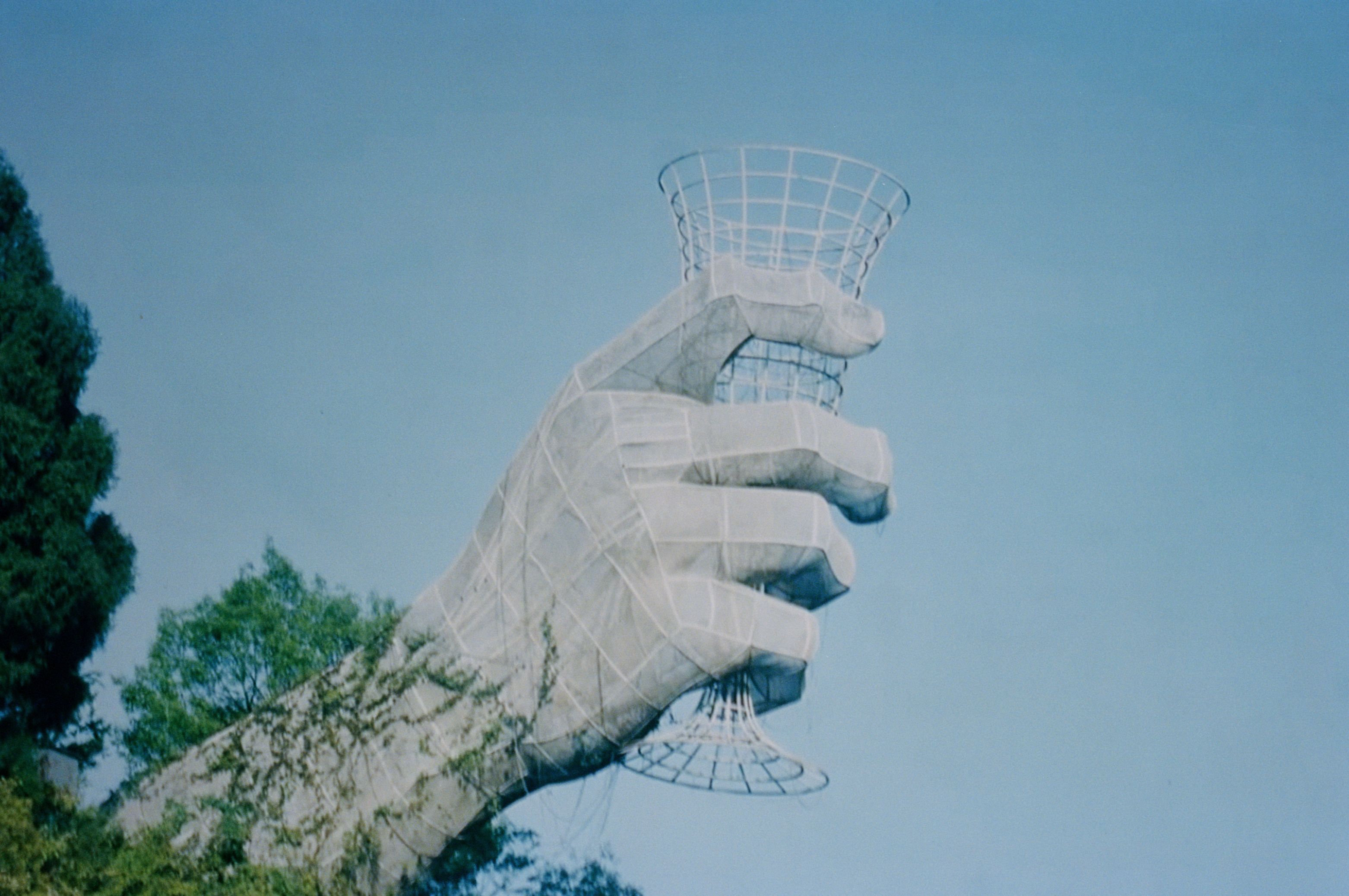
On the highway to Maotai, the giant wine glass installation by the roadside is a clear sign that the town is near
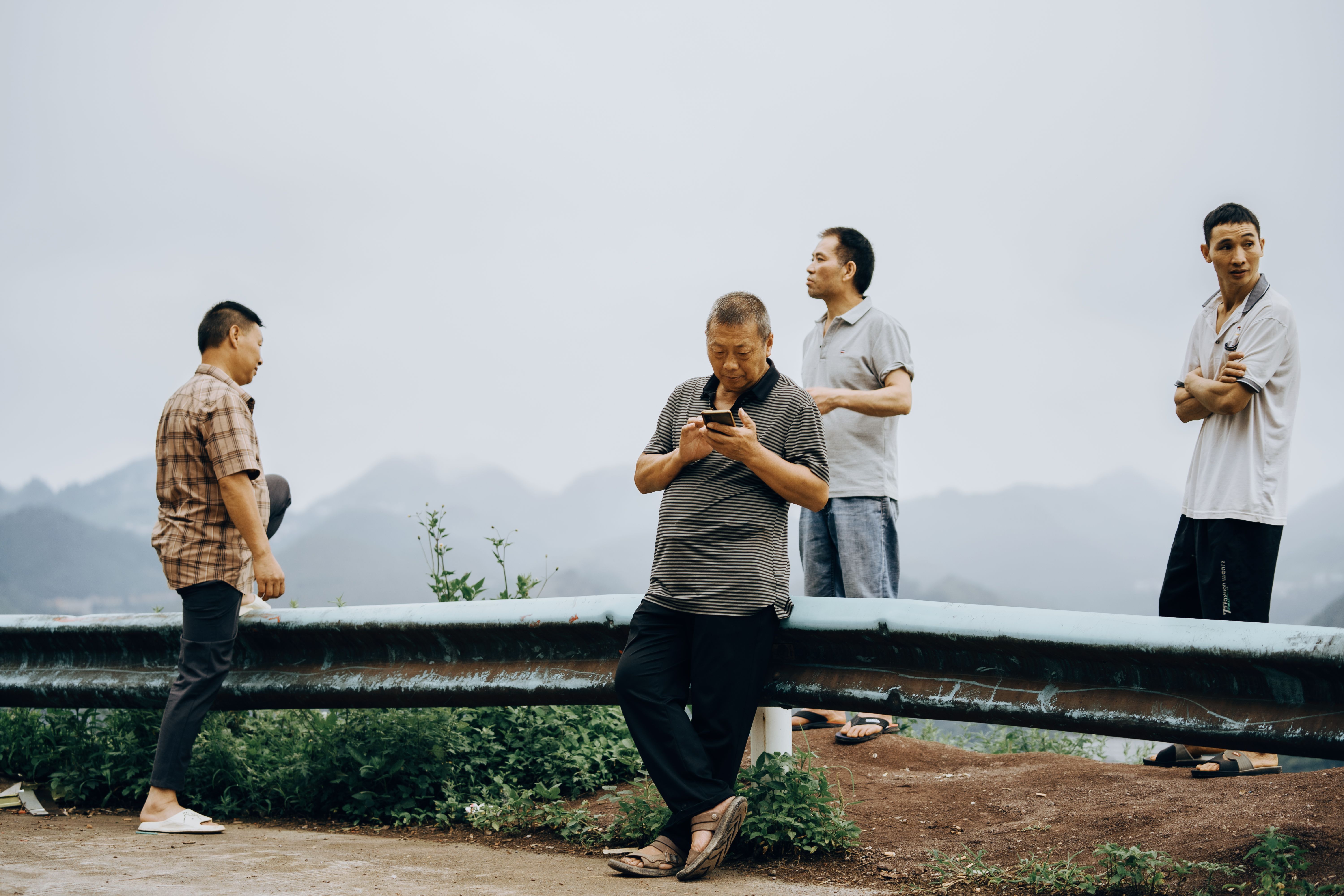
Maotai’s liquor industry draws workers from nearby areas, many of whom come solely for employment, forming a community known as the “Maotai drifters”
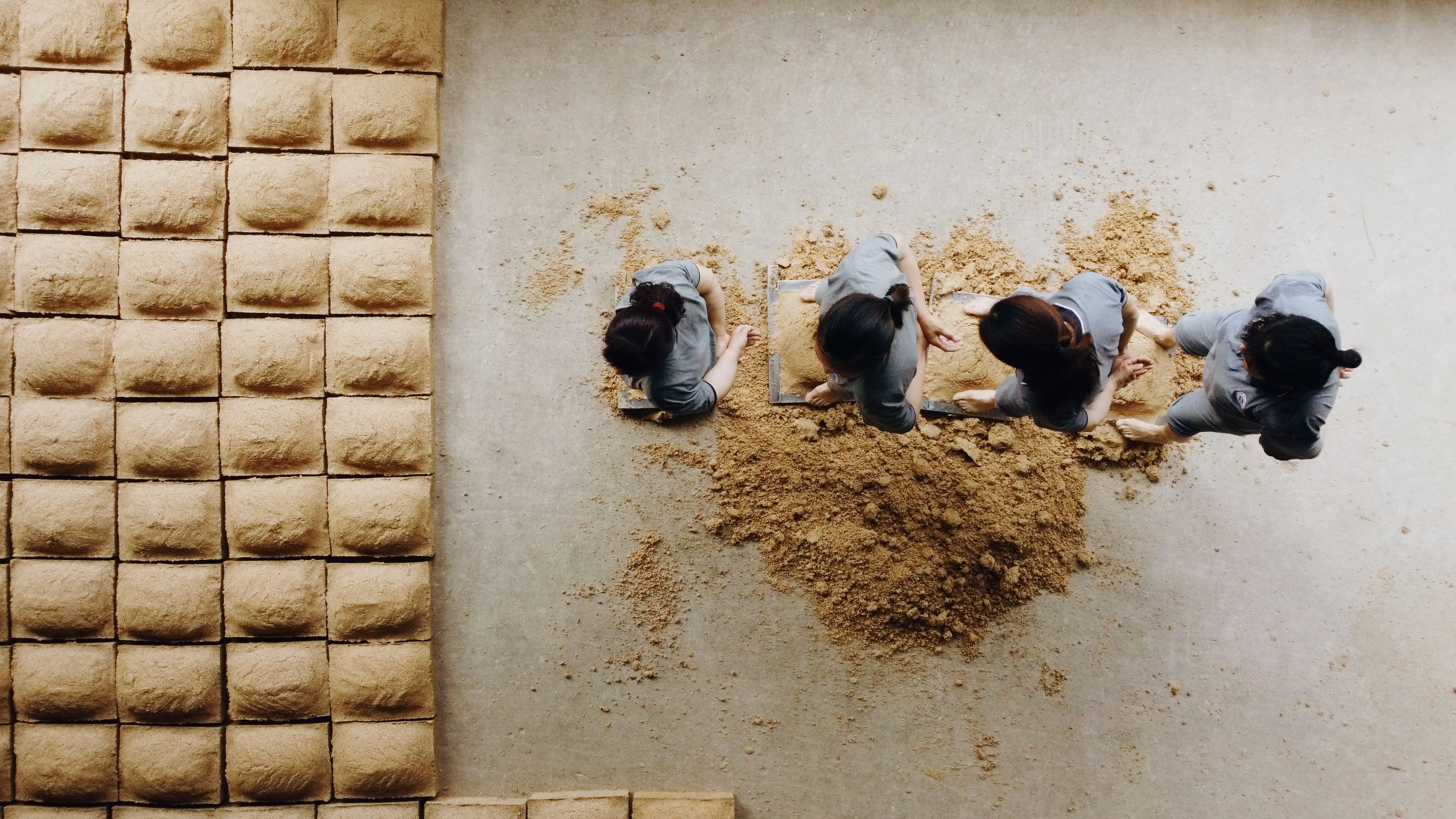
Every year during the Dragon Boat Festival, around mid-June, female workers tamp down the fermentation starter, or jiuqu, with bare feet—a delicate task to maintain the right texture. Locals summarize the intricate production process with the shorthand “12987”: one year, two rounds of ingredient inputs, nine steaming cycles, eight fermentation stages, and seven liquor extractions.
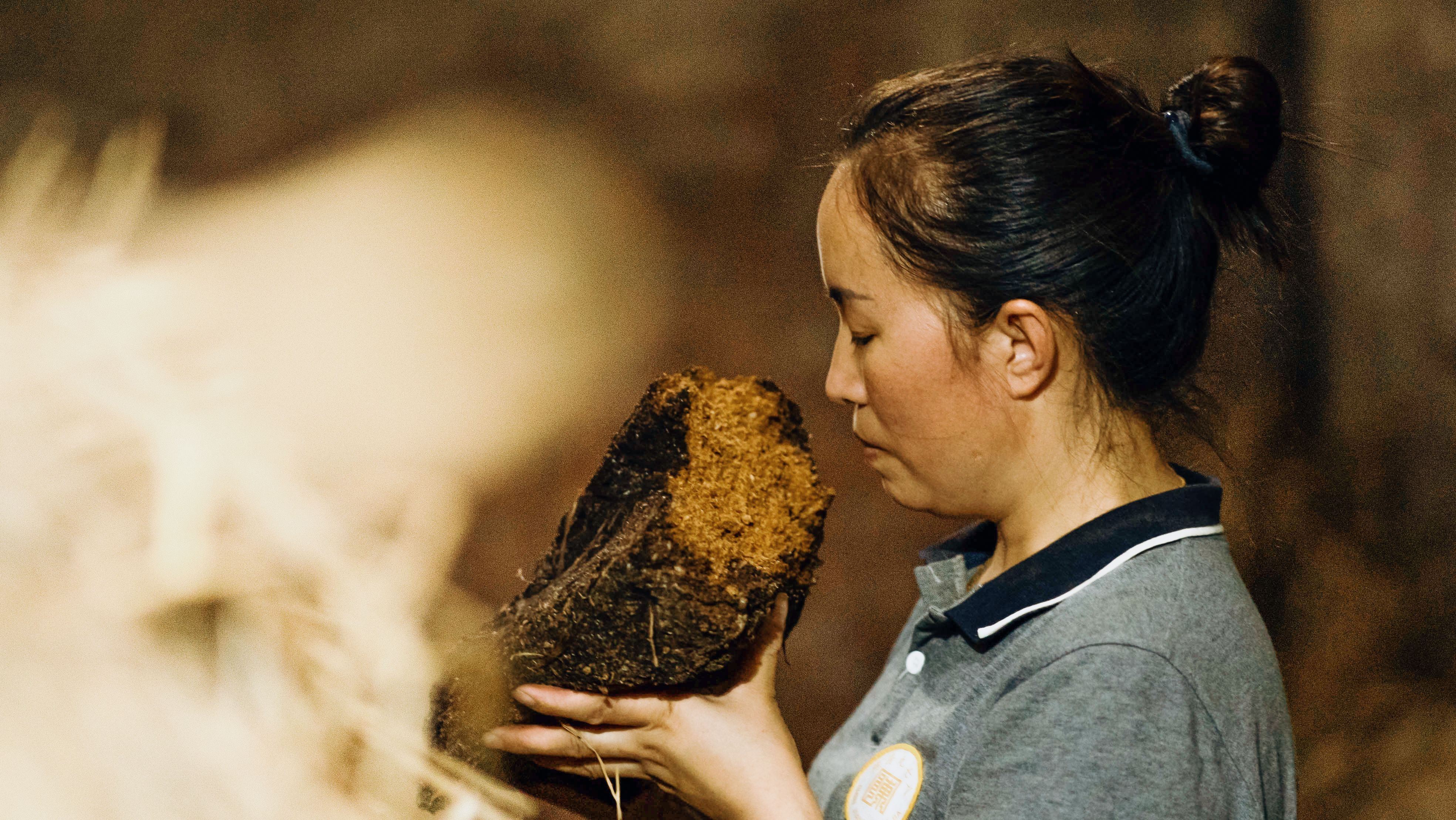
A worker inspects the fermentation of the jiuqu bricks. To encourage microbial activity, the lab maintains high temperatures and humidity, creating a demanding working environment.
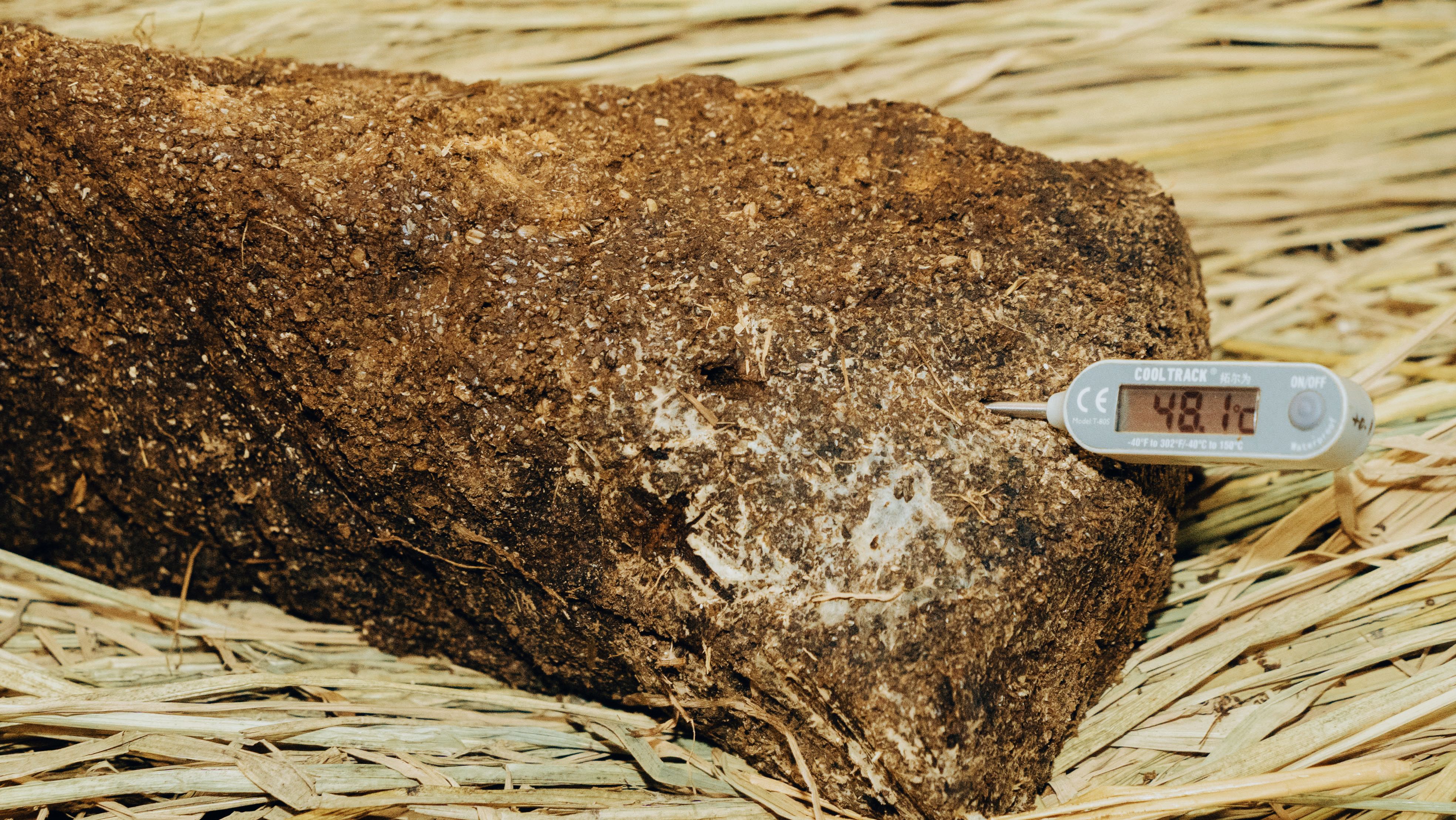
High-temperature fermentation lies at the heart of baijiu production in Maotai, with internal temperatures reaching 60 to 65 degrees Celsius
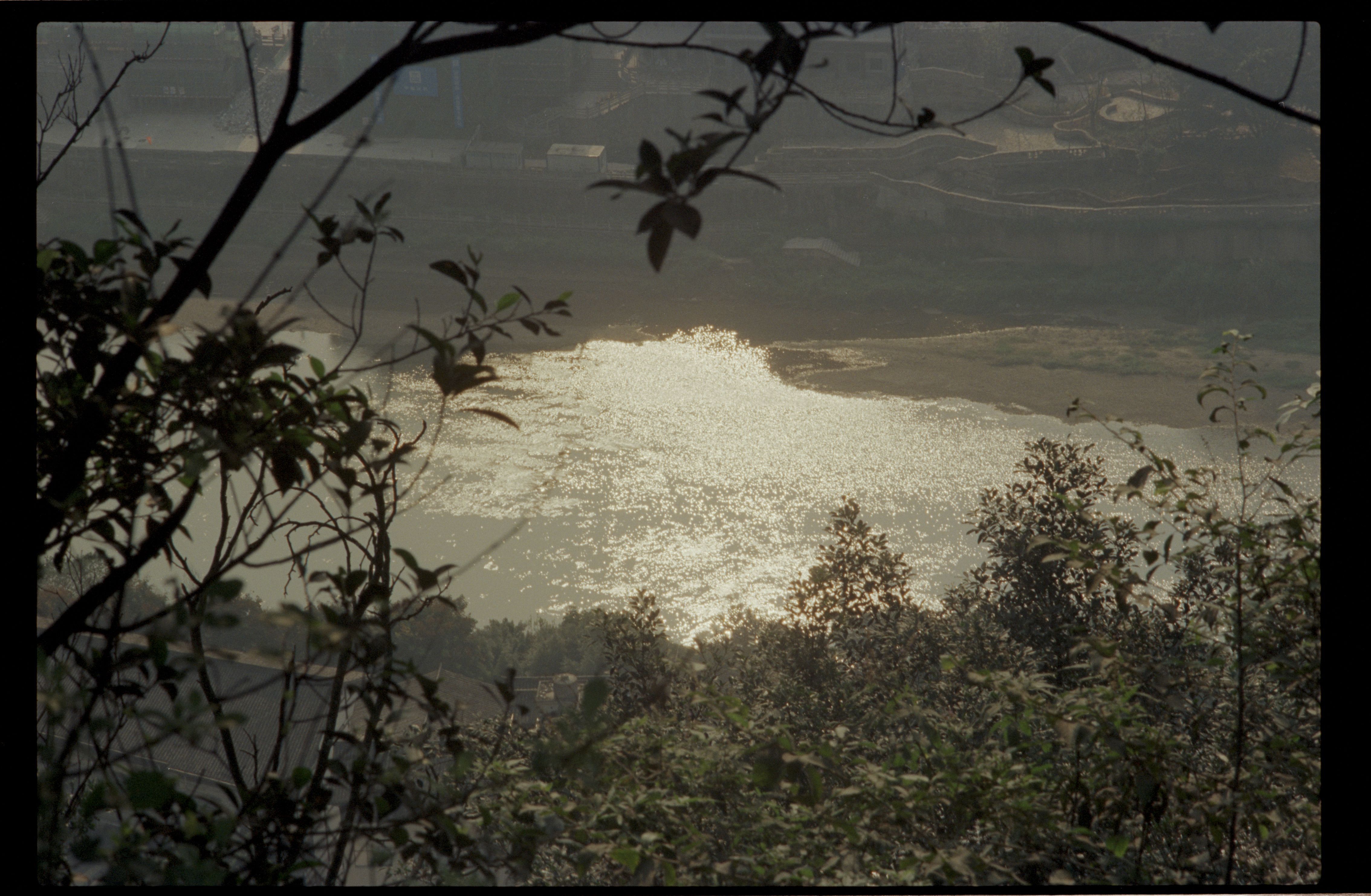
Kweichow Moutai’s production depends on the unique ecology of the Chishui Valley. During each flood season, purplish-red sandstone from upstream turns the river a deep red, giving it the name “Chishui,” which literally means “Red Water.”
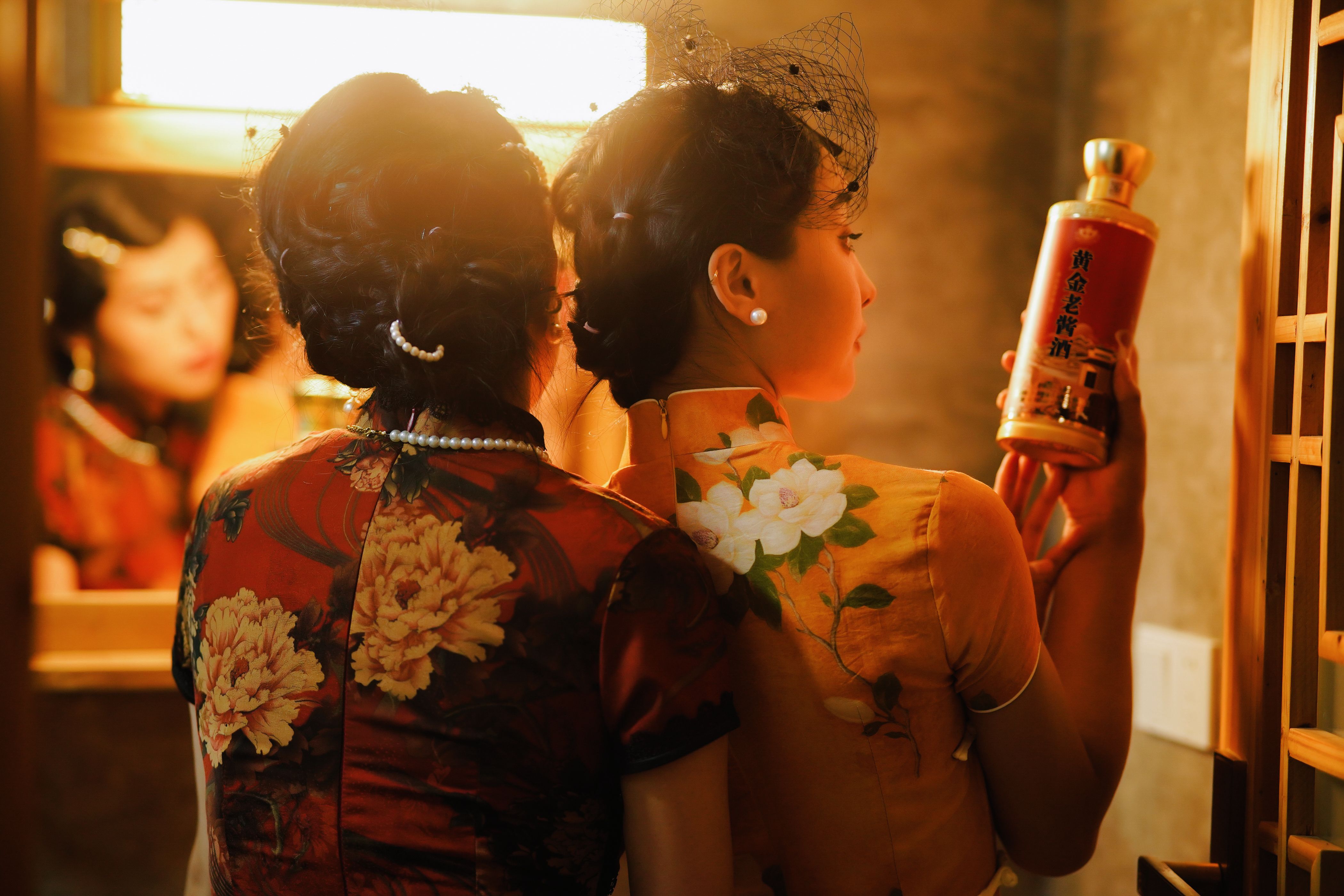
Liquor advertisements often use beautiful female models to convey a sense of luxury
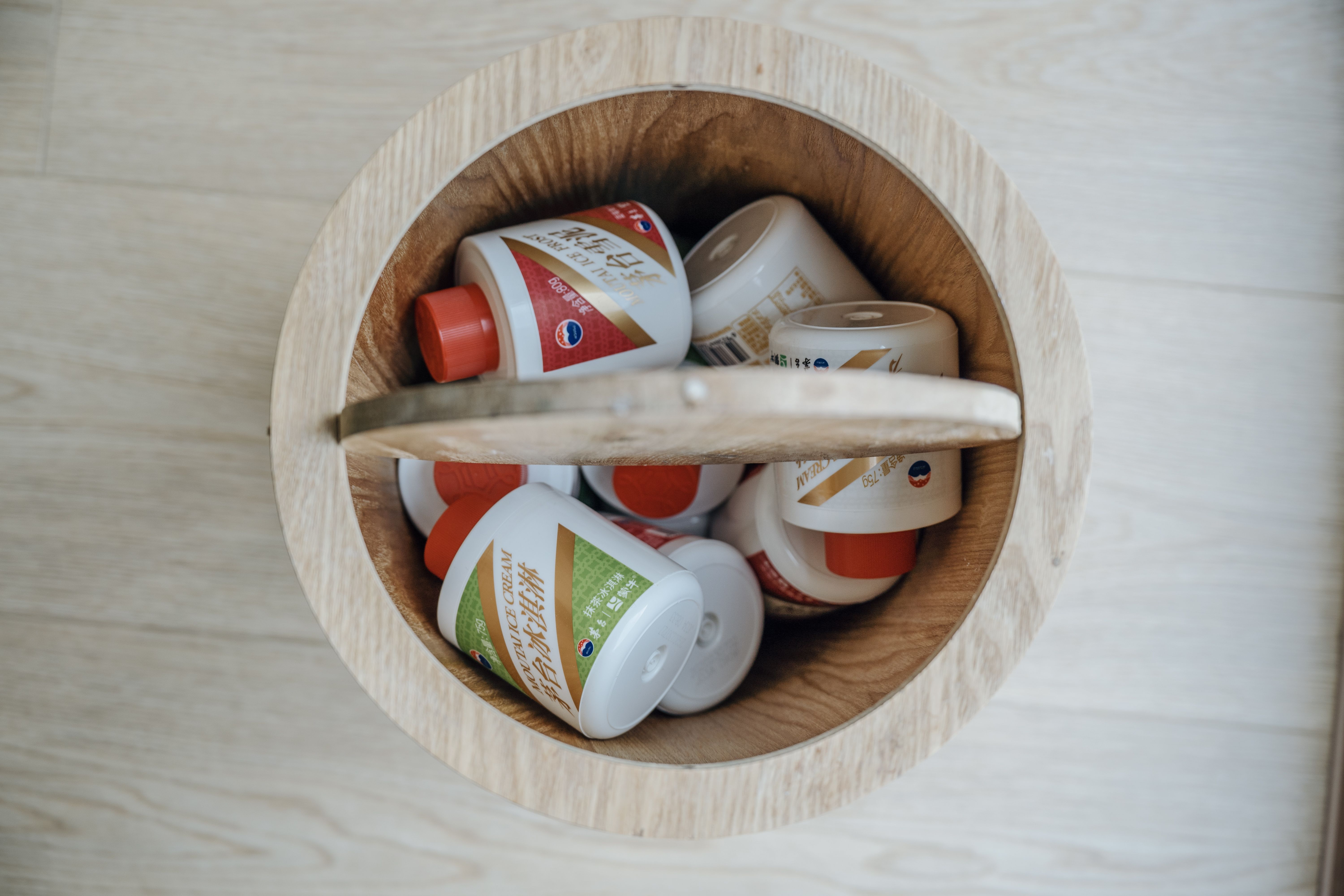
To appeal to younger consumers, Moutai has in recent years launched branded products like Moutai ice cream, which became an internet sensation in 2022 and remains a must-try for visitors
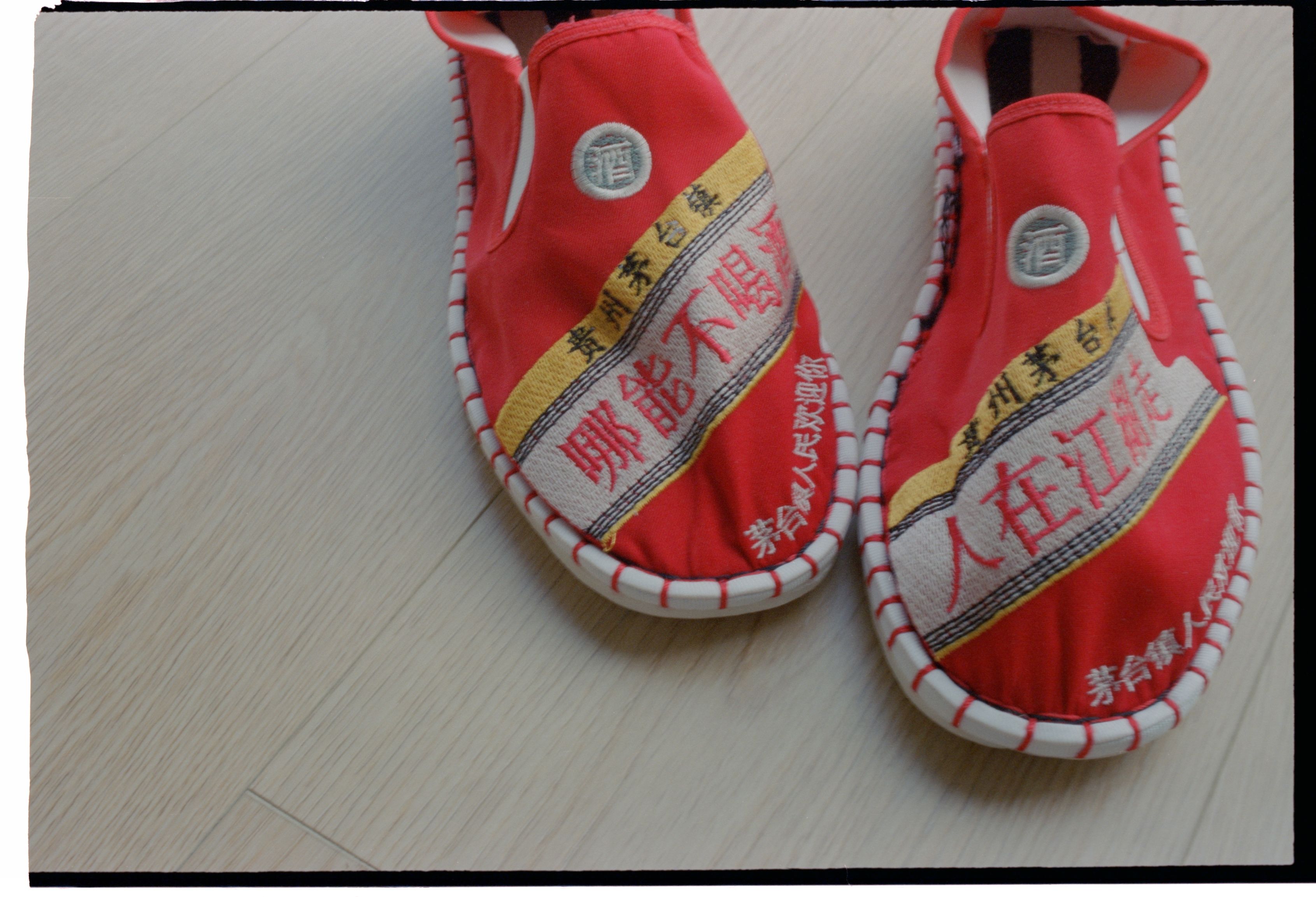
In Maotai Town, Kweichow Moutai’s iconic packaging has become a ubiquitous cultural symbol
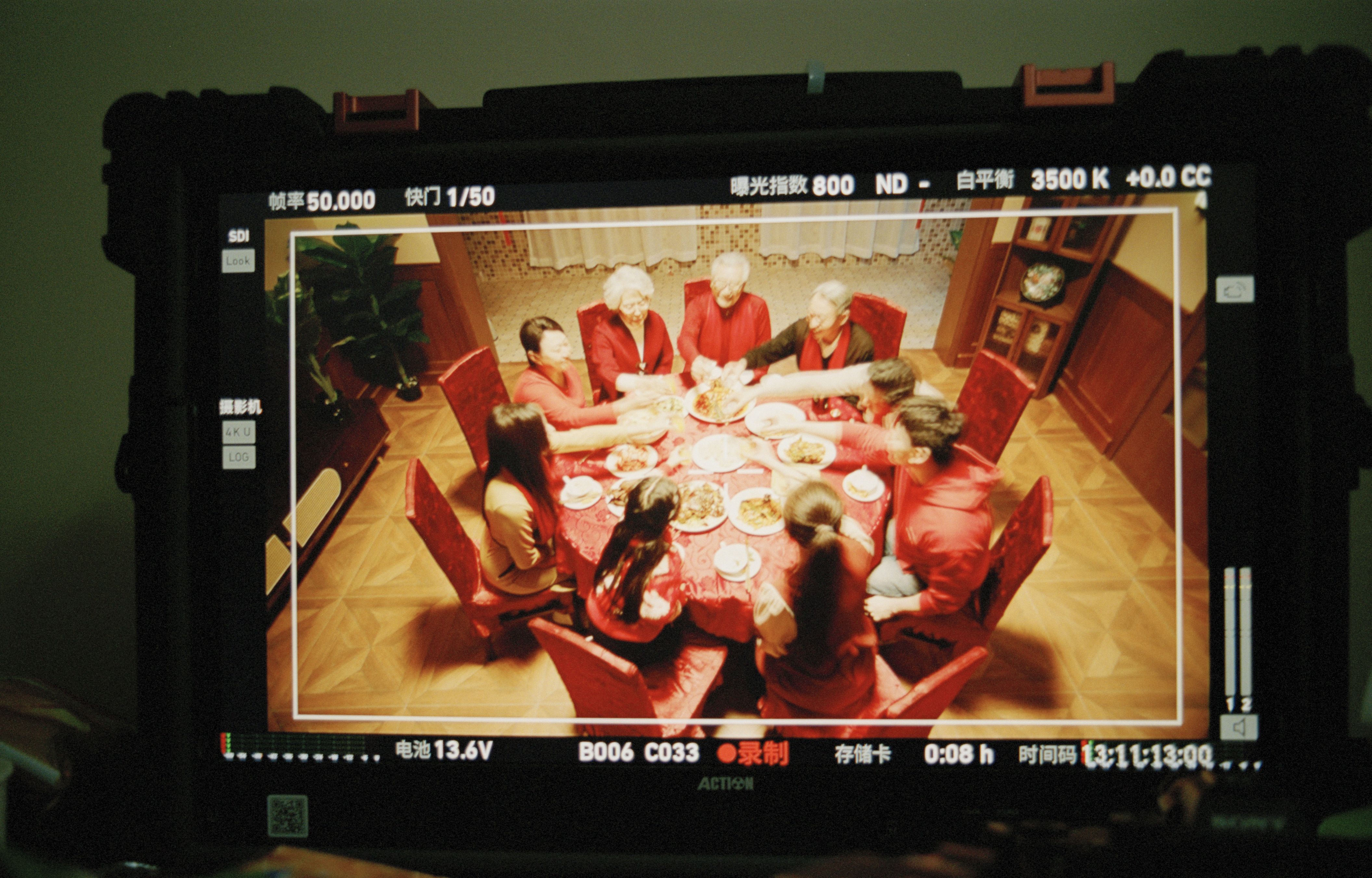
Baijiu is a staple at many Chinese family gatherings. Through the monitor at a commercial shoot, Ma captured a staged joyful family reunion.
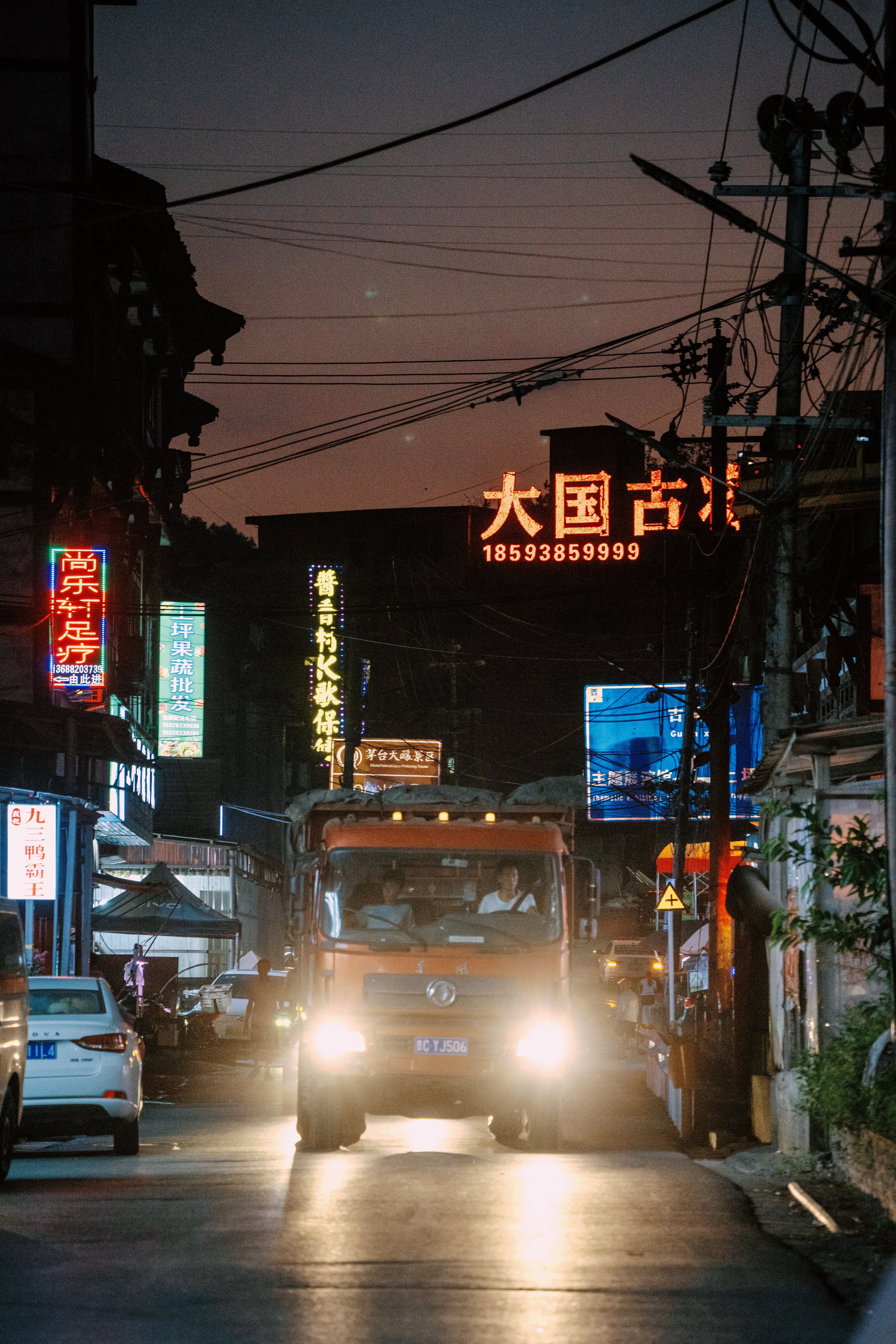
In Shangping village, all it offers for entertainment are KTVs, bathhouses, and restaurants to sing, chat, and get drunk in
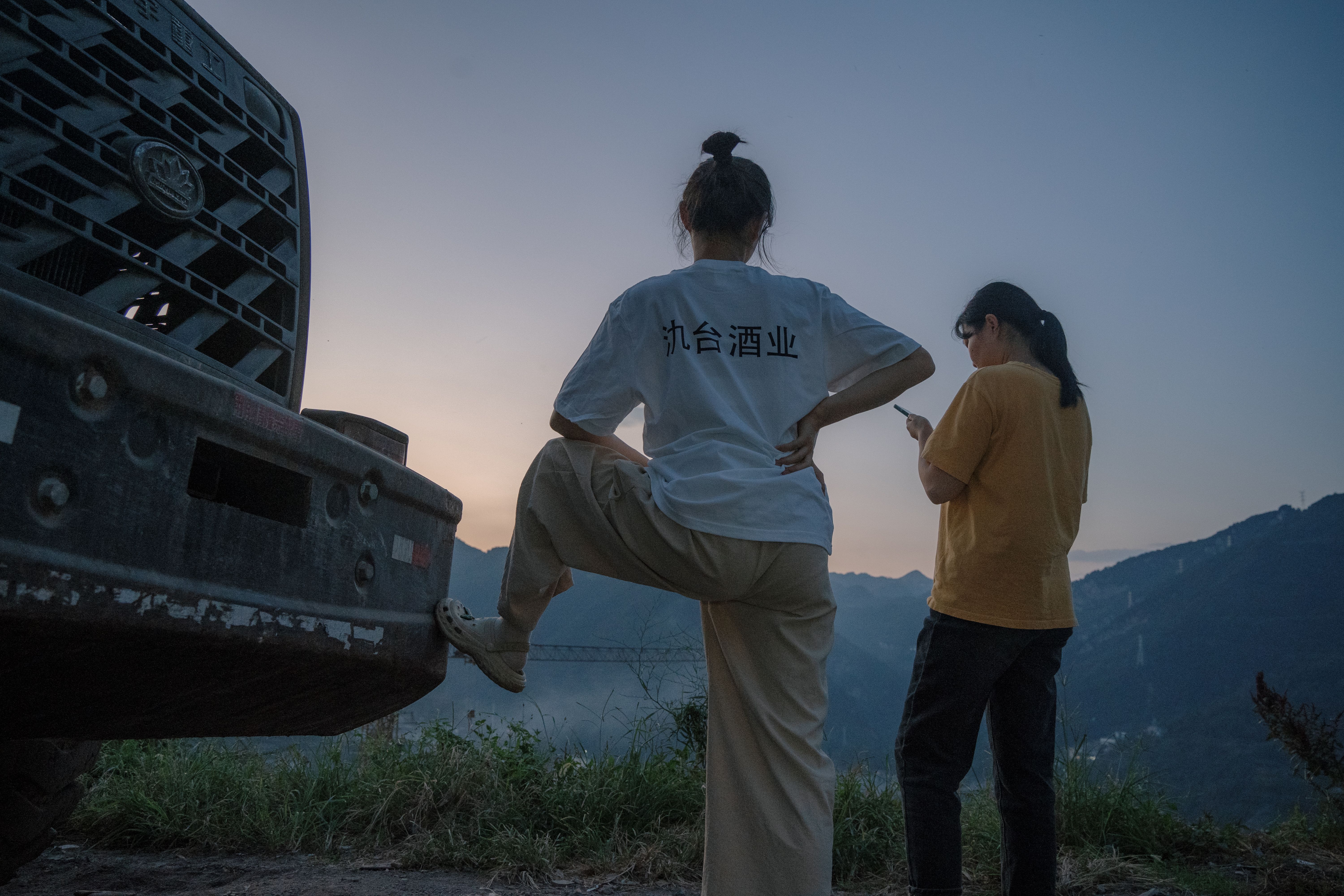
Two distillery workers stand idly after work, wondering how to pass the time from dusk to dawn
Related Articles