It is hard to miss the historic Refosian store when strolling around Beijing’s Dashilan street, often touted as China’s oldest commercial street. Founded in 1893, the establishment is adorned with gold relief panels, carved stone ornamentation, and red hanging lanterns. Inside, rows of shimmering silk fabrics line the walls, making it a paradise for those in search of China’s most iconic dress—the qipao (旗袍). At the very back of the store sits the veteran tailor surnamed Guo, with more than 20 years of experience crafting the century-old garment, recognizable for its high collar, left-over-right button flap, fabric knots, and tailored, form-fitting silhouette.
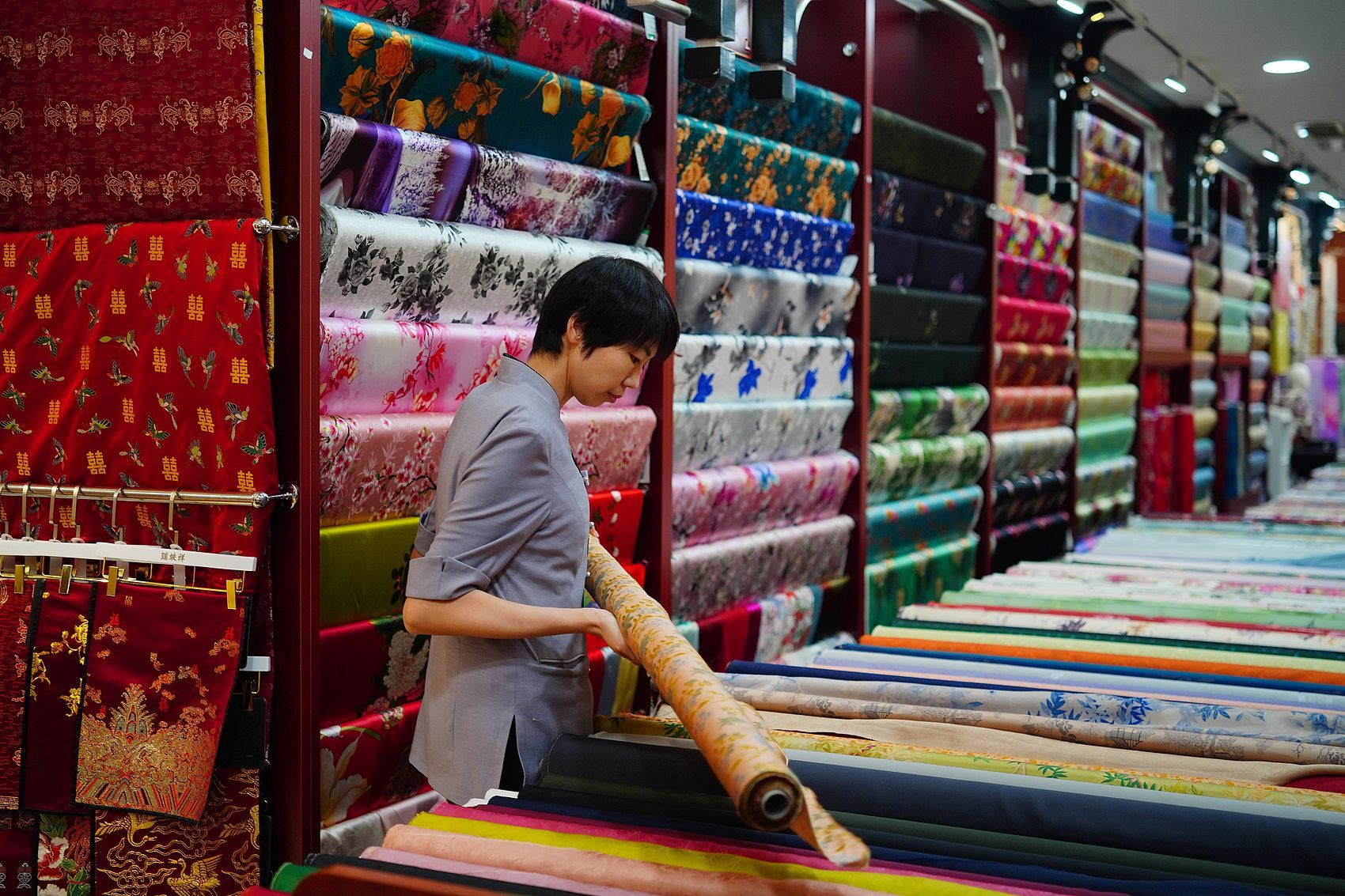
Consumers can choose from thousands of fabrics for a tailor-made qipao at the Refosian store (VCG)
“When I first started making qipao, they were very rarely worn by young people,” Guo tells TWOC. “Later, we gradually modernized the dress for the younger women, for example, replacing the original buttons on the side with a zipper in the back.” The materials he uses have also changed with the times. “In the past, the fabrics were more single-toned, like classic silk velvet. Now they’re more diverse, like silk satin, pure silk, Song brocade, with designs becoming more modern and colors more youthful.”
For Guo, a beautifully handcrafted qipao—which takes him a few days to six months to produce, depending on the complexity of the embroidery or design—is the epitome of elegance. “The most crucial points are: first, the fitted size; second, the fabric’s luster; and third, whether the pattern suits the customer. For regular clothes, you can pick freely, but for a qipao, the color and pattern are very important,” Guo explains. “The special thing about qipao is that when worn, it completely brings out a person’s temperament and elegance.”

The current Refosian store was rebuilt in 1901 after the district was burned down the year before. Its facade has remained largely unchanged ever since. (VCG)
A signature piece of Chinese attire, the qipao, rather than fading in popularity, has welcomed a new, ardent wave of fans in recent years, riding the “new Chinese style (新中式)” trend alongside hanfu. But it has not been without controversy, with growing global interest raising questions over cultural appropriation and the authenticity of its designs.
Read more about Chinese traditional fashion:
- A Village Fashion Show Brings Ethnic Clothing into the Spotlight
- From Weapon to Costume Piece: The Formidable Hairpins of Fuzhou
A looser fit
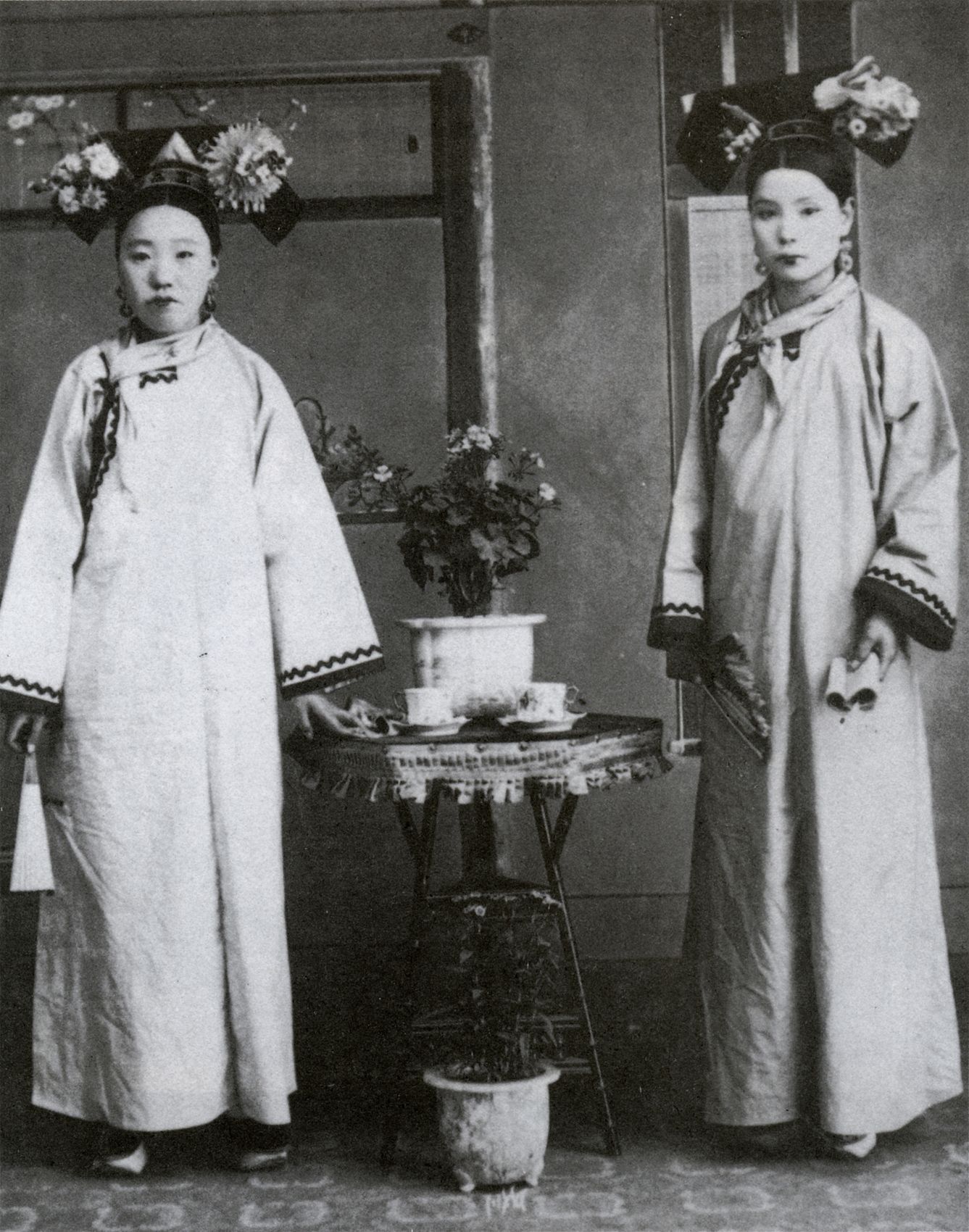
Side-slit robes were once worn by both Manchu men and women, as their design suited the Manchus’ nomadic life on horseback. After the establishment of the Qing dynasty, the robes gradually became associated exclusively with women. (VCG)
At its core, the history of the qipao is a story of female emancipation in modern China. The dress’s origins lie in the Qing dynasty (1616 – 1911), with qi, meaning “Banner,” referring to the hereditary social and military system that organized the Manchu ruling elite. Back then, a woman’s place was often understood through her relationships with male family members rather than as an autonomous individual. Clothing served as a physical manifestation of this social order. Changpao (长袍), or “long robe,” a daily attire, is considered the predecessor of the qipao, though the two share little resemblance. Falling from the neck to the ankles with wide sleeves and a loose, billowing silhouette, changpao completely conceals the wearer’s body. In addition, decorative elements and colors were carefully regulated, as they signaled the wearer’s rank and marital status.
The fall of the Qing dynasty spelled the disintegration of the social order that had governed interpersonal relations for over two millennia. The New Culture Movement, led by the country’s intellectuals and scholars reflecting on the failures of the old system, sought to chart a more modern path forward. Practices such as foot binding were banned, and young women strove to escape from the shackles of their traditional roles, embracing the flood of Western ideals of individual liberty and gender equality instead.
With their newfound voices, they naturally began to express themselves in ways previously denied to them. Linglong (《玲瓏》), for example, became one of the most influential Chinese women’s magazines of the time, with its pages becoming a new public sphere for women to explore. Running from 1931 to 1937, it featured a wellspring of writing on beauty, careers, and love, alongside images of the latest fashion, influencing a whole generation of women.
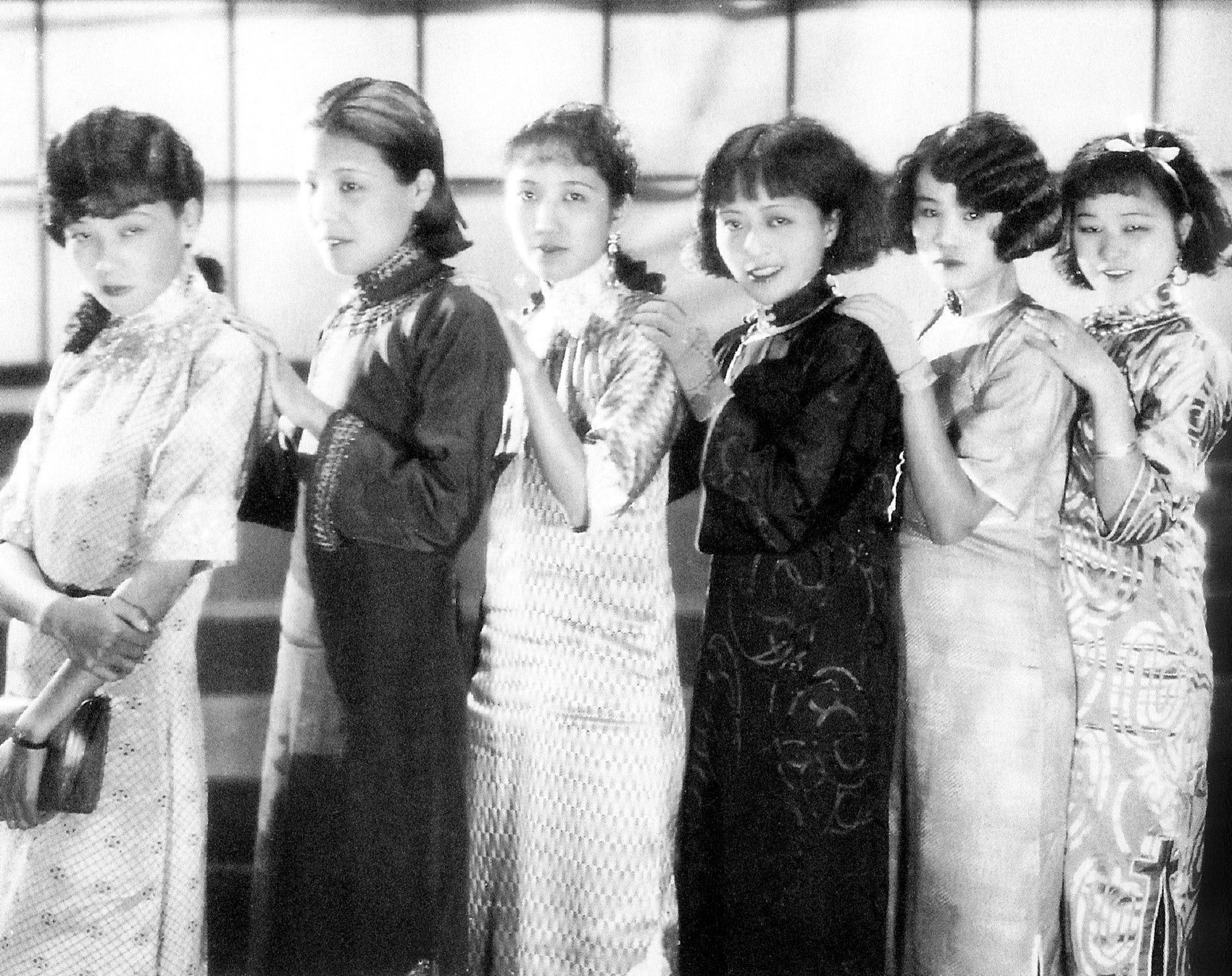
Actresses in qipao from the 1930s with The Peach Girl star Ruan Lingyu (阮玲玉) on the far left (VCG)
Women’s clothing began to undergo an overt transformation. Hemlines were shortened, sleeves removed, and rather than hiding the female figure, dresses were fitted to accentuate it, marking the shift from the baggy changpao to the svelte qipao. From the 1920s to the 1940s, the qipao continued to evolve under the influence of Western fashion. In its early years, the dress was worn with pants, but over time, the pants became stockings, which were eventually discarded in favor of bare legs. As the neckline rose and side slits were introduced, the qipao took on the shape we know today.
However, it wasn’t so much the qipao’s drastic change in form as its ability to serve as a canvas for self-expression that heralded its greatest evolution. Women could choose the fabric and the embroidered motifs that adorned it, often in the form of cultural symbols such as peonies, dragons, lotuses, and clouds. The qipao’s customizable nature empowered its wearer to appear as they wished in society, rather than being confined by predetermined rules.
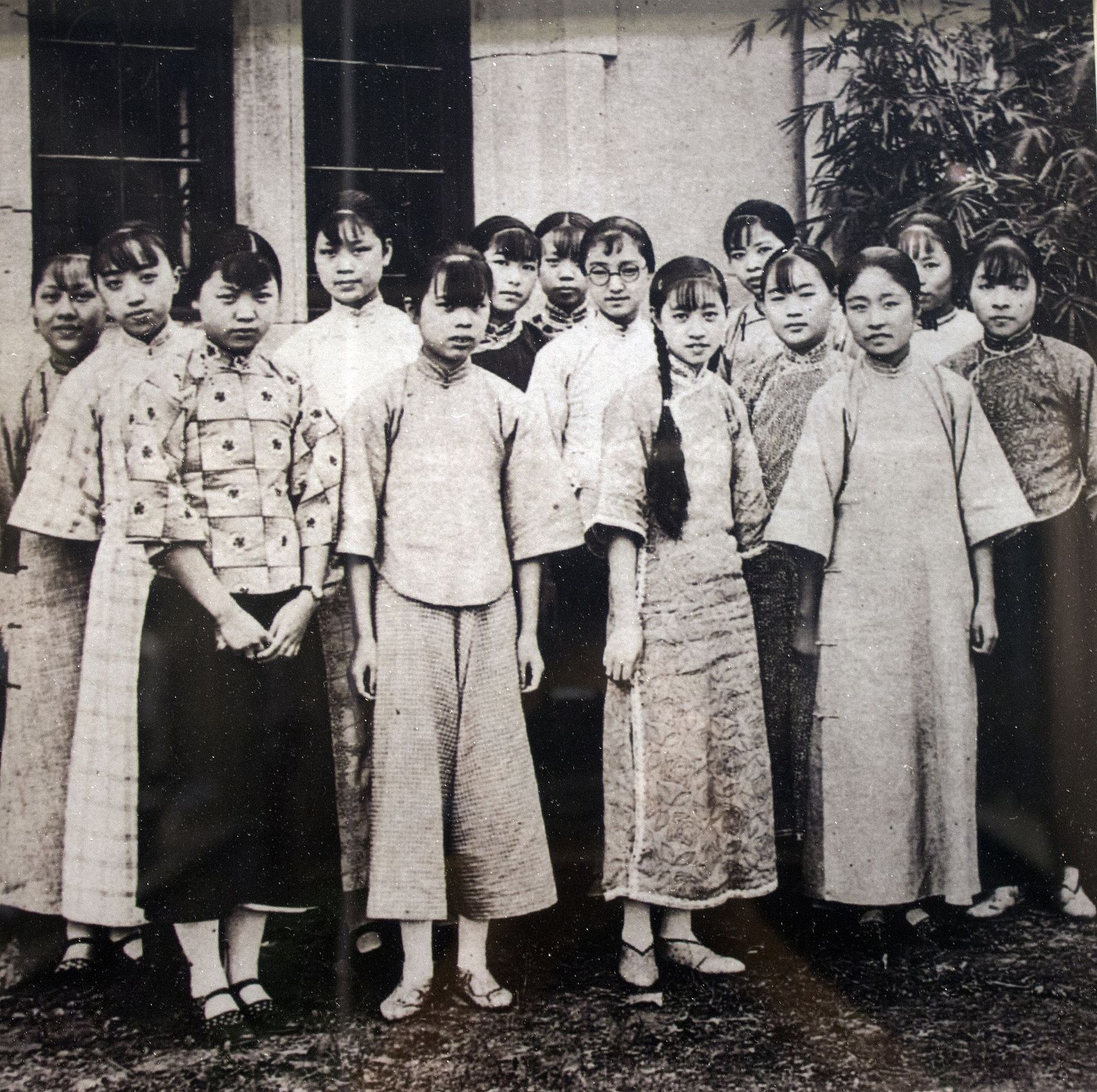
Female students wearing qipao in 1920s Shanghai (VCG)
Female figures such as Oei Hui-lan (黄蕙兰), aka Madame Wellington Koo, perfectly embodied the spirit of this new era. Chic, beautiful, and a lover of a good party, Koo was quickly dubbed the “Chinese Flapper.” Yet beneath the glamor was a woman of remarkable intellect. Fluent in several languages, she frequently assisted her husband, diplomat V. K. Wellington Koo (顾维钧), in representing China on the international stage. She was also a fashion icon, named best-dressed Chinese woman of the 1920s, 30s, and 40s by Vogue. Never one to shy away from bold experimentation, she saw style as an extension of her identity, helping to shape the qipao’s recognition as a garment that stood for female empowerment, confidence, and equality.
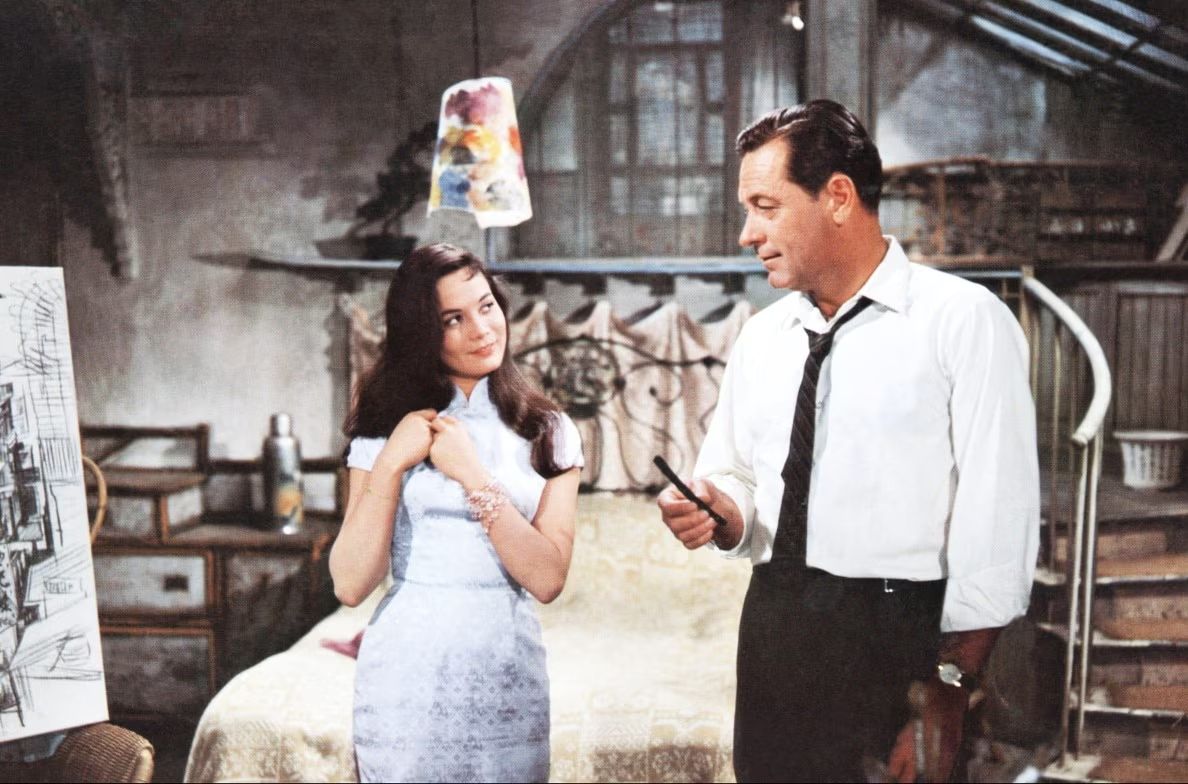
Qipao became a visual shorthand for Chinese femininity in Western films in the 20th century, though such portrayals have also been criticized for reinforcing exoticized and sexualized images of Chinese women, as seen in films such as The World of Suzie Wong (1960) (still from The World of Suzie Wong)
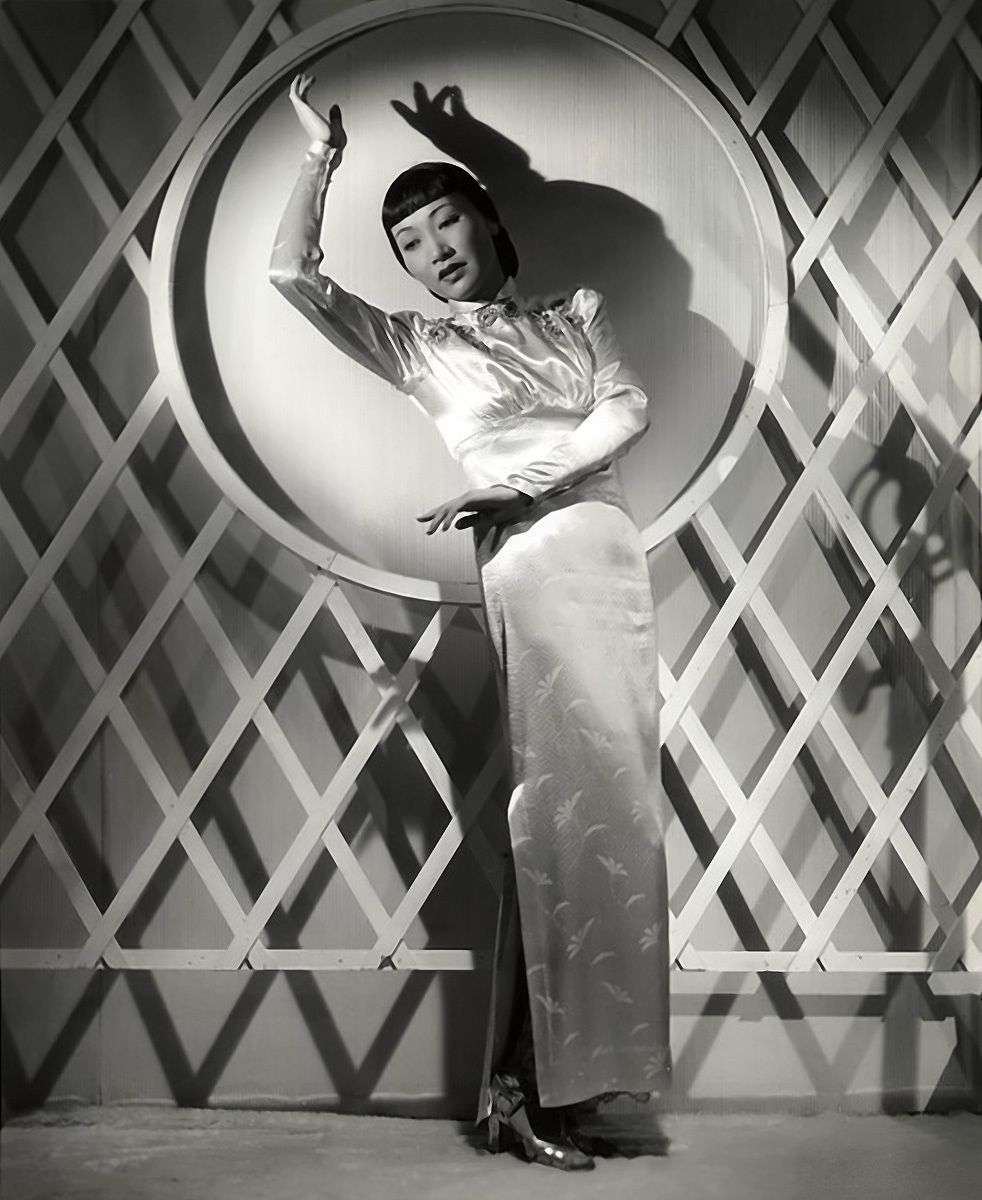
Anna May Wong, Hollywood’s first Chinese American film star, frequently wore qipao and qipao-style dresses in her films (image via Douban)
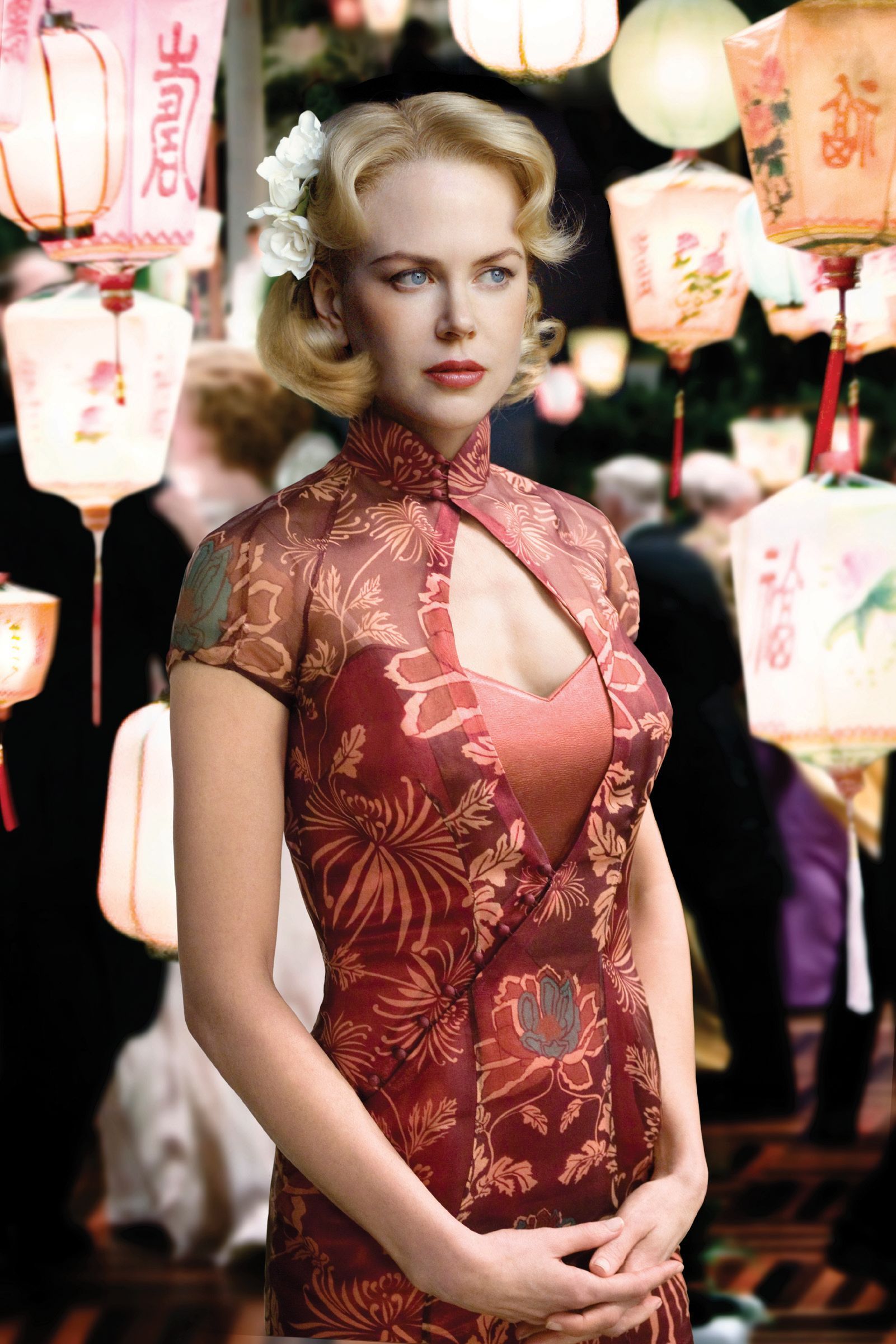
Nicole Kidman wore several qipao-style dresses in the 2008 film Australia, despite playing an English aristocrat in a story set in Australia on the eve of World War II (image via Douban)
Modern twists
With the establishment of the PRC in 1949, the qipao’s fate took a dramatic turn. At the expense of modernization and social cohesion, garments associated with China’s past were traded in for more utilitarian clothing. Many qipao tailors fled to Hong Kong, then under British rule, where the dress continued to be worn at formal events.
But as China opened its doors to the world in the late 70s, the qipao reemerged in Chinese fashion. However, it was no longer worn every day, but reserved for special occasions, such as weddings. “[The qipao] was mostly limited to middle-aged or older people, say over 40,” Guo says. “They were worn for important occasions.” As Western brands introduced new fashion trends, Chinese daily attire shifted from tradition to the ubiquitous combination of jeans and T-shirts.
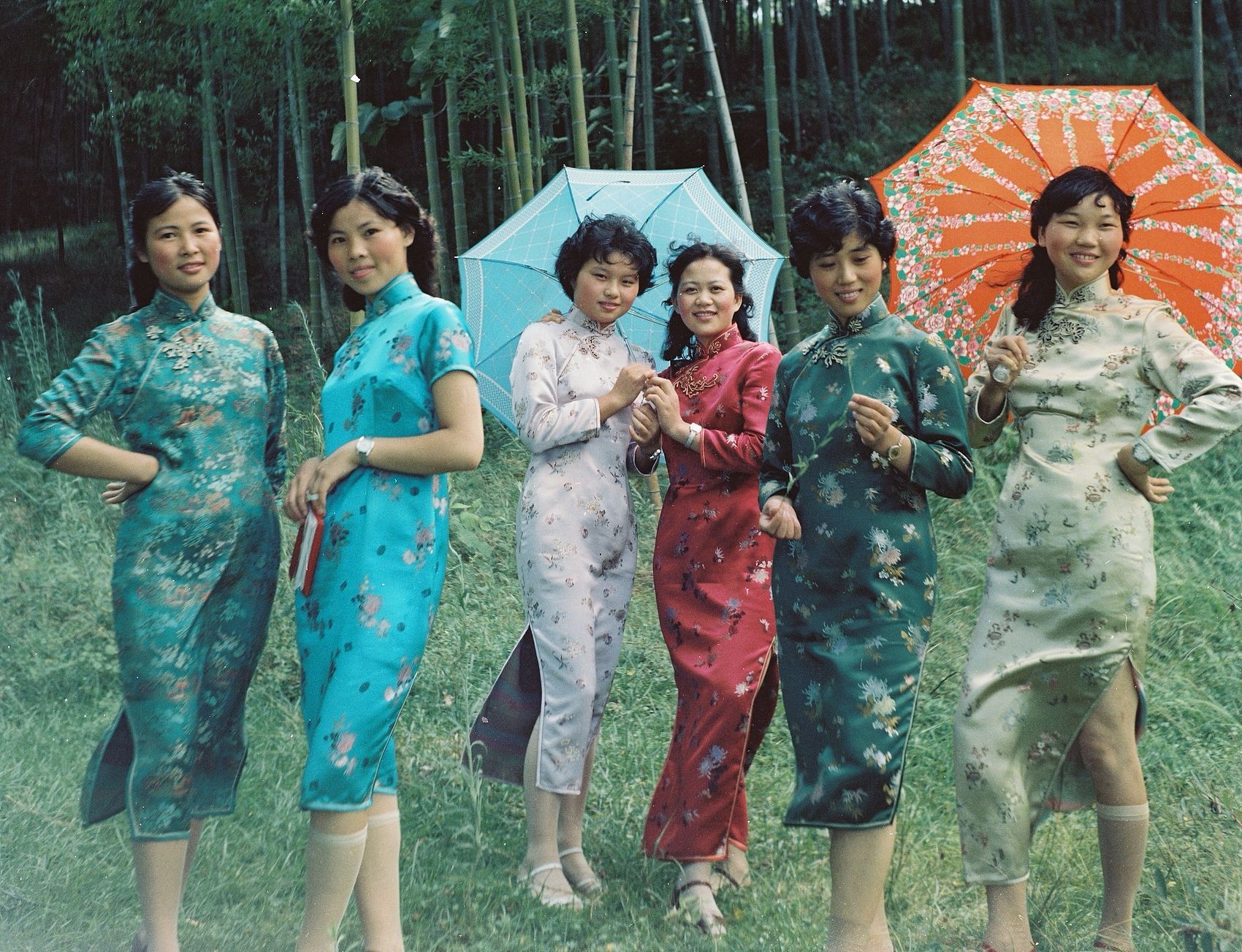
In 1987, a group of textile workers modeled for their factory’s qipao set for the American market (VCG)
Recently, however, China’s younger generations have begun reincorporating Chinese elements into everyday wear, a trend dubbed “new Chinese style.” Driven by cultural pride—the trend has been jokingly called a “bloodline awakening”—and bolstered by social media, the movement has also reached audiences worldwide. Global fashion brands, from Dior to Zara, are eager to ride the new Chinese style trend. And the qipao is one of the main sources of inspiration, with its influence seen in everything from the cap sleeves of flowy summer dresses and the mandarin collar of boxy tank tops to the frog closures of Adidas’ viral 2026 Chinese New Year collection track jacket.
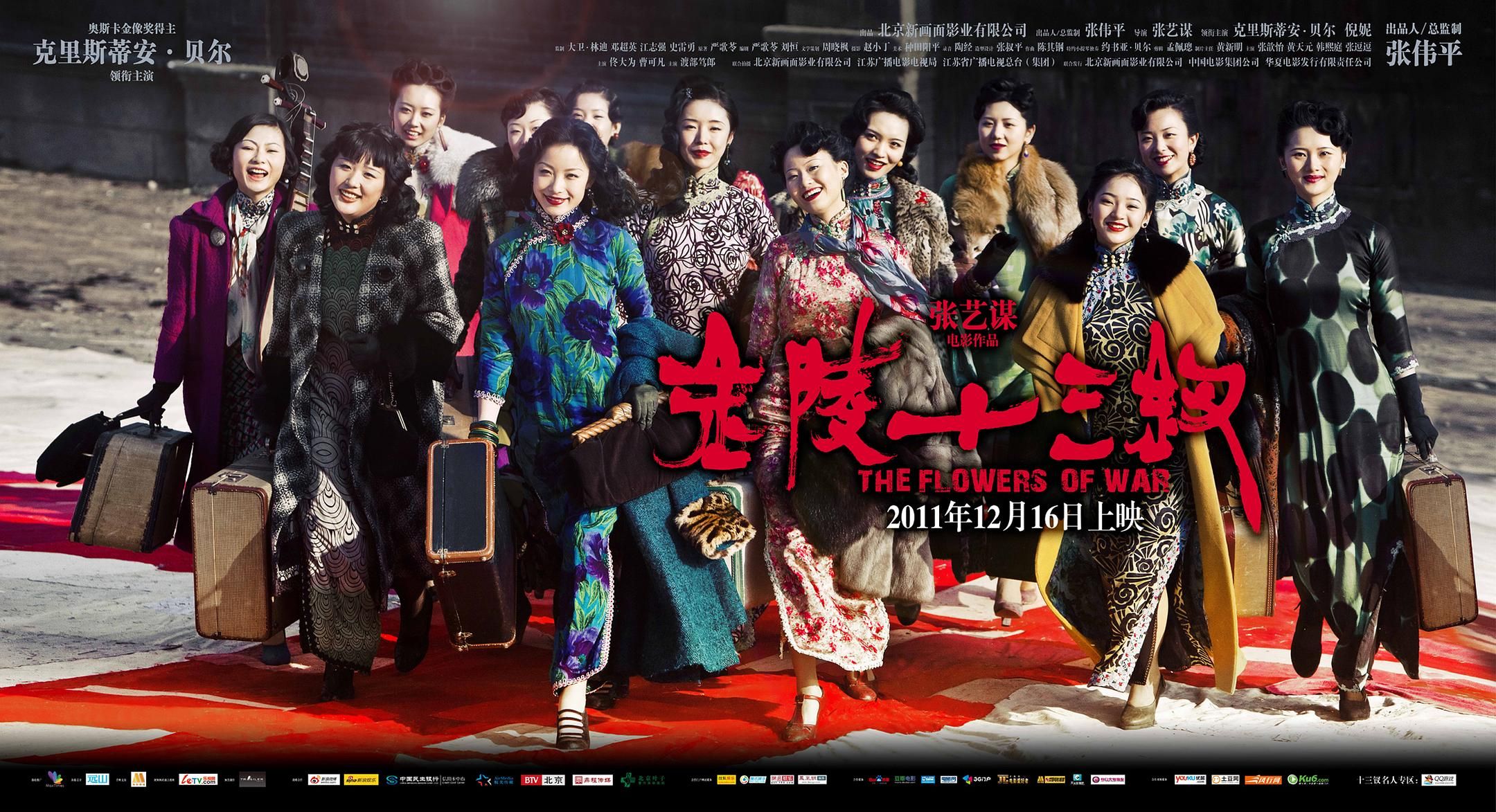
Qipao has become a staple in C-dramas and films set in the Republican era. In The Flowers of War (2011), a group of prostitutes dressed in brightly colored qipao sacrifice themselves to protect schoolgirls during the Nanjing Massacre. Their colorful, figure-hugging dresses starkly contrast with the girls’ subdued clothing and the devastation of wartime. (poster of The Flowers of War)
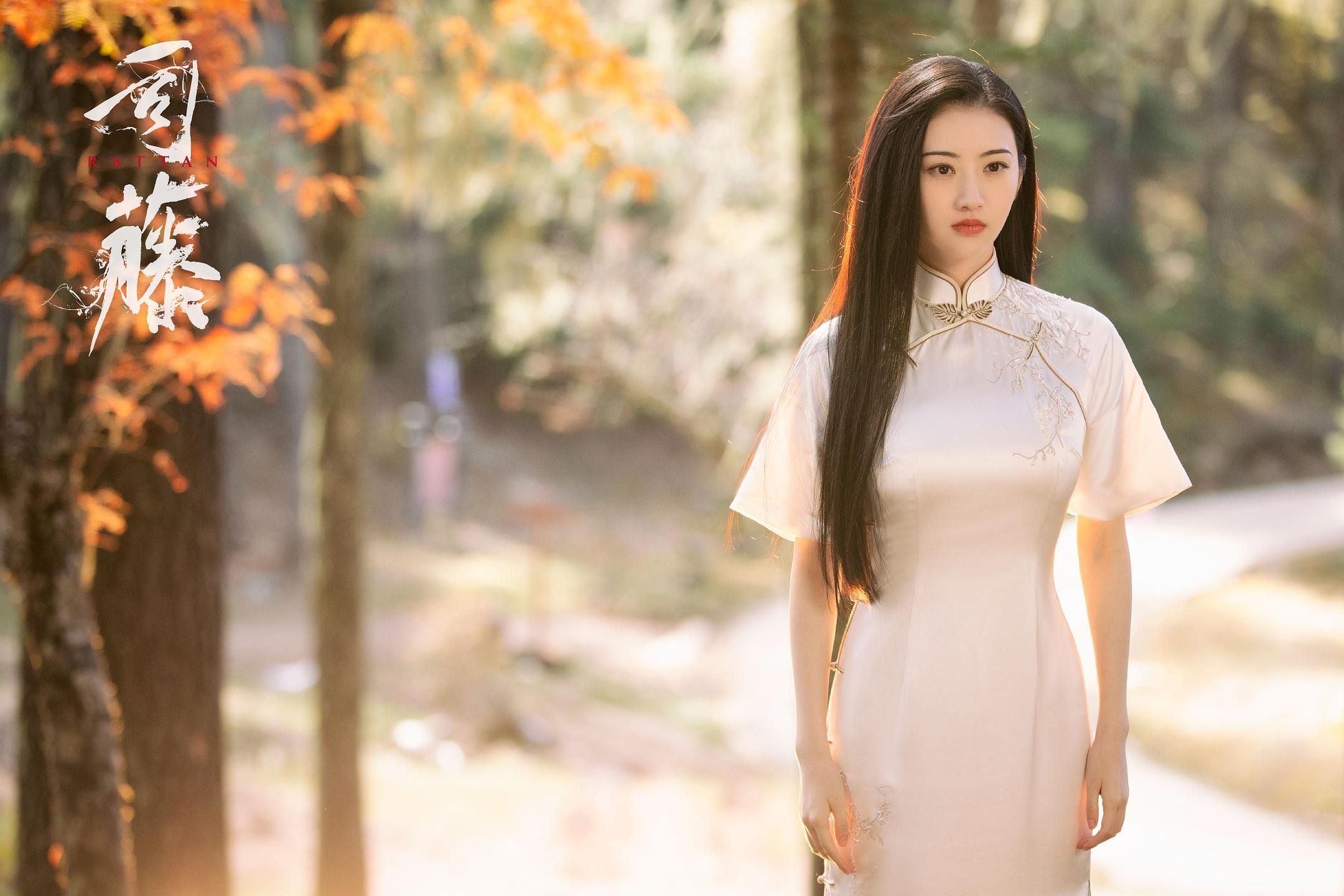
The 2021 hit TV show Rattan, starring Jing Tian, brought renewed attention to qipao and the “new Chinese style” wear (still from Rattan)
Yet as Chinese aesthetics enter the global fashion scene, a debate over cultural appropriation has also emerged, raising questions about where to draw the line between appreciation and stealing. In 2018, this debate gained international attention when an American high school student posted photos of herself wearing a qipao to her prom. Some responses were furious, with one highly shared comment stating, “My culture is NOT your goddamn prom dress.” Others defended the teenager’s decision, viewing it as an example of cultural exchange.
For Guo, the growing global interest in Chinese fashion represents an opportunity rather than a threat. “Young people and foreigners can all wear Chinese-style clothing—it’s good for showing Chinese culture.” However, he adds, “Modified qipao and altered new-style jackets can’t convey the same kind of elegance—they simply can’t.”
When tailored correctly, Guo believes the traditional qipao looks good on anyone and should be worn by anyone who desires to. “Nowadays, foreign friends especially like Chinese-style things,” he says. “Many foreign customers—even if they’re small-waisted with larger hips, like many European and American women—wear Chinese qipao just as beautifully,” he notes, citing the international patrons who visit his store to order qipao and Chinese silk to take home.
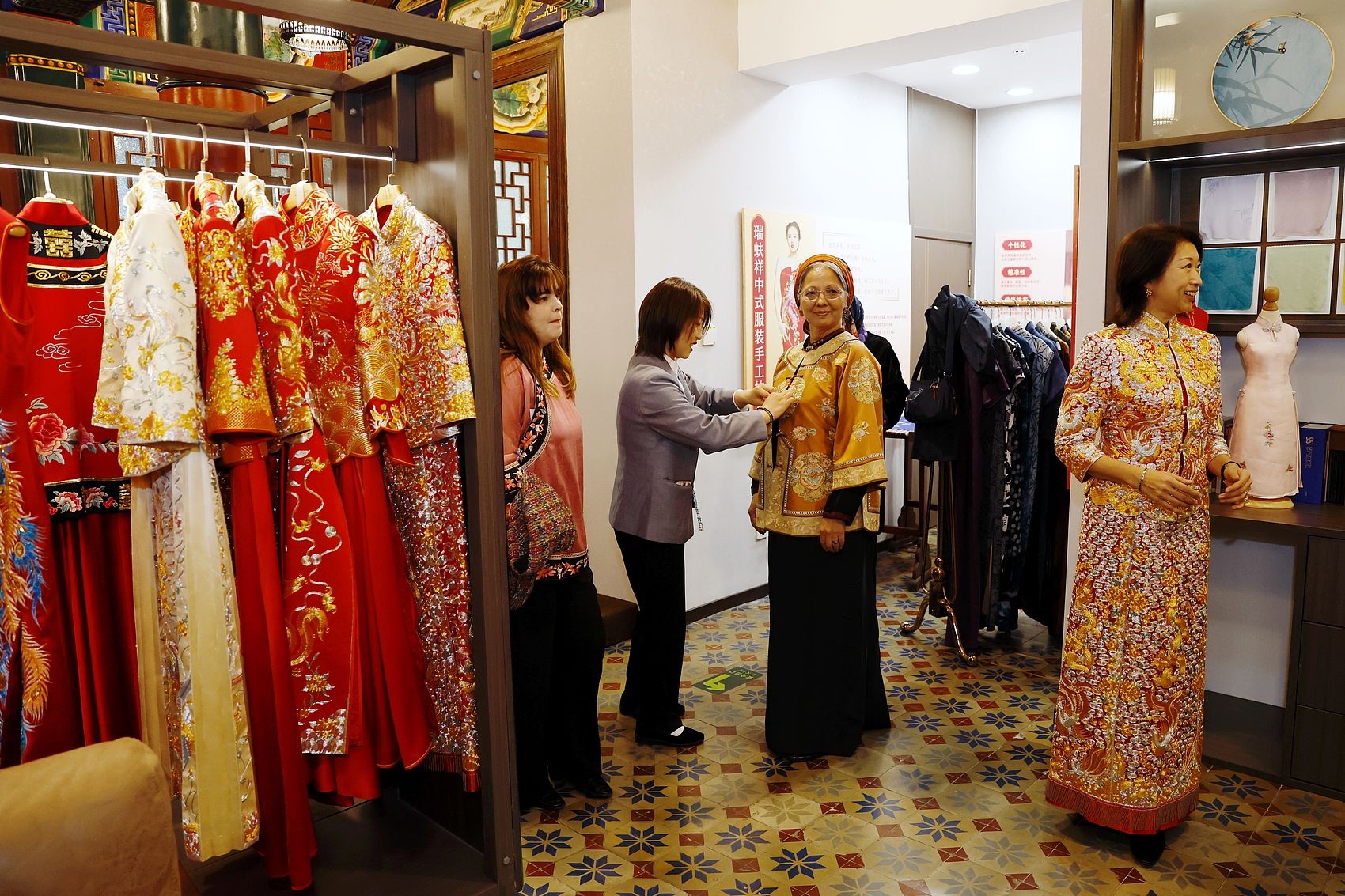
Spouses of ambassadors from 28 countries across Asia, Africa, Europe, and the Americas were invited to try on Chinese-style clothing during a cultural exchange event at Refosian in 2025 (VCG)
From completely traditional forms to adapted modern designs, Guo estimates he’s made over 10,000 qipao in his career so far. No matter the final result, however, he says the qipao is irreplaceable because it is the only garment that “showcases a distinctively Chinese classical beauty. It’s the beauty of the past, an aesthetic sensibility that differs from modern tastes.”
The enduring charm—and adaptability—of the qipao is clear, and it looks to remain a pertinent symbol of heritage, cultural significance, and elegance for a long time to come.
Related Articles