
From childbearing-friendly policies to AI regulations, here are the Two Sessions proposals you shouldn’t miss
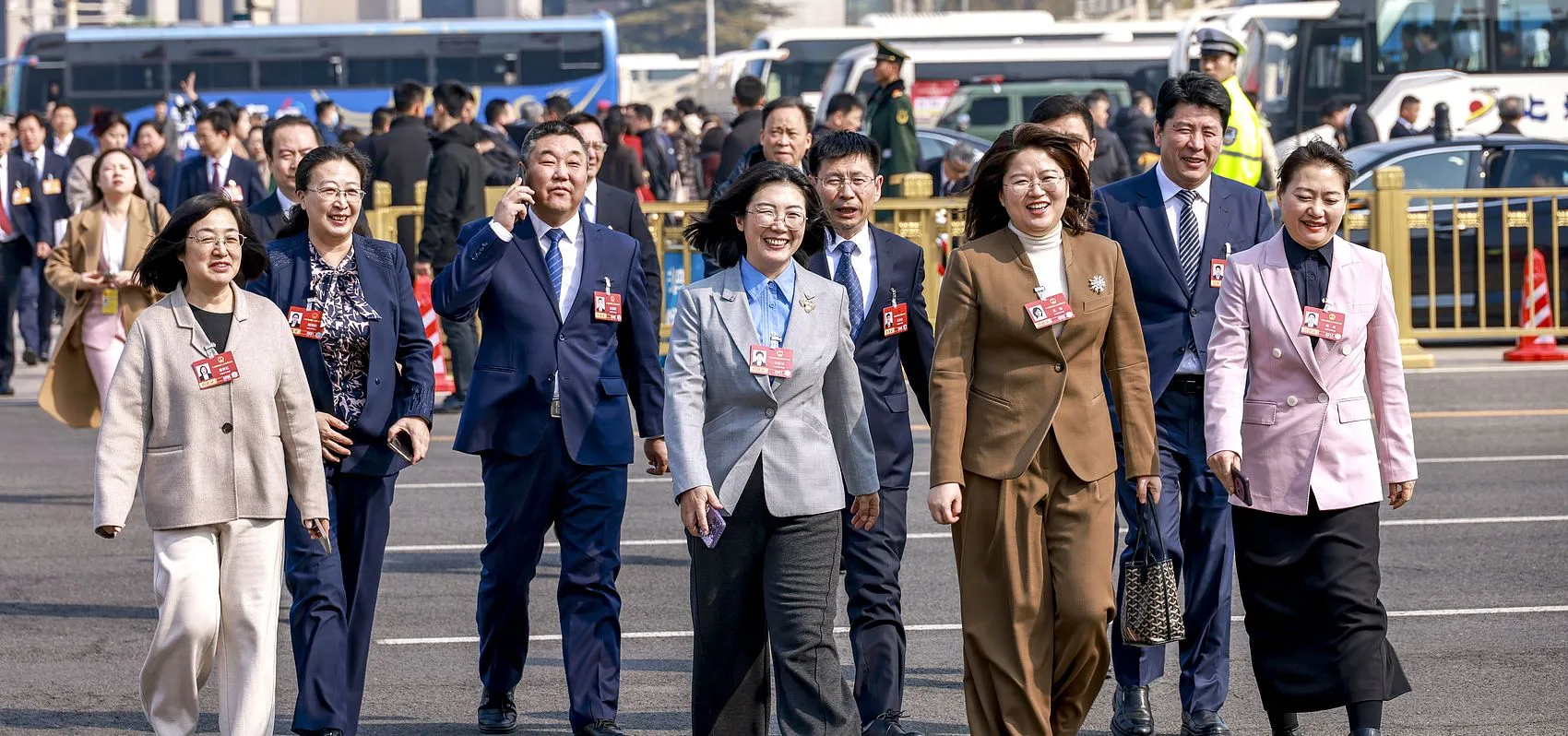
It’s that time of year again when government work reports are delivered, and policy and legislative drafts come under review, as the annual Two Sessions unfold in Beijing. Over the past week, proposals from delegates to the National People’s Congress (NPC) and members of the Chinese People’s Political Consultative Conference (CPPCC) have once again been making headlines.
As China’s population growth hit a new low in 2025, with only 7.9 million newborns—less than half the number a decade ago—addressing the looming demographic challenge and an aging society has become a top priority for delegates. Issues such as work-life balance and the spread of misinformation amid the rapid development of AI have also been high on the agenda. Here are some topics you shouldn’t miss from this year’s Two Sessions:
Marriage and family
This year, proposals to boost the country’s birthrate went beyond ending family planning restrictions and lowering the marriage age, calling instead for a full-fledged support system and making “childbearing-friendly” the latest buzzword in policy debates.
Starting in 2025, a tax-free subsidy of 3,600 yuan per child per year is provided for infants and young children under 3 years old. Several representatives proposed significantly raising the amount and expanding the age range. Yao Jinbo, an NPC delegate and chairman of 58.com, one of China’s largest online classifieds marketplaces, proposed establishing a national population development fund dedicated to birth subsidies and childcare infrastructure, covering the entire 0 to 18 growth period. He also suggested providing low-interest loans and housing assistance to recent graduates and newlyweds to foster the will of starting families.
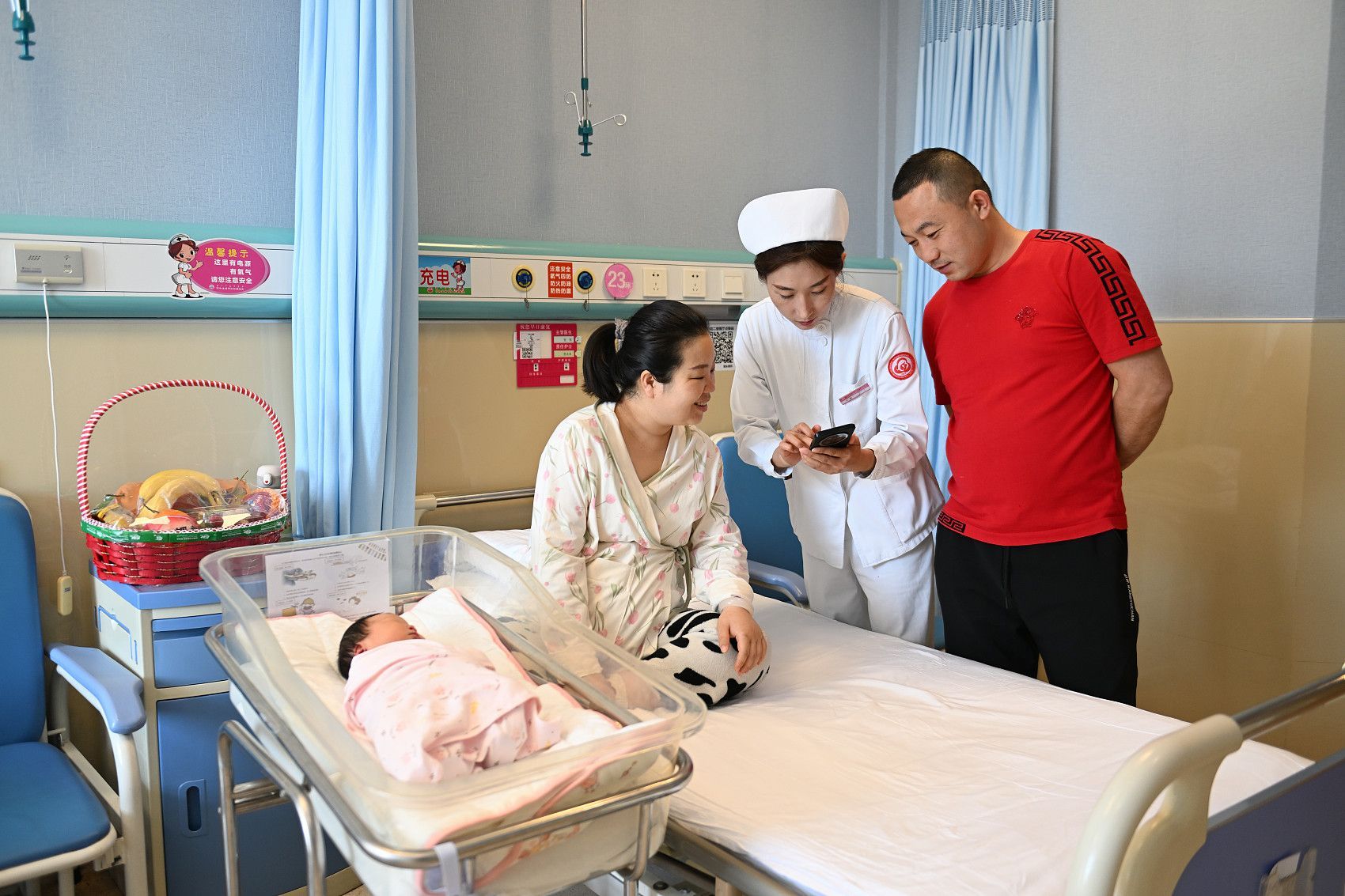
Beyond the national birth subsidy, local policies differ. In Hohhot, Inner Mongolia, a first child is granted a one-time childcare subsidy of 10,000 yuan. A second child receives 10,000 yuan annually until age 5, while a third child or more receives 10,000 yuan annually until age 10. (VCG)
Economic pressure aside, many delegates also highlighted the unequal burden of having children on mothers, from career setbacks to health issues. Some recurring proposals include encouraging fathers to take paternity leave to share childcare responsibilities, punishing violators of employment equality in the workplace, and using subsidies and tax incentives to reduce the extra costs for employers hiring women of childbearing age. In addition, NPC delegate and professor at the China Social Security Research Center, Renmin University of China, Zheng Gongcheng, proposed establishing a maternal pension system, treating the time spent raising an infant as a credited contribution period, ensuring that women’s pension benefits are not affected by childbearing.
On the topic of marriage, some representatives have previously proposed abolishing the 30-day divorce cooling-off period. This provision, introduced in the 2021 Civil Code, has been heavily debated, particularly after several domestic violence cases in which husbands refused to grant a divorce—sometimes with fatal consequences. NPC delegate Fang Yan has proposed exempting cases involving domestic violence from the divorce cooling-off period, with specific suggestions such as evidence verification and relevant legal procedure.
Work and life
Work-life balance has emerged as a major focus this year, with several proposals aimed at reducing long hours and improving employees’ well-being. One of the most well-received proposals came from CPPCC member Tang Xudong, who suggested dedicating half an hour after work to “real play.” According to Tang, many young workers may unwind after work by exercising or scrolling online, yet their minds often remain preoccupied with work. The idea quickly resonated online, with netizens joking, “No need to suggest it. I’m implementing it immediately.”
Calls for reform of labor dispatch—a system where workers are hired through agencies rather than directly by companies—have also sparked debate. Introduced in the 1970s to offer flexible staffing for foreign enterprises, the system has long been criticized for leaving workers with lower pay, weaker social security, and limited opportunities. Zhou Shihong, CPPCC member and lawyer, called for its abolition, arguing that it allows employers to cut costs at the expense of workers. Some observers, however, questioned whether abolishing the system could disrupt companies that rely on flexible hiring.
For women in the workplace, NPC delegate Huang Yan called for extending deadlines or relaxing evaluation criteria during the childbearing years when applying for research projects or professional titles. She also proposed establishing a national fund to support women in science and technology.
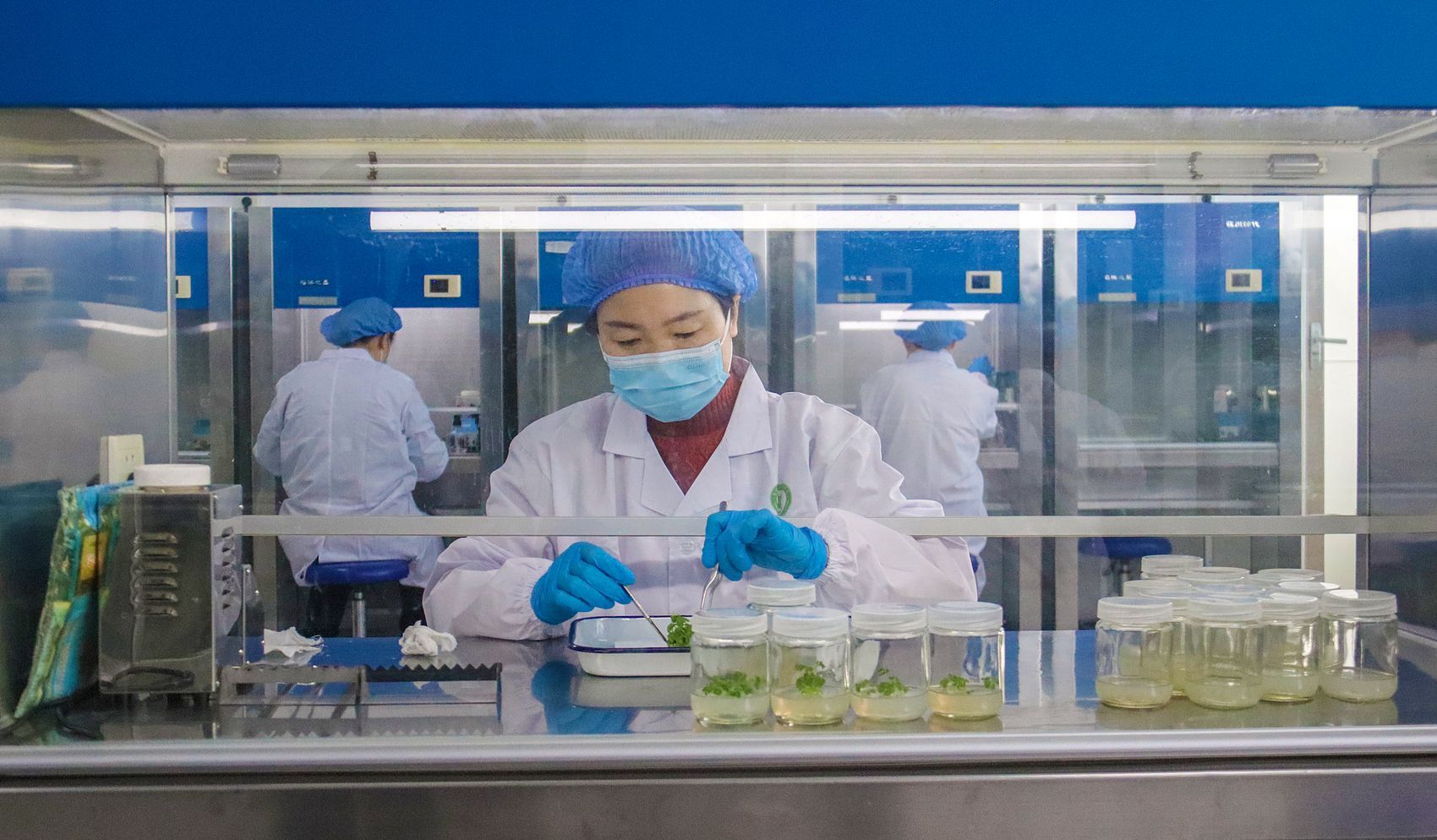
A 2024 Shanghai survey found that over 40 percent of female researchers who had given birth said motherhood significantly affected their careers. To support their return, Shanghai’s Association for Women in Science and Technology granted 20 researchers under 40 who had given birth within the past two years 50,000 yuan each. (VCG)
This year’s session also highlighted holiday policies. One of the most popular proposals came from Yu Miaojie, an NPC representative and economist, who advocated raising the statutory minimum annual leave from five to ten days and allowing unused leave to roll over for two years. CPPCC member Lu Ming also suggested offering more flexible parental leave during spring and autumn school breaks—introduced in many provinces last year—allowing parents to spend time with their children, while schools and community organizations could offer activities like interest classes, study tours, and outdoor excursions.
Bereavement leave reform also drew discussion. In recent years, media reports have highlighted employees’ difficulties in taking leave to mourn grandparents, who are excluded under current policies that limit leave to immediate family members. NPC representative Luo Tian proposed expanding bereavement leave to cover siblings, grandparents, and a spouse’s close relatives. She also suggested setting leave lengths based on the closeness of the relationship and providing additional travel leave for funerals held at a distance.
Crime and technology
With technology, especially AI, advancing at an unprecedented pace, concerns about misinformation and infringement of rights have never been more pressing. While China already requires all AI-generated content to carry visible or hidden identifiers—with the latest regulation passed in September 2025 and platforms like Douyin, Tencent, and DeepSeek having implemented it—many believe the current measures are still insufficient.
This year’s Two Sessions saw several delegates propose creating a system of indelible digital watermarks that would require all AI-generated content to carry permanent identifiers. NPC representative Liu Xiaojing points out that these identifiers are necessary to protect the rights of original creators, safeguard the audience’s right to know, and provide regulators with a basis for tracing content sources.
Privacy is another major concern in online spaces. Doxing became a major topic over the past year following the high-profile case in which the 13-year-old daughter of Baidu vice president Xie Guangjun released personal information about a pregnant woman who had posted a comment criticizing a celebrity the girl supports. The girl also shared private details of several netizens who expressed support for the woman. The incident, along with several other doxing cases, often involving minors, has sparked serious conversations about safeguarding personal information. The Supreme People’s Court’s report at this year’s Two Sessions again emphasized that illegally obtaining citizens’ personal information and publishing or distributing it online constitutes a violation of the law, and may even amount to a felony. The report cited a Beijing case in which two college students, who engaged in online doxing, were sentenced to 1.5 years in prison.

Shenzhen’s Huaqiangbei, the city’s largest electronics marketplace, has hung red banners warning shop owners not to manufacture or sell devices such as needle cameras and micro recorders (VCG)
In recent years, incidents of hidden-camera recordings in hotels, rental apartments, hospitals, bathhouses, and other venues have also become a major privacy concern. Recent cases have shown that AI glasses have become the latest addition of devices prying into people’s lives. CPPCC delegate Xu Lijin, a board director of a robotics company from Wuhu, Anhui province, called for stronger upstream regulation of these devices. He argued that the industry should require recording devices to have audio-visual operation indicators and ensure full traceability from production to use. He also proposed criminalizing the hidden recording of private spaces separately by establishing a distinct offense, such as “infringing on citizens’ privacy” or “peeping,” to strengthen the legal system for personal privacy protection.
Elderly care, education, and others
Rural elderly care has been one of the most popular topics at this year’s Two Sessions, with more than 10 delegates proposing to raise their basic pensions. Bi Lixia, an NPC representative from Hubei province, argued that authorities should raise the monthly pension for those aged 70 and above to 400 yuan, noting that it is difficult for individuals who are unable to work and face health challenges to live on the current 100 yuan. The highest rate suggested was 1,000 yuan for all rural elderly aged 60 and over by 2030, which many considered unrealistic. Economist and CPPCC member Liu Shangxi further pointed out in an interview with the Beijing News that there is much more to do for rural elderly care, including hukou or household registration system reform to facilitate their living with children in cities. According to a 2023 study, the average pension for urban retirees was 3,743 yuan, nearly 17 times that of their rural peers (223 yuan).
Meanwhile, Chen Xia, another CPPCC member and a researcher at the Chinese Academy of Social Sciences, called for policies to support and regulate age-friendly apartments in the property market and to lower the thresholds for renting government-subsidized houses for older urban residents and their families.
Former basketball star Yao Ming called for more public spaces for minors, such as for reading, sports, and other offline activities (VCG)
Issues affecting children and education have also drawn attention. Among several delegates’ suggestions to curb youth internet addiction, Luo Tian from Guangxi suggested prohibiting those under 16 from registering for or accessing social media platforms, and incorporating such restrictions into relevant laws and regulations—a policy similar to one that took effect in Australia in 2025.
Retired basketball star Yao Ming, who suggested a 24-hour screen-free day each semester last year, called for more public space and services for minors to socialize offline. This year, he also put forward measures to address the pressure on physical education teachers and to improve the quality of PE. Meanwhile, CPPCC member Wei Xin hoped to add courses of fangyan or dialects, which are rich in traditional phrases and expressions. He noted that such courses could help students better understand classical literature and local culture, while also preserving these languages and cultural heritage.
Food safety is another major concern. Huang Xiufen, an NPC deputy and chairman of an agricultural products company in Guangdong, pointed out that the yuzhicai, or pre-made meals, industry needs to regain consumer trust following a series of scandals in recent years. She proposed measures to improve transparency and standardization across the entire industrial chain, including production, storage, and transportation. She also noted that the industry could retain more processing steps in the production areas, generating greater revenue for local farmers.
Related Articles