


At around 10:30 a.m. on a mid-February day, the square in front of the Yinghui Gate, the eastern entrance to Jianshui ancient city, is crowded with dancers in colorful costumes, while viewers spill out from the three-story Chaoyang Tower. Unlike the staged performances common in other ancient towns, the hundred or so locals here are rehearsing for their own Chinese New Year celebration. At night, the same square fills again, this time for daily square dancing.
In the morning, residents—many living in family homes passed down for generations—walk or ride motorcycles through the 2-square-kilometer area downtown of Lin’an, to collect water from the Daban Well at the western gate, buy tofu made with that well water, or sit down to a 10-yuan bowl of rice noodles, free refills included.
Explore more about traveling in southwestern China’s Yunnan province:
In his 2018 book On Jianshui, writer and poet Yu Jian calls it a “living” ancient city—one that remains, he writes, “the hometown of residents,” while most of its peers “look ancient on the outside, all shops on the inside.” The walls, wells, courtyard houses, and daily rhythms here have changed little since the Ming dynasty (1368 – 1644): people drawing water, making tofu and rice noodles, throwing pottery, and women washing laundry by the wells with babies on their backs. Yu draws a direct line to Ming scholar Yang Shen’s (杨慎) poem “Journey to Lin’an During Chunshe (《临安春社行》),” which captures a lively spring scene in Lin’an with people in seasonal dress, holiday performances, and busy street life during the second-lunar-month Chunshe festival.
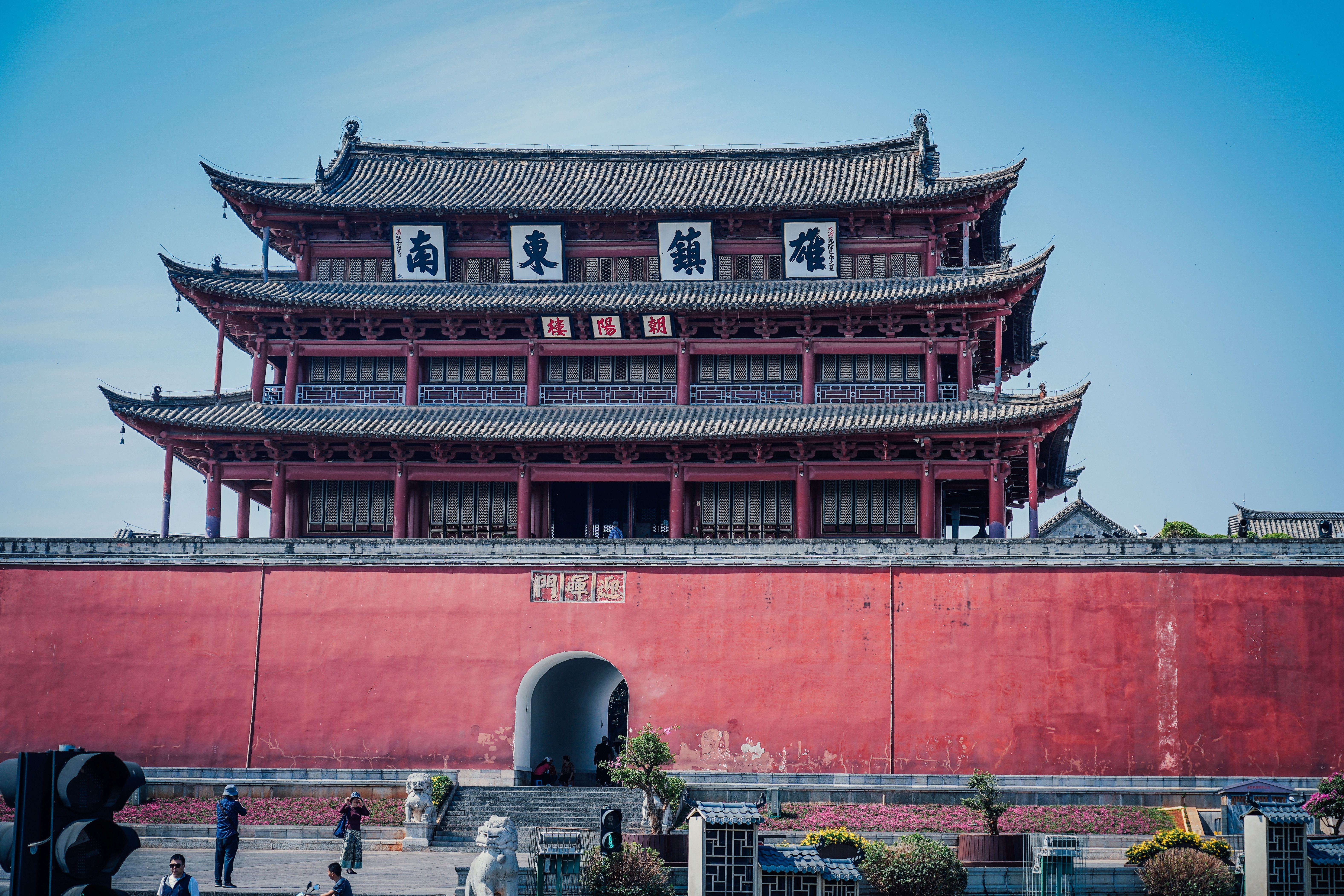
Chaoyang Tower at the eastern entrance of Jianshui’s ancient city is dubbed the “Little Tiananmen” for its resemblance to the iconic gate tower in Beijing—and was in fact built decades earlier
Jianshui—about a two-hour high-speed train ride from the provincial capital Kunming—has prospered since the late 14th century, when the Ming policy to resettle prominent families from central China in the southwestern frontier transformed the prefecture, then known as Lin’an, into one of Yunnan’s wealthiest and most cultured regions. It earned the title “golden Lin’an” and produced so many imperial examination passers that locals boasted of “Lin [occupying] half of the imperial examination passers’ list (临半榜)” in Yunnan.
In recent years, Jianshui has grown popular with tourists drawn to its yanhuoqi (烟火气), or the hustle and bustle of everyday life. With popularity, predictably, came complaints on social media platform Xiaohongshu (RedNote) about over-commercialization and shoddy services—charges locals dispute. Many of the shops and stalls, they point out, have served residents for decades. Jianshui, they argue, is a place to live and experience, not just to “check in” and photograph for social media. It’s a fight locals have had before: in the 1990s, writer Yu was among the residents and scholars who stopped a local-government plan to demolish historical buildings for new development.
Yu, a Kunming native who has frequently visited and lived in Jianshui since the 1990s, shares the worry but stays optimistic. “This book is not an epitaph or a tourism advertisement,” he said at the book’s launch in the city in 2018. “I wrote it to tell readers how we should live. Preserving the traditional lifestyle matters more than preserving buildings. Jianshui is the supreme example of such a life.”
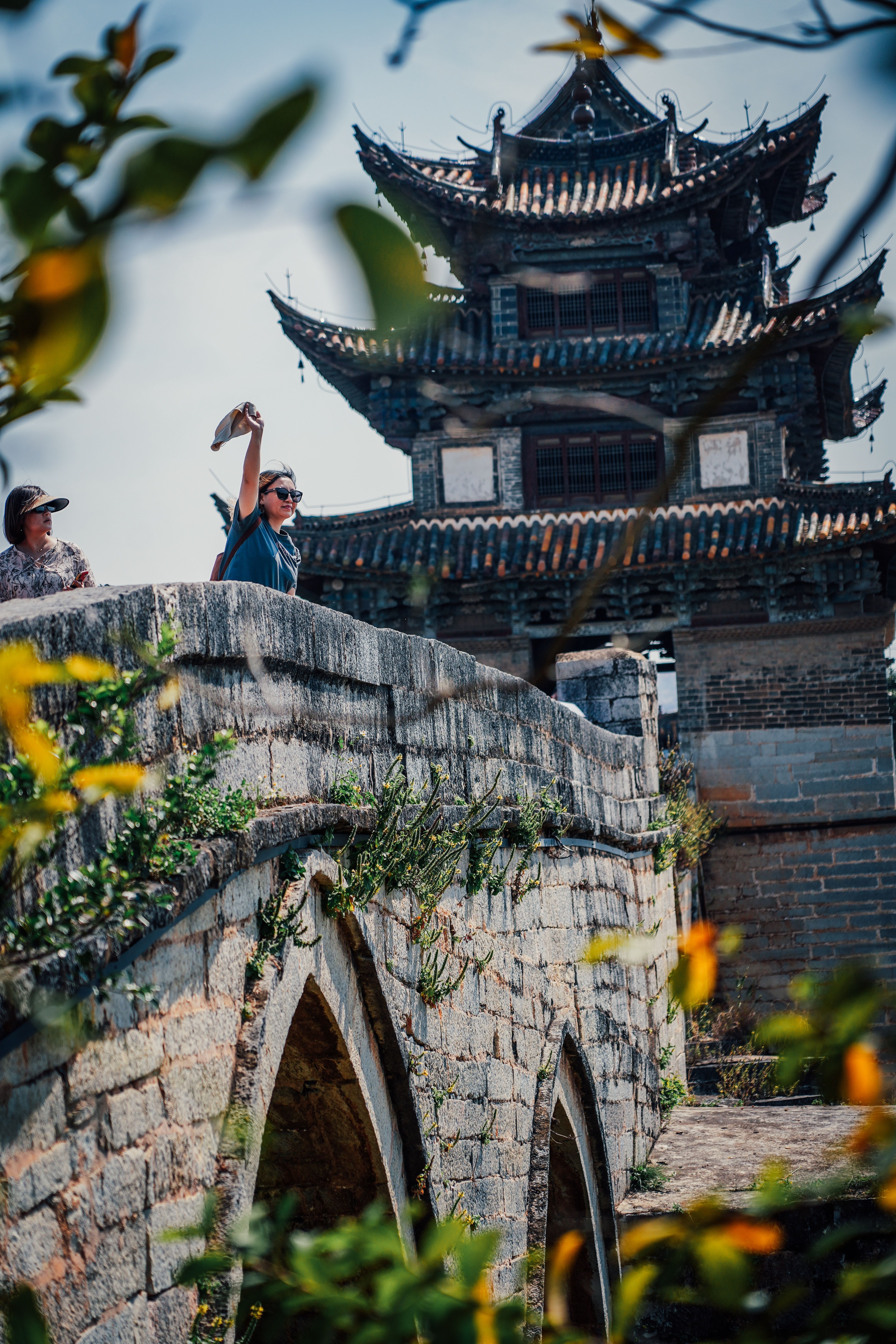
The nearly 300-year-old Shuanglong (“Double Dragon”) Bridge, located about 5 kilometers west of the ancient city and featuring 17 arches, is one of China’s best-preserved ancient stone bridges
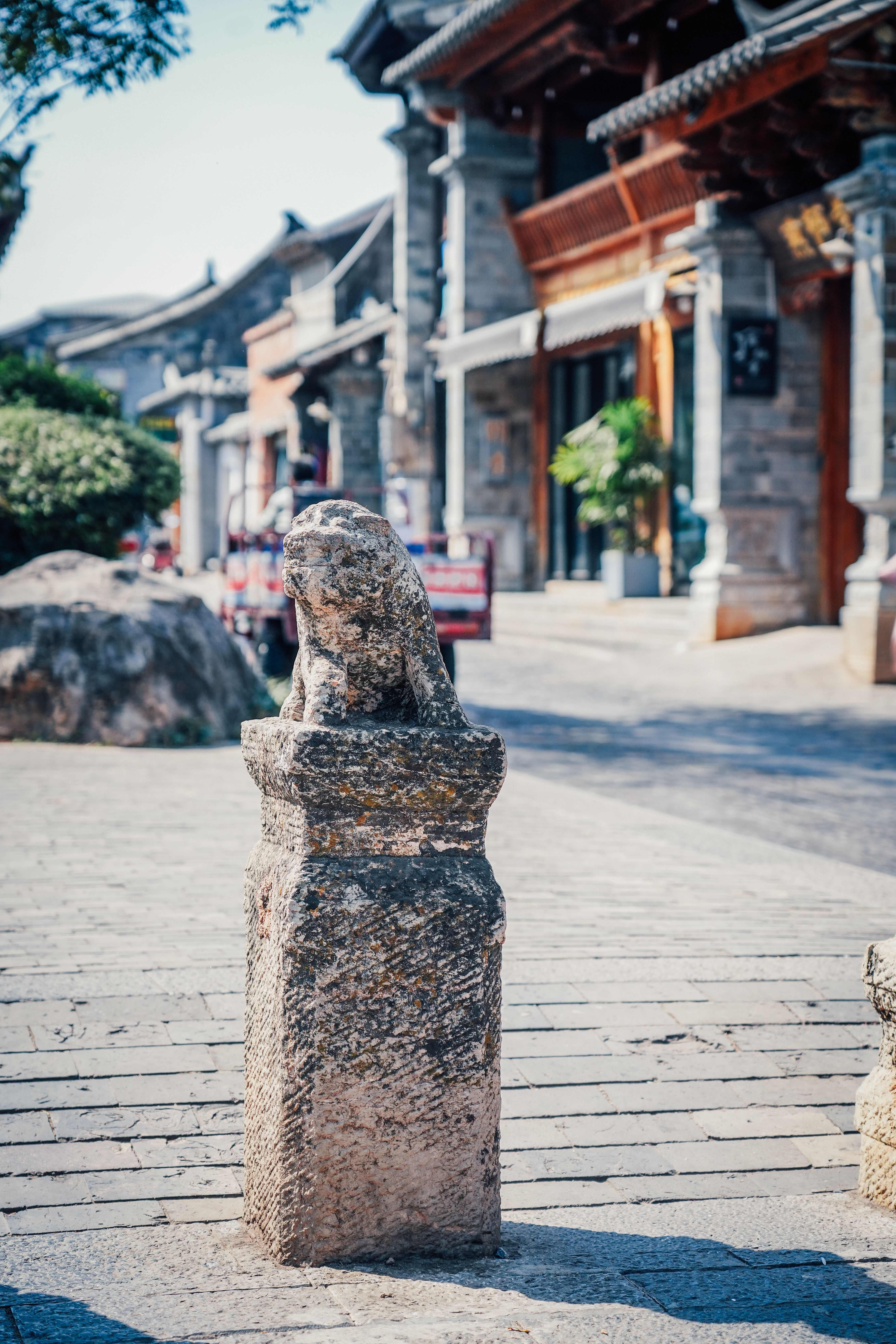
Stone carvings like this, often topped with a lion, were commonly found outside the homes of wealthy families and shops in ancient times, where they served as horse-tethering posts
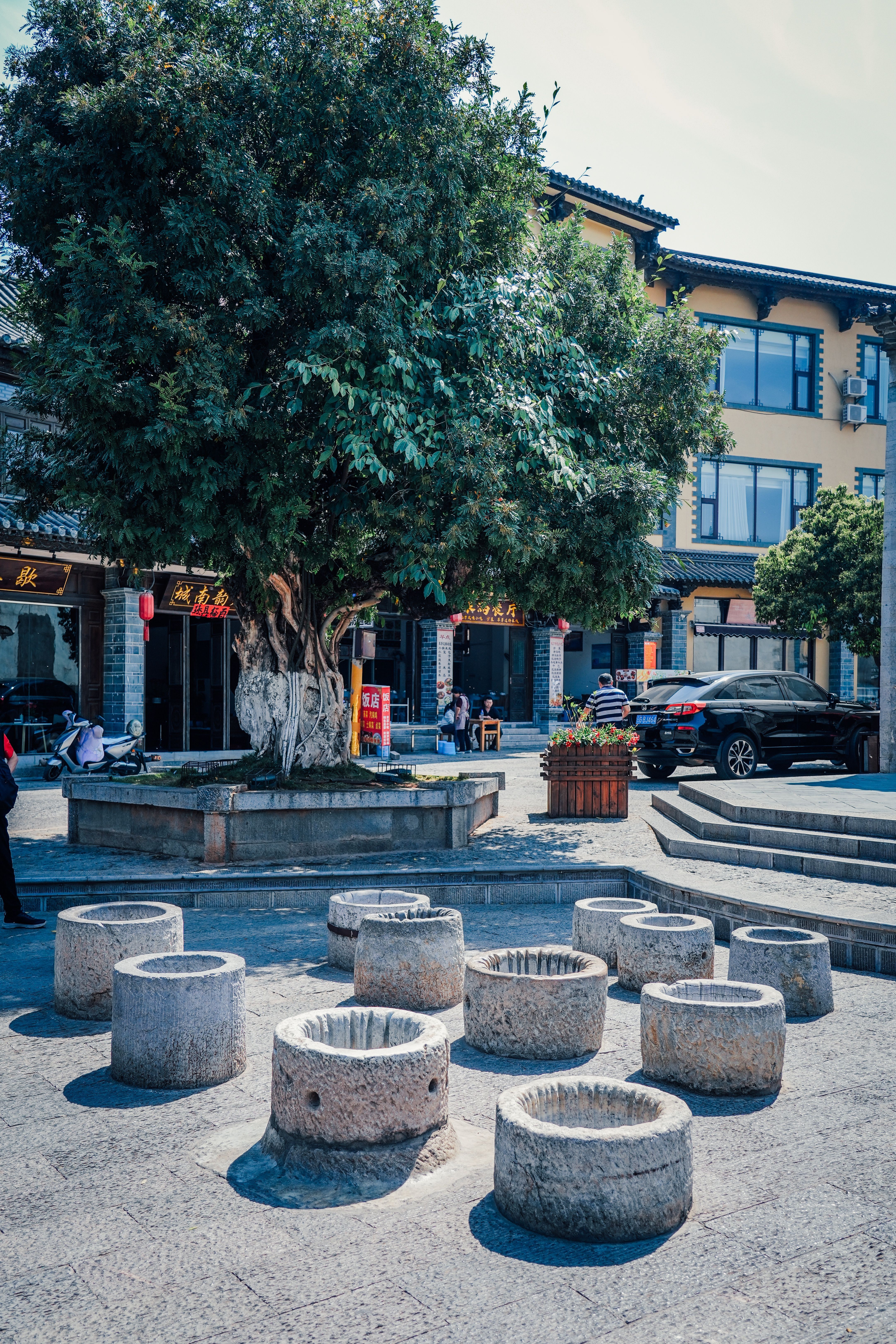
Twelve wells, dug in the 1700s and arranged in a fan shape symbolizing “wind,” reflect the Daoist concept of feng shui (“wind and water”) as a whole. They are among Jianshui’s 128 historic stone wells, which have supplied drinking water to local residents for centuries.
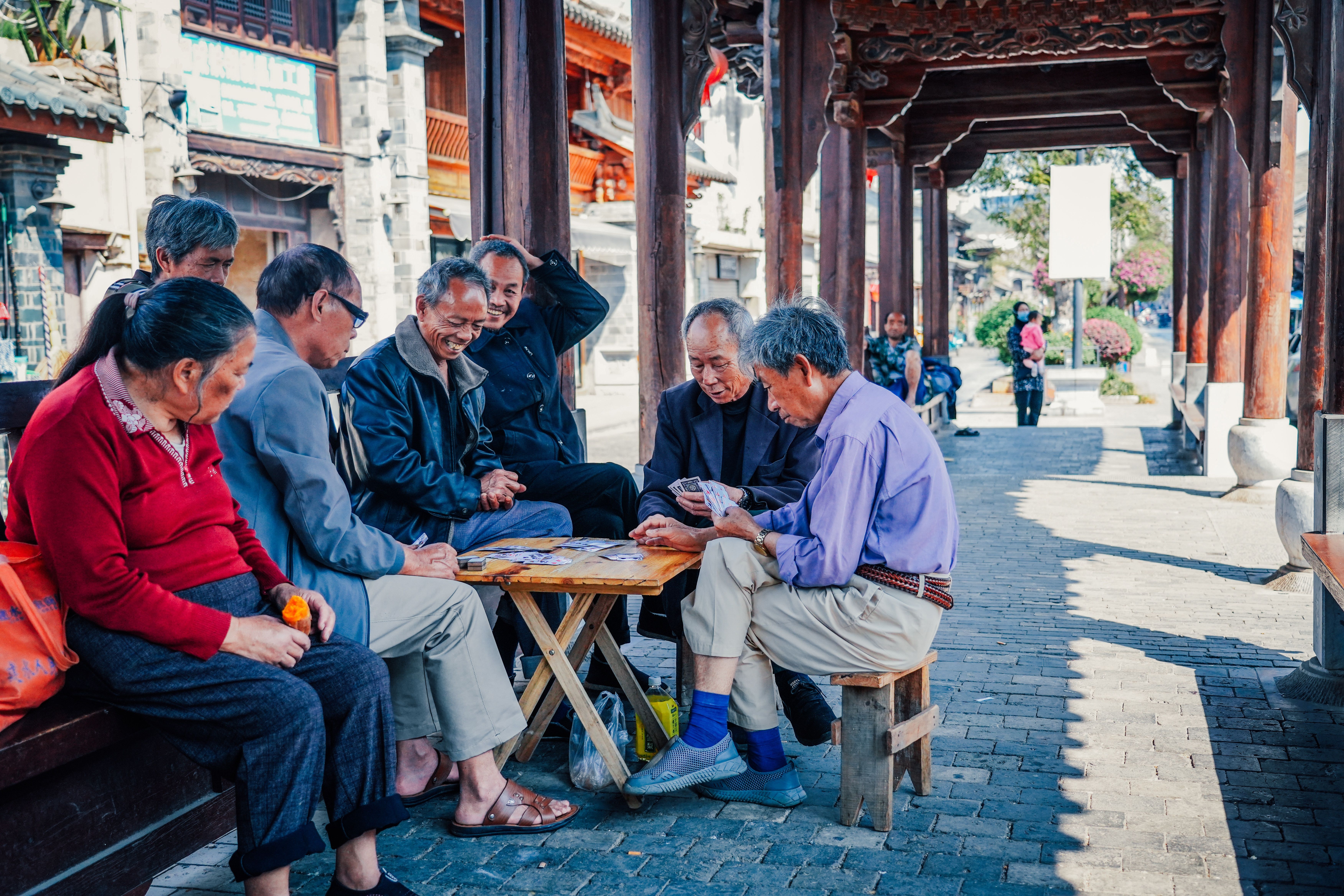
Locals leisurely play cards in parks, public pavilions, or other quiet corners
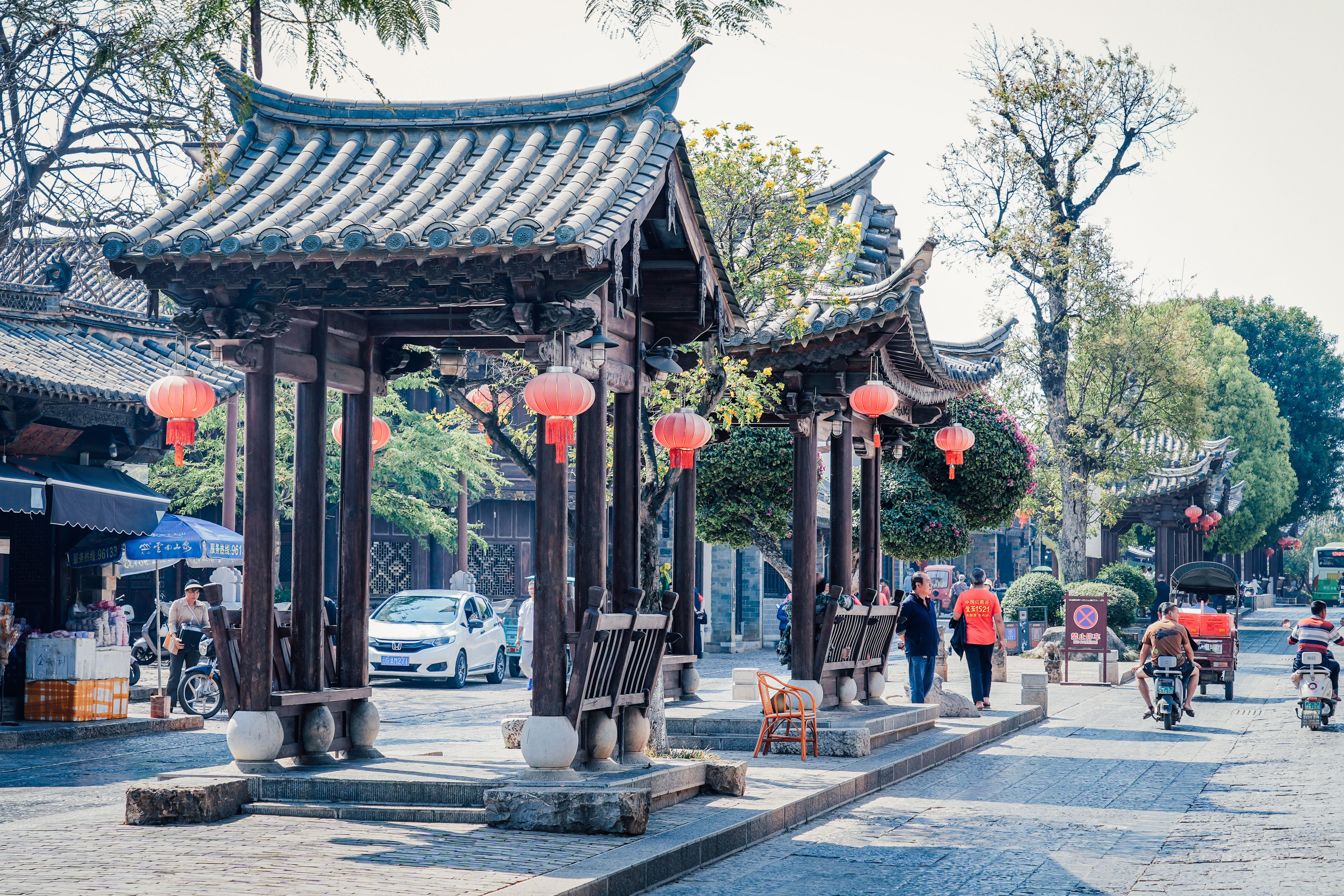
Visitors can take buses to some historical sites within the ancient city, but many believe the best way to see it is on foot. Pavilions along the streets offer places to rest.
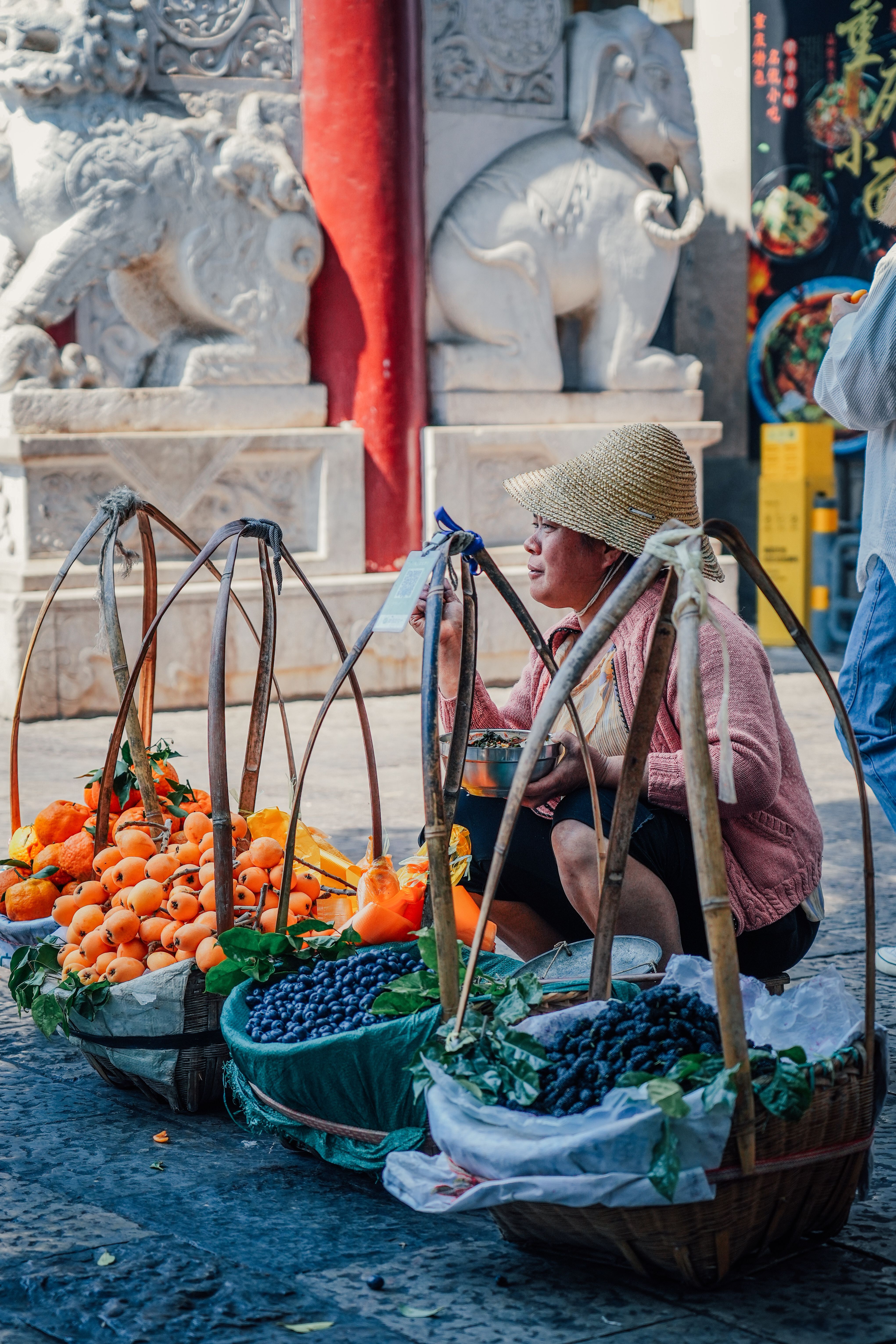
With abundant sunshine and rainfall throughout most of the year, the region is a fertile land for various subtropical fruits, many of which can be sampled on the streets of Jianshui
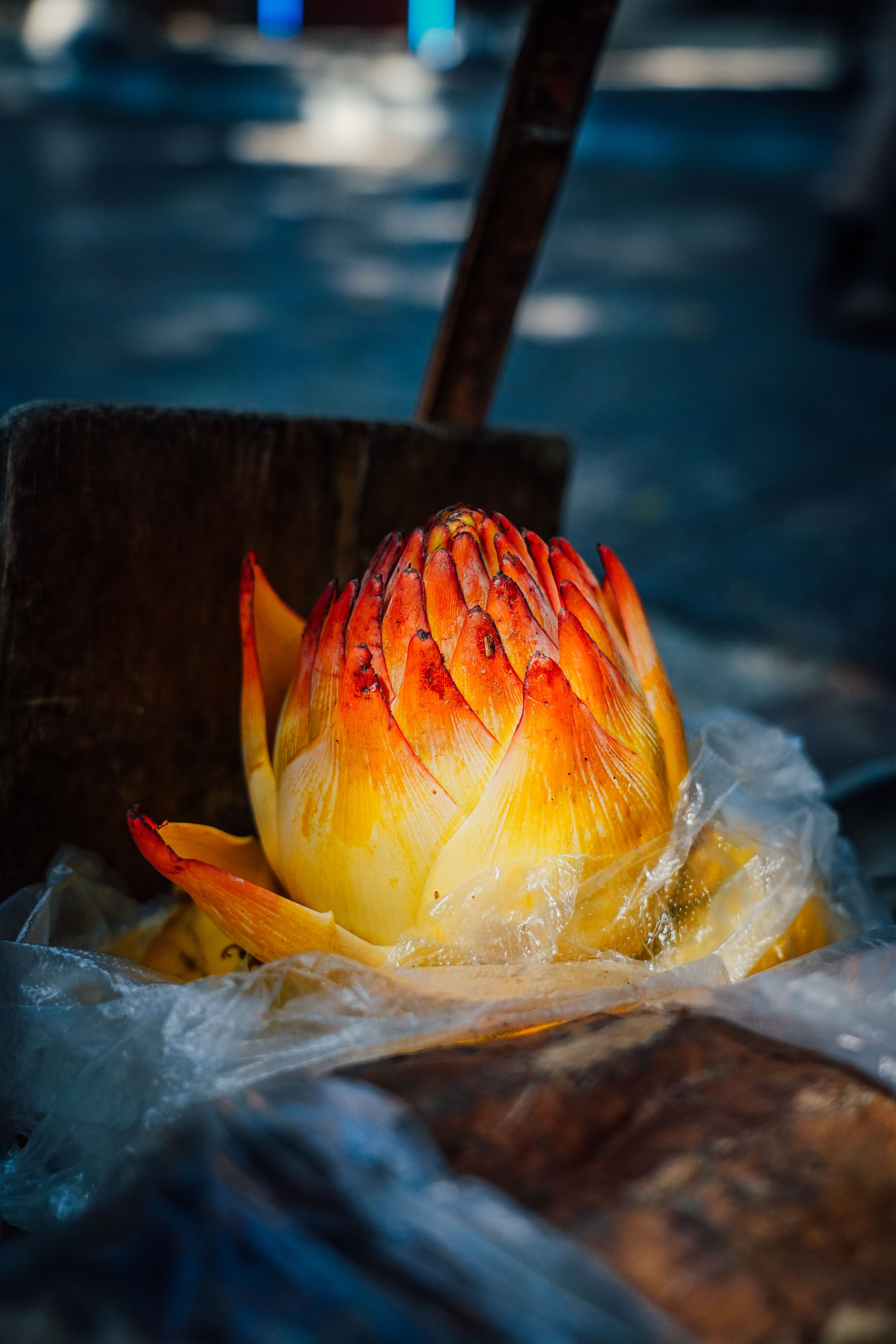
Musella lasiocarpa, also known as the Chinese dwarf banana, is native to the country’s southwestern province, and its flower and stem can be used for medicine
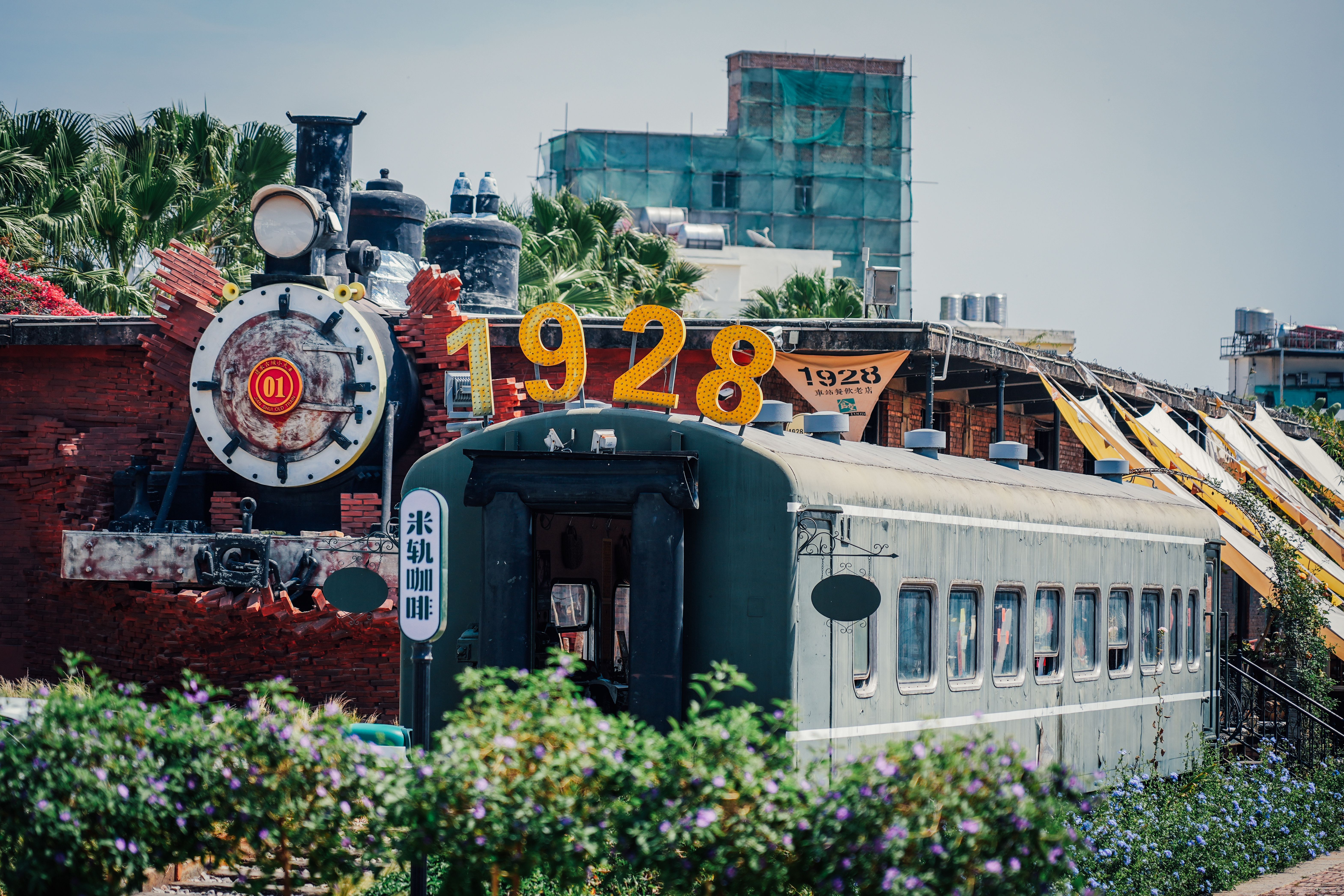
Around Lin’an Station, a historical site and one of the starting points of a roughly 13-kilometer scenic route, a railway-themed park has been developed, including a cafe converted from an old carriage
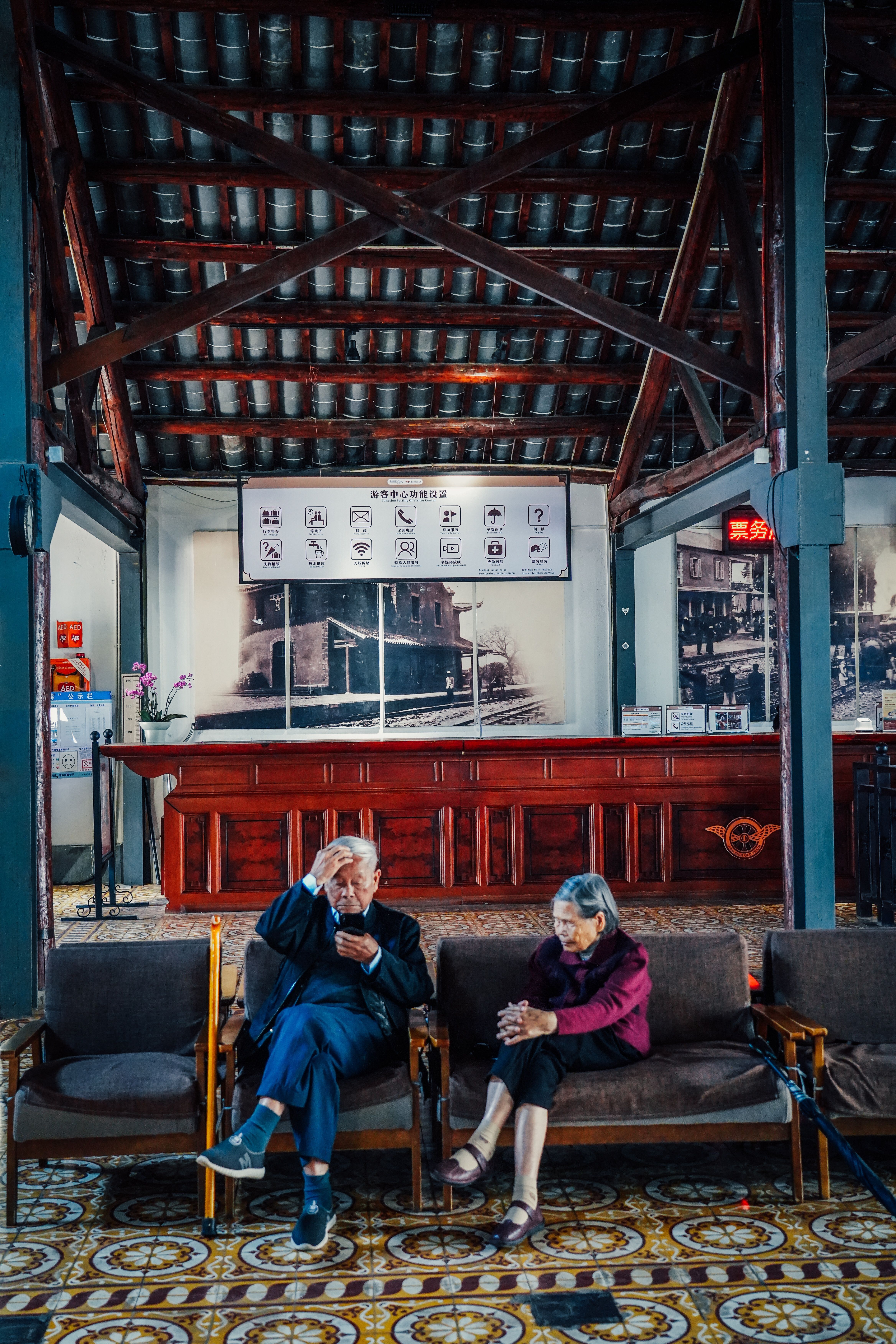
Jianshui’s meter-gauge railway, originally built in the early 20th century to transport minerals, has been revived as a sightseeing route, featuring Republican-era and French architectural styles
Jianshui: One of China’s Last “Living” Ancient Cities is a story from our issue, “I, Humanoid.” To read the entire issue, become a subscriber and receive the full magazine.
Related Articles