For much of the 2000s and 2010s, South Korean TV series (K-dramas) dominated Asian romance, but in recent years, Chinese dramas have been gaining ground, both in Asia and internationally. Earlier this year, the costume romance Pursuit of Jade became a breakout hit, followed more recently by The Early Spring, a modern workplace romance starring bankable actor Jing Boran and rising actress Sun Qian. After Netflix licensed the show’s global distribution rights from its original producer, Youku, it debuted at No. 2 on Netflix’s Global Non-English TV list in August and has since entered the weekly Top 10 in 22 markets, including Brazil, Indonesia, and Qatar.
While The Early Spring has won over audiences overseas, its reception back home has been more mixed, highlighting how viewer preferences can differ across markets. TWOC has rounded up some recent C-dramas across genres to give you a glimpse of what Chinese audiences are watching and, perhaps, a few ideas for your own watchlist.
Against the Current 兰香如故
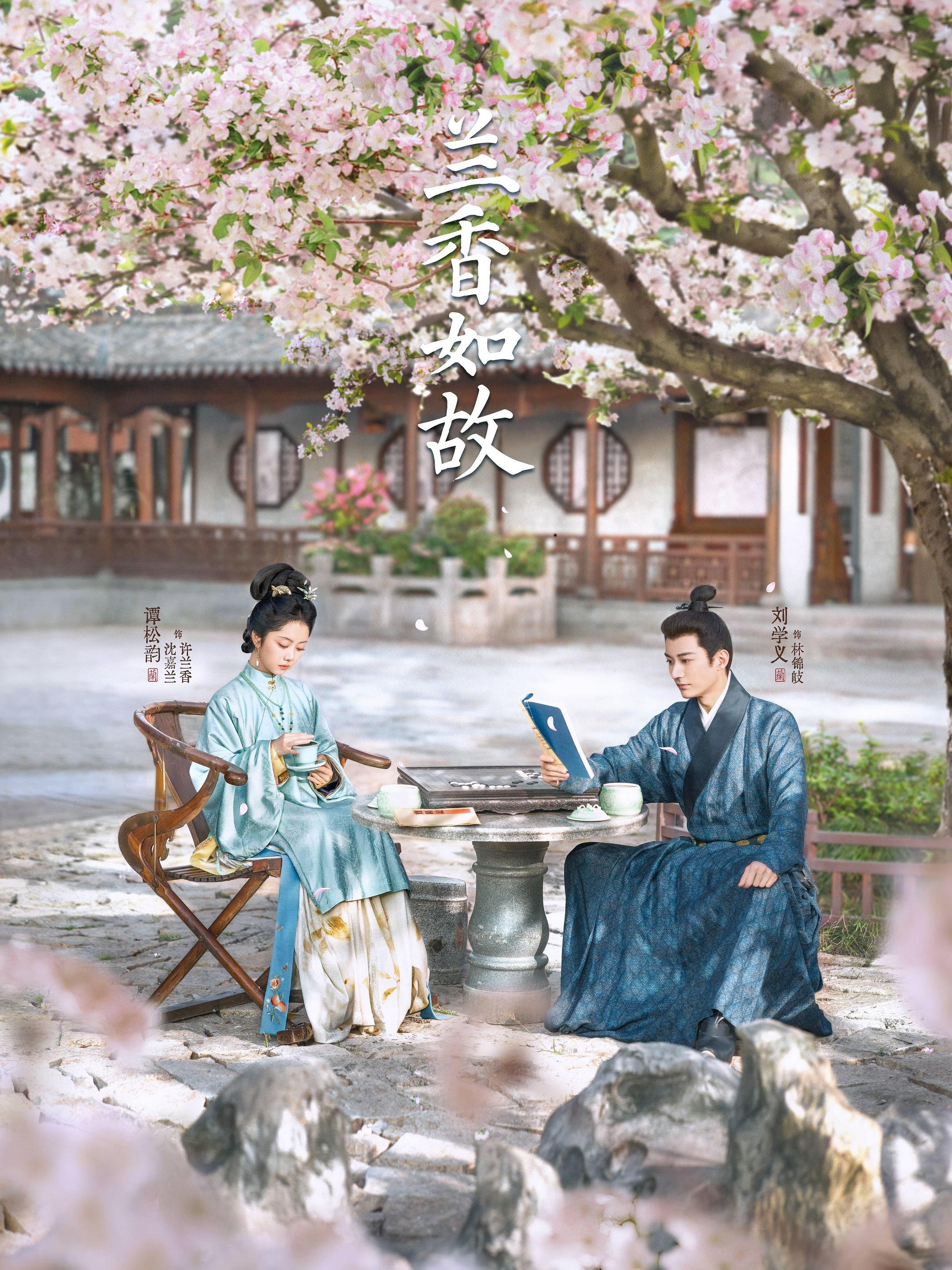
Shen Jialan (played by Tan Songyun), the eldest granddaughter of a noble family, sees her life collapse just days before her wedding when her family is framed for treason. The men are executed, while the women take their own lives rather than face the humiliation of being forced to become courtesans. Jialan survives the ordeal with the help of the Xu couple, servants of her former fiance Lin Jinqi’s (Liu Xueyi) family. She assumes the identity of the couple’s late daughter, Lanxiang, whom Jialan once saved.
Instead of a conventional revenge story in which the protagonist actively plots and schemes, Lanxiang (Jialan) treats survival as her foremost priority. She disguises herself as the lowest-ranking maid and hides her wit while navigating family intrigue and crisis in the Lin household.
Widely regarded as a dark horse among this year’s historical dramas, the 47-episode series has won praise for its nuanced portrayal of life inside a traditional household, from arranged marriages to power struggles. Viewers also lauded the series’ visual style, elaborate costumes, and production design: Much of the series was shot in a Ming-style garden that took eight months to build.
However, the show drew criticism for its opening scene, in which the Shen women take their own lives, sparking an online debate. Some viewers criticized the scene as reinforcing feudal ideas of chastity, while others saw it as a depiction of the social constraints and values of the period the show is set in.
The Long Watch 交锋
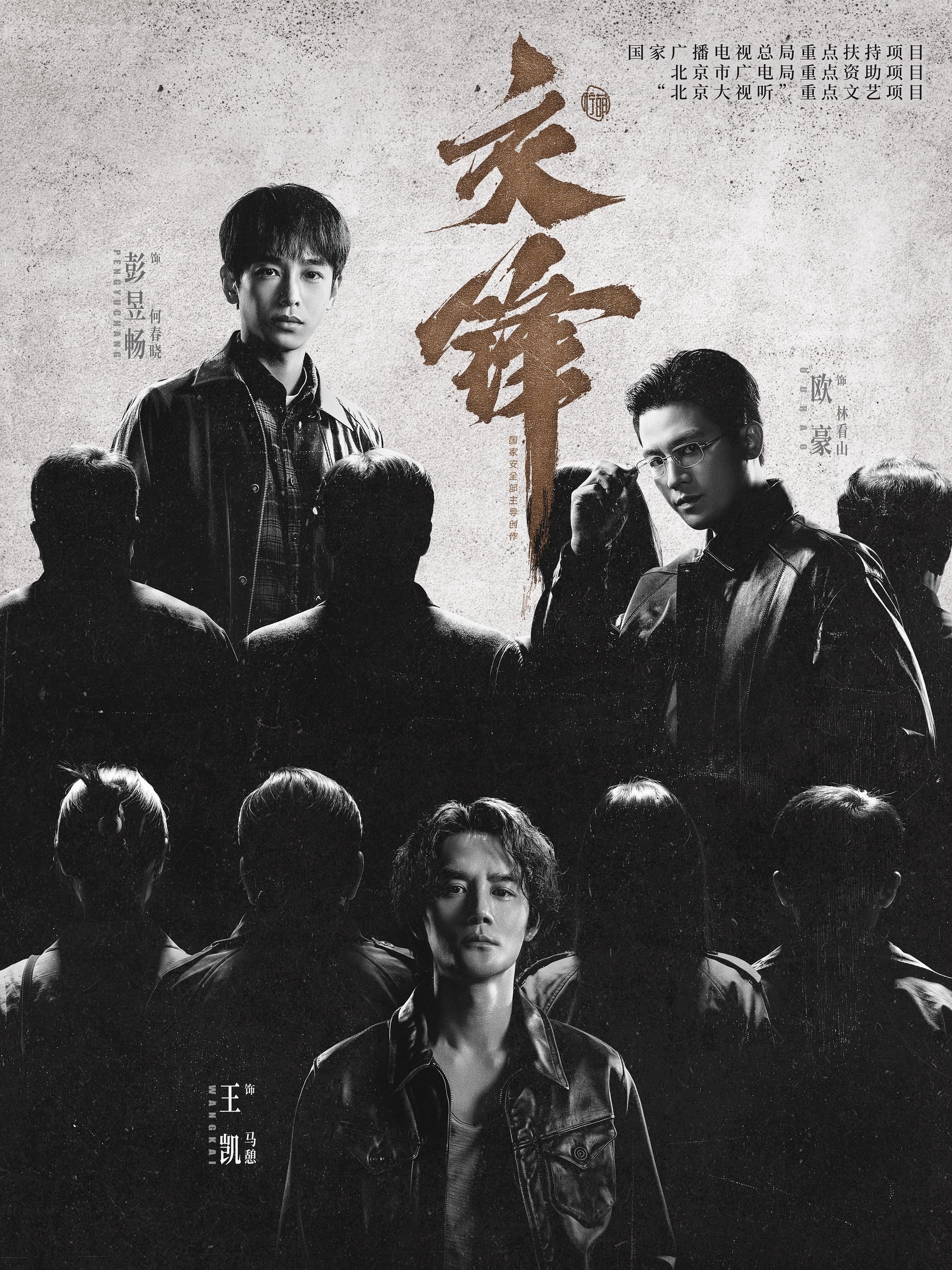
Set in a fictional city in Fujian province, west of the Taiwan Strait, and based on real cases, the show offers a rare depiction of the contemporary intelligence warfare between the Chinese mainland and Taiwan authorities. Unlike previous works in the genre, which are typically set in the late 1940s, just before the founding of the PRC, and follow heroic figures and major historical events, this series, set between the 1990s and 2010s, highlights how the covert world of spies and counter-espionage agents intersects with everyday life.
With the State Administration of National Security serving as one of the series’ producers, involved from the scriptwriting stage onward, the show offers first-hand insight into the quiet confrontation.
As its Chinese title, Jiaofeng (交锋), suggests, literally meaning “to clash in blades,” the show offers a glimpse into both sides of the intelligence battle, portraying people on each side as individuals with their own strengths and weaknesses. From college students and government officials to missile experts and professional intelligence officers, people from all walks of life are drawn into the conflict and respond in deeply human ways, with some succumbing to material inducements or emotional manipulation.
Many viewers were struck by the show’s in-depth portrayal of the subject and its exploration of the moral gray areas of human nature, as well as how easily ordinary people can become entangled in matters of national security.
The show is currently rated a modest 7.3 out of 10 on the review platform Douban, with some viewers suggesting that it could have been stronger with a better balance between its intrigue and the emotional entanglements of its characters across 40 episodes.
The Later Journey to the West 后西游记
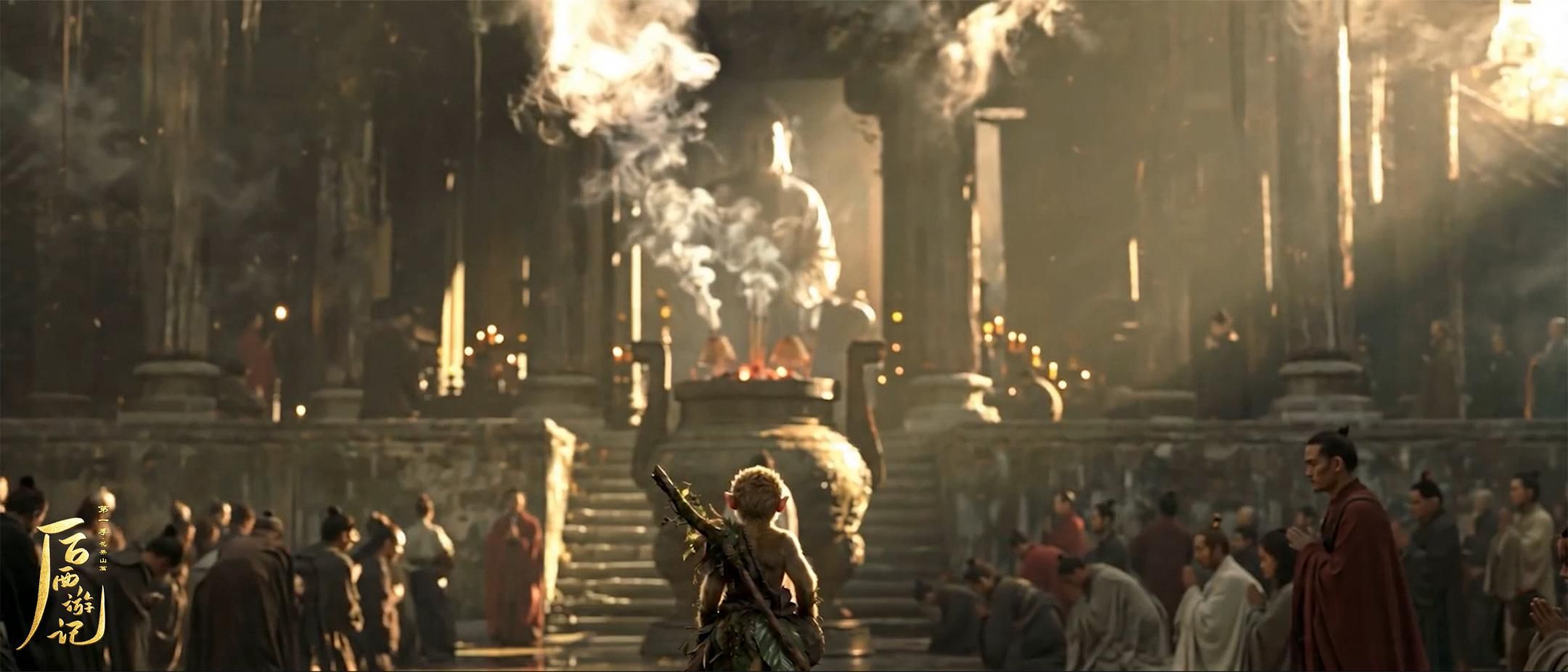
Adapted from a 17th-century sequel to Journey to the West by an anonymous author, the series picks up the story more than 1,000 years after Tang Sanzang and his fellow disciples successfully retrieved the Buddhist scriptures and attained Buddhahood. But as these scriptures become increasingly misunderstood or even distorted by some monks and temples for their own gain, the emperor sends the monk Tang Banjie to seek their true interpretations. The new adventure is soon joined by Sun Xiaosheng, Zhu Yijie, and Shami, who become the monk’s disciples. Though the sequel largely follows the original novel’s structure and character design, it was regarded as one of the best among the countless fan works over hundreds of years that continued the story, particularly for its critique of social ills through fantasy.
The first AI-generated long-form drama series to air on satellite television, the show drew considerable attention in the industry. Its producer, Mango Excellent Media, saw its stock price rise 44 percent the day after the show premiered on Hunan TV and its streaming platform Mango TV on August 31. The first five episodes were viewed more than 3 billion times online within a week, with another five episodes released on October 4.
The story is reportedly divided into two seasons, totaling 60 episodes. Li Dongkun, the series’ screenwriter and director, told Southern Metropolis Daily in September that the project took only three months from planning to airing, with half of the 30-episode first season completed during that period. As its characters and scenes were all AI-generated, the series’ production time and cost were reduced by 70 percent and around 80 percent, respectively, compared with conventional live-action productions.
Although some viewers criticized the show for sluggish storytelling and errors and inconsistencies in its AI-generated content, others were surprised by its quality, particularly its visual effects, with some even comparing them to those of movies and the hit RPG Black Myth: Wukong. In response to the criticism, Li said his team would incorporate audience feedback into the rest of the series and might even invite viewers to take part in creating characters and scenes for bonus episodes.
Treasure 重器
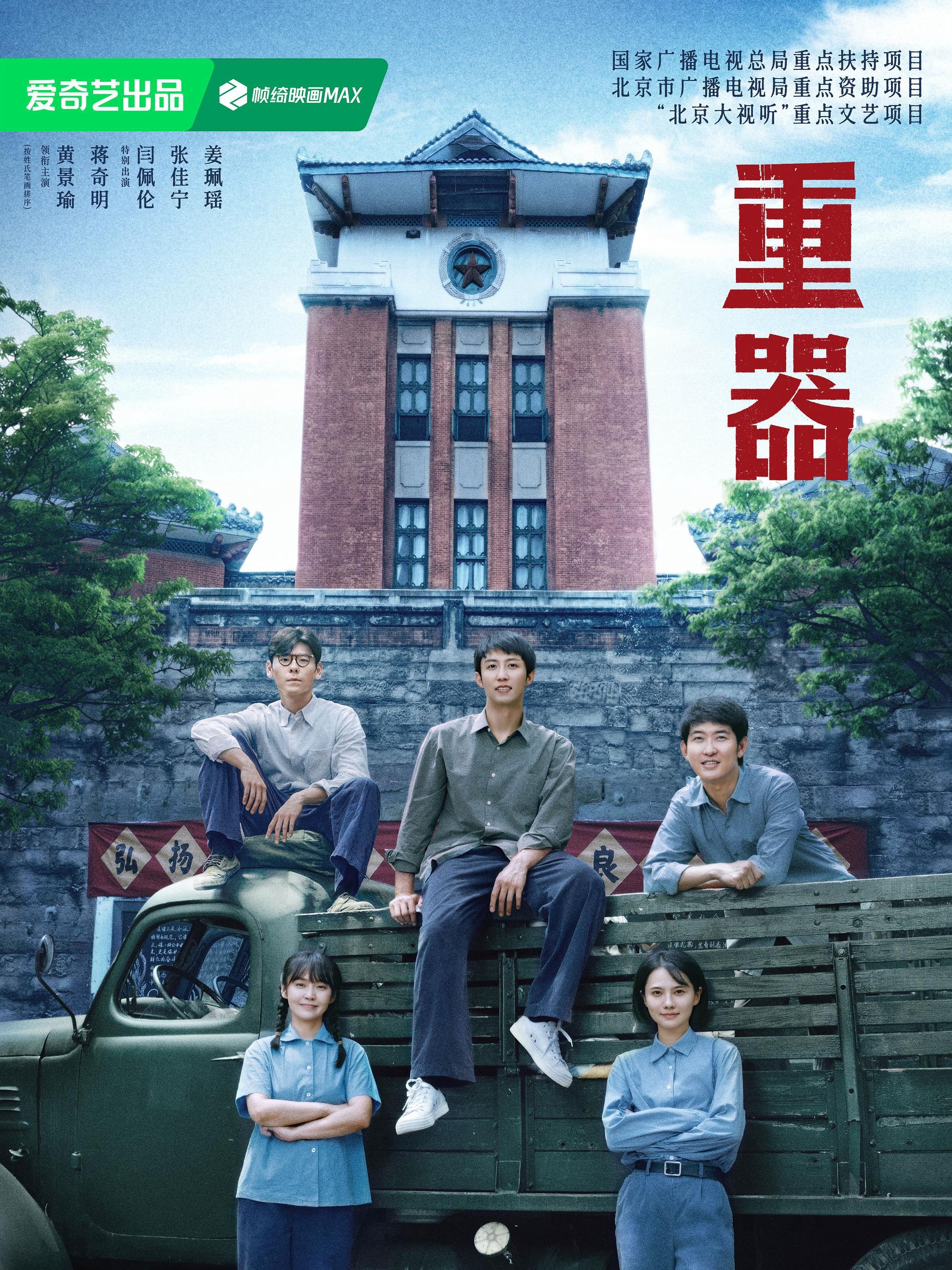
Treasure follows five law students who, after graduating in 1979, entered different branches of China’s legal system. Set against the backdrop of the country’s reform and opening-up, the drama tells 11 stories adapted from real cases, tracing the evolution of the country’s rule of law—from the debate over abolishing the crime of “hooliganism” to the establishment of the principle of “innocent until proven guilty.”
Starring Huang Jingyu, known for his action-oriented portrayals of police officers, firefighters, and soldiers, the show challenges him with a role that puts more emphasis on dialogue and character development. In fact, every character is depicted with layers of complexity, their ideals often colliding with one another and their own flaws, doubts, and uncertainties.
With a 7.3 rating on Douban, the show has been mostly well-received. Luo Xiang, a criminal law professor known for his online lectures, became an enthusiastic fan of the show, making videos and writing articles praising its significance as the first drama to vividly portray the evolution of China’s legal landscape, which he said moved him to tears. “Behind every small step forward in the rule of law lies a weighty story,” writes Luo.
The show has also been praised for confronting the real challenges of China’s early legal development without romanticizing the past or glossing over the limitations of the era. “We hope the drama can give audiences a glimpse into that history and help them understand how hard-won today’s legal environment has been,” director Li Jiangming told news outlet The Paper in September.
The Early Spring 早春晴朗

Fresh university graduate Shang Zhitao (Sun Qian) is hired by a top advertising agency in Beijing despite the objections of its creative director and industry bigwig, Luan Nian (Jing Boran). Though she doesn’t have a degree from a prestigious university, Shang is passionate about her work and eager to prove herself. Despite Luan’s sharp tongue and demanding attitude, he occasionally offers Shang valuable career advice and helps her through work crises. Mutual attraction soon draws the two into a secret physical relationship. Over the next six years, they struggle with their on-again, off-again entanglement, until Luan’s emotional distance, coupled with Shang being passed over for a promotion, drives her to leave the company and the city. The two did meet again as their better selves.
While trending among fans overseas, The Early Spring was rated only a modest 6.6 out of 10 on the review platform Douban. Some viewers took issue with the power imbalance in the relationship, which bordered on exploitation. Others criticized its unrealistic portrayal of the workplace and the advertising industry. The industry’s more prosperous days are long gone, as the decline of traditional media and the rise of generative AI reshape the business. One viewer joked that even if the story were set during advertising’s golden days, a junior account executive at a top agency would be too busy to have much of a life.
Based on a web novel first posted in 2021 by Gu Niang Bie Ku, the workplace romance has drawn mixed reactions from the start. While the chemistry and tension between the couple are undeniable, an increasingly feminist-conscious audience of young women can’t help but feel conflicted about the storyline.
The show also generated buzz on social media for its glamorous portrayal of Beijing’s business elite, with young people lining up in front of the sleek office buildings of the Guomao CBD to pose as corporate high-flyers.
Under the Rainbow 日落下的彩虹
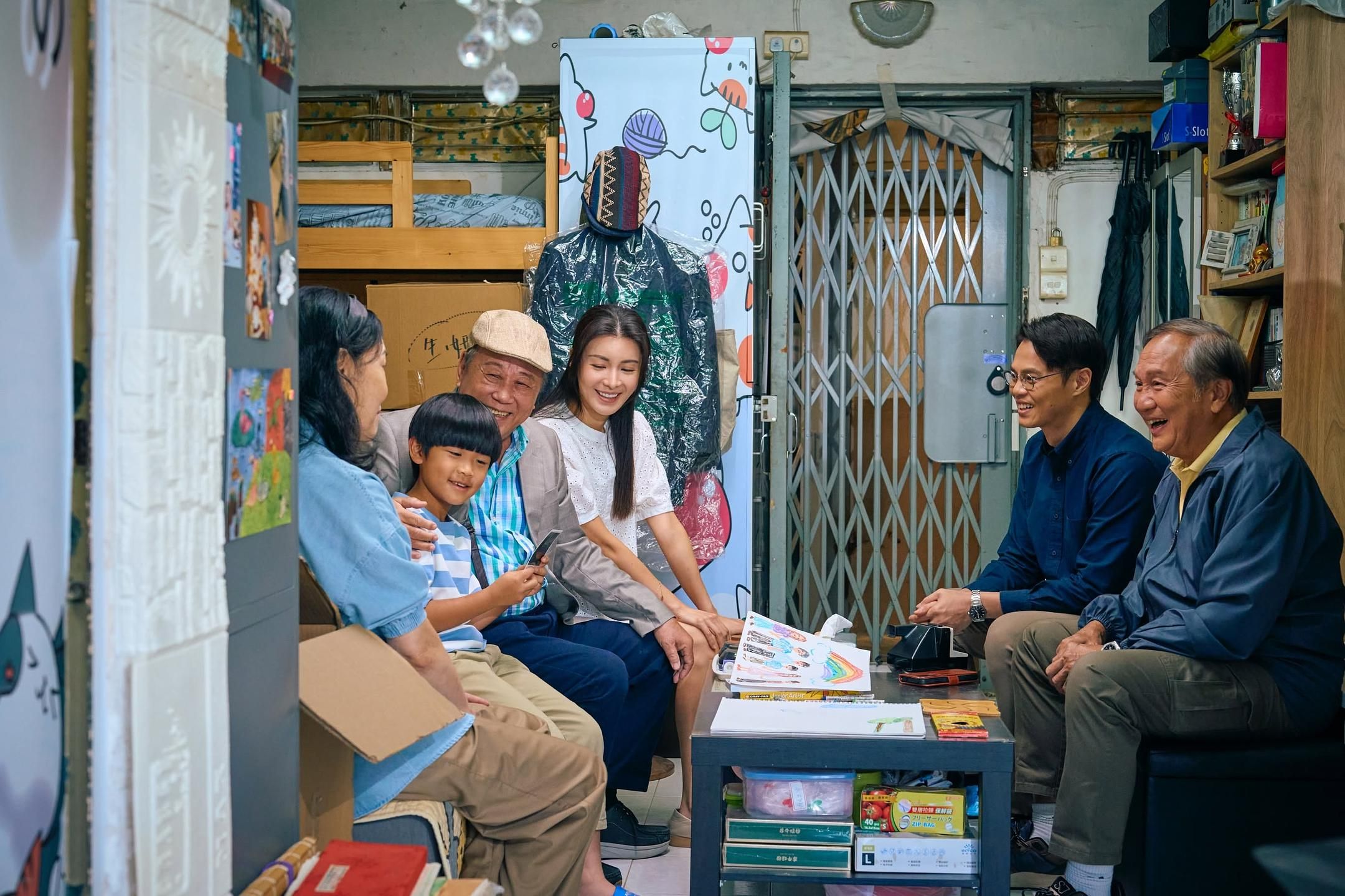
Set against the demolition and redevelopment of Choi Hung Estate, one of Hong Kong’s most iconic public housing estates, built in the 1960s, the series follows the dispersal and relocation of its residents. Told through seven interconnected stories of family, friendship, and romance, the drama offers an intimate look at urban renewal, the struggles of ordinary people, and memories of a bygone era, while exploring the meaning of home.
The stories capture the quiet struggles of everyday life over the past decades, from a 20-year unspoken love, a son trying to repair years of misunderstanding with his father grappling with dementia, elderly in-laws facing their children’s plans to emigrate, to a barbershop owner discovering his wife’s affair. With a documentary-like approach, the 17-episode drama tells its story through small, familiar moments instead of dramatic twists.
As the iconic estate prepares for redevelopment in the coming years, the drama offers a glimpse into the memories rooted in the community. Rated a notable 8.3 on Douban, it also weaves classic Cantopop songs into the story, including Leo Ku’s Too Late to Love and Faye Wong’s Promise. For those drawn to quiet stories and Hong Kong nostalgia, the series makes for a moving watch.
Related Articles