When the eight-episode animated collection YAO-Chinese Folktales premiered in 2023, it felt like a revelation. A joint production between the Shanghai Animation Film Studio (SAFS) and the video streaming platform Bilibili, the series features a young director for each episode, often also the scriptwriter. This results in distinctive storytelling techniques and animation styles that together breathe new life into SAFS’s nearly 70-year heritage. The series also serves as an incubator for animated feature films—2025 summer hit Nobody, a satirical depiction of the struggles of low-ranking demons within the classic tale of the Monkey King and the monk’s journey to the West, grew out of an episode of Folktales.
Its sequel, the recently debuted YAO-Chinese Folktales 2, therefore arrived under the shadow of its predecessor’s success. While the first collection is heralded for its narrative punch, the second leans toward a more contemplative, at times perplexing exploration of the human psyche.
Read more about Chinese animation:
- Is China Creating Its Own Mickey Mouse with Ne Zha?
- Pushing Technical and Narrative Boundaries in Chinese Animation With “Deep Sea”
- The Golden Era of Chinese Animation
Mastery of the “Neo-Chinese” visual language remains the series’ foundation as 12 directors venture into diverse genres and artistic styles. These creators do not limit themselves to simply replicating the well-trodden mediums of ink-wash or paper-cut animation, but find ways to translate these traditions into a modern cinematic language. Episode one, “How to Become Three Loongs,” for example, opens with the parched, cracked earth of a drought-stricken land. However, rather than being rendered with generic digital textures, the animators employed fine “cun (皴, layered ink)” strokes, primarily used to depict cracks, fissures, and the tactile quality of landscapes in classical Chinese paintings. Elsewhere, the choice of animation material becomes inseparable from the story itself. “Light Snow” is a poignant stop-motion piece crafted entirely from wool felt dolls. The wool’s natural softness and warmth mirror the film’s tender, aching theme: a mother struggling to let go of control over her son while rediscovering balance in her life. Such a conscious choice of medium, combined with narrative, helps build a humanistic core that transcends pastiche.
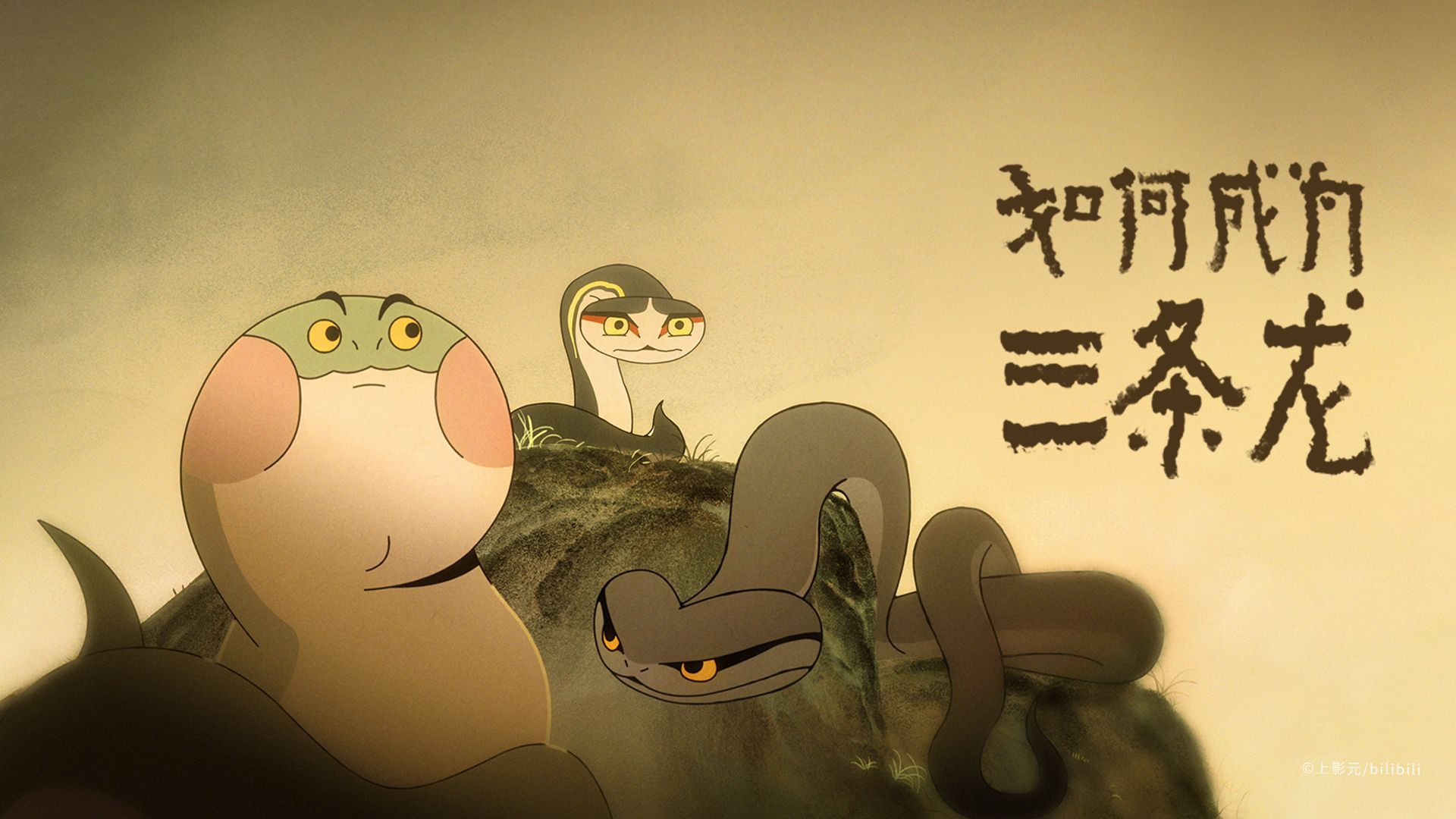
The first episode, “How to Become Three Loongs,” has been viewed more than 10 million times on its premiere day
Whereas many episodes in the first season held a mirror to social change through folklore, Folktales 2 turns its storytelling sharply inward. The most compelling example is “Man in the Ear,” a spiritual successor to the first season’s “Goose Mountain,” a supernatural fable about a fox spirit’s attempts to lure a mountain porter via a labyrinth of lovers. Adapted from the Qing dynasty (1616 – 1911) fantasy fable collection Strange Tales from a Chinese Studio (《聊斋志异》), “Man in the Ear” follows a scholar who is granted preternatural hearing, with which he begins eavesdropping on his crush as she chats with her maid in the neighboring garden. Just as he is lost in delight, a human voice suddenly issues from inside his ear—a tiny, fierce figure has made its home there. Unable to drive it away, the scholar finally resorts to coaxing it out with a puppet lady modeled after his own love interest.
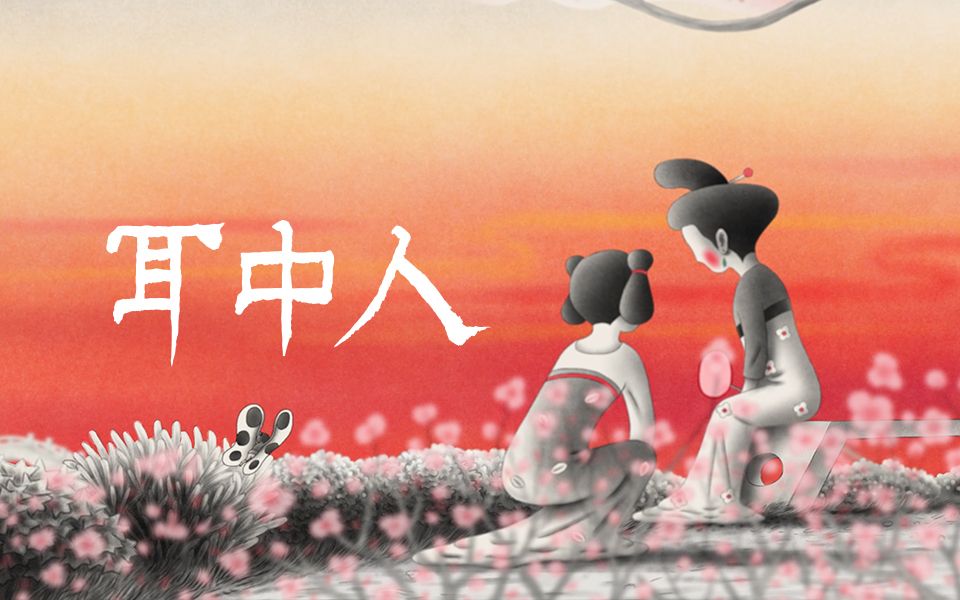
In “Man in the Ear,” the protagonist, with ears enlarged like wings, transforms into a butterfly to eavesdrop on his neighbors using his newfound power
The episode’s sound design acts as a character in itself, layering mundane noise, amplified whispers, and a haunting soundscape to map the protagonist’s descent into aural—and psychological—chaos. This time, the nefarious creature he must evade is not an external monster but a manifestation of his own repressed desires and insecurities. This internalization of the fantastical is arguably the season’s most significant evolution, seeking resonance not in broad social allegory but in the intimate struggles of identity and perception.
This renewed focus on the individual shifts the anthology from portraying archetypes to specific individuals, a significant step forward in the series’ development. The first season’s characters, for all their charm, often served as clear allegorical vessels. Folktales 2, on the other hand, grapples with more complex, flawed, and unpredictable personas. In “Minor Snow,” the protagonist Cheng Xiaoxue is initially defined solely by the suffocating role of an anxious single mother. She desperately tries to “cure” her son’s strange condition—his nonstop somersaulting—turning to Chinese herbal medicine and acupuncture. Only after a crisis, a moment of vulnerability where her son saves her from drowning, does she begin to untangle her identity from motherhood and find her personal calling as an orchestral flautist. The episode depicts a woman reclaiming herself, not through a grand narrative of rebellion, but by the simple, redemptive act of nurturing her own soul. It is arguably one of the most authentic and progressive portraits of female subjectivity in recent Chinese animation.
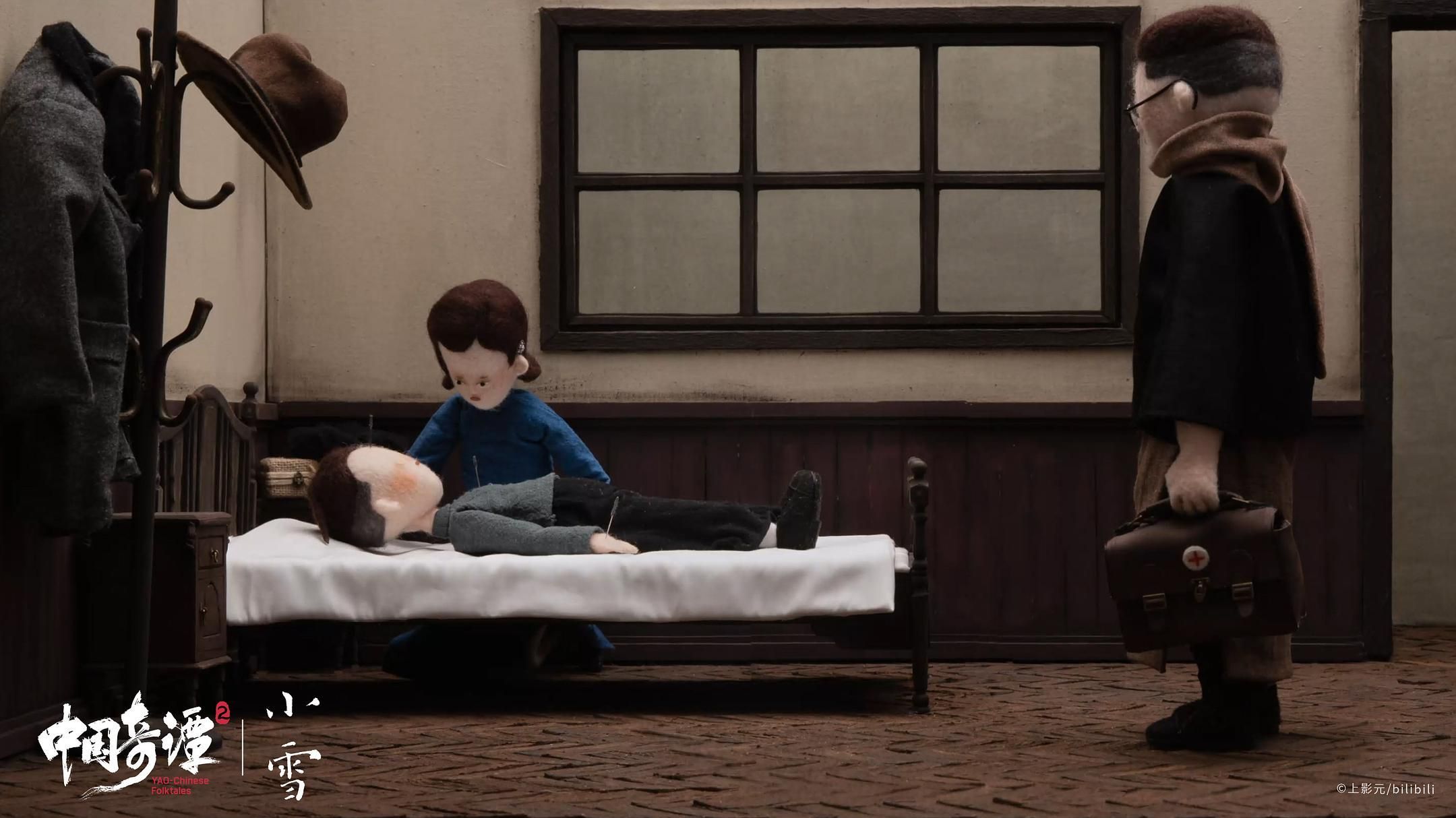
The episode’s title, “Minor Snow,” refers not to the weather but to her mother’s name, Xiaoxue
However, the episode’s strength also highlights a limitation in the second season’s portrayal of women. In “Man in the Ear,” female characters are reduced to the male protagonist’s fantasy, serving merely as a symbol of desire and temptation. Elsewhere in the series, the anthology focuses mainly on family life and domestic spaces, which, while meaningful, often overlooks the broader social conditions that shape women’s lives and experiences beyond household settings. In “Today’s Zoo,” even the anthropomorphized animals of the female sex are cast in maternal roles.
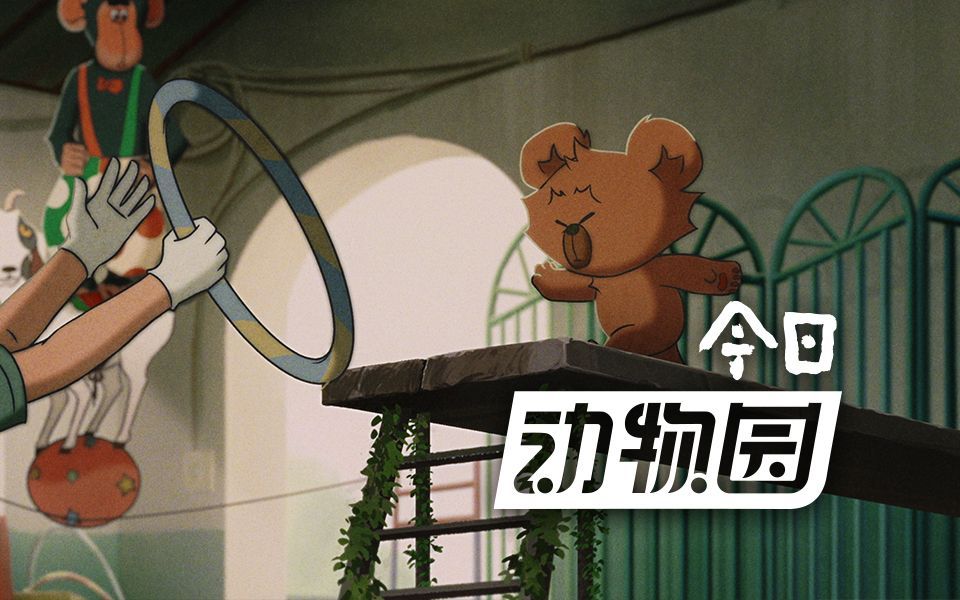
“Today’s Zoo” is a satirical mockumentary depicting animals in the workplace while reflecting on real-life family dynamics
Folktales 2’s ambitious self-reflective turn is also a double-edged sword, and it is here that the season’s most consistent critiques take root. In their pursuit of psychological depth and metaphorical richness, several stories succumb to narrative opacity where meaning becomes unmoored from emotional engagement. In “Big Bird,” a dark, visually stunning fable brimming with potent imagery—feathers, gramophones, mysterious ducks—its symbolic lexicon is so densely packed and its narrative so elliptical that it feels more like a puzzle to be solved rather than a story to be enjoyed. As some viewers have noted, when the audience’s debate fixates on deciphering historical references or iconography instead of sympathizing with a character’s fate, the storytelling mechanism has faltered.
Likewise, “Sanlang” (meaning “third son”) begins with an ambitious wuxia narrative but ultimately sacrifices coherence for conceptual ambition. Its core—a bladesman’s quest for glory, his overcoming of the illusion of fame, and his eventual rejection of vanity—is buried beneath overwrought metaphors and underexplained elements, including a jarring shift into surreal sci-fi and a climax hinging on the baffling power of “the world’s best leg of lamb.” The result feels less like a resonant story than an illustrated treatise, asking the audience to decipher dense symbolism rather than connect with the character’s journey.
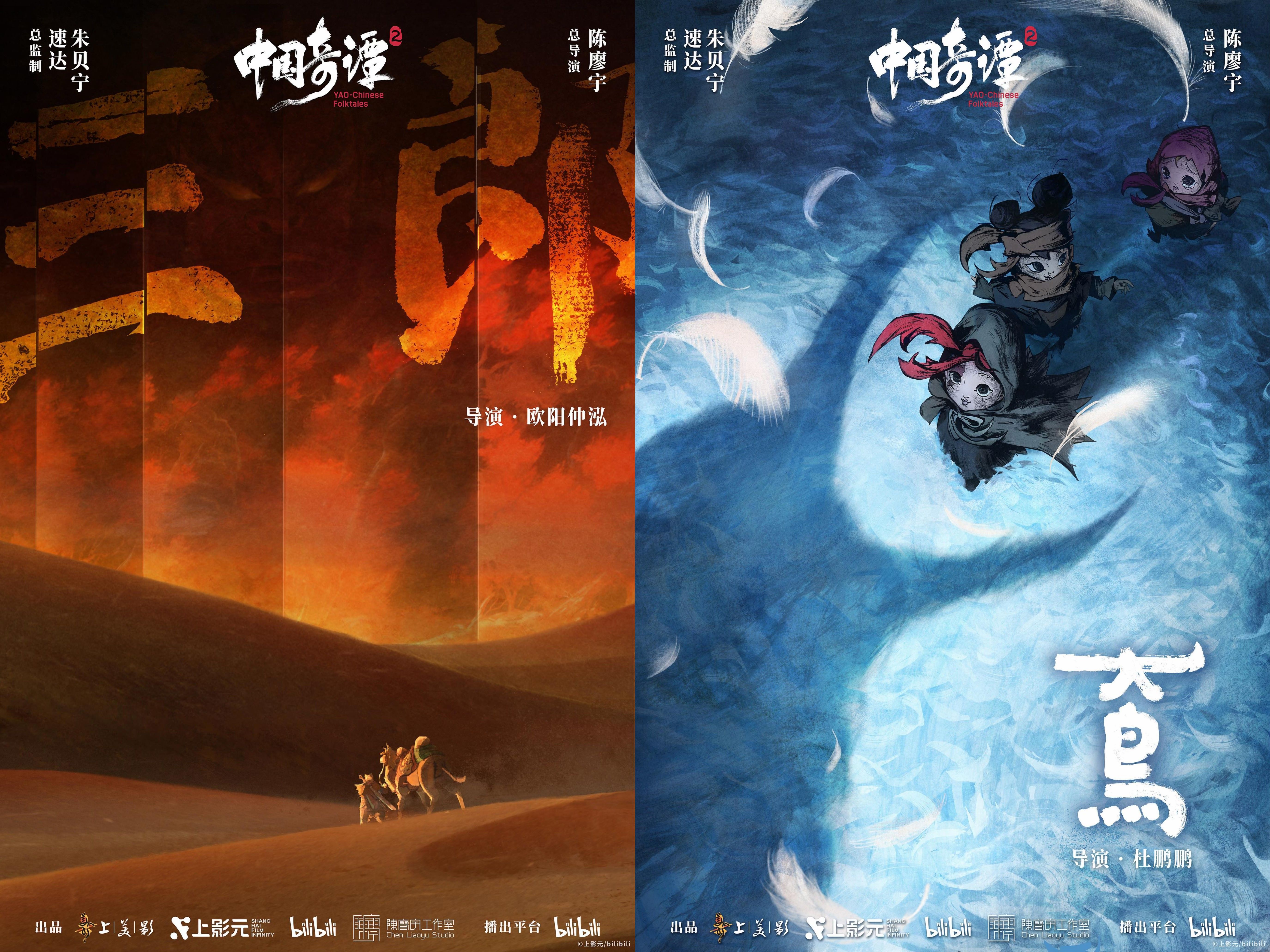
“Big Bird” and “Sanlang” drew the most criticism among the season’s episodes for being overly opaque
As a result, Folktales 2 risks presenting a relatively privileged experience of selfhood as universal. Themes such as “finding oneself” or “rejecting vanity,” explored across several episodes, are meaningful, but they assume a level of autonomy and stability that not everyone experiences. A more expansive approach to modern Chinese folktales would apply the series’ psychological depth and visual innovation to stories that reflect a broader range of lived experiences—across gender and social backgrounds—in contemporary Chinese society. Including such a perspective would not only broaden the anthology’s social canvas but also deepen its claim to capturing the multifaceted spirit of the times it seeks to reflect.
Ultimately, Folktales 2 feels like a necessary, if occasionally faltering, step in the anthology’s evolution. It consolidates the technical and stylistic prowess of its predecessor while courageously steering its narrative concerns toward the complexities of modern life. It is less concerned with being universally accessible and more with exploring specific, sometimes difficult, emotional and philosophical terrain—a fact reflected in its less enthused reception on Douban, China’s top ratings platform, scoring a 7.8 compared with the acclaimed 8.7 of its predecessor. The result is a collection that is arguably more artistically consistent in its ambition but more variable in its execution.
Nevertheless, the series remains a vital laboratory for Chinese animation, one determined to explore not just the outer boundaries of cutting-edge techniques, but also the inner landscapes of the human condition.
All images via Douban
The Second Tale: Tradition Meets the Self in “YAO-Chinese Folktales 2” is a story from our issue, “When Heritage Goes Viral.” To read the entire issue, become a subscriber and receive the full magazine.
Related Articles