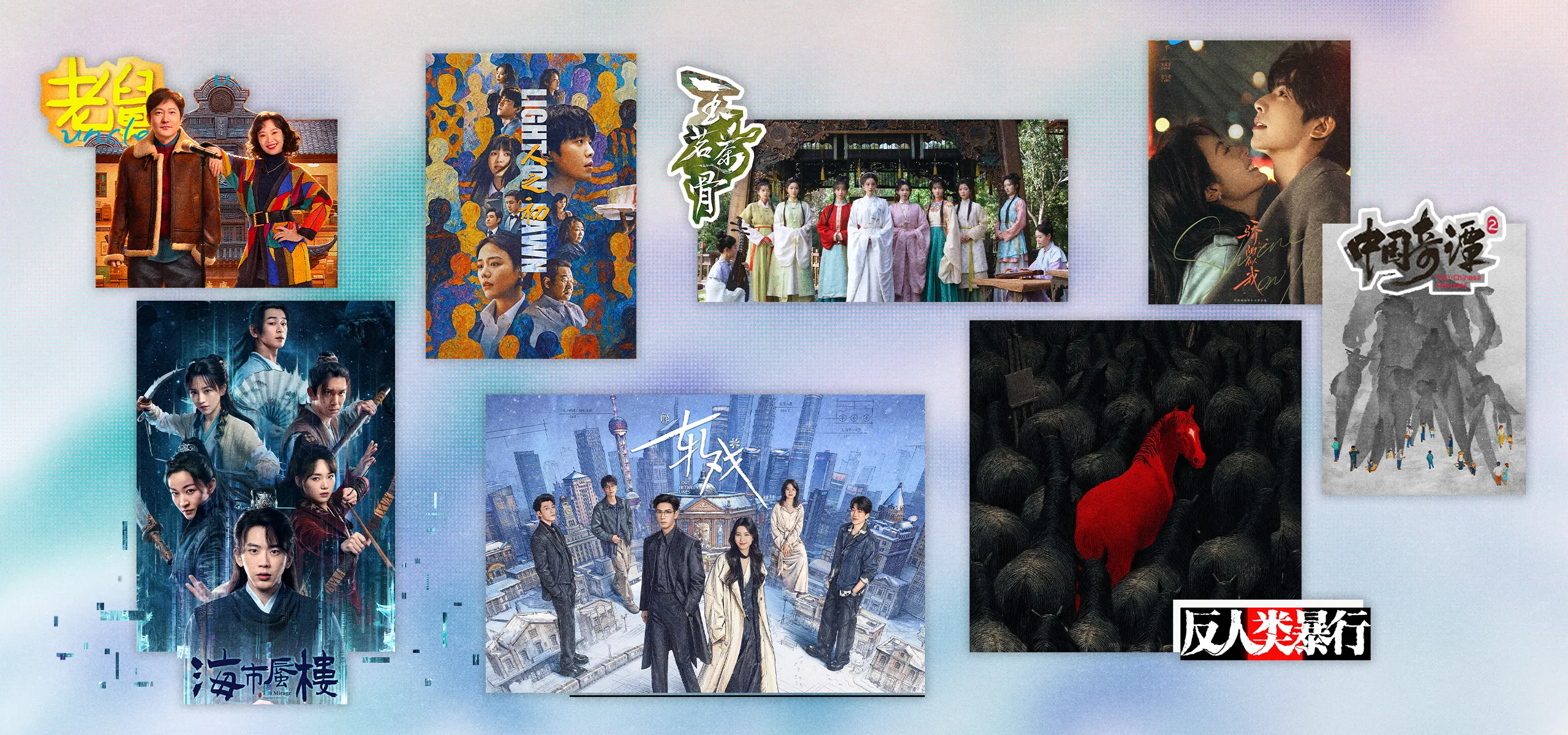

Check out the must-watch Chinese drama series from the highly competitive New Year releases, ranging from classic urban romances to mystery crime thrillers and revealing historical dramas
C-dramas get off to a strong start this year with a wave of exciting releases, from sweet urban romances that keep your heart warm during the chilly season, to mind-bending wuxia fantasies, 1990s retro vibes, and edgy animated series showcasing diverse Chinese flavors. As competition for viewers’ attention intensifies, long-form video platforms treat the start-of-year lineups seriously, aiming to build confidence for the year ahead and secure a strategic advantage. Here are our picks of the recent hit series to kick off 2026:

Love Between Lines 轧戏
Hu Xiu (played by Lu Yuxiao) is a 26-year-old aspiring architect stuck in a junior assistant role. To make matters worse, she is dumped by her fiancé via voicemail at their engagement party. To lift her spirits, a friend introduces her to an immersive VR murder-mystery game set in Rongcheng, a fictional city modeled on Republican-era (1912 – 1949) Shanghai. There, Hu meets a charismatic general, an NPC whose ambition, cunning, and charm draw her back to the game time and again. Their bond soon spills into real life, where the general is revealed to be Xiao Zhiyu (Chen Xingxu), both a co-developer of the game and the founder of an architecture firm. As their true identities come to light, Hu and Xiao are forced to confront past traumas and reconcile pretense with genuine emotion. Adapted from a 2021 novel by Zu Le on Douban Read, an online reading and publishing platform, the series became a refreshing hit, resonating with young viewers’ search for identity and personal growth. With parallel storylines unfolding across virtual and real worlds, and a vivid portrayal of Shanghai—from century-old alleys to bustling modern streets—the show delivers both emotional depth and cinematic flair.
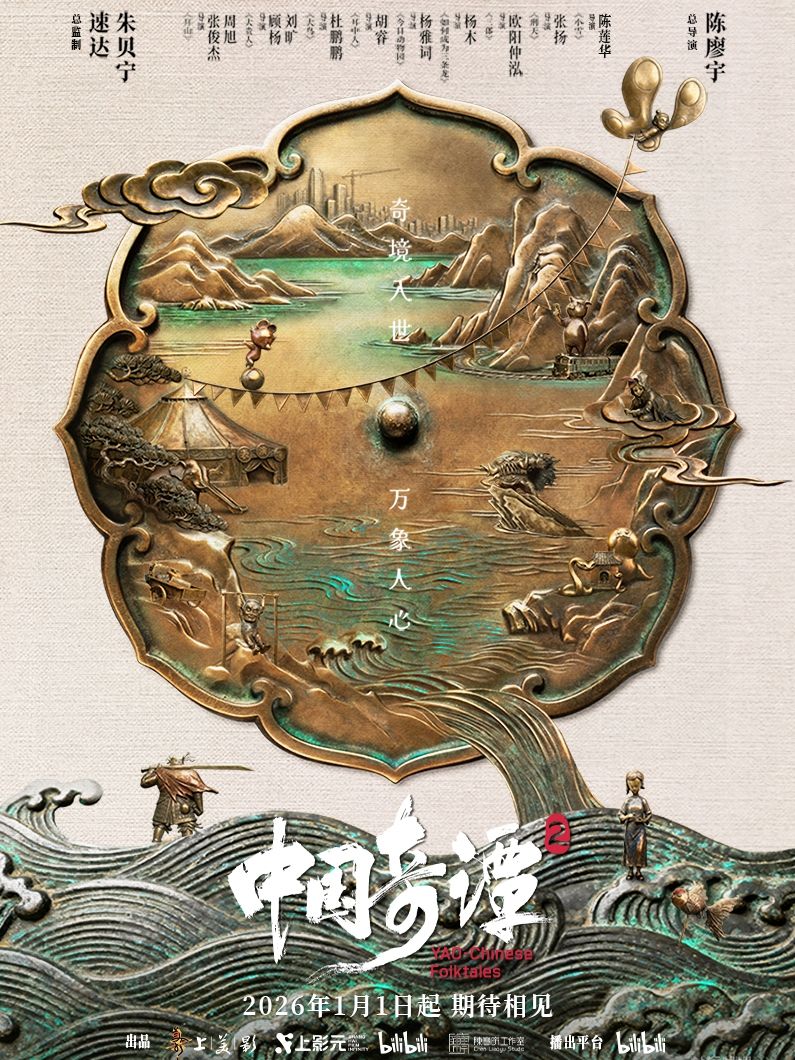
Yao-Chinese Folktales 2 中国奇谭 2
Celebrated for its distinctly Chinese fantasy aesthetic and roots in traditional culture, the eight-episode animated series Yao-Chinese Tales became a breakout hit in 2023, drawing over 370 million views on Bilibili so far, a Chinese video-sharing and streaming site. Its first episode later inspired the feature film Nobody, a surprise summer hit in 2025 that set a new box-office record for 2D animated films in China. Riding on this success, Yao-Chinese Folktales 2 premiered on January 1 with an episode about three snakes striving to become dragons—echoing the first season’s opening story, which followed a young pig demon trying to better himself and do the right thing. The new season features nine short stories by 12 directors, spanning a wider range of genres—from sci-fi and wuxia to fantasy—while remaining grounded in everyday life across regions including Beijing, northwestern China, Guangdong, and Guangxi. Each episode, around 20 minutes long, has lived up to expectations so far. With six episodes released at the time of writing, the series has already amassed over 50 million views on Bilibili and a glowing 8.2 score on Douban.
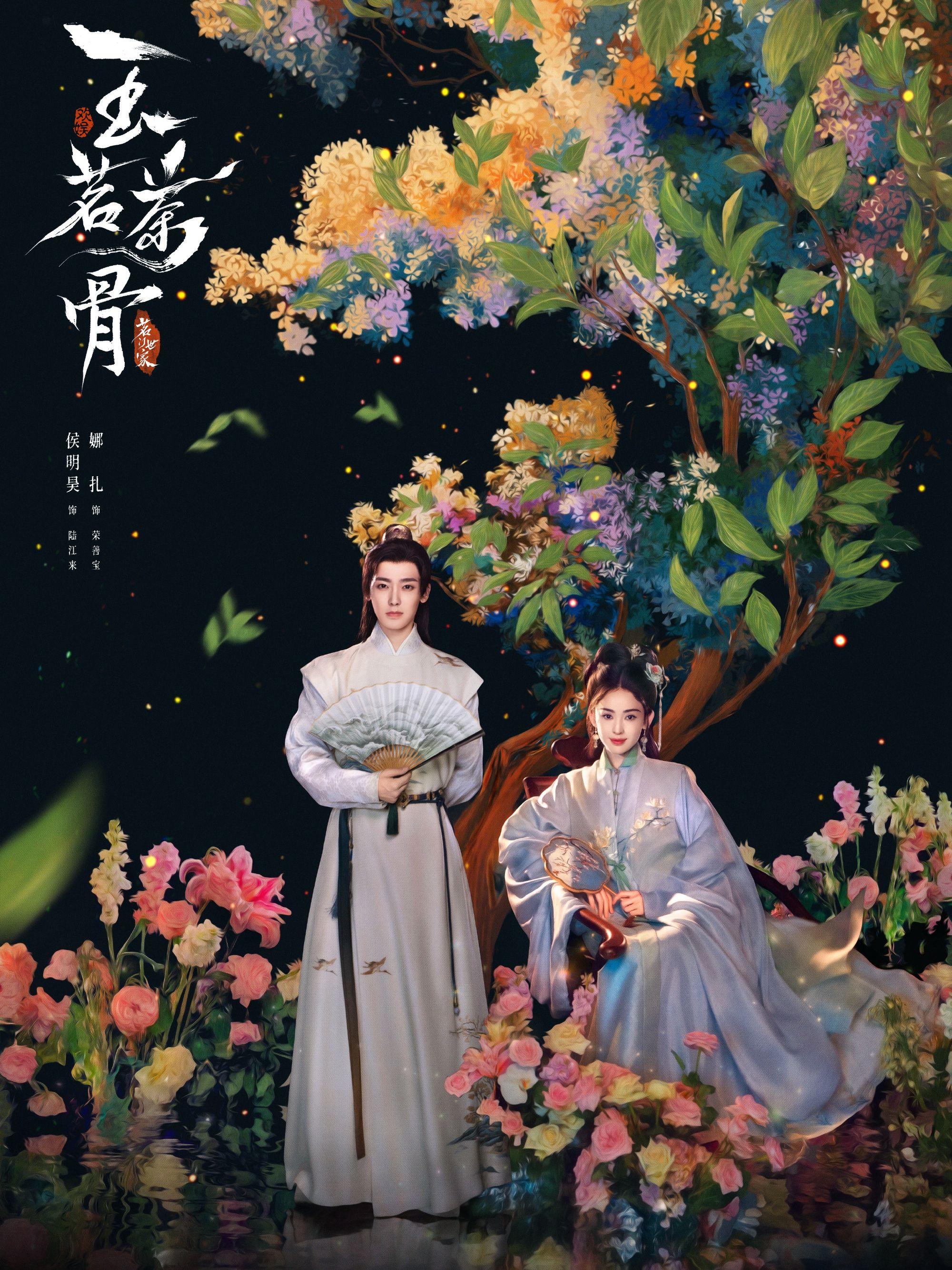
Glory 玉茗茶骨
The historical romance opens with the prestigious Rong clan seeking a husband for its young heiress. Rumored to be descended from a legendary “Kingdom of Women” and to hold the secret of tea cultivation, the Rong clan is defined by its powerful matriarch, who oversees all family affairs and a booming tea empire, while men have married into the family in subordinate roles for generations. The sharp-witted heiress Rong Shanbao (Gulnazar) is said to be born with a rare “tea bone”—an extraordinary ability to distinguish hundreds of tea varieties and even revive withered tea trees.
As ambitious candidates compete for status, wealth, and influence, Rong Shanbao sets her sights on the unassuming Lu Jianglai (Hou Minghao), a young magistrate who has lost his memory, intending to use him as a pawn to outmaneuver internal rivalries and external threats to the clan. Although Glory holds a modest 6.8 rating on Douban, the series has attracted many female viewers for its portrayal of female-centered power dynamics and male rivalry. It also pays tribute to traditional tea culture, featuring short segments at the end of each episode that explore tea rituals, history, and ethics.
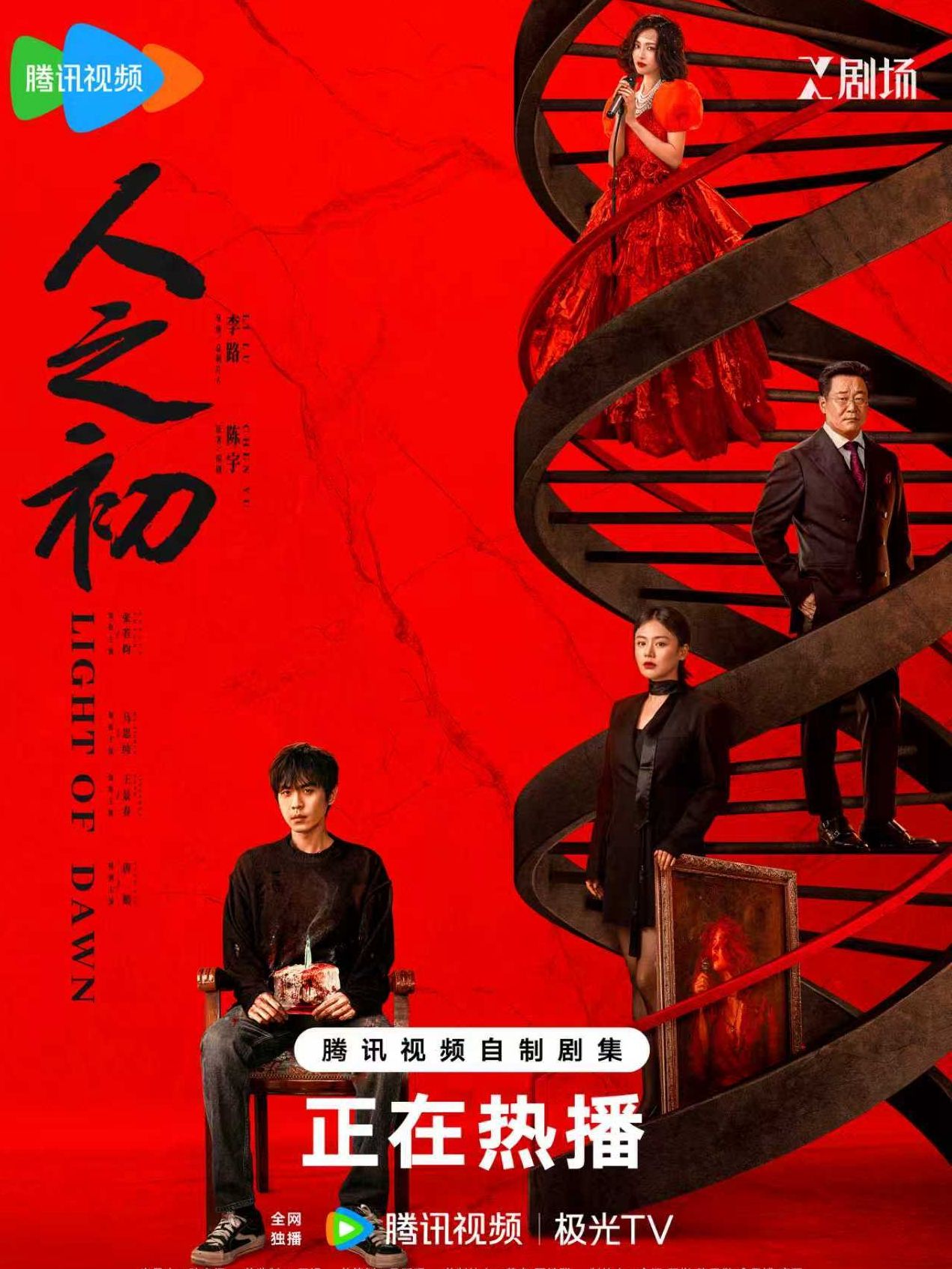
Light of Dawn 人之初
Tencent’s latest crime suspense opens with a car crash at the fictional Binzhou city’s landmark stone lion sculpture, revealing a human skeleton over two decades old. The story unfolds over the cold case, following two seemingly unrelated individuals. Orphan Gao Feng (Zhang Ruoyun), living on the fringes of society, sets out to investigate the mysterious death of his estranged adoptive father, believing he held key information about Gao’s biological mother. Meanwhile, Wu Feifei (Ma Sichun), a company executive and daughter of a wealthy businessman, grows suspicious that her own father may have committed a crime. The two protagonists soon cross paths, drawn together by traces of a dark past connecting both their parents. The series’ Chinese title literally means “At the Beginning of Life”—the first line of the 13th-century primer Three Character Classic (《三字经》). The phrase reflects the millennia-old Chinese philosophical debate over whether human nature is inherently good or evil. Some viewers praise the show’s nontraditional narrative, with two interwoven storylines from different eras, while others criticize it as “slow and confusing.” The mixed reception has resulted in an average Douban rating of 6.6.
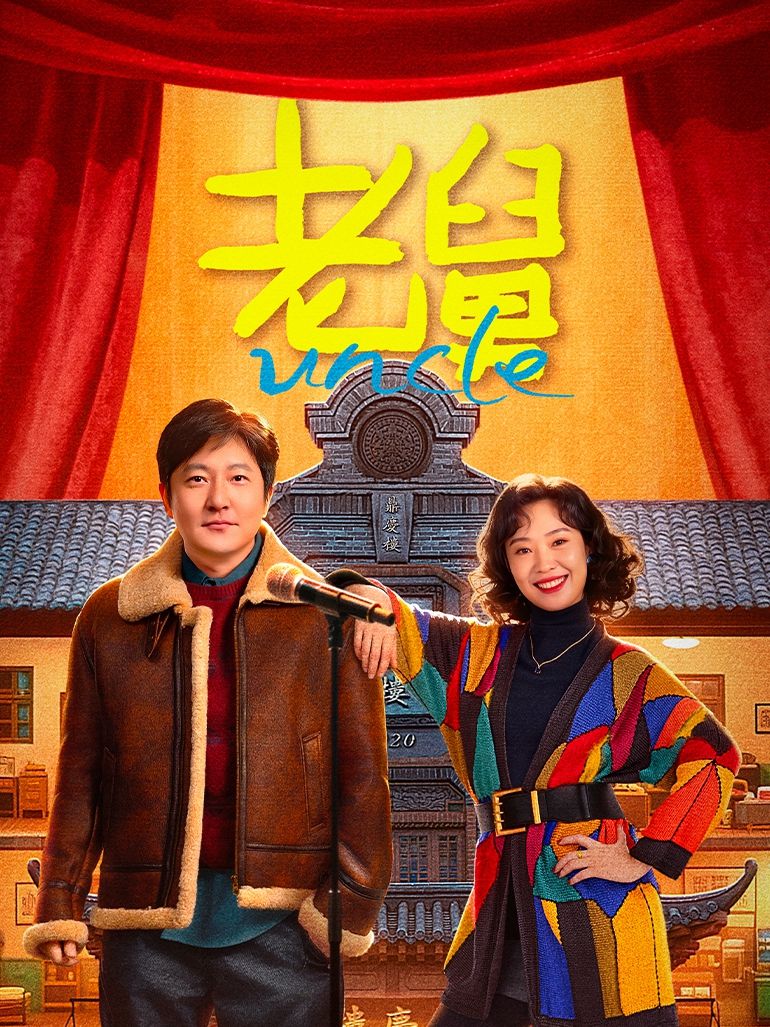
Uncle 老舅
Set in the 1990s Dongbei (northeastern China), and told from the perspective of his nephew, Uncle follows the life of Cui Guoming (Guo Jingfei), a rare university graduate and pioneering spirit of the era. After leaving his “iron rice bowl” job at a declining factory, Cui tries to make money and provide a better life for his family, including his nephew. The boy’s father is imprisoned, while his mother has left to work overseas. Cui moves from one venture to another—singing at a nightclub, opening a karaoke bar, and writing novels—but most end in failure. Primarily filmed in a 20,000-square-meter real-scene studio in Changchun city to authentically recreate the period, the series has been praised for its cinematic texture. However, the story takes an abrupt turn midway, shifting from a light-hearted comedy portraying family life and friendship to a tragedy marked by several deaths involving the main characters. Its Douban rating has dropped from 7.5 to 6.7 since its premiere in mid-December. Many viewers debate whether the series accurately reflects life in 1990s Dongbei, citing implausible details, such as a taxi driver earning a strikingly high salary of 4,000 yuan per month, and questioning whether so many tragic events were necessary to convey life’s uncertainties within a comedy.
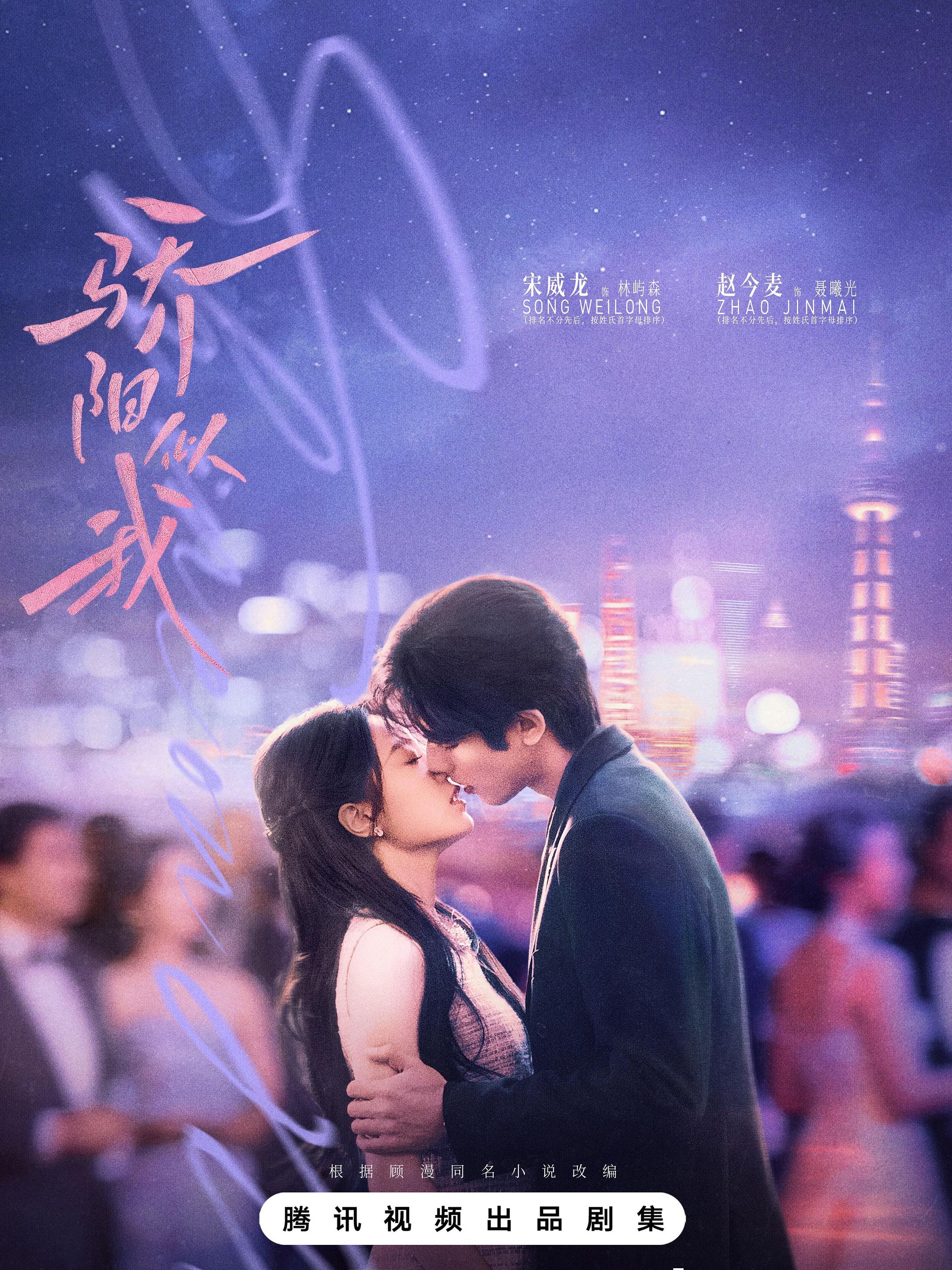
Shine on Me 骄阳似我
Adapted from best-selling urban romance author Gu Man’s novel of the same title, Shine on Me has become the latest addition to her long list of runaway hits over the past decade. The story follows Nie Xiguang (Zhao Jinmai), the daughter of a solar industry tycoon, from university to the workplace, as she navigates her tangled love affairs with her campus crush, Zhuang Xu (Lai Weiming), and later her boss, Lin Yusen (Song Weilong). No romance is complete without misunderstandings between the lovers, and delaying their resolution only adds to the tension. Gu Man is a master at this device. Nie’s first love interest, Zhuang, rejected her affection due to his own insecurities, but secretly remained obsessed with her. Meanwhile, Lin, who enters the story later, goes through an emotional rollercoaster: falling for Nie, feeling betrayed by her, holding a grudge, and eventually succumbing to the irresistible attraction between them. First published as an online fiction in 2006, the original work can seem outdated, especially with its flatter, more passive female protagonist—something that’s been updated in the current adaptation with Zhao Jinmai’s energetic, lively portrayal of an urban young woman finding her own path. Overall, it’s a solid modern romance, though some viewers question the show’s underlying message, pointing out that the protagonists are all from wealthy families, while the antagonists are often from lower socioeconomic backgrounds.
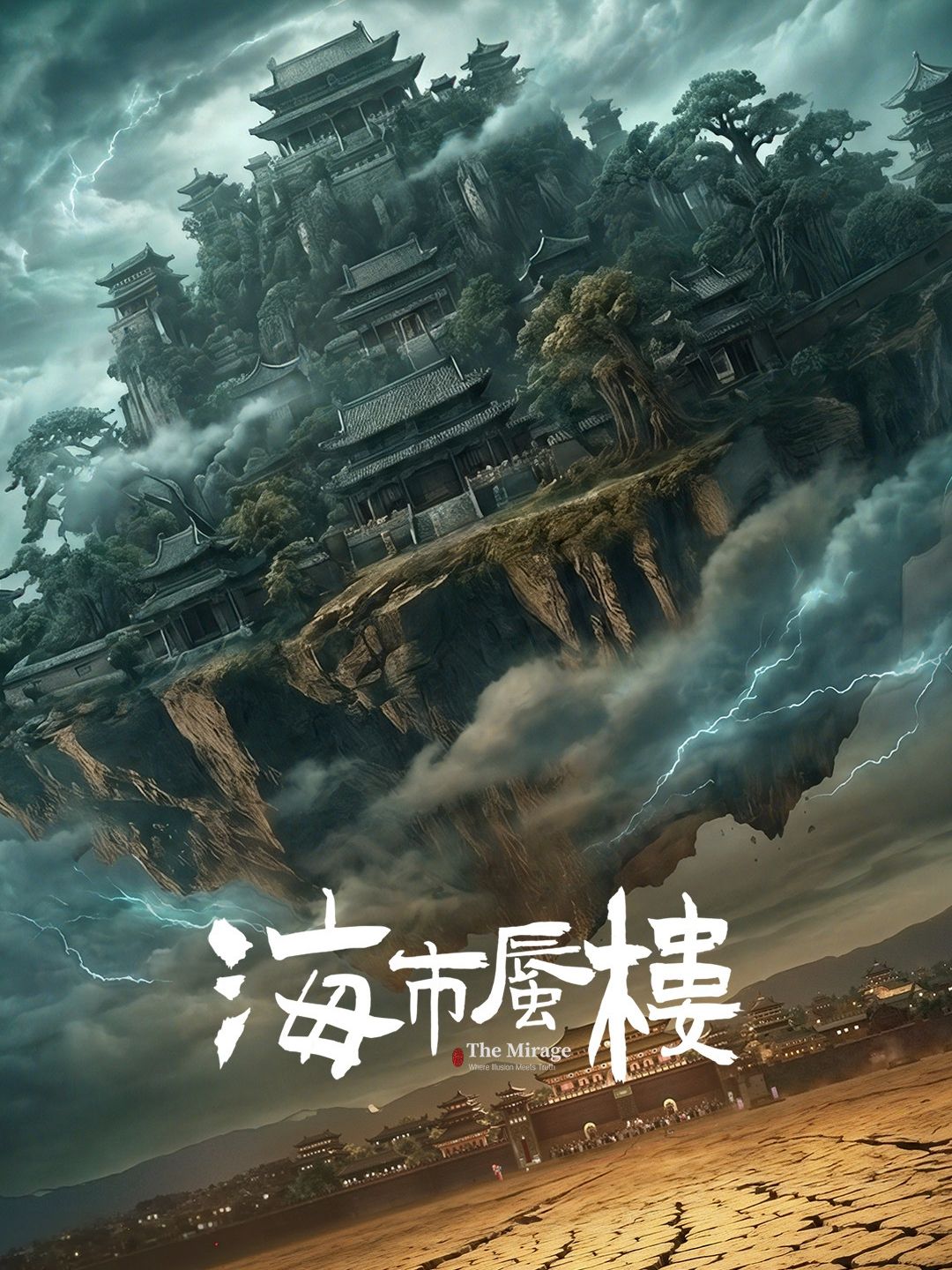
Sky Mirage 海市蜃楼
With a crew of distinctive and capable heroes often found in a classic wuxia adventure—ranging from a mastermind strategist and a hermit veteran to a rich playboy with a heart of gold and a fierce female chief of the Imperial Guard—Sky Mirage turned out to be a surprising blend of history, fantasy, suspense, and more. The story takes place in the fictional dynasty of Dayin when fate has brought the protagonists to the city of Dengzhou. As the audience is drawn into the mystery of a flying city suddenly appearing over the scene and the subsequent disappearance of 200 civilians, the heroes work together to uncover a secret that is truly out of this world. The series is not a big-budget production, but it more than made up for its moderate visual effects and lack of star power with a tight script, well-rounded characters, and wild imagination. With an impressive 8.3 rating on the review platform Douban, Sky Mirage is the latest offering from Youying Media, a small studio based in Shijiazhuang, Hebei province, known for its mind-bending, low-budget niche drama series like the Moral Peanuts (2010, 2011, and 2015) and The Record of Strange Things (2022).
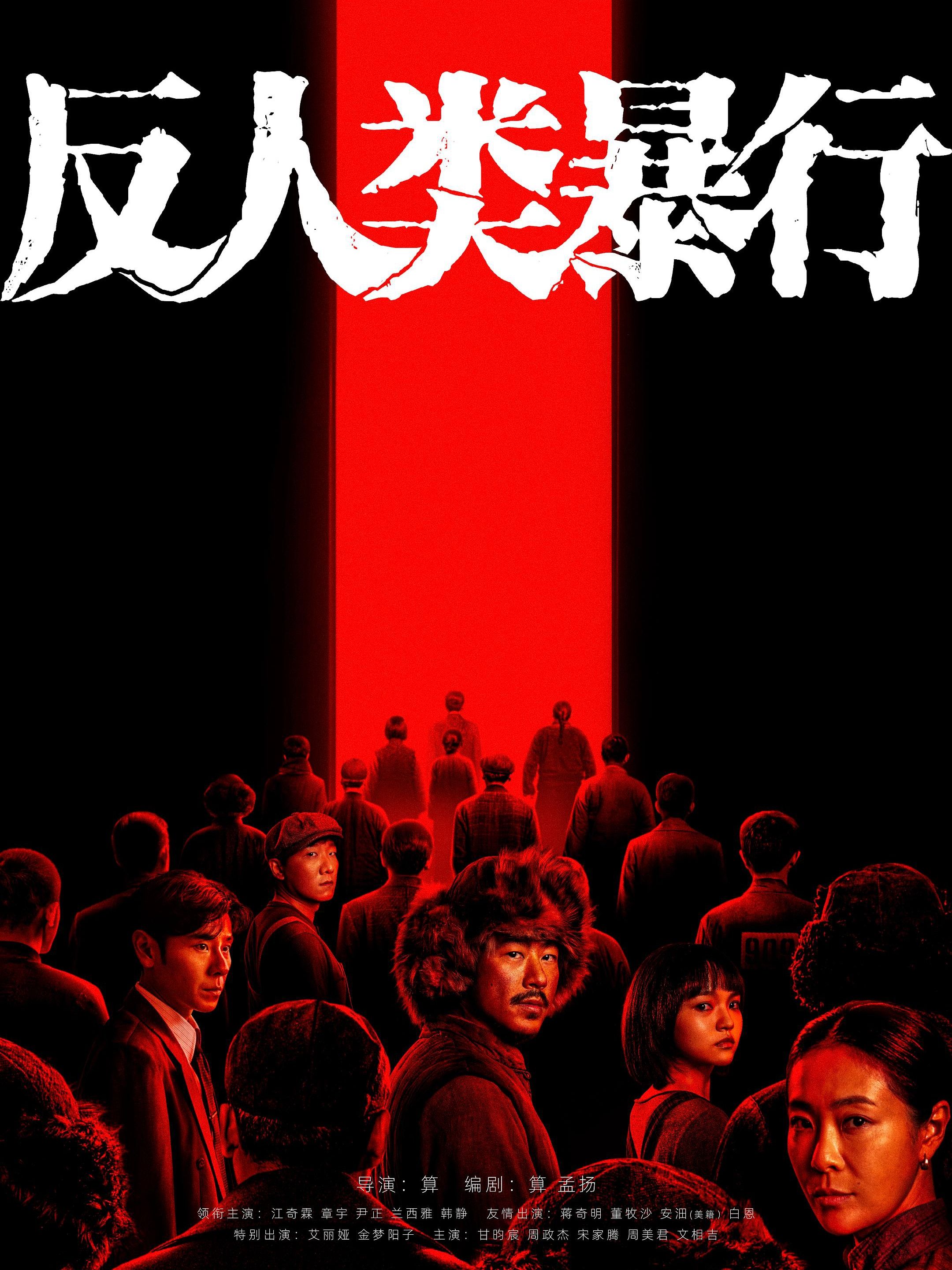
Man’s Inhumanity to Man 反人类暴行
Despite premiering only in December, Man’s Inhumanity to Man—a series about the Imperial Japanese Army’s notorious Unit 731 and its biological warfare experiments on civilians in northeastern China—quickly became the year’s highest-rated shows on Douban, earning a glowing 8.9 out of 10. The first chapter of the show opens with an ordinary peddler, Tong Changfu (Jiang Qilin), whose horse was seized by Japanese soldiers under the pretense of “epidemic prevention.” The horse was later found to have died in a bacterial experiment; its remains were dug up and eaten by starving villagers, triggering an outbreak that spread through the community, which ended with the infected all executed by the Japanese soldiers. The following four chapters continue the story from multiple angles, weaving together the perspectives of victims, perpetrators, a Japanese propaganda film director, and modern investigators across different time periods. Rather than dwelling on graphic brutality, this 20-episode series takes a layered, investigative approach to uncover the full chain of crimes behind Unit 731—from planning and execution to propaganda and cover-up. One of the most striking touches comes in the sound design: instead of a theme song, each episode ends with real recordings from the 1949 Khabarovsk trials, in which Japanese war criminals numbly confess to the war crimes they committed.
Related Articles