Past bustling market stalls, opposite a budding farm field, a glint of metal shimmers. Soon after, its source—a 2-meter-long poleaxe—strikes its target. The blow to the helmet sends its wearer stumbling to the ground. Signaling with his flag, the marshal declares the match won. A cheer that almost muffles the shuffle of 30-kilogram armor erupts as competitors from both teams exit the wooden arena. This was the scene of a rare spectacle granted to onlookers at the annual Comrade in Arms Cup in Taoyuan village, located outside Zhejiang province’s Tongxiang city, in late March. That was no Renaissance fair, but the full-armor combat sport of buhurt.
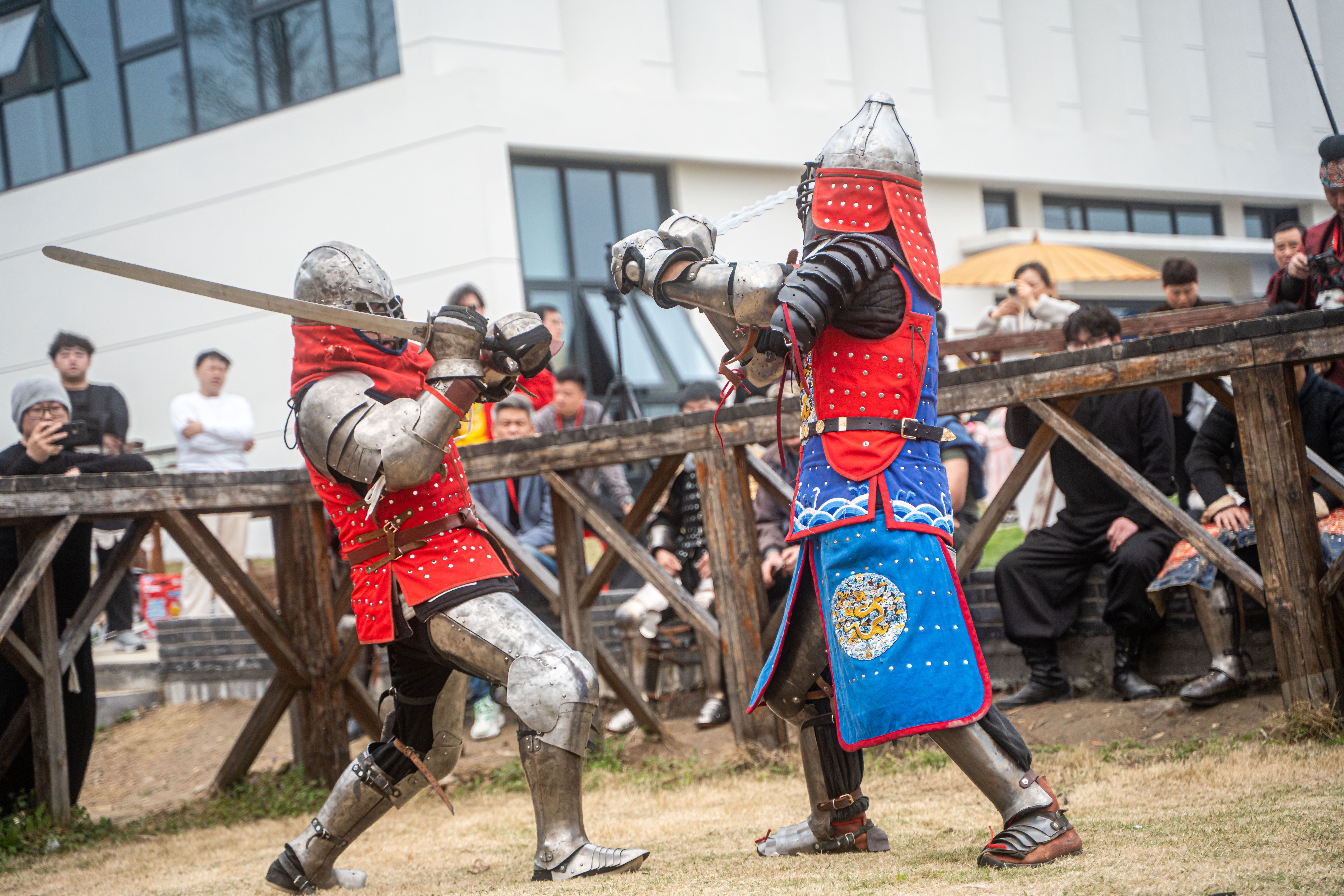
Two fighters wielding swords in full-body armor at the 2026 Comrade in Arms Cup in Zhejiang province (Jiayu Zhang)
Modeled on medieval European tournaments and emerging in late-1990s Russia and Ukraine, buhurt (pronounced boh-hurt) has gained a small but dedicated following in China.
This year’s Comrade in Arms Cup, the sixth since its founding in 2019, saw “the most participating teams and athletes, the fiercest competition, and arguably most spectacular visual presentation yet,” says Yang Yihuan, the event’s organizer and director of Buhurt CHINA, the national federation serving as the organizing body of the event. It attracted seven teams and nearly 70 athletes from across China, as well as two Russian teams.
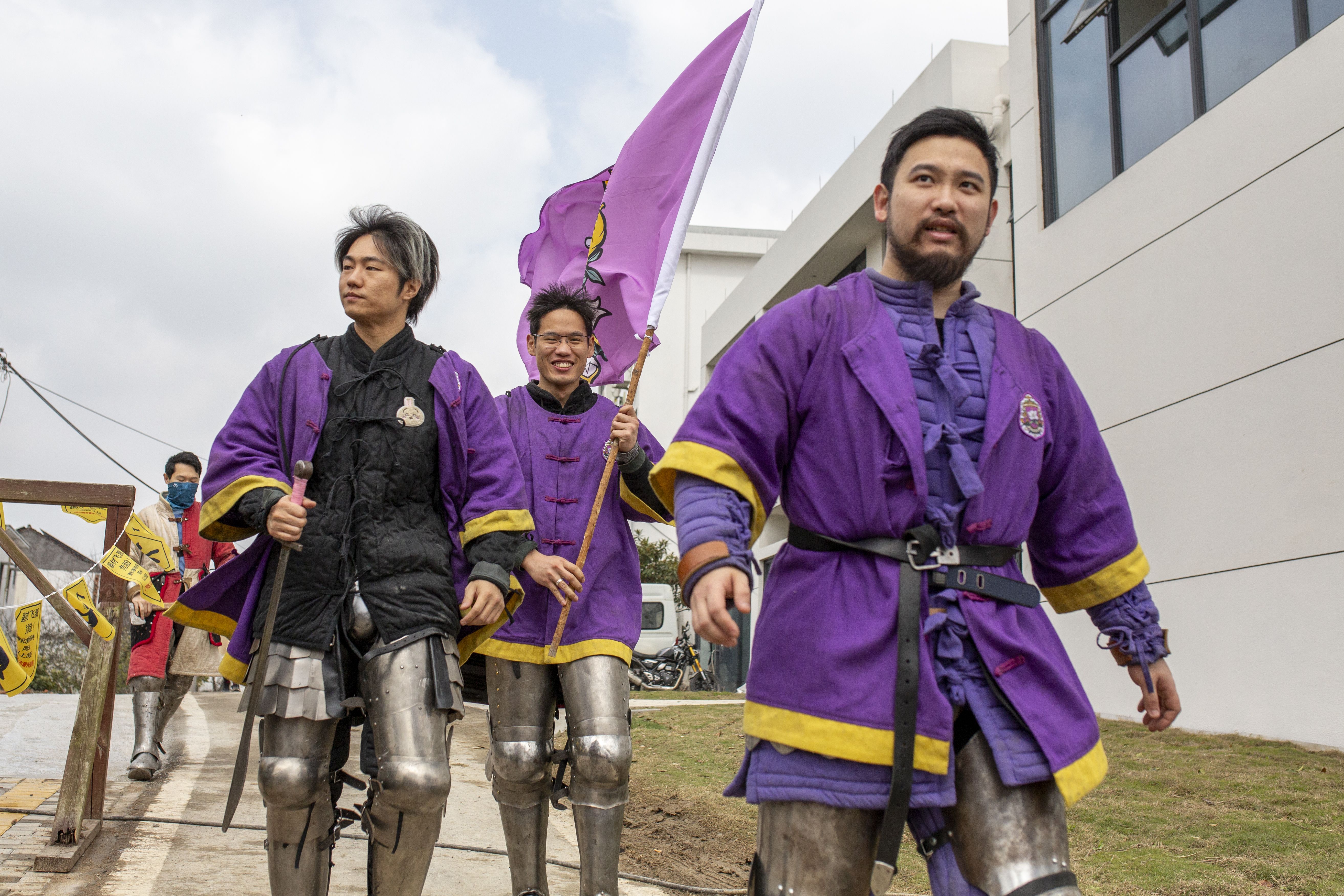
A Shanghai team marches into the arena in Chinese-style robes during the 2026 Comrade in Arms Cup (Matteo Cassina)
The fighters are of all ages. College students fresh to the sport are pitted against established teams like Red Star and Half-Ton, with members in their 40s. “Some of the old fighters are old enough to be dads of the young fighters,” Tong Kexin, one of the few female competitors in China, tells TWOC. The event marks the culmination of more than a decade of enthusiasts’ efforts to develop the sport domestically, yet it still relies largely on passion—namely, crowdfunding led by Shanghai’s Half-Ton club, so-called for the combined weight of its five founding members, which also handles the competition’s logistics.
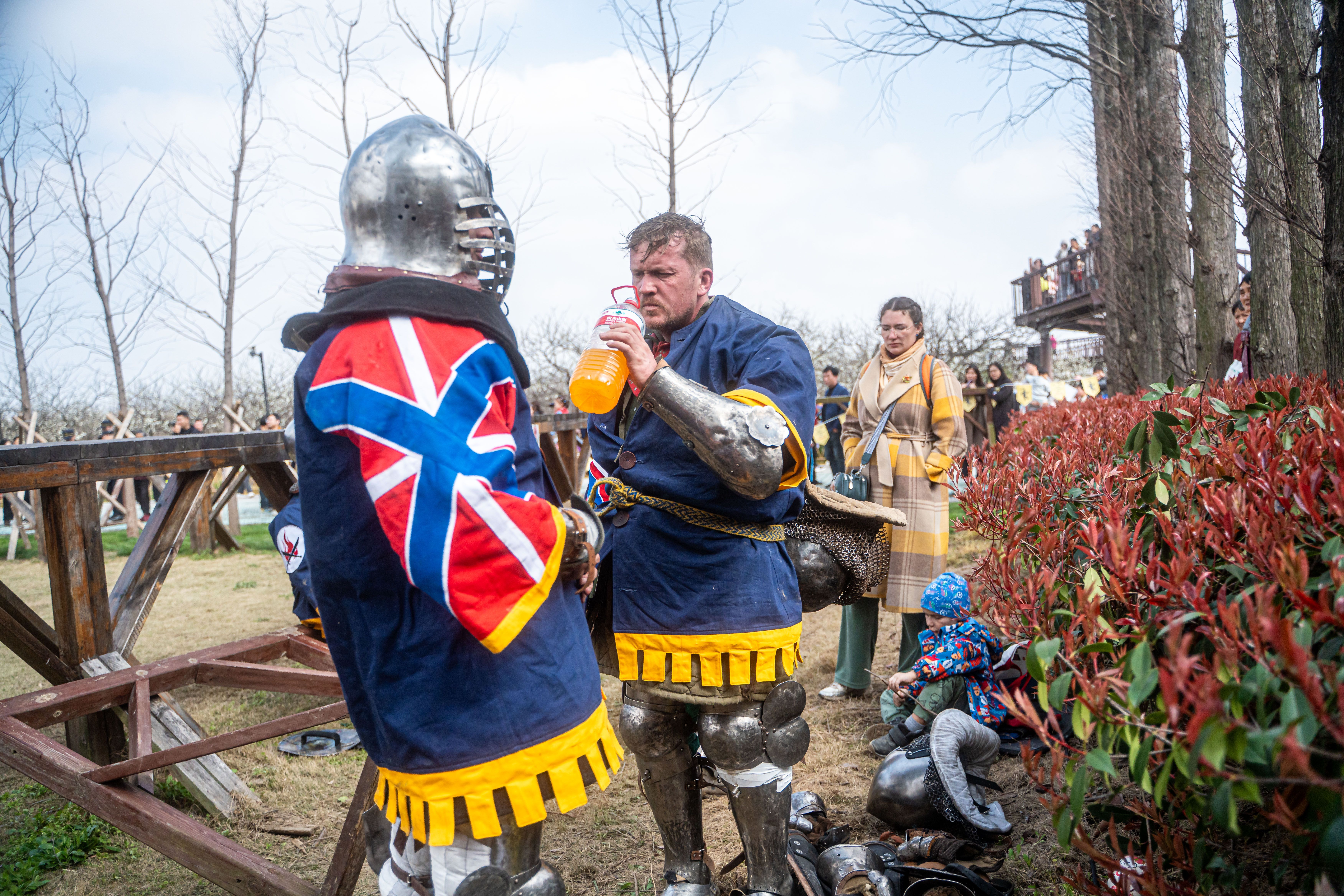
The two Russian teams are the only foreign participants to make it to this year’s Comrade in Arms Cup. The Czech team withdrew due to surging airfares driven by conflict in the Middle East, while the Canadian team missed the event after being detained by US customs during a layover and missing a connecting flight. (Jiayu Zhang)
Read more about niche sports in China
- Is Pro Wrestling Finally Finding Its Footing in China?
- Zhang Weili and China’s Upcoming Fight of the Century
- In the Water With Shandong’s Winter Swimmers
A sport of passion
People are attracted to buhurt for a multitude of reasons. Some enjoy the sheer thrill, “to slash people and to be slashed,” as one Chinese fighter nicknamed “Curly Hair” put it—albeit within the controlled safety of the sport.
Before the fights begin, a series of inspections is conducted to ensure weapons are properly blunted and armor is securely in place. Even during combat, strikes to the back of the head and back of the knees are off-limits, and thrusting attacks are prohibited. With the steel plates of the armor—usually weighing around 50 kilograms—densely constructed, the body is fully armored from head to toe, leaving only the joints and areas such as the armpits as points of mobility. During matches, bringing an opponent to the ground counts as a victory, while marshals maintain strict order and penalize unsafe behavior.
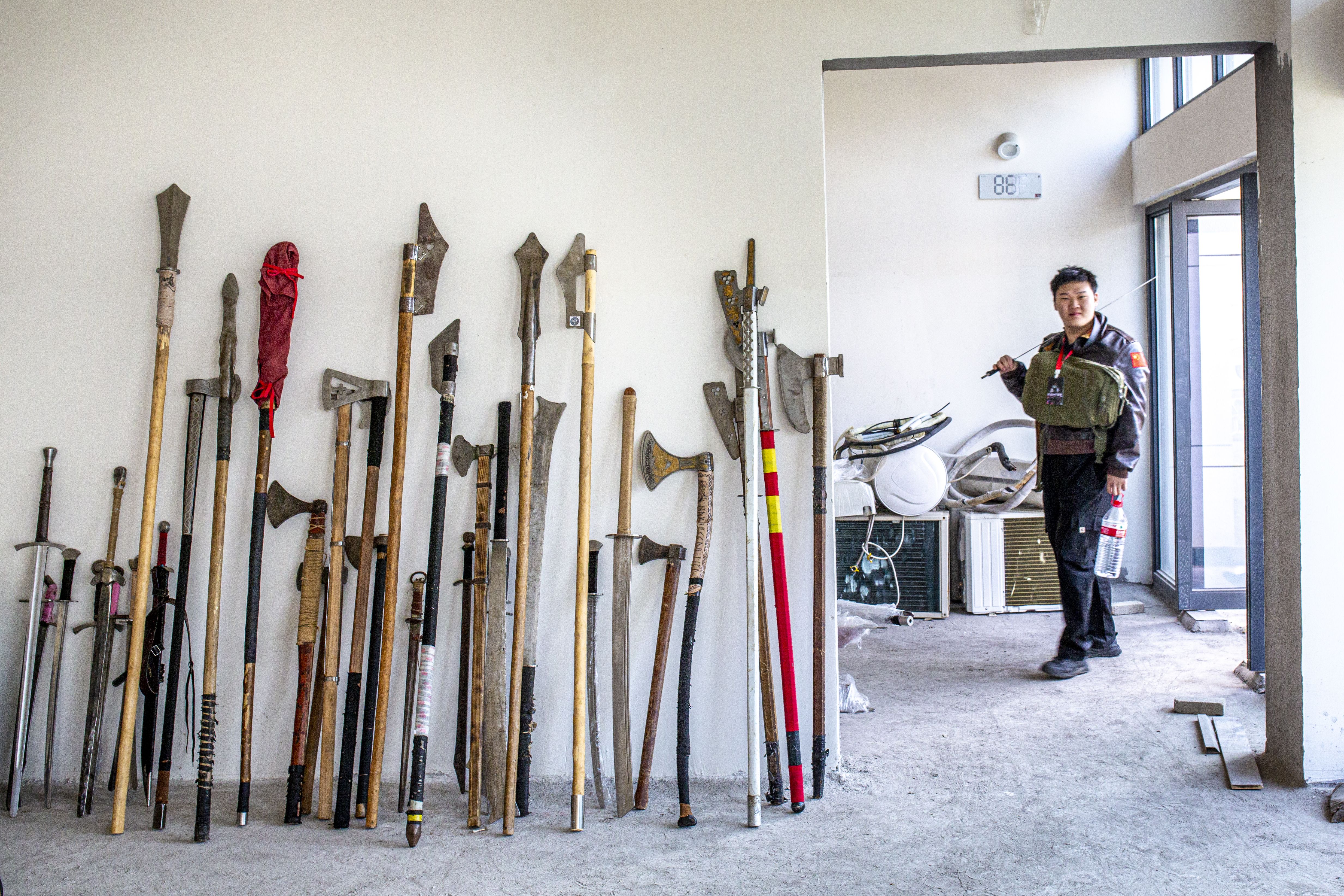
The locker room at the competition venue in Tongxiang displays a variety of Chinese and Western-style weapons, all blunted (Matteo Cassina)
The matches are usually five-versus-five in the standard 12-by-8-meter arena. Teams win by knocking all opponents to the ground. Duels are point-based, with fighters scoring through legal hits within a time limit, while pro fights resemble MMA bouts with weight classes. All formats align closely with the international rules set by the leading governing body, Buhurt International.
“I believe the sport’s health benefits far outweigh the risk of injury. With proper training, qualified coaches, and safe equipment, it can be very safe,” says Guan Xiaoqi, better known as “Postman,” captain of the Beijing Red Star buhurt team.
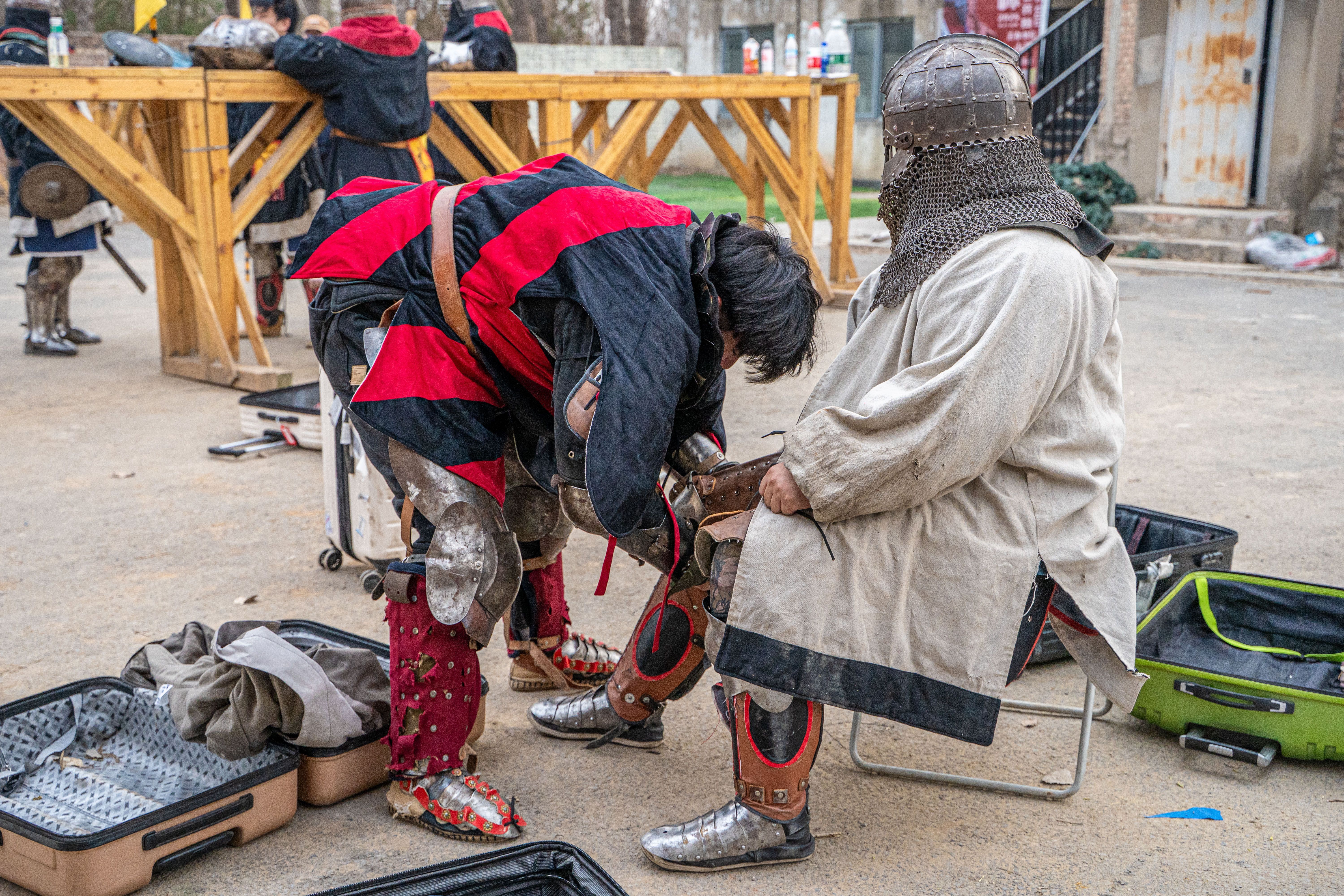
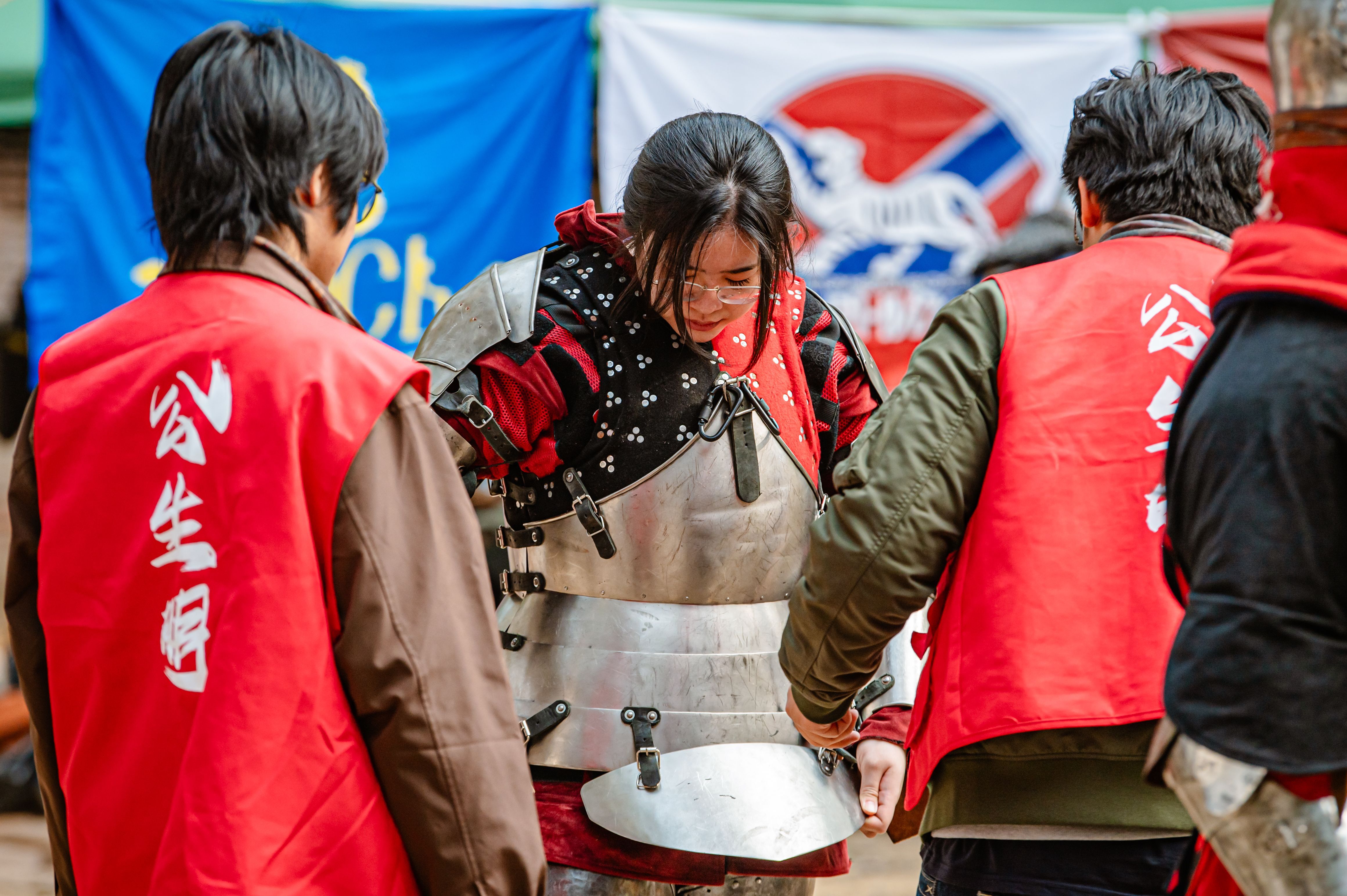
Teammates help one another put on their armor, as the various pieces are connected by straps and ties (Jiayu Zhang)
Since Guan first learned about the sport on Douyin, China’s version of TikTok, in 2019, buhurt has been an inseparable part of his life. “I’m not only an athlete, but also a coach, referee, and dedicated enthusiast, with weekly training and teaching sessions,” says Guan.
Still in his 20s, Guan and the Red Star team are already considered pioneers of the sport in China. “People from all walks of life came together through a shared passion for the sport, and in its early days—without systematic training or proper resources—we relied on collective experimentation and effort to build it into what it is today,” Guan tells TWOC. He estimates that there are currently 100 to 150 competitive-level participants nationwide, drawn from a pool of 200 to 300 people who own equipment and are capable of competing.
Battle of history, with Chinese characteristics
For many others, the love of armor and weaponry, or a passion for history, is what truly draws them in. Historical plausibility in buhurt is a must—one can’t mix armor components or weapons from different eras or traditions. International tournaments now limit their weaponry to the 14th to 17th centuries—the golden age of steel armor in Europe, when chain mail gave way to bulky full-body plate armor.
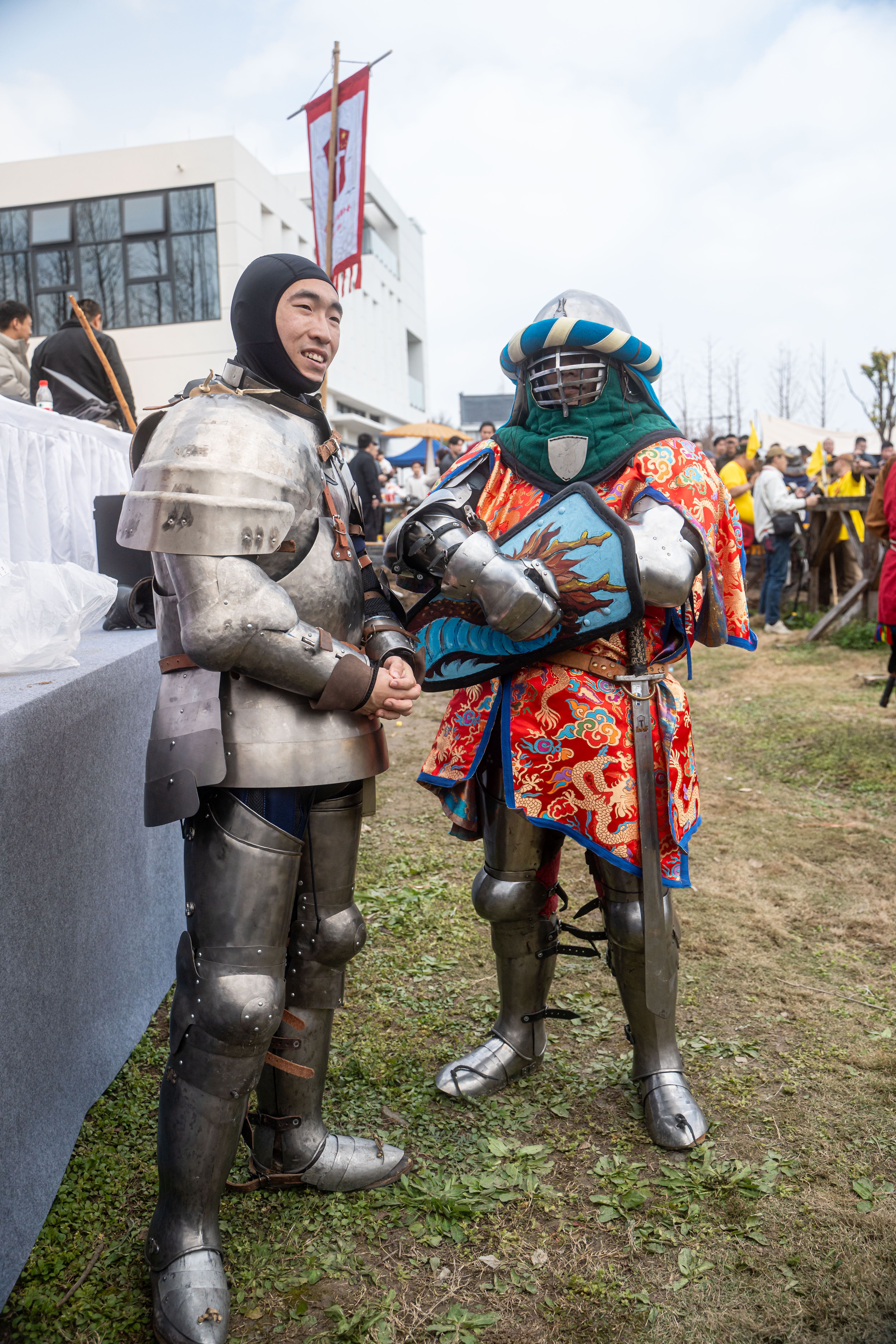
A fighter from the Shandong team wearing European-style plate armor (left), and another from Sichuan in a striking dragon-patterned surcoat, with a hand-painted dragon adorning his shield (right) (Jiayu Zhang)
As the sport starts to set roots in China, Chinese armor is becoming more and more common at domestic events, from the lamellar armor (zhajia, 札甲)—small overlapping plates, usually iron or leather, laced together—to the brigandine (bumianjia, 布面甲), a fabric armor reinforced with brass studs.
“Chinese armor is more flexible,” Tong tells TWOC. Though this flexibility and relative lightness come at the cost of protection, meaning Western pieces are still occasionally added, “as long as you conceal them. It’s mostly done for the safety of the fighters.”
But ensuring the historical accuracy of Chinese armor has proven surprisingly challenging compared to their Western counterparts. Physical evidence is scant, as iron and cloth are prone to degradation, and armor was typically made for battle rather than for private preservation. The best-surviving examples are ceremonial or artistic interpretations, dubbed “deity armor” by leading weaponry researcher Gong Jian, as opposed to the “military armor” used in actual conflicts.
Enthusiasts can only rely on a few key discoveries and significant guesswork. Archaeologist Bai Rongjin undertook the first modern restorations of iron and leather armor from the 1960s to the 80s. Meanwhile, archaeologist Yang Hong’s pioneering 1976 paper, “Armor in Ancient China,” has proven an invaluable resource to Chinese buhurt practitioners.
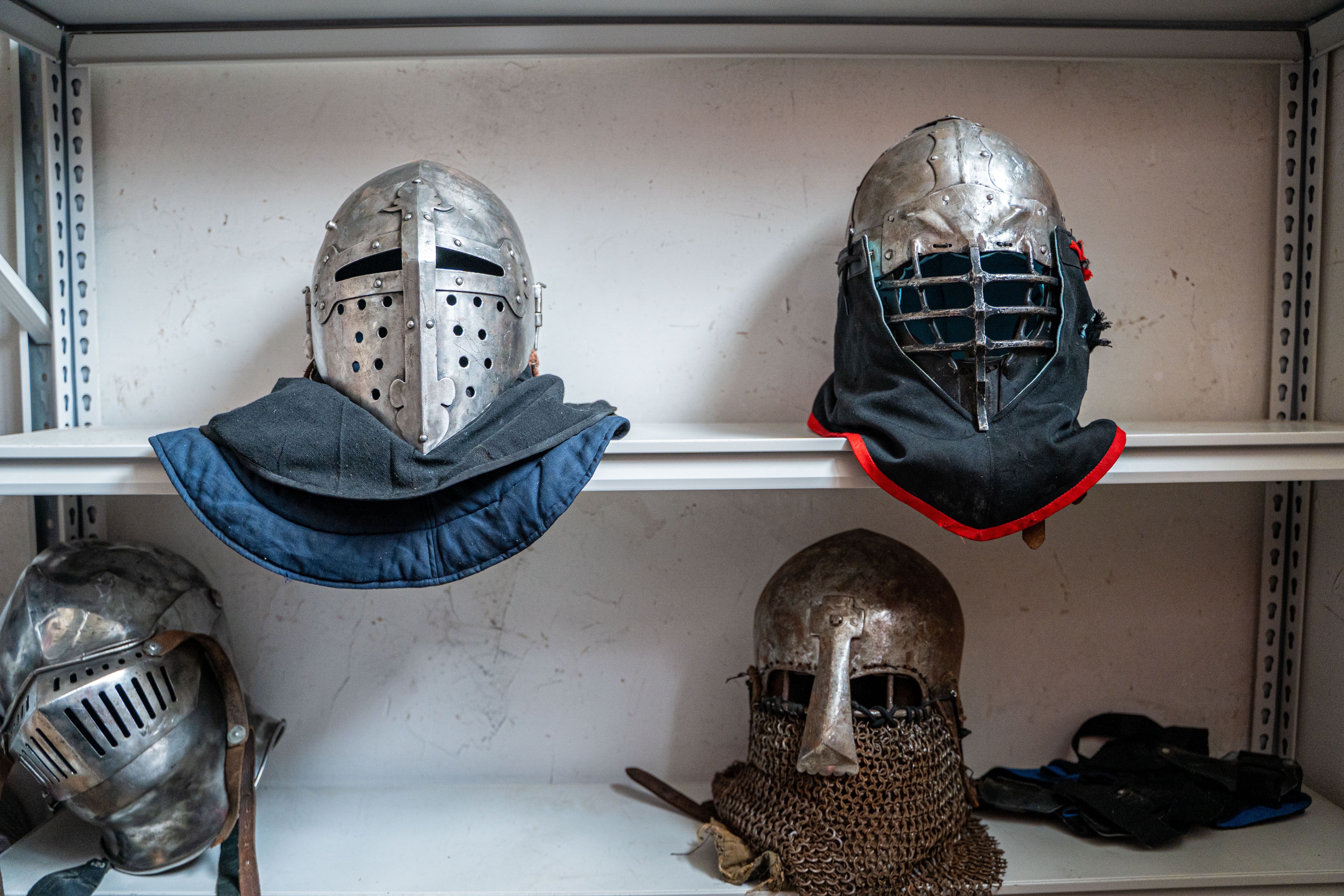
Handcrafted Chinese- and Western-style helmets each weighing at least five kilograms (Jiayu Zhang)
Before 2016, “most armor used in domestic competitions was European in style—there wasn’t a single set of Chinese armor,” Half-Ton captain Gao “Big Cat” Peng told Xinmin Evening News in 2017. Born in 1984 and standing 1.92 meters tall, Gao was among the earliest buhurt fighters to represent China on the global stage. In 2016, the organizing committee of the World Championship of Historical Medieval Battles (HMB), one of the main international championships in buhurt, expressed hope that the Chinese team, attending for the first time, would bring some Chinese elements to the competition.
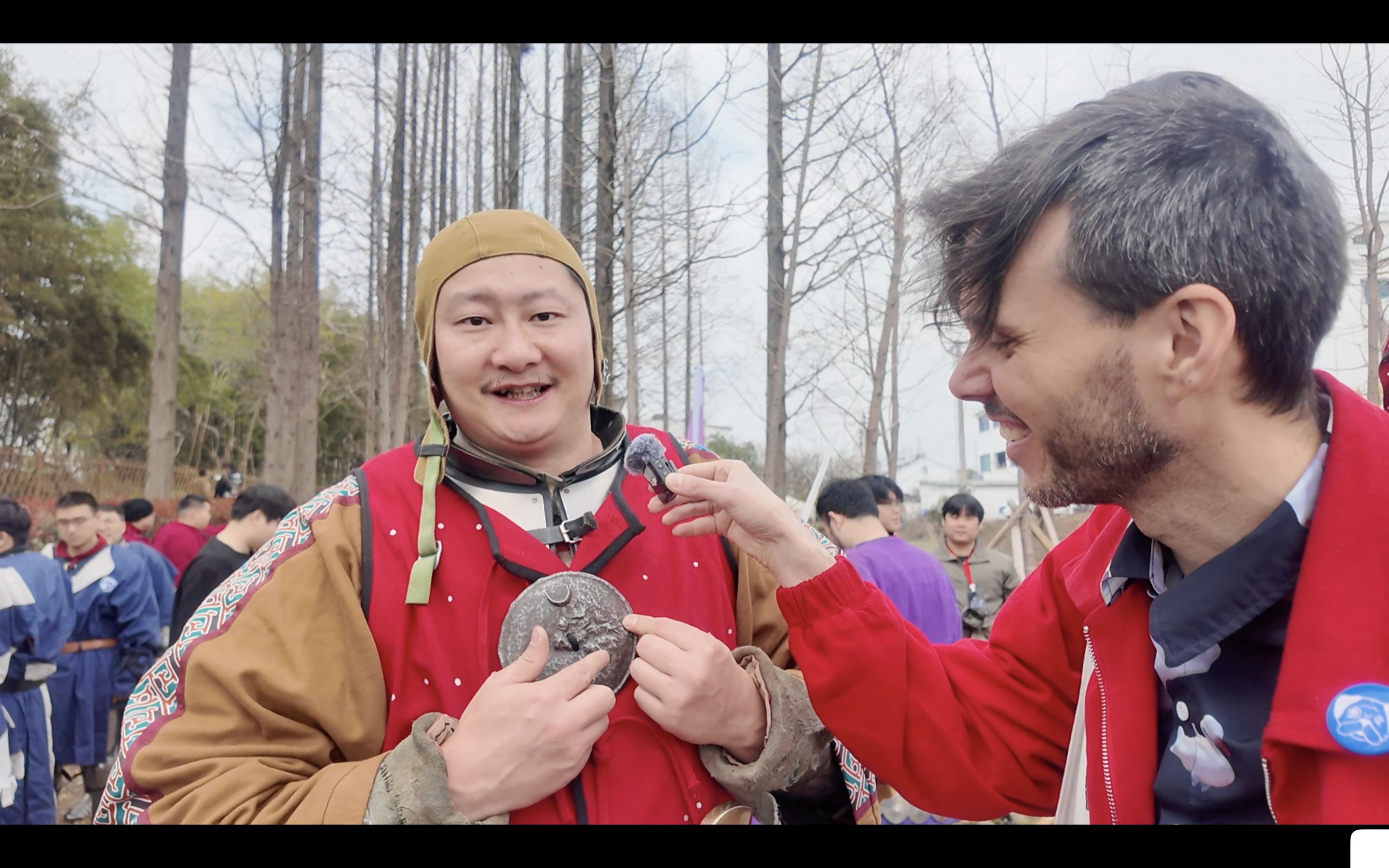
Gao “Big Cat” Peng shows TWOC a gift from an American friend: a Chinese-style chest protector decorated with an American tree motif (Jiayu Zhang)
After roughly six months of intensive research, Gao and armor maker Xu “Kuma” Guoji assembled a set of Ming dynasty (1368 – 1644) heavy infantry armor that complied with competition rules. The set was completed just before the tournament began. While the armor did not bring the team much success in competition, Gao felt it still fulfilled its purpose by bringing a touch of Chinese character to the sport on the international stage.
Onto bigger stages
Chinese armor enthusiasts first connected through Baidu and Tianya forums in the early 2010s. In those days, buhurt was little known, drawing a mix of armor enthusiasts, history buffs, weapons aficionados, and related combat sports athletes.
“People had different motivations and goals for participating in buhurt,” says Guan, “so many people came and later left.” The sport also comes with significant financial barriers, with a battle-ready suit of armor costing upward of 20,000 yuan.
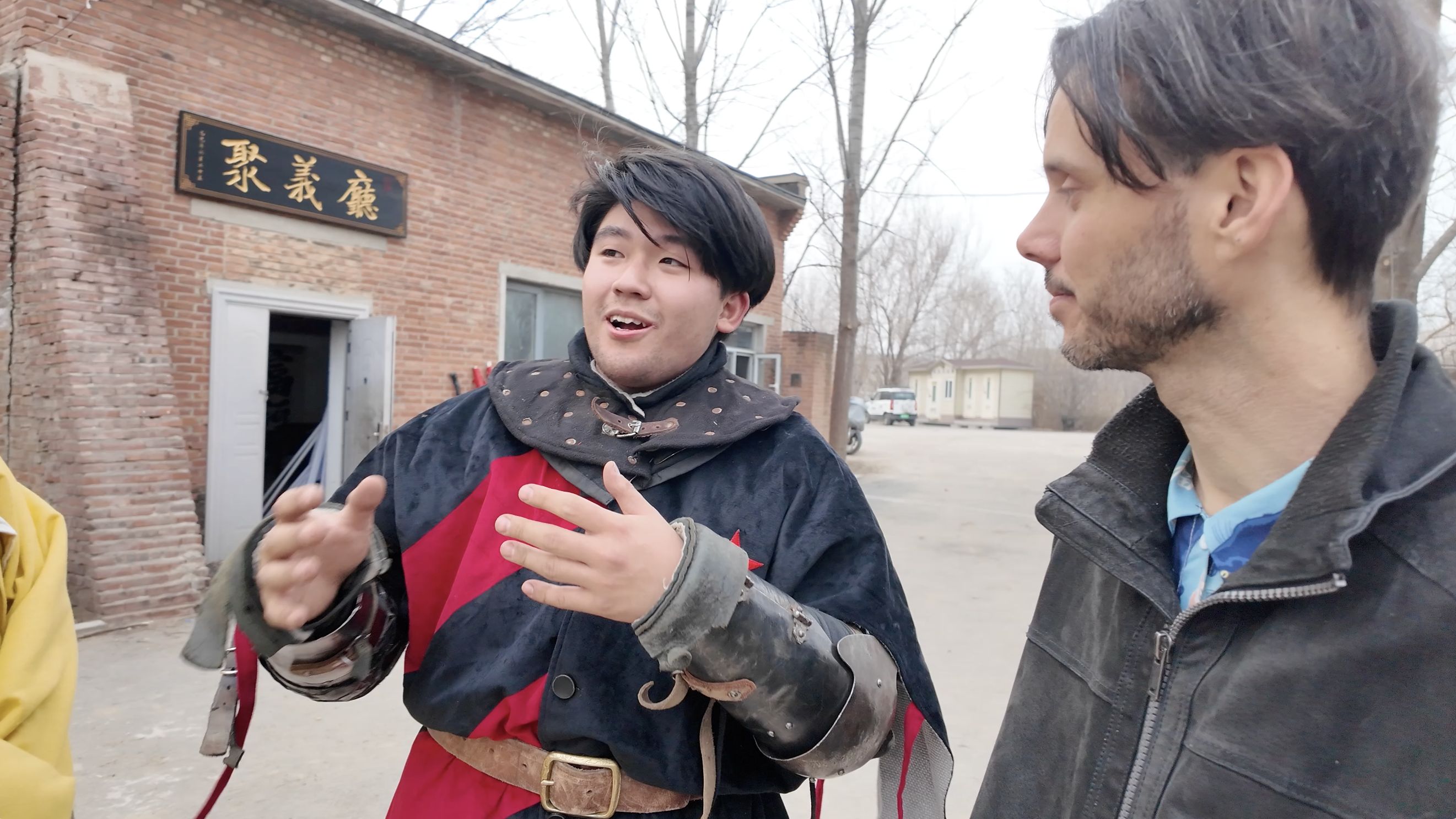
Guan “Postman” Xiaoqi (left), founder of the Shanhe Martial Art School in Beijing’s Changping district, has named the main building at the training center the “Hall of Righteous Gathering,” a nod to the Chinese classical novel Outlaws of the Marsh (Jiayu Zhang)
Since then, Chinese buhurt teams have competed regularly both domestically and internationally. Although the Chinese team suffered three straight losses at the 2017 world championship, Buhurt China was founded later that year. The first truly national buhurt gathering, the “Year of Armor,” took place the following year in Hailongtun, Guizhou province.
Then in 2019, China sent a record 29 fighters to the BoTN tournament in Serbia. “At that time, we all developed a certain closeness and decided to use the spirit of ‘comrade in arms’ as the name for our domestic contest,” says Half-Ton captain Gao.
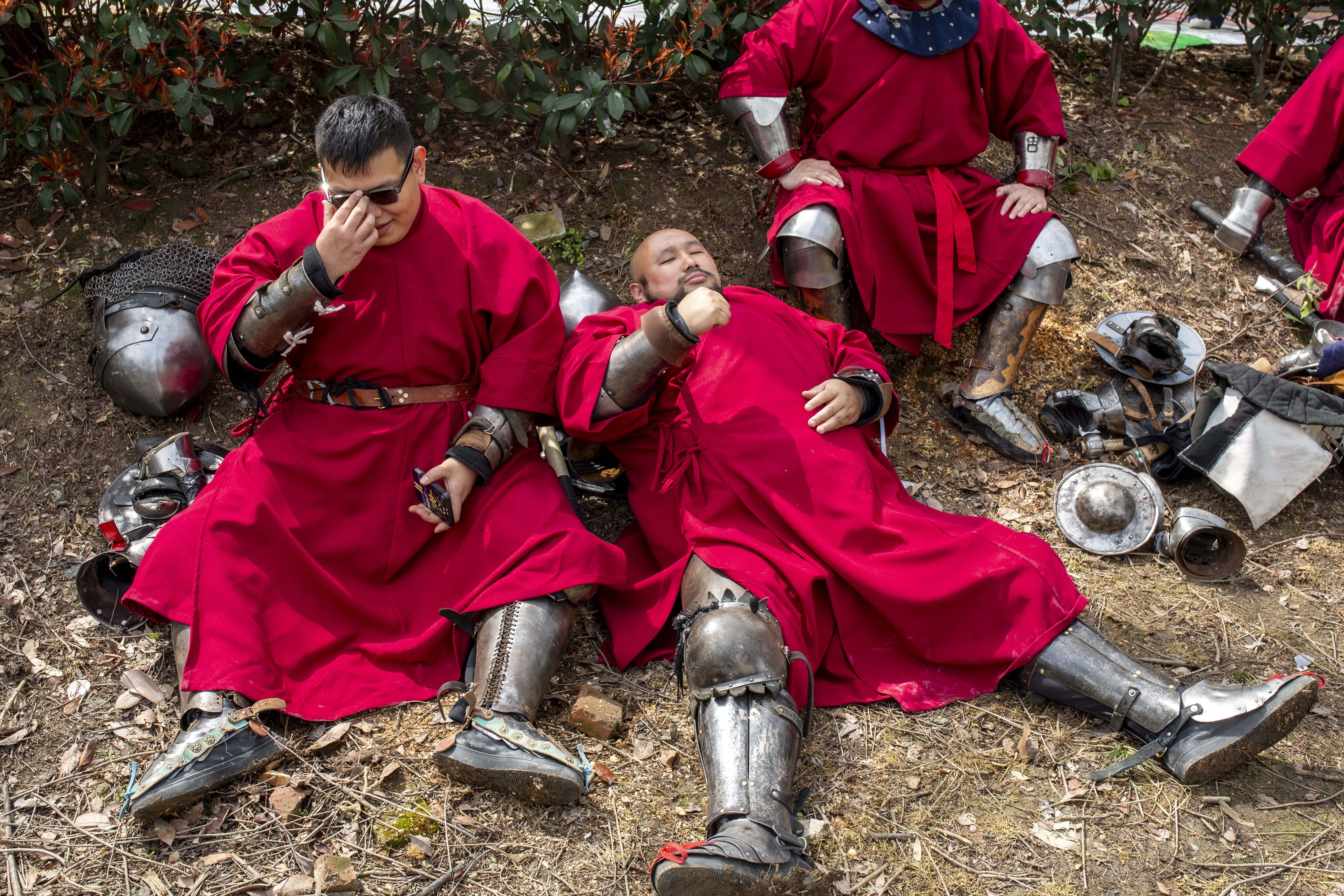
The armor is heavy and stiflingly hot and is not removed even during breaks, which is why buhurt competitions are usually held in spring and autumn (Matteo Cassina)
Thus, the Comrade in Arms collective was officially born to distinctly humble beginnings in Tongxiang, Zhejiang province. “It was [held] at a horse ranch—something we always joke about. We spent the whole time competing with the smell of horse manure. When you got knocked to the ground, the gaps in your helmet were coming into very intimate contact with the piles of horse dung on the ground,” recalls Yang, the organizer, better known as the “Chief” to his fellow practitioners. With the support of the relevant local sub-district government in Zhejiang, the tournament was moved to the current venue of Taoyuan village in 2022.
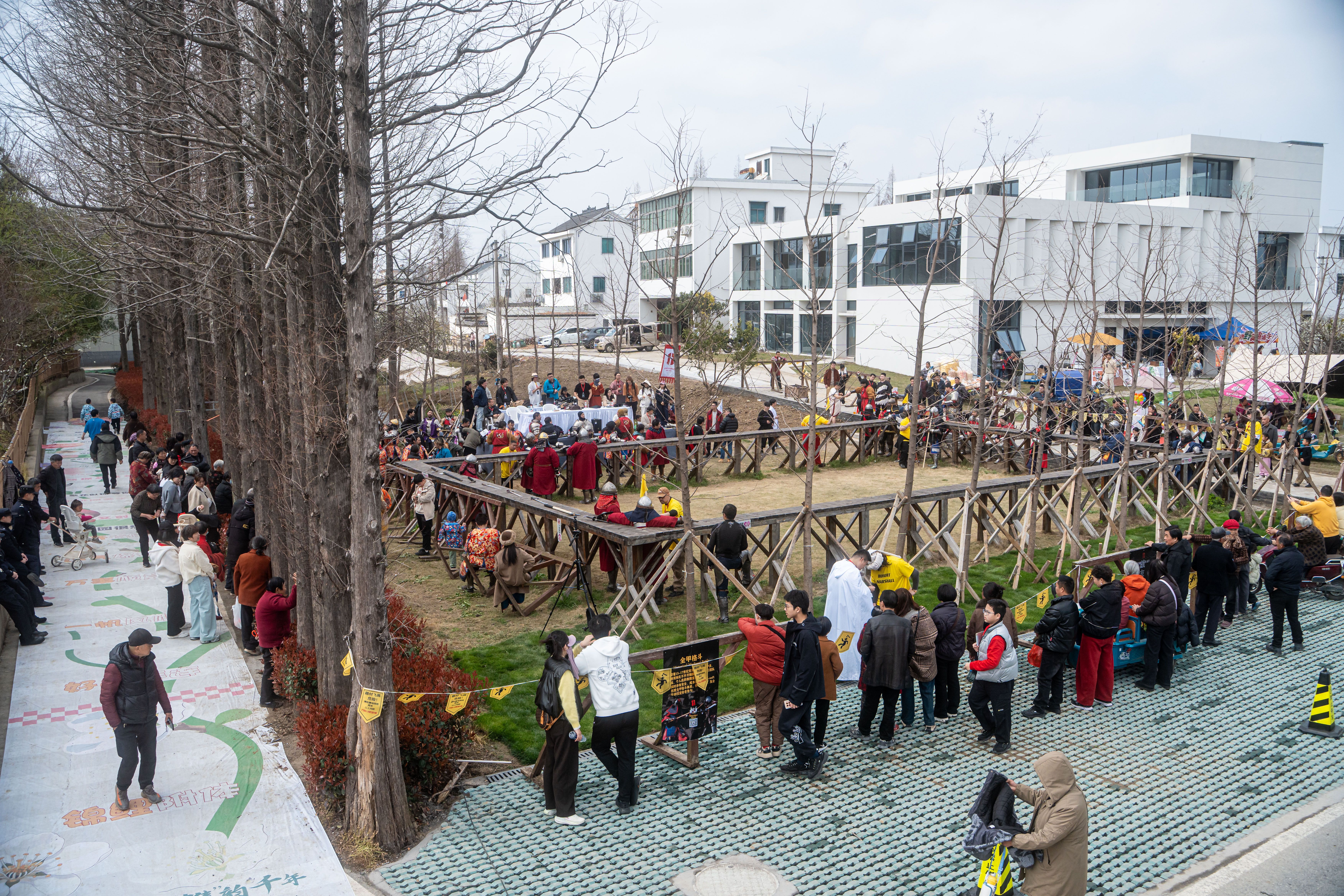
The local government of Tongxiang strongly supports the development of buhurt. The white building in the background is a buhurt training base currently under construction. (Jiayu Zhang)
“I feel this is a great way for Chinese culture to go global,” says a spectator at this year’s Comrade in Arms.
Kang Lu, a buhurt enthusiast, echoed the sentiment in a 2019 interview with People’s Daily, expressing hope for greater government support and recognition, beginning with efforts to register the sport with China’s Sports Bureau. So far, however, those efforts have made limited progress.
More space for women
Unsurprisingly, given the historical realities, buhurt remains a male-dominated sport. Only a handful of female competitors have come and gone from China’s buhurt scene over the years, and the dream of an all-female team has yet to be realized. Some female players have to compete either alongside male teammates from their own country or by joining women’s teams from other countries in international events, generally in custom-fitted armor that is not necessarily lighter, as Tong, the fighter from Beijing, attests. Tong won bronze at the 2023 Buhurt League World Cup, another international buhurt championship event, as a mercenary for the French women’s team.
At the 2025 Beijing Shanhe Cup, Tong Kexin competes alongside male teammates from the Red Star team in a five-versus-five match (courtesy of Tong Kexin)
“Frankly, there’s not much I can do in my plate armor,” says Tong, who usually wears the sturdier Western-style plate armor that is heavier than that of many of her teammates. “I choose it because I’m a female fighter, and when I fight with the boys’ team, I need to be 120 percent cautious.”
At the Comrade Cup, only a handful of women’s duels had been held in recent years, while the women’s one-on-one event scheduled this year, with just two participants, was canceled at the last minute due to a participant’s health issues.
It remains to be seen how barriers can be further lowered to bring more women into the sport, though Tong is counting on greater media coverage to increase visibility. “This is why I’m super friendly to all the media people,” she jokes.
Steadily onward
To Guan, the past decade of progress in Chinese buhurt has been remarkable. While many of the earliest practitioners he knew have left the sport due to growing family and work responsibilities, he has seen an influx of fresh blood in recent years entering a scene drastically different from that of a decade ago. “We’re more stable and professional now,” says Guan, adding that the teaching and training are now more systematic, scientific, and safe.
In 2023, he founded the Shanhe Martial Art School and has since opened two training centers, offering memberships, group classes, and private lessons priced at up to 500 yuan an hour, which can be a significant investment for those just getting started in the sport.
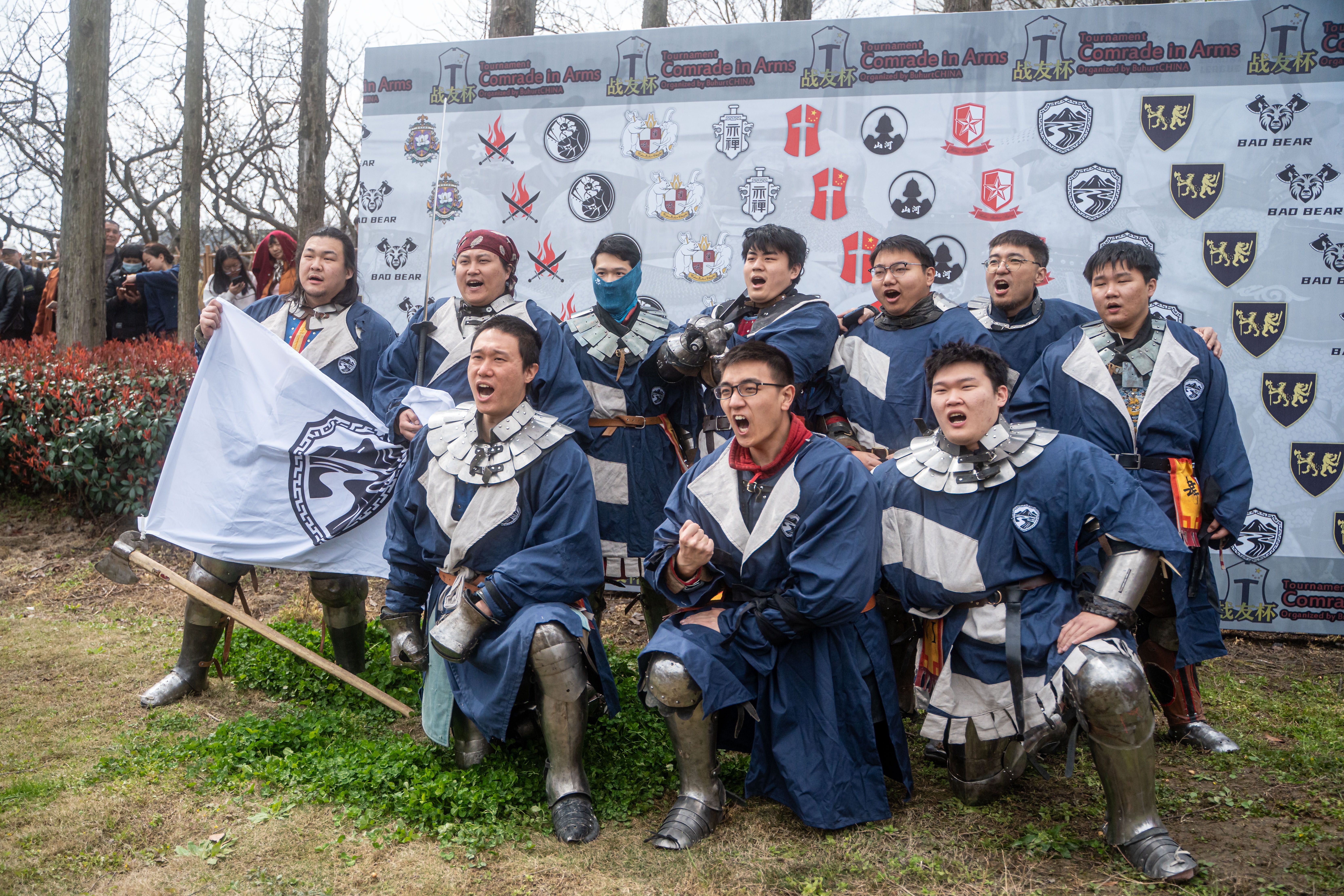
As China’s first generation of buhurt athletes enters their 40s and nears retirement, training new talent has become increasingly important. The Beijing Shanhe Academy Team is one of the youngest in the country, made up mainly of university students born after 2000. (Jiayu Zhang)
“The young people interested in the sport might not be able to afford to buy full sets of armor or pay for training long-term,” says Guan. To lower the barrier to entry, he also launched the nonprofit training program last year, the Shanhe Academy Team, which provides free armor and weapons, with training led by dedicated coaches at his centers. Expenses are covered by a team fee of a few hundred yuan.
Though most of Guan’s students from the team have less than a year of training, they competed as part of the Beijing United Team at this year’s Comrade Cup, helping secure second place in the 5v5 competition and third place in the individual long-sword event.
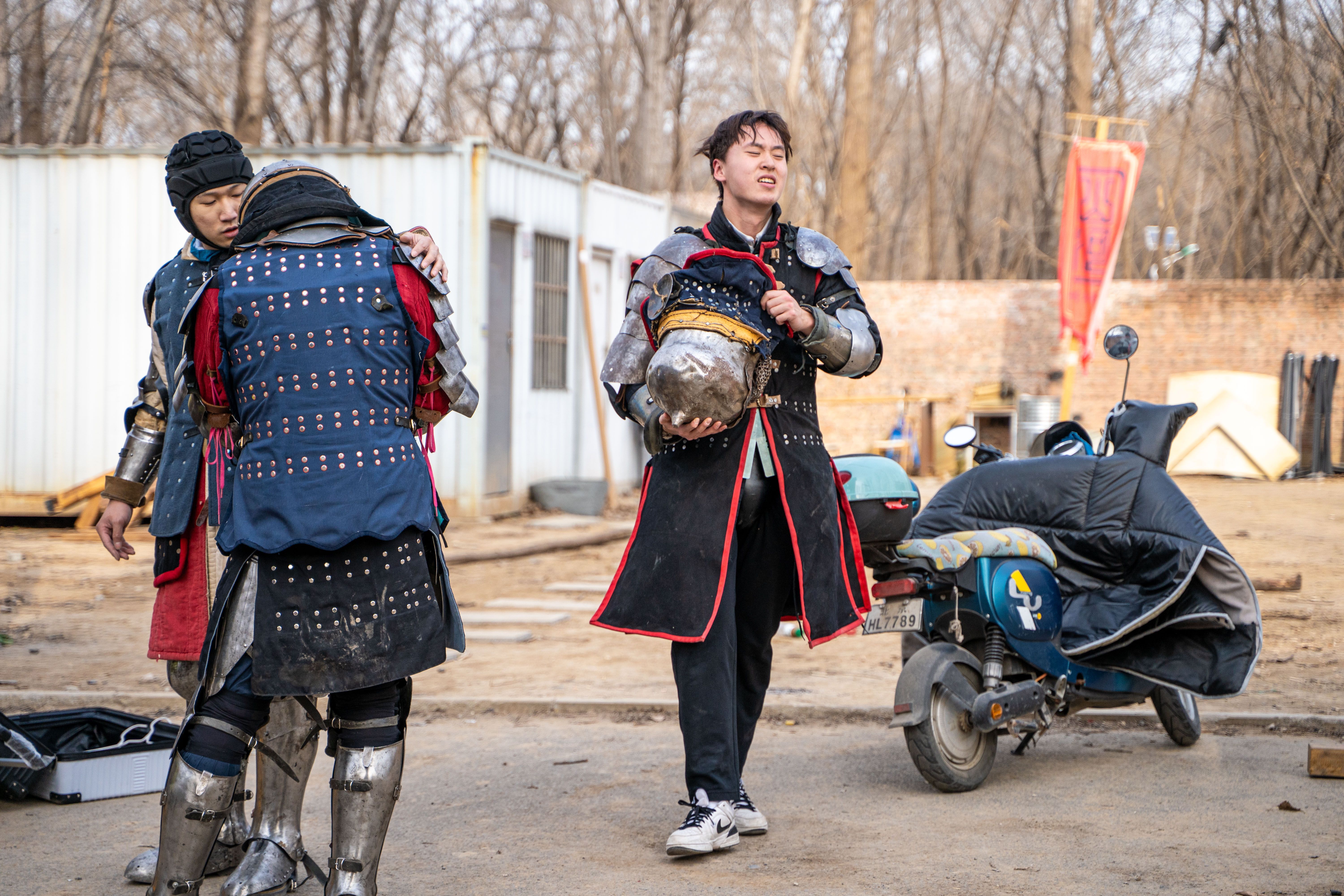
Luo Liwei (far right), an undergraduate at Beihang University, began buhurt training at Shanhe Martial Art School four months ago, where he has tried on various armors available at the club and even had the opportunity to make his own (Jiayu Zhang)
While he acknowledges that most buhurt fighters in China are still amateurs and that funding remains a challenge, as with many niche sports, Guan and other enthusiasts are confident that the sport has a bright future.
“When the third and fourth generations rise, this effort will spread like wildfire,” says Yang, the organizer of the Cup and one of the first generation of buhurt athletes in China. Gazing reverentially to the past and hopefully to the future, these pioneers will continue to wave China’s buhurt banner proudly.
Ready and Suited: China’s Buhurt Combat Culture is On the Rise is a story from our issue, “I, Humanoid.” To read the entire issue, become a subscriber and receive the full magazine.
Related Articles