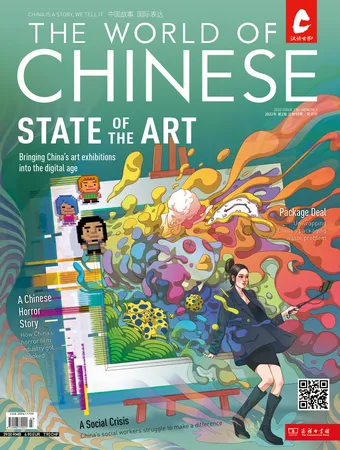
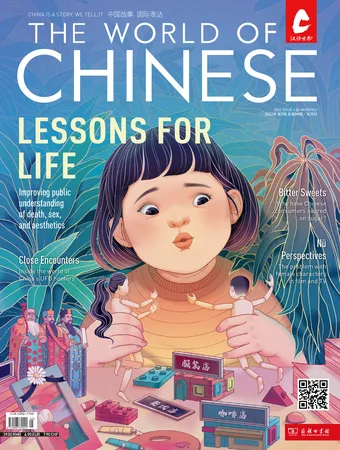
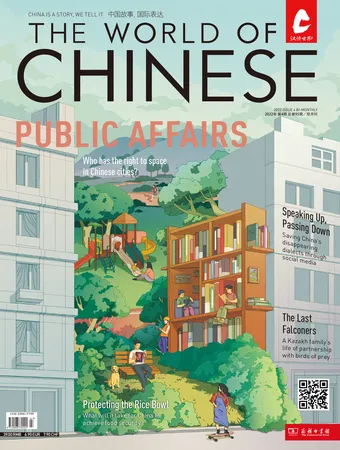
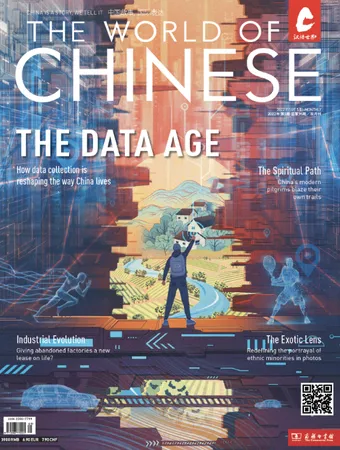
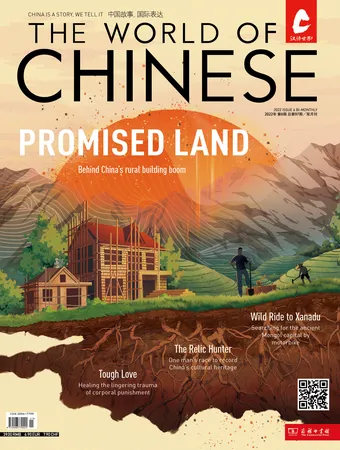
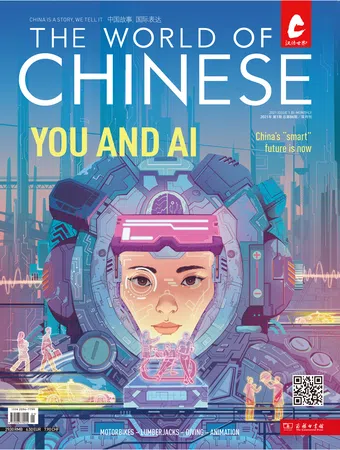
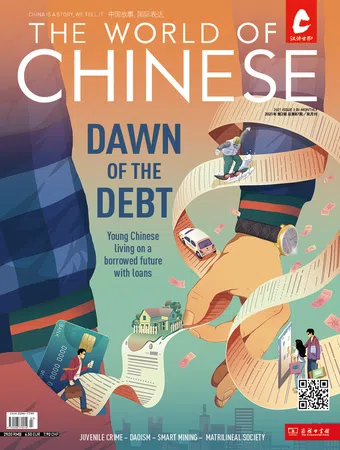
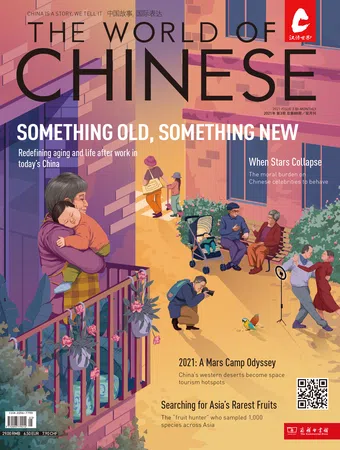
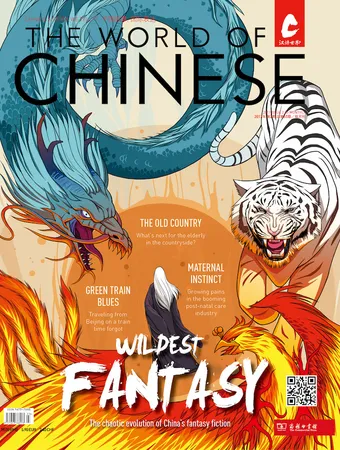
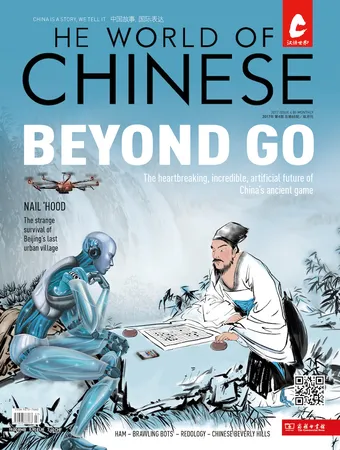
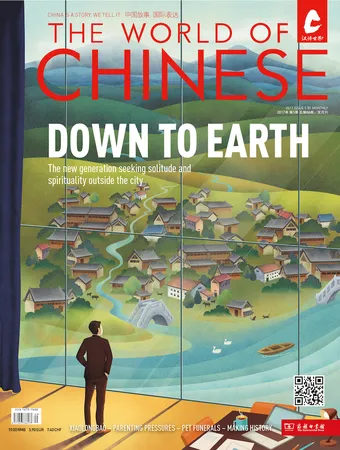
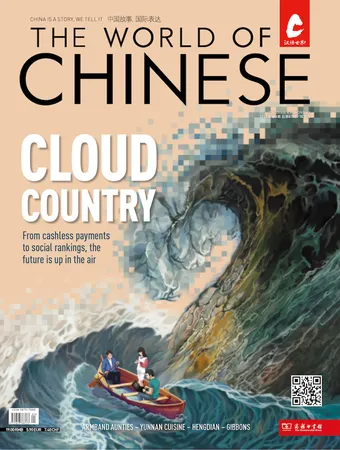
The “emotional economy” has become one of China’s hottest buzzwords in 2025, as young people gravitate toward products that offer comfort and self-expression, such as designer toys. Thrift- and sustainability-minded consumers are also driving a booming secondhand market, while the next generation of factory owners steps into leadership within family businesses. Our cover stories explore how these young consumers and manufacturers are reshaping China’s market.
Our feature stories take us northeast to Harbin, where Ice-Snow World has grown into the world’s largest ice festival, and south to a historical Zhejiang village hosting China’s first translator residency program. We also visit Milan’s Chinatown to see how young Italian-Chinese entrepreneurs are transforming the community, and head to Qingtian, Zhejiang—the hometown of much of Europe’s Chinese diaspora—to explore how the migration has shaped the small town.
Find more on the appeal of all-female opera, AI in filmmaking, and the latest developments in micro-drama. Enjoy reading!
“Junshan Island no longer exists as a physical place on Lake Dongting. It has passed through the looking glass. You can see the island in this mirror, but there is no way to row a boat over to it.”
From mahjong-tile Christmas trees to bread decorations that become winter treats for local sparrows, this is a snapshot of how Christmas is being celebrated across China
China’s next generation of factory owners, or “chang’erdai,” are stepping in, but slowing markets and shifting trade mean they must find new ways to keep their family businesses afloat
After discovering that employees at one of China’s biggest snack companies are imbued with squirrel-related names, netizens have begun concocting their own. But is there a darker side to this seemingly playful trend?
Chinese migrants helped shape Milan’s Sarpi–Canonica district for a century, but soaring rents, shifting urban planning, and cultural tensions are now eroding the enclave’s diaspora-driven character. A new generation of Italian-Chinese entrepreneurs may determine whether it endures.
Once a humble household snack sold by the streetsides, “chaohuo” has now become a hundred-billion-yuan business—but for many, its real value still lies in memory, ritual, and the taste of New Year
Since their conception, the micro-drama format has been in constant flux, but does a new injection of capital—boosting production values and drawing big names—as well as interest by the state and companies abroad, really spell a more refined future for the genre?
Yue opera, originated in Zhejiang and known for its gender-bending roles and progressive stage design, is building a feminist dreamscape for a new generation
Often celebrated online for its European flair as the hometown of countless Chinese diaspora, this small mountain town’s true essence lies in the lives of those who left, stayed, and returned—shaping it over generations
A poisonous ancient plant, konjac has become the country’s favorite crunchy, stimulating snack—and a global sensation for its healthy yet addictive bite
Despite having only six households left, the “parading of the god” ceremony in Fujian’s Weixiang village continues each year, alive with color, techno music, and unwavering faith
As younger consumers favor experiences over products, “curator”-led cafés and boutiques have sprung up across China. Yet with growing pushback against overpriced, underwhelming offerings, is this trendy fad already losing its appeal?